







The DTC Brands hub gathers the highest-reach Meta ads from direct-to-consumer advertisers on Facebook and Instagram, the kind of creative that keeps earning budget and stays live. Across 1,369 ads from 109 distinct advertisers, the winning pattern is proven creative: scroll-stopping hooks, clear proof, and a single obvious next step. Use it as a working reference for what a strong ecommerce ad actually looks like right now.
Key takeaways
- Video does the heavy lifting. The format split runs 65% video to 35% image, so most of the highest-reach direct-to-consumer creative is motion-first. Image ads still earn their place when the concept is a single strong idea, but video is the default here.
- A wide field of advertisers. The snapshot spans 1,369 ads from 109 distinct D2C advertisers, with median reach of 2.9M and a top ad hitting 26M. The average ad runs 133 days, a signal that these creatives keep returning enough to stay funded.
- The hook is a device, not a product shot. The strongest ecommerce creatives open on a gag, a fake comment thread, or an editorial headline rather than the product itself. The concept stops the scroll first, then the online store and offer arrive.
- One product, one clear next step. Winning ads map the range to a viewer's situation and end on a single call to action, whether that is a quiz, a read-more prompt, or a discount button. Clarity beats clever stacking of features.
- Creative volume is the real lever. The long runs here are survivors, not lucky first tries. With an average ad running 133 days, the winners come from testing many hooks, offers, and angles, then pouring budget into the few that keep returning. Treat creative as a testing pipeline, not a one-off production.
- First-party data keeps the signal alive. Since iOS tracking limits thinned the pixel, the highest-reach direct-to-consumer accounts lean on server-side tracking and the Conversions API to feed Meta clean first-party signal. Better signal sharpens both optimization and attribution, so the algorithm finds buyers and you can see which creative actually earned them.
- Economics decide what stays live. An ad only keeps its budget when the customer acquisition cost clears the contribution margin, and repeat purchases and lifetime value carry the rest. The creatives that stay live for months are the ones passing that payback test, which is why the long-running ads tend to be the proven, profitable ones.
What makes a top-performing DTC Brands ad
It opens with a hook that earns attention on its own: a visual pun, a mock reply-to-comment overlay, or an editorial-style headline that reads like a news column rather than a paid message. The proof follows fast, usually a demonstration or a first-person story that shows the product working, as in a before-and-after or a use-case lineup that lets the viewer self-select. The offer is specific and the frame closes on one call to action, such as Take the quiz or a discount prompt. The tightest direct-to-consumer creatives keep the product supporting the idea, not fighting it for space.
What the top DTC Brands ads look like
Scanning the highest-reach ads, you see two recurring visual modes. One is the concept-led frame: absurd or funny imagery like two bearded men peering up beside a grooming tagline, or a native social overlay that mimics an Instagram reply-to-comment thread stacked over a split-screen of the product in use. The other is the editorial or minimalist frame: a mock article layout with a bold headline, a patient story, and an illustrated before-and-after diagram, or a single clean hero shot of the product floating on a plain pastel background with just the logo and product name. On-screen text carries the pitch, whether as a punchline, a fake comment, a study-style headline, or a use-case label tagged to each item in a lineup. About two thirds of these ads are video and one third are image.
Prefer one format? Filter this page to DTC Brand video ads or DTC Brand image ads only.
Top-performing ad frameworks in DTC Brand
The highest-reach DTC Brand ads reuse a handful of proven creative frameworks. Here are the ones that stand out here, each with a real example you can play or open in full.
1. Humour or metaphor hook
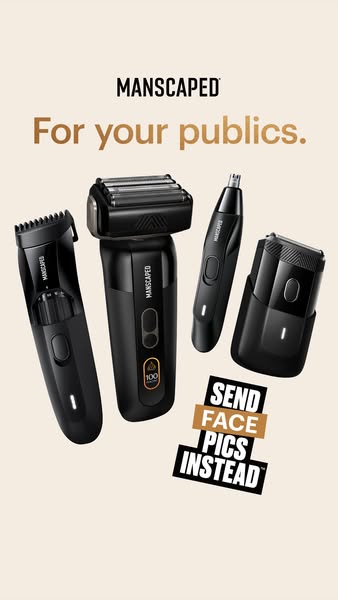
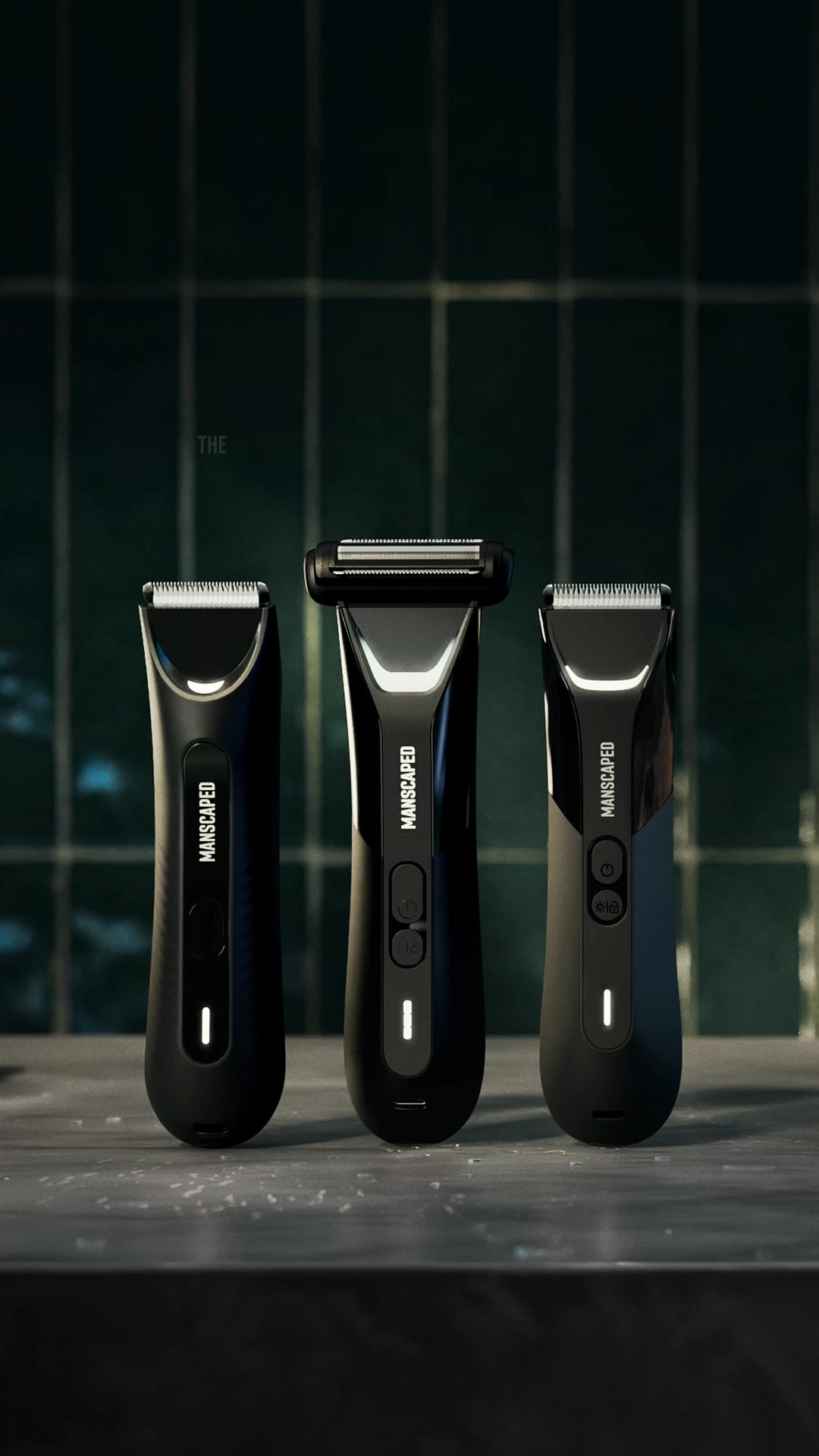
What it does. MANSCAPED runs a visual gag where two very hairy, bearded men peer up alongside the tagline "Give your boys the love they deserve," turning the pun about grooming into the whole hook. The joke, not the product, carries the frame, with the trimmer tucked into the corner.
Why it works. The double meaning and the absurd bearded-men visual stop the scroll and make the grooming pitch memorable without a hard sell.
Ad data. This image ad reached 26M and ran for 23 days, the highest reach of any ad on this page. Gender split: 46% women / 54% men.
2. Native advertorial
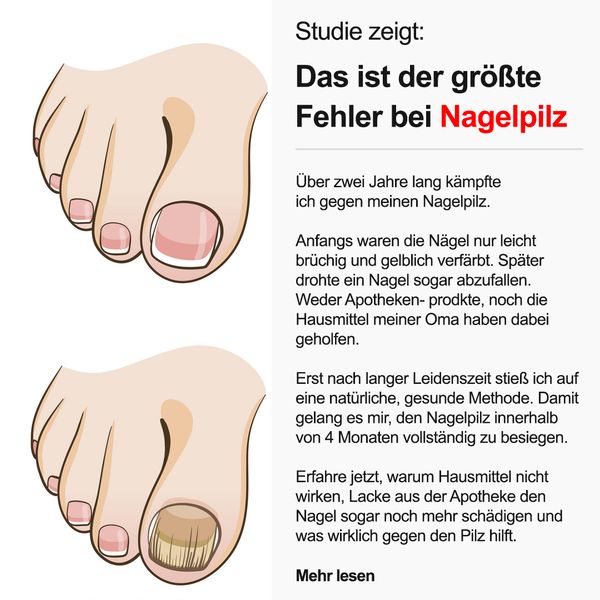
What it does. Health Routine styles the ad as an editorial article headed "Studie zeigt: Das ist der groesste Fehler bei Nagelpilz," with a first-person patient story, an illustrated before-and-after nail diagram, and a "Mehr lesen" prompt at the foot. It reads like a health column rather than an ad.
Why it works. The journalistic layout and personal story lower the reader's guard and pull them into clicking through as if reading news.
Ad data. This image ad reached 17M and ran for 331 days, one of the longest-running ads on this page. Gender split: 61% women / 39% men.
3. Question sticker
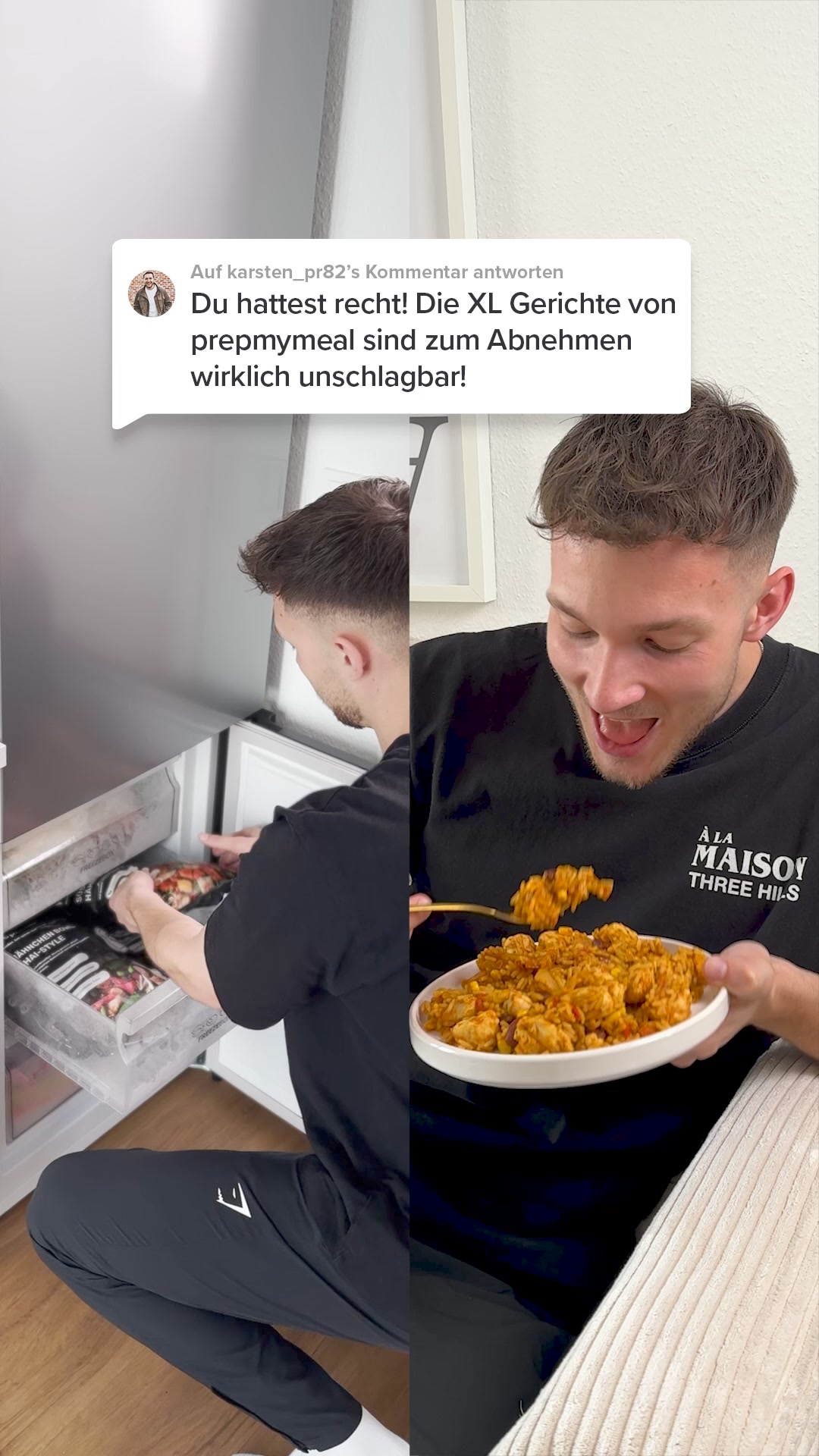
What it does. prepmymeal opens with a native Instagram "reply to comment" overlay reading "Du hattest recht! Die XL Gerichte von prepmymeal sind zum Abnehmen wirklich unschlagbar!" then answers it with a split-screen of a man pulling meals from the freezer and eating a plate. The comment-reply overlay is the hook.
Why it works. Mimicking a real comment thread makes the claim feel like organic social proof answered in the ad rather than a paid message.
Ad data. This video ad reached 12M and ran for 527 days, by far the longest run among these picks. Gender split: 22% women / 78% men.
4. Use-case callout
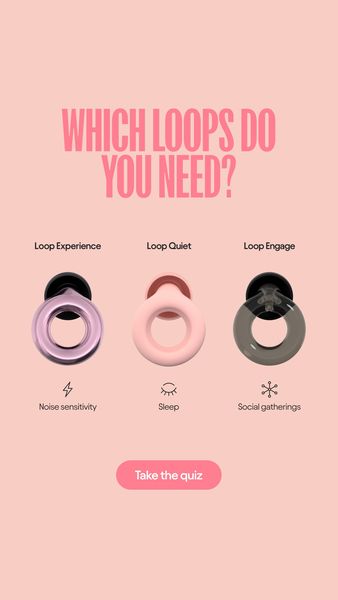
What it does. Loop Earplugs lines up three products under "Which Loops do you need?" and tags each to a distinct occasion: Loop Experience for noise sensitivity, Loop Quiet for sleep, and Loop Engage for social gatherings, ending with a "Take the quiz" button. One frame maps the range to multiple uses.
Why it works. Pairing each earplug with a clear situation helps the viewer instantly self-select and drives them into the quiz.
Ad data. This image ad reached 14M and ran for 126 days. Gender split: 77% women / 23% men.
5. Minimalist product shot
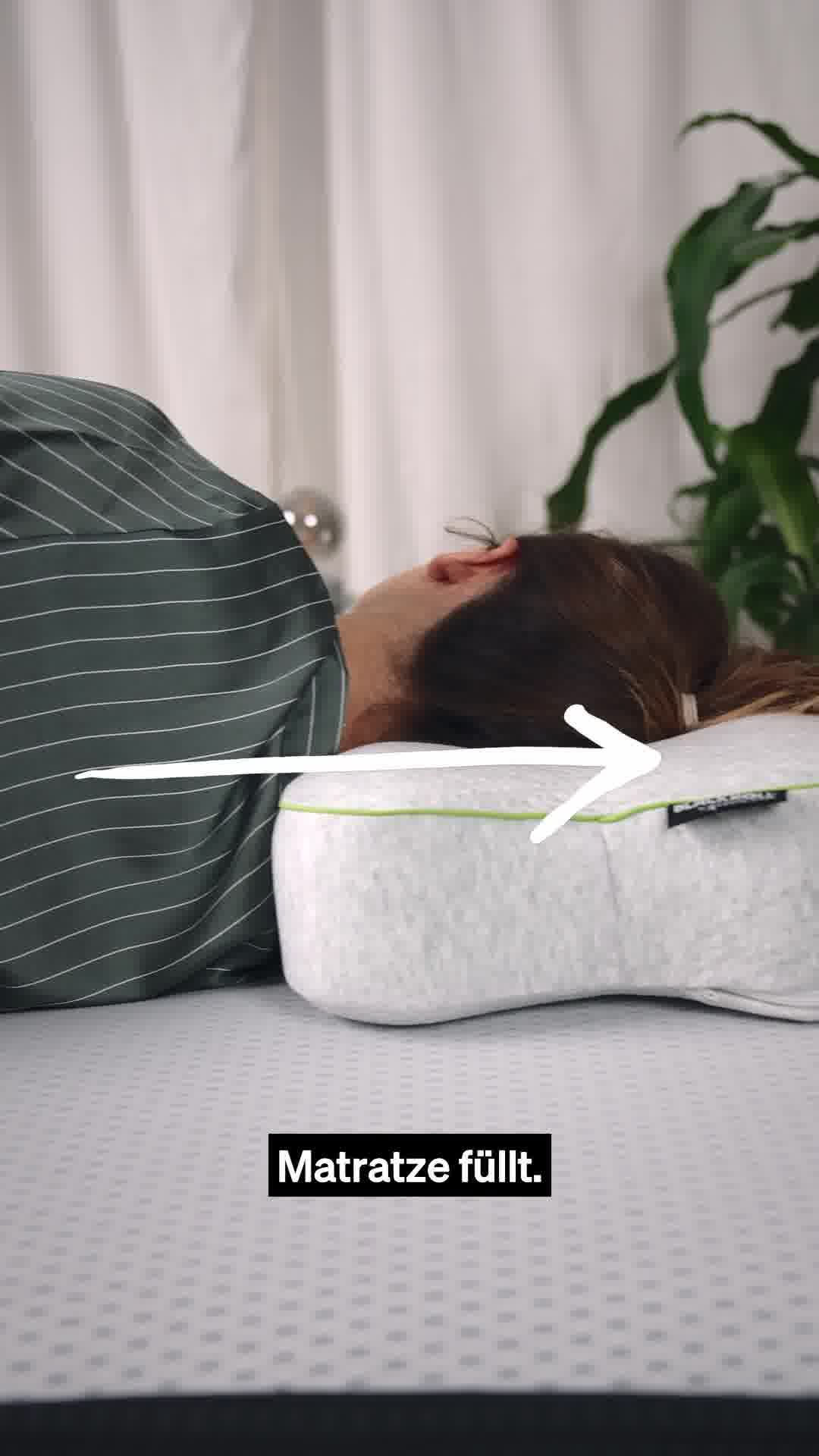
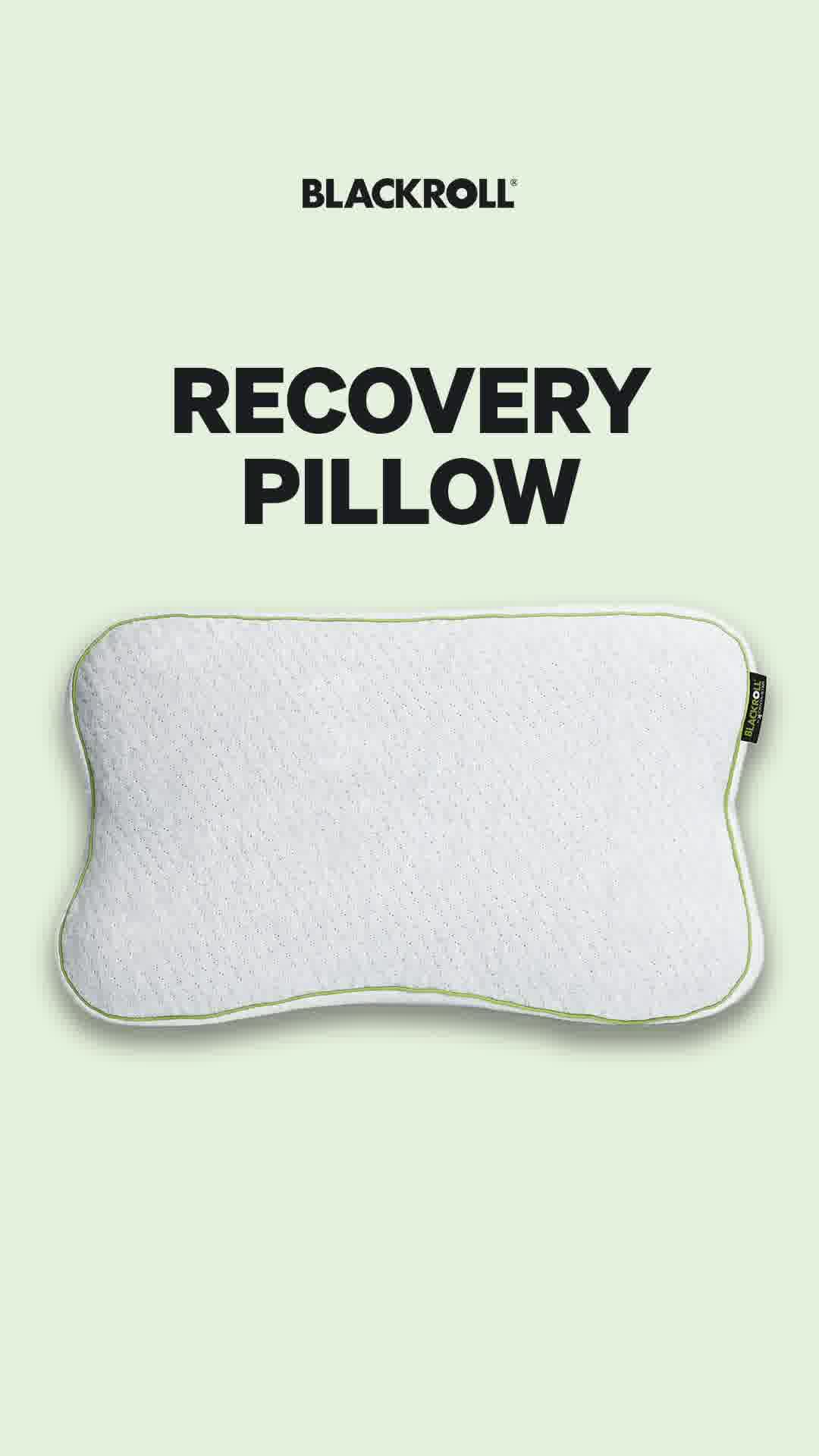
What it does. Blackroll presents a single clean shot of its Recovery Pillow floating on a pale green background, with just the logo and the words "Recovery Pillow." There is no clutter, model, or busy copy in the frame.
Why it works. The stripped-back hero shot lets the product's shape and premium feel do all the selling and reads as a confident, established brand.
Ad data. This video ad reached 12M and ran for 571 days. Gender split: 56% women / 44% men.
6. Problem, agitate, solution (PAS)
What it does. Alpensattel opens on the pain, "Vergiss Schmerzen und Taubheitsgefuehle nach einer langen Radtour," then agitates the discomfort every cyclist knows before presenting the Alpensattel 3.0 saddle as the fix, complete with a universal mount and a 30-day risk-free trial.
Why it works. Naming the exact ache first makes the viewer feel understood, so the saddle lands as the obvious relief rather than another product pitch.
Ad data. This video ad reached 16M and ran for 129 days. Gender split: 42% women / 58% men.
7. UGC video testimonial
What it does. ByAnavrin leads its gifting video with a customer's own words, "This is the best gift I've received in a long while. So relaxing, so beautiful," attributed to Faye R., letting a real review carry the hook before the product is even shown.
Why it works. A first-person testimonial reads as authentic proof, so the emotional gift claim feels earned rather than advertised.
Ad data. This video ad reached 17M and ran for 195 days, one of the highest-reach ads on this page. Gender split: 32% women / 68% men.
8. X reasons why
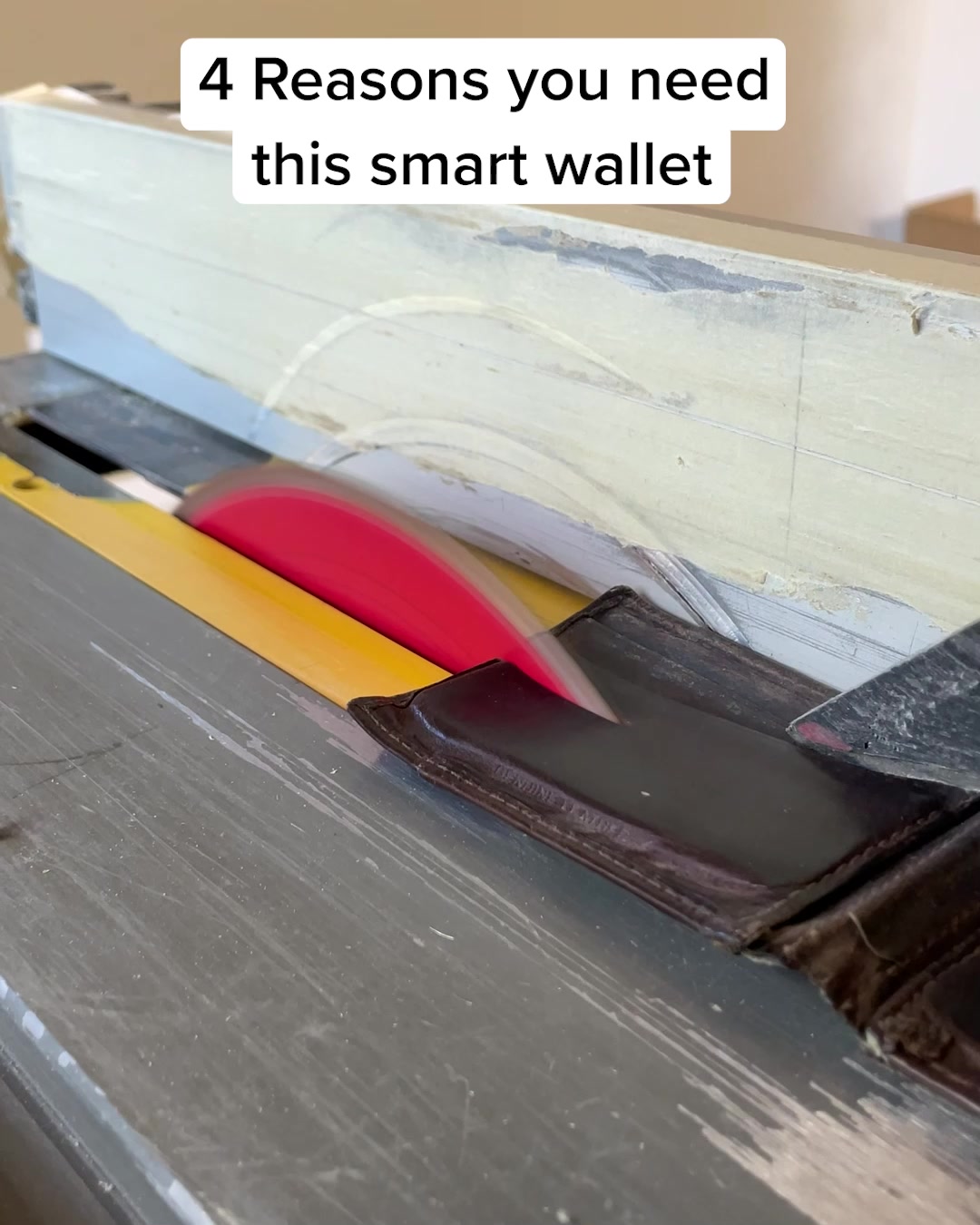
What it does. Ridge sells its wallet with a tight five-point checklist under "Upgrade Your Wallet": ultra-slim design, cash strap or money clip, RFID blocking, AirTag tracking, and a lifetime guarantee, backed by more than 80,000 five-star reviews.
Why it works. Stacking the benefits as a scannable list lets the viewer tally the reasons to buy in seconds and frames the upgrade as a rational, low-risk swap.
Ad data. This video ad reached 9.1M and ran for 78 days. Gender split: 11% women / 89% men.
9. Before and after
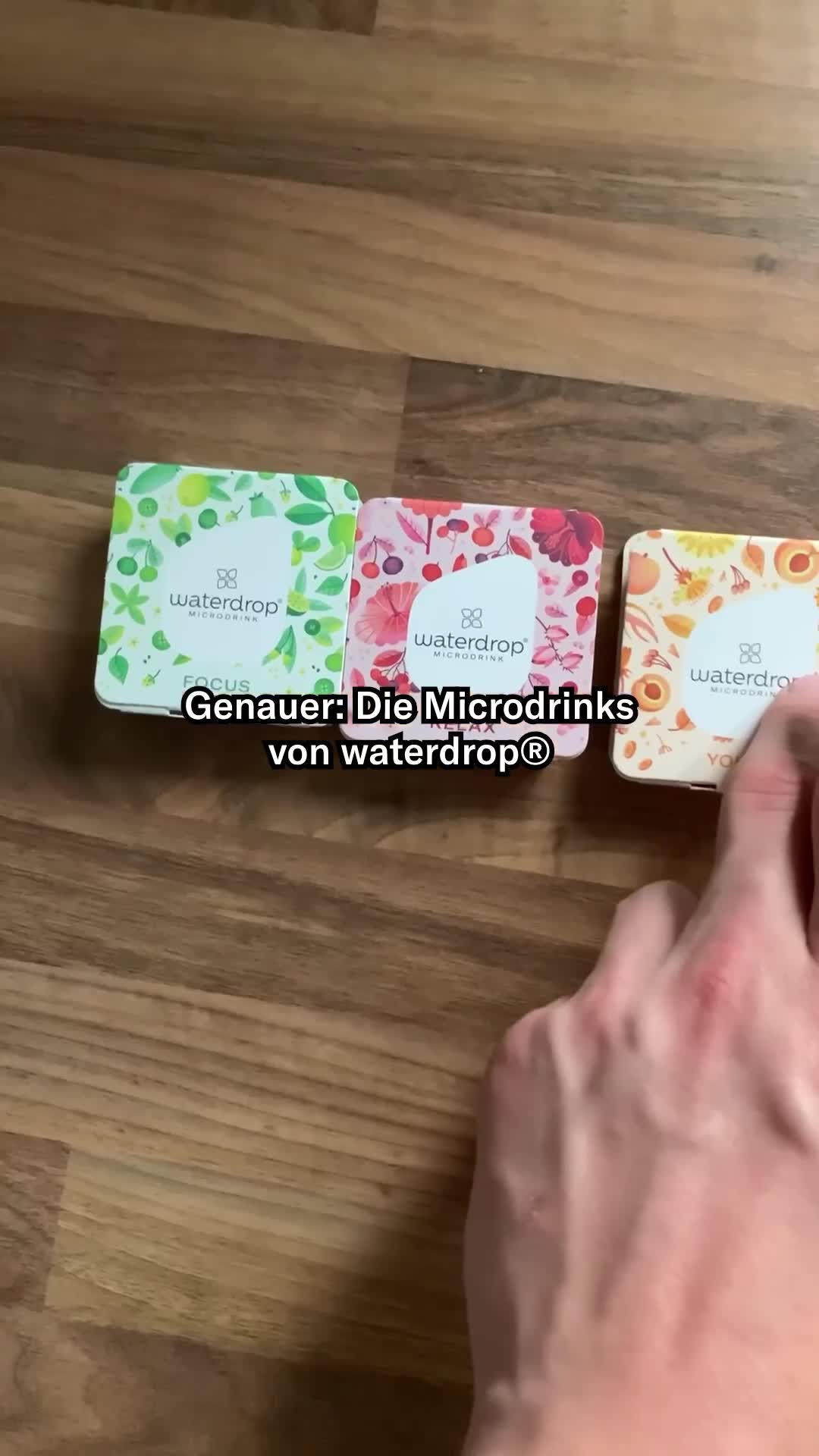
What it does. waterdrop dramatises a transformation with the equation "1 Wuerfel = 1 Getraenk": a single cube dropped into plain water turns it into a fruity, vitamin-rich, sugar-free drink on screen, showing the before and after in one motion.
Why it works. Watching plain water become a flavoured drink makes the product's value instantly visible, so the payoff sells itself without a claim.
Ad data. This video ad reached 11M and ran for 608 days, one of the longest-running ads on this page. Gender split: 47% women / 53% men.
10. Risk reversal
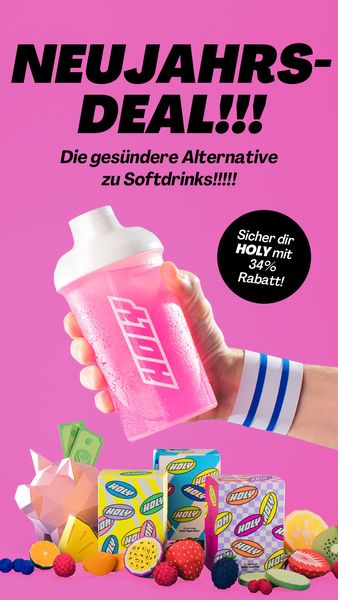
What it does. HOLY pairs a discount code with a safety net, inviting viewers to try every bestseller 35% cheaper with a 30-day money-back guarantee, so the whole pitch rests on removing the risk of trying something new.
Why it works. A money-back guarantee lowers the cost of a first order to almost nothing, which nudges hesitant buyers over the line on an unfamiliar brand.
Ad data. This image ad reached 9.1M and ran for 475 days. Gender split: 47% women / 53% men.
11. Offer and urgency
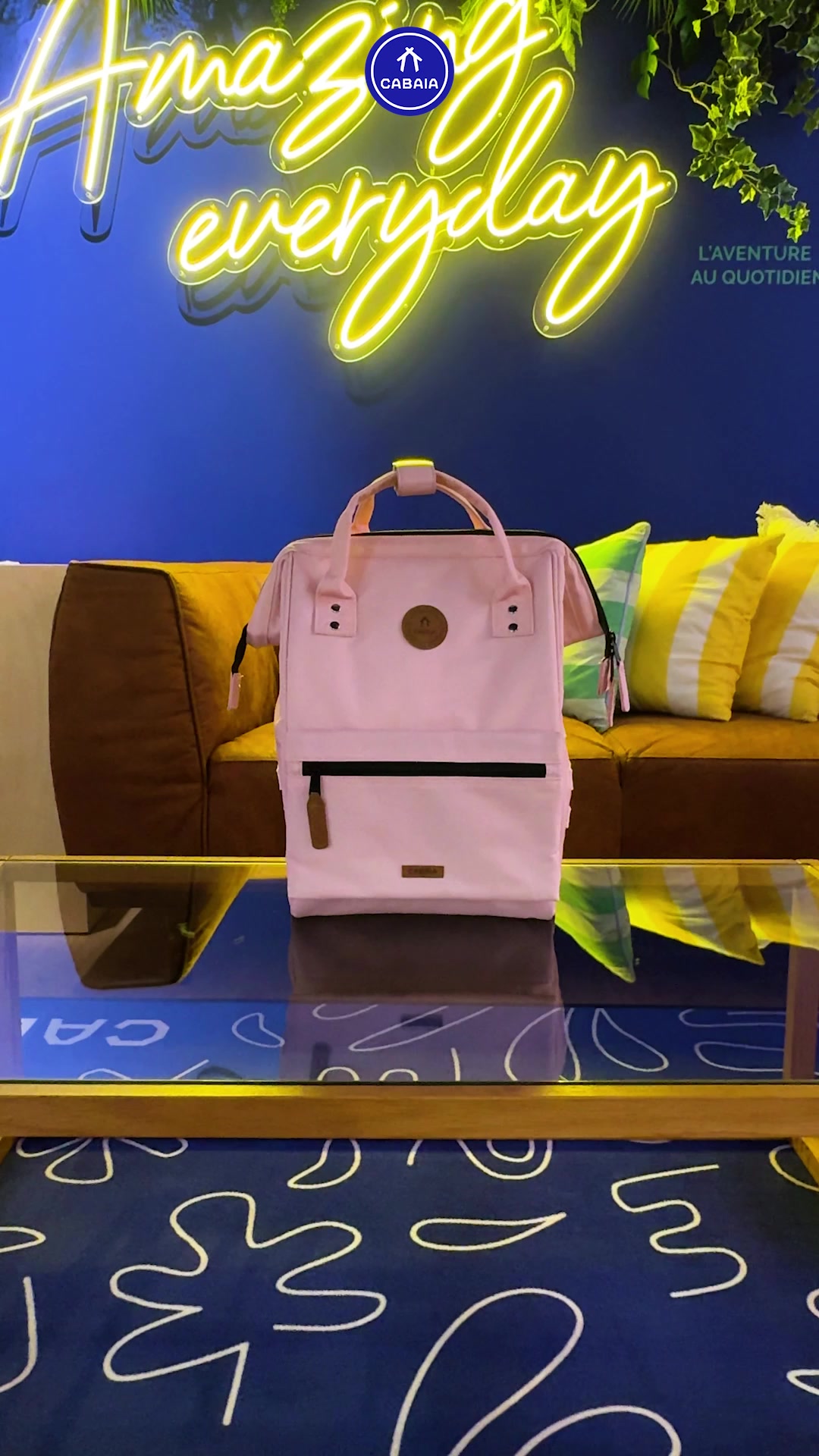
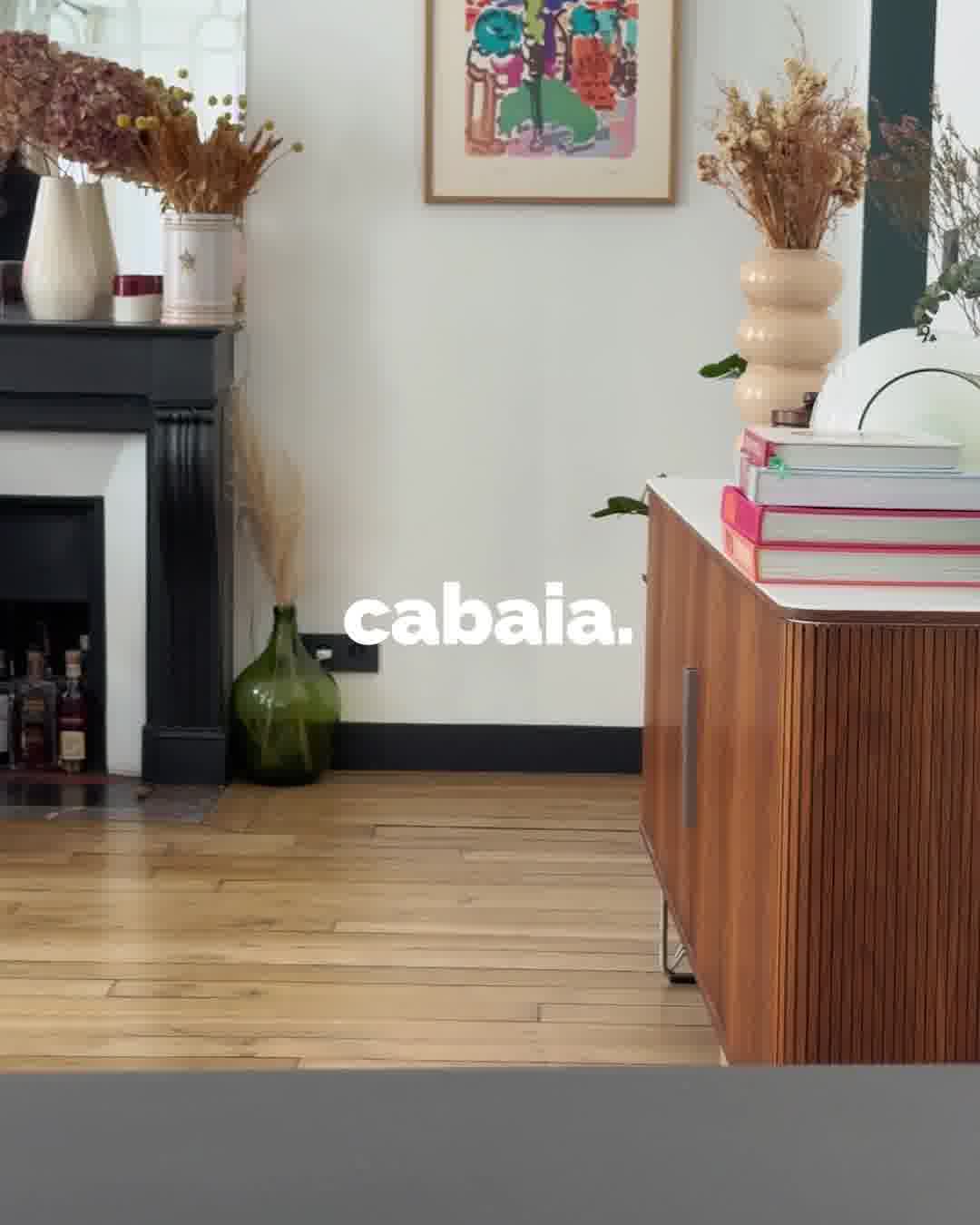
What it does. Cabaia runs a plain deadline offer, "Derniere chance : -30% sur une selection" across backpacks, laptop sleeves, and cooler bags, with a 4.8/5 rating from 193,000 verified reviews reinforcing the last-chance push.
Why it works. A clear discount plus an explicit last-chance frame creates the time pressure that converts browsers who already know the brand.
Ad data. This video ad reached 13M and ran for 23 days. Gender split: 59% women / 41% men.
DTC Brands ad best practices
- Lead with a concept, not the product. Open on a joke, a metaphor, or a bold claim so the first frame stops the scroll on its own. Tuck the product into the corner and let the idea carry the hook.
- Borrow native social and editorial layouts. Style the creative as a reply-to-comment overlay, a comment-thread reaction, or an article with a study-style headline and a read-more prompt. The familiar format lowers the viewer's guard and makes the claim feel organic.
- Show proof you can see. Put a demonstration on screen: a before-and-after diagram, a first-person patient story, or the product being pulled out and used in a split-screen. Visible evidence sells harder than a spec list.
- Map the range to a use case, then close on one CTA. Tag each product to a distinct situation so the viewer can self-select at a glance, as in a Which one do you need? lineup. End on a single button such as Take the quiz or a discount prompt rather than several competing asks.
- Match the ad to the landing page. Carry the hook, offer, and proof straight onto the product page or a dedicated landing page so the message match holds. When the page repeats what the ad promised, fewer clicks bounce and the same creative converts harder, so keep the ad and the destination in sync.
- Feed Meta clean first-party signal. Wire up server-side tracking and the Conversions API so purchases still reach Meta after iOS tracking limits. Cleaner first-party signal sharpens the algorithm's targeting and gives you honest attribution, so you can tell which creative actually earned the sale.
- Test angles at volume, then scale the survivors. Ship many hooks, offers, and formats, kill the losers fast, and pour budget into the few that keep returning. Volume is how the winning angle gets found, and the long-running ads on this page are what survives that pipeline.
- Price the offer to your margin and payback. Set the discount or bundle so the customer acquisition cost still clears the contribution margin and the average order value supports it. When repeat purchases and lifetime value carry the rest, a winning creative stays profitable as you scale it.
Where this data comes from
What you see here is a curated slice of Meta advertising, not a full census of it. Only the highest-reach Facebook and Instagram ads per industry make it in, which means the figures describe the top performers we track rather than the platform as a whole. Every reach figure is Meta-reported EU-transparency data, broken down by gender, age and country; none of it is estimated on our side. Estimated spend is the exception: we compute it from the reported reach using an assumed 5 to 30 EUR CPM.
The raw ad data is collected via top-ads.io. The Ad Library itself is a free resource from adtribute, an attribution and analytics platform that shows which channels and touchpoints actually drive your revenue.