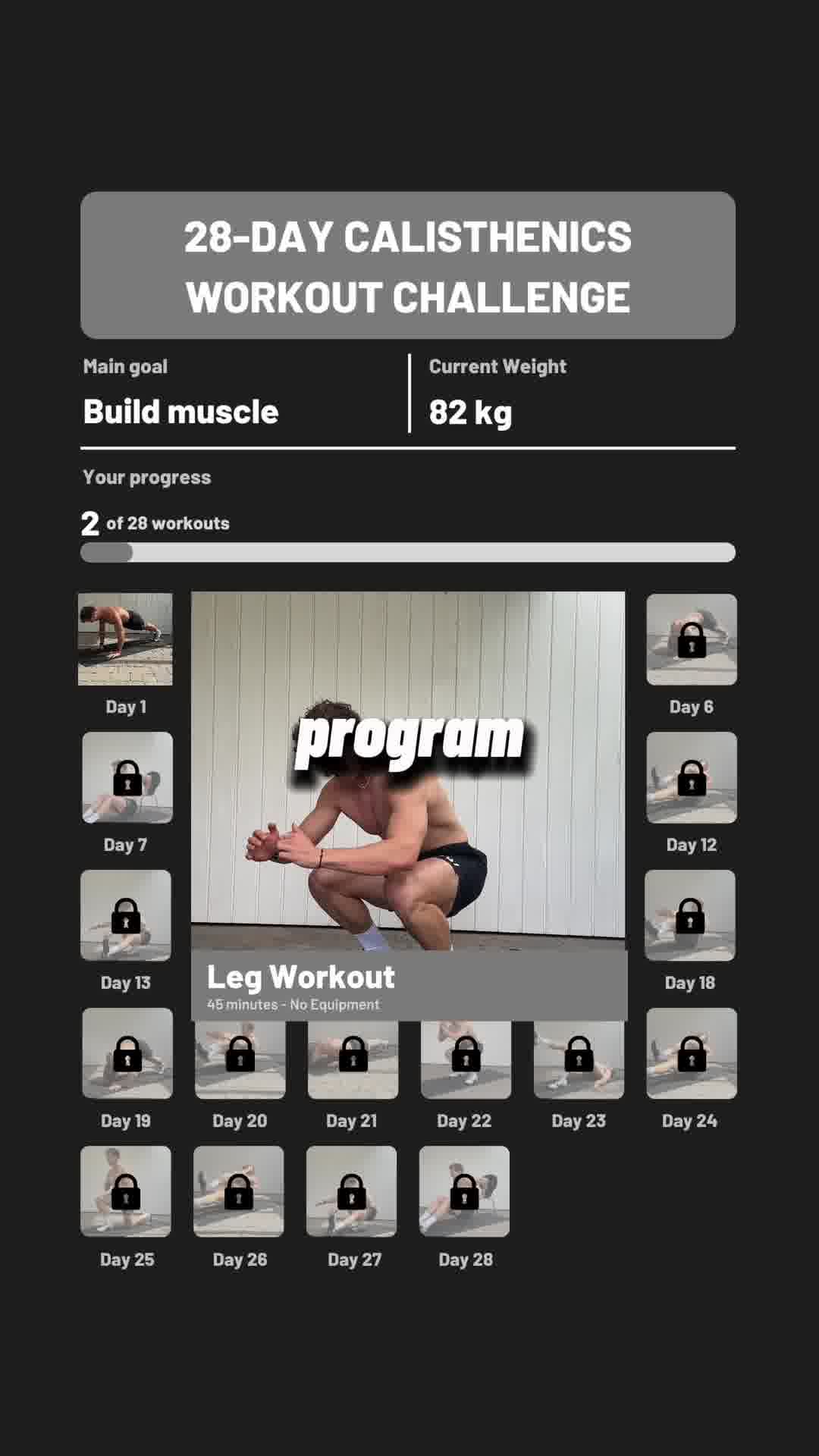
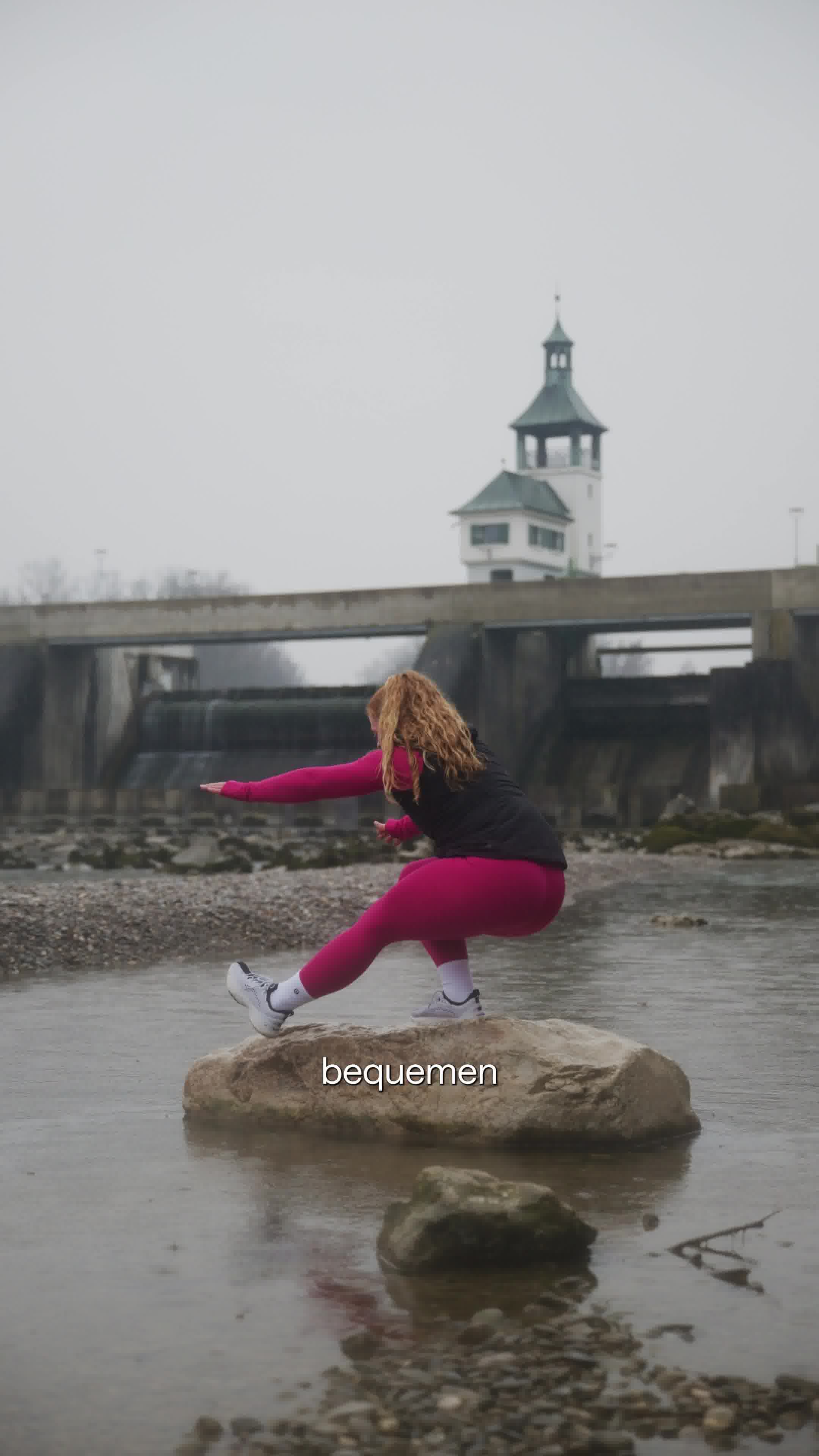

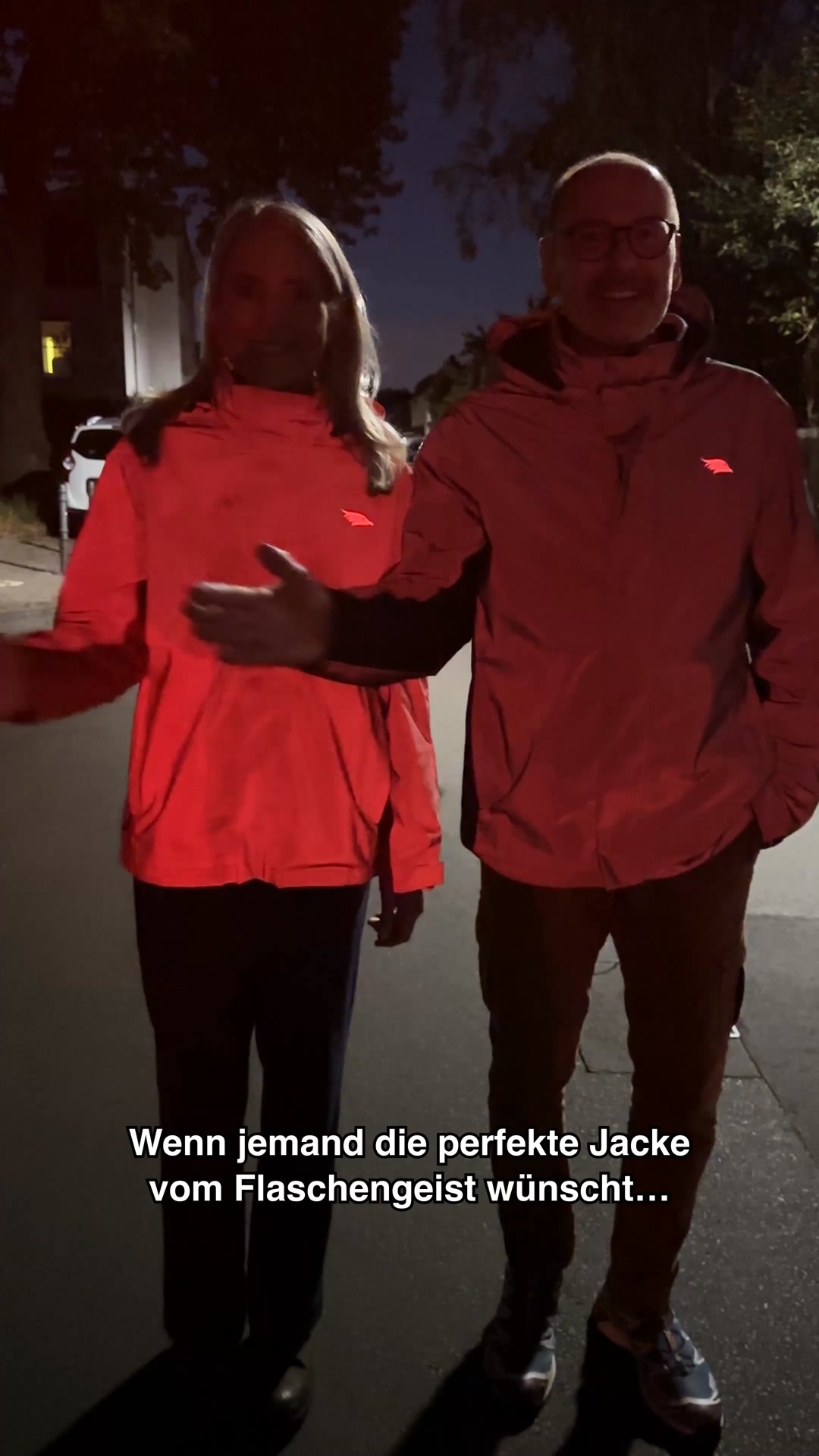

The Sport & Fitness hub gathers the highest-reach Meta ads from brands selling gym gear, workout apps, recovery tools and sports products across Facebook and Instagram. These are the fitness creatives that keep earning budget and staying live, so the patterns here are proven at scale rather than guesswork. Use them to see what a scroll-stopping workout ad actually looks like before you build your own.
Key takeaways
- Video carries this vertical. The mix runs 66% video to 34% image across 248 ads from 20 advertisers, so motion is the default for showing a body problem being solved or a workout in progress.
- Reach is broad and proven. The median ad reaches 2.6M people and the top climbs to 12M, with an average run of 170 days. Ads that keep delivering a strong return keep getting spend and stay live, so long-running fitness creatives mark tested winners.
- Demonstration beats description. The strongest workout and recovery ads point an arrow at the exact benefit or composite the live app screen over real training footage, showing the product working in a single frame instead of listing features.
- Relatable hooks pull scrollers in. A regular person in a home gym talking straight to camera, or a coach making a contrarian claim, reads as native advice rather than a polished ad and earns the click.
What makes a winning Sport & Fitness ad
A high-performing fitness ad opens on a hook the target buyer feels instantly: a nagging neck or sleep problem, a quick full-body workout squeezed into a spare minute, or a provocative claim from a named coach. It then delivers visible proof, whether that is an arrow showing an ergonomic pillow filling the gap at the neck, real footage of a lifter behind a live workout tracker, or a wall of genuine customer photos backing a big adoption number. The offer is concrete and easy to say yes to, from a low monthly subscription price to a one-minute quiz. A single clear call to action closes it, sending the viewer to start the plan, take the quiz or shop the product.
What the top Sport & Fitness ads look like
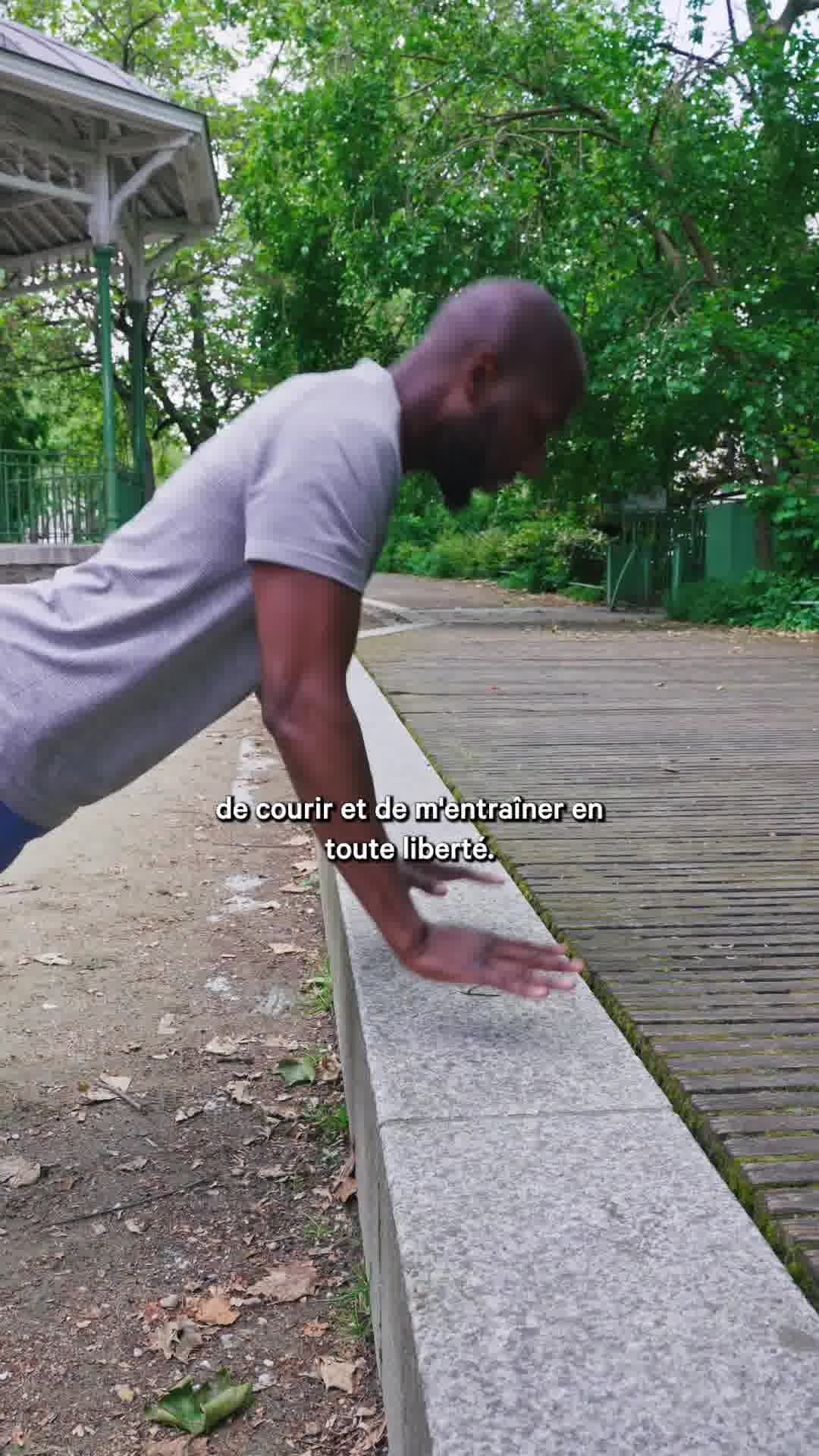
Scan the highest-reach ads here and you see real people in motion: a sleeper on a recovery pillow, a lifter mid lat pulldown, a coach talking to camera on the gym floor, an ordinary guy filming himself in a home gym. On-screen text and bold arrows label the benefit directly, and the product is shown in use or in extreme close-up, like a hand opening a hidden zip pocket on a gym towel. Price-led ads swap this for bright posters with a hard monthly figure and a percentage-off badge over a grid of colourful class thumbnails, while single-product reveals frame the hero item clean and centred against dramatic graphics. Across the hub the split runs 66% video to 34% image, so most of what you scroll past is moving footage.
Prefer one format? Filter this page to Fitness video ads or Fitness image ads only.
Winning ad frameworks in Fitness
The highest-reach Fitness ads reuse a handful of proven creative frameworks. Here are the ones that stand out here, each with a real example you can play or open in full.
1. Neck-support arrow demo
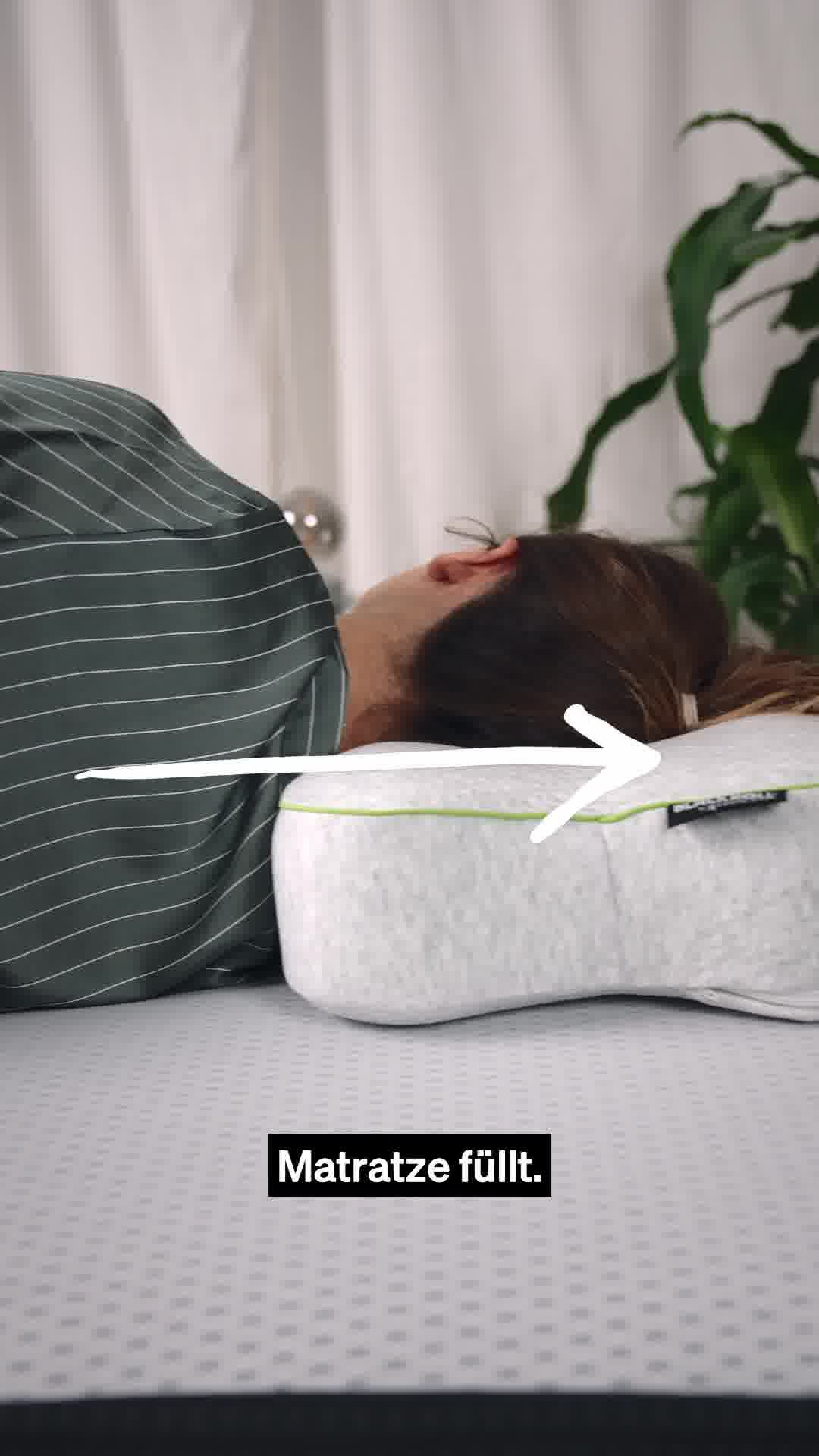
What it does. A sleeper lies on the ergonomic recovery pillow while a bold white arrow and the caption 'Matratze fuellt' point straight at how the pillow fills the gap and supports the neck. It shows the product solving a body problem in one frame rather than describing it.
Why it works. Seeing the neck cradled with an arrow makes an invisible ergonomic benefit obvious and believable, which is exactly what a recovery buyer needs to see.
Ad data. This video reached about 12M and ran for 760 days, the longest run of any candidate in the set. Gender split: 53% women / 47% men.
2. Coach quiz myth-buster
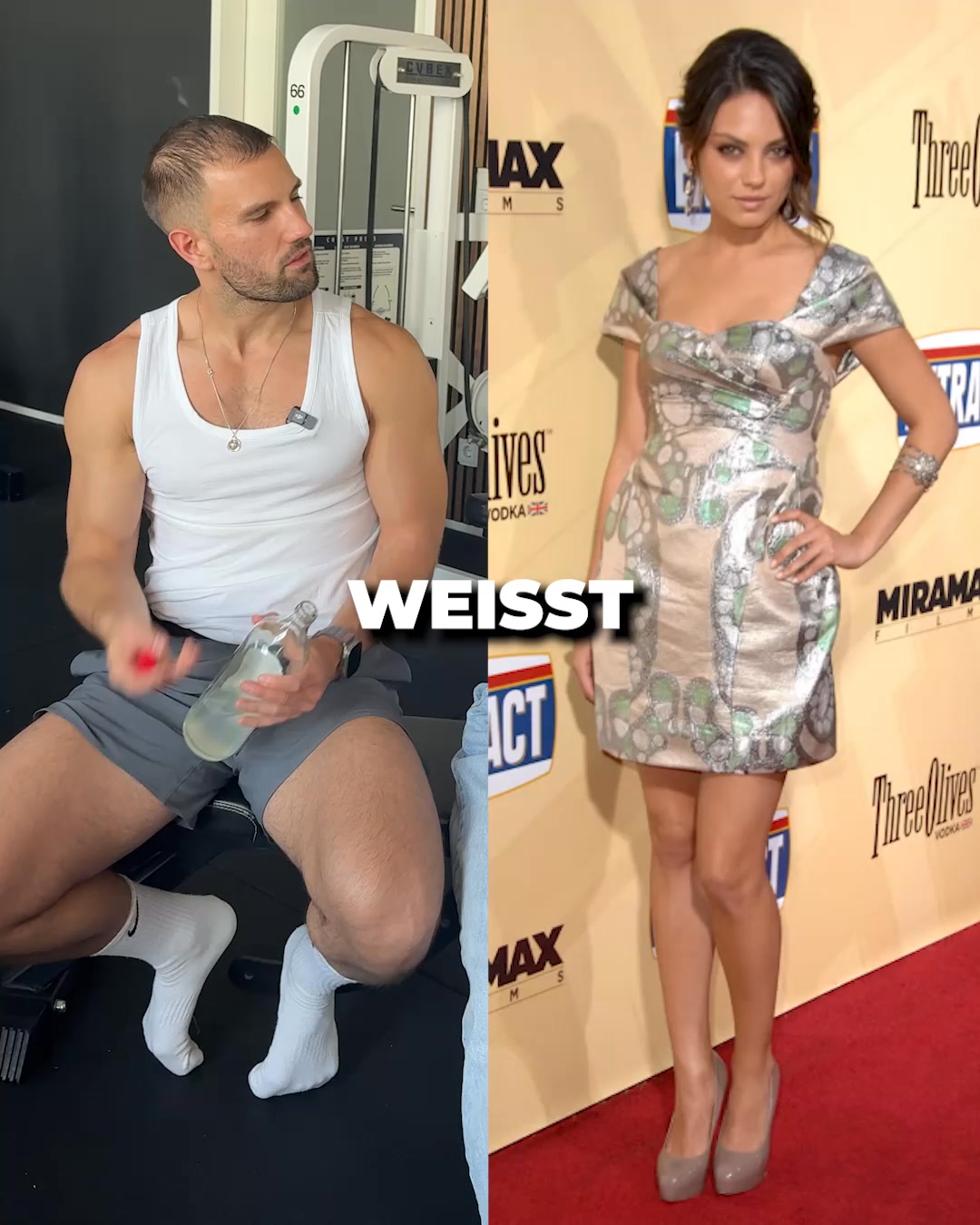
What it does. A split screen pairs a fitness coach talking to camera in the gym with a celebrity red-carpet shot and a punchy text overlay, opening the '1-Minuten Quiz zur Traumfigur' funnel by claiming calorie calculators are wrong. The coach persona plus a provocative claim pulls viewers into a quiz.
Why it works. A named coach making a contrarian claim feels like advice not an ad, and the quiz promise gives an easy low-friction next step.
Ad data. This video reached about 9.0M over 141 run days, the highest reach among the coach-led quiz variants. Gender split: 57% women / 43% men.
3. Sneak-a-workout relatable hook
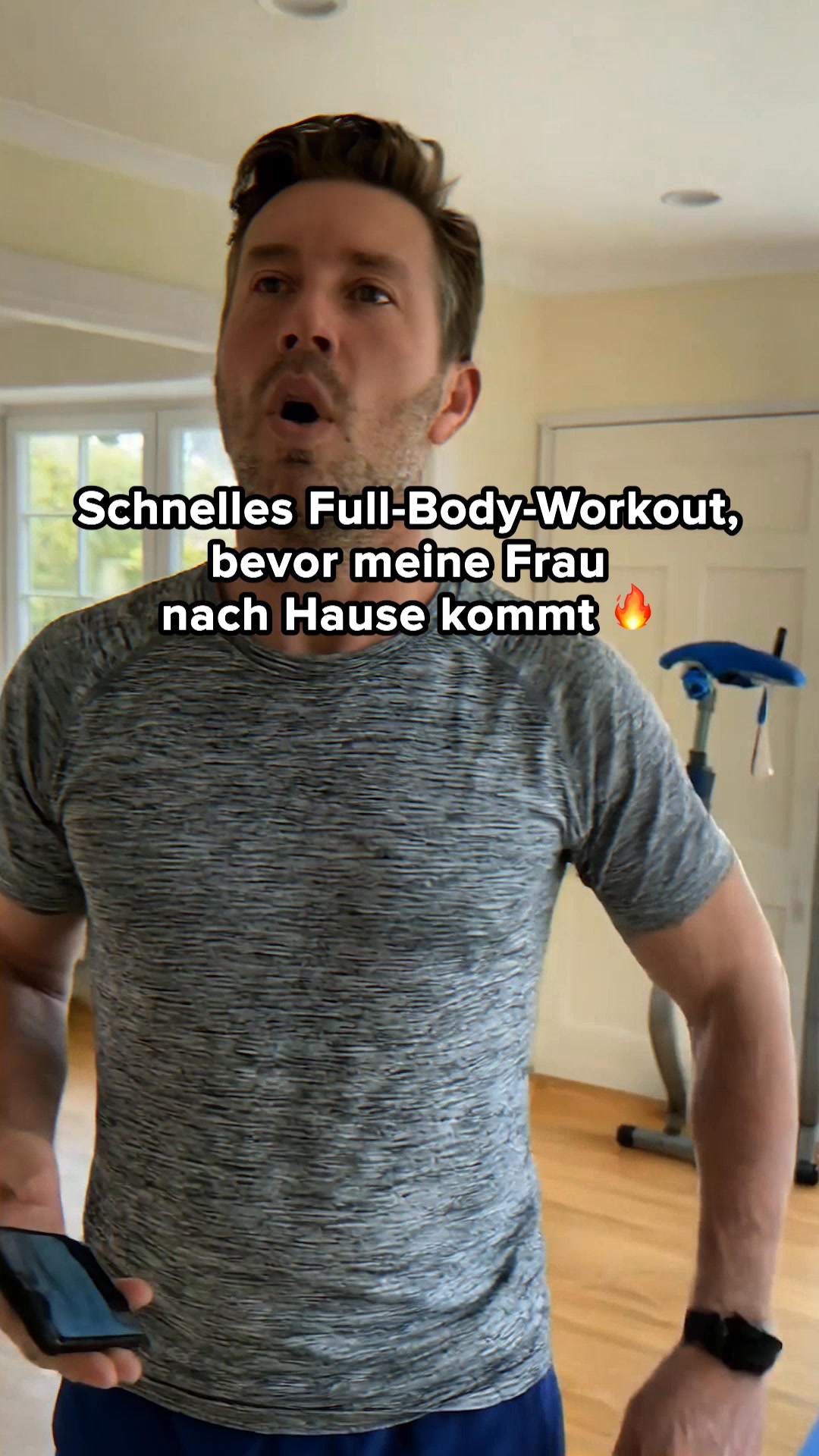
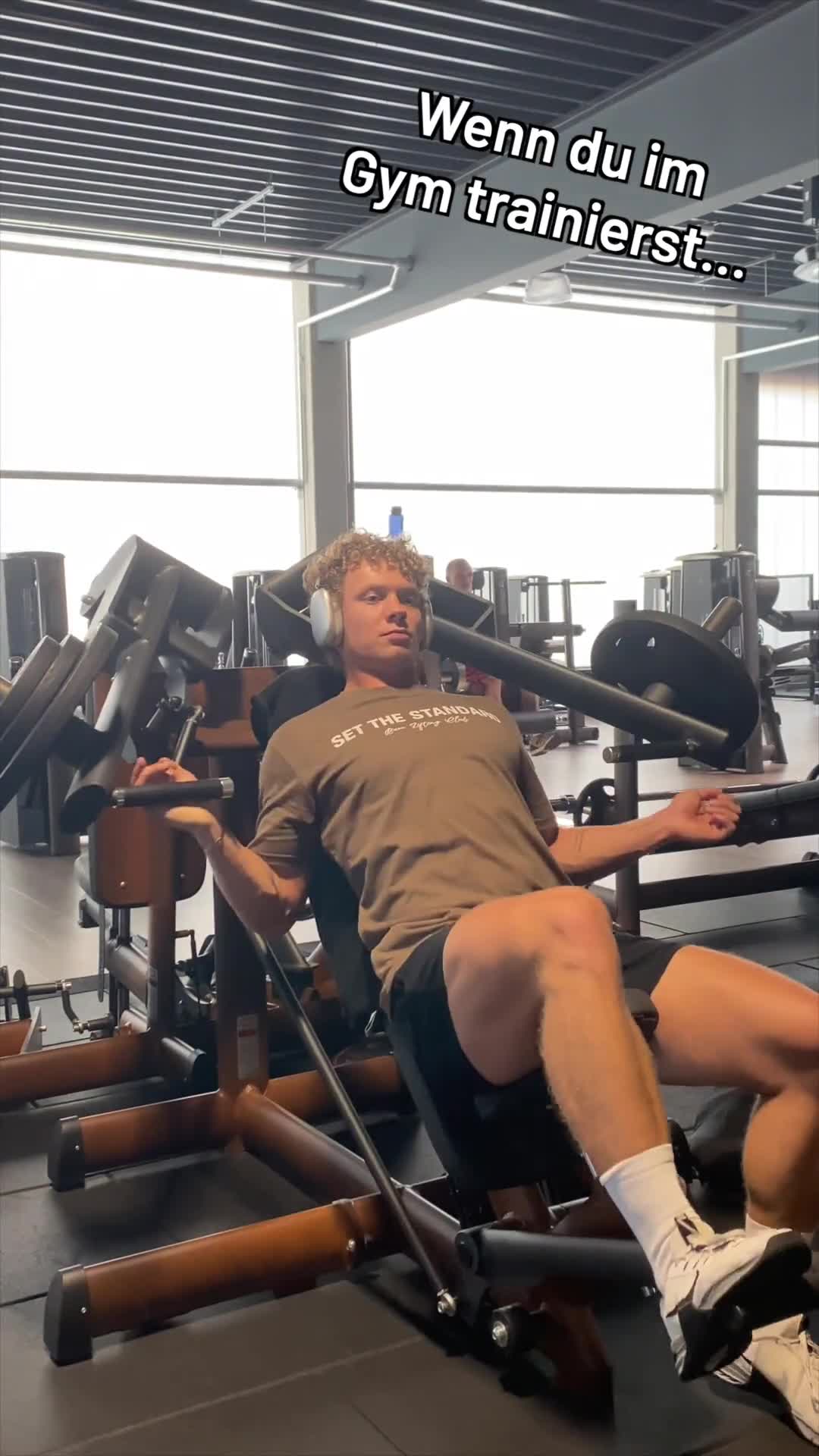
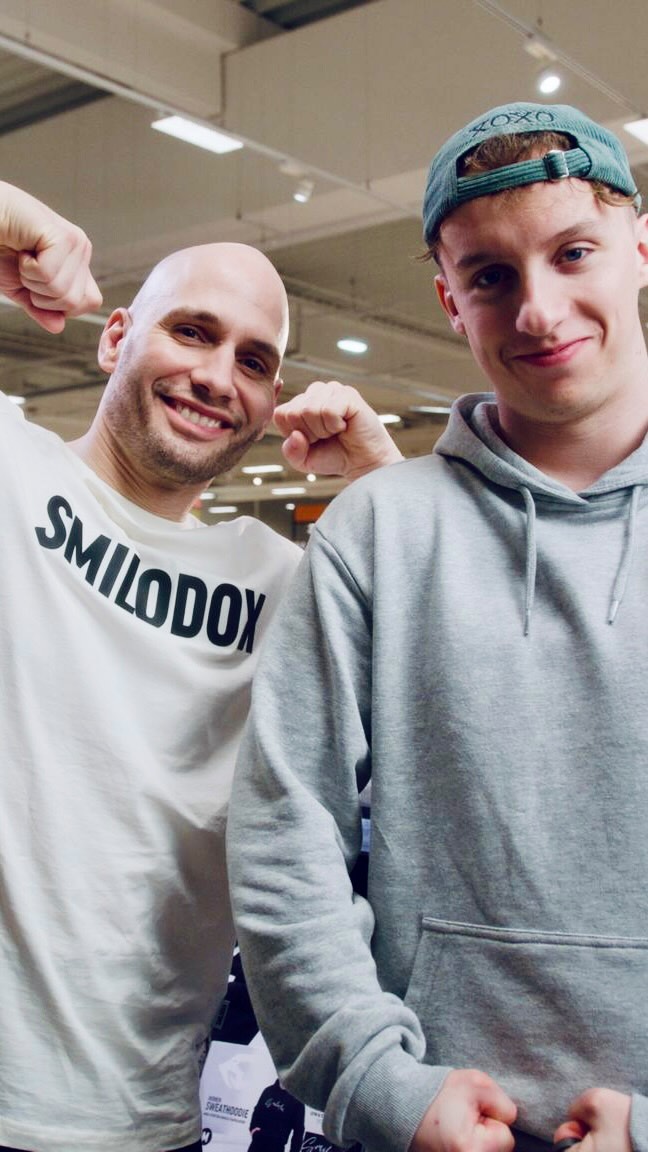
What it does. A regular guy stands in his home gym speaking straight to camera under the caption 'Schnelles Full-Body-Workout, bevor meine Frau nach Hause kommt', framing the app around a relatable everyday moment. It sells the app through a candid personal scenario rather than features.
Why it works. An unpolished, funny real-life setup feels native to the feed and makes at-home training feel easy and human.
Ad data. This video reached about 7.6M in the library. Gender split: 19% women / 81% men.
4. Live app screen over real workout
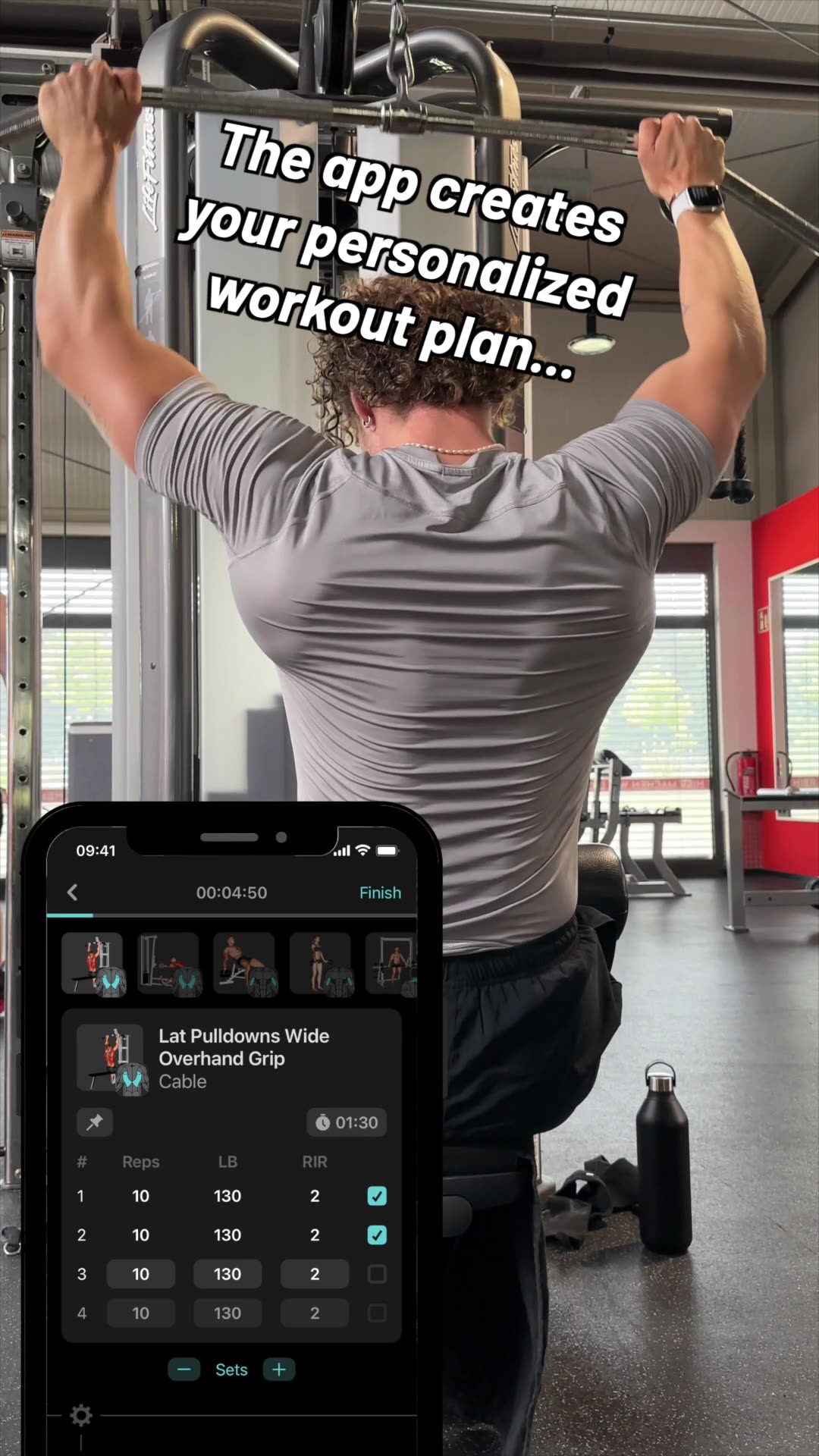
What it does. Real footage of a lifter doing lat pulldowns runs behind a phone showing the app's live workout tracker with sets, reps and weights, under the caption 'The app creates your personalized workout plan'. It composites the actual product UI onto a real training scene.
Why it works. Showing the working app screen next to a real workout proves the tool exists and is genuinely usable, cutting the risk of an abstract app pitch.
Ad data. This video reached about 4.5M over 340 run days. Gender split: 26% women / 74% men.
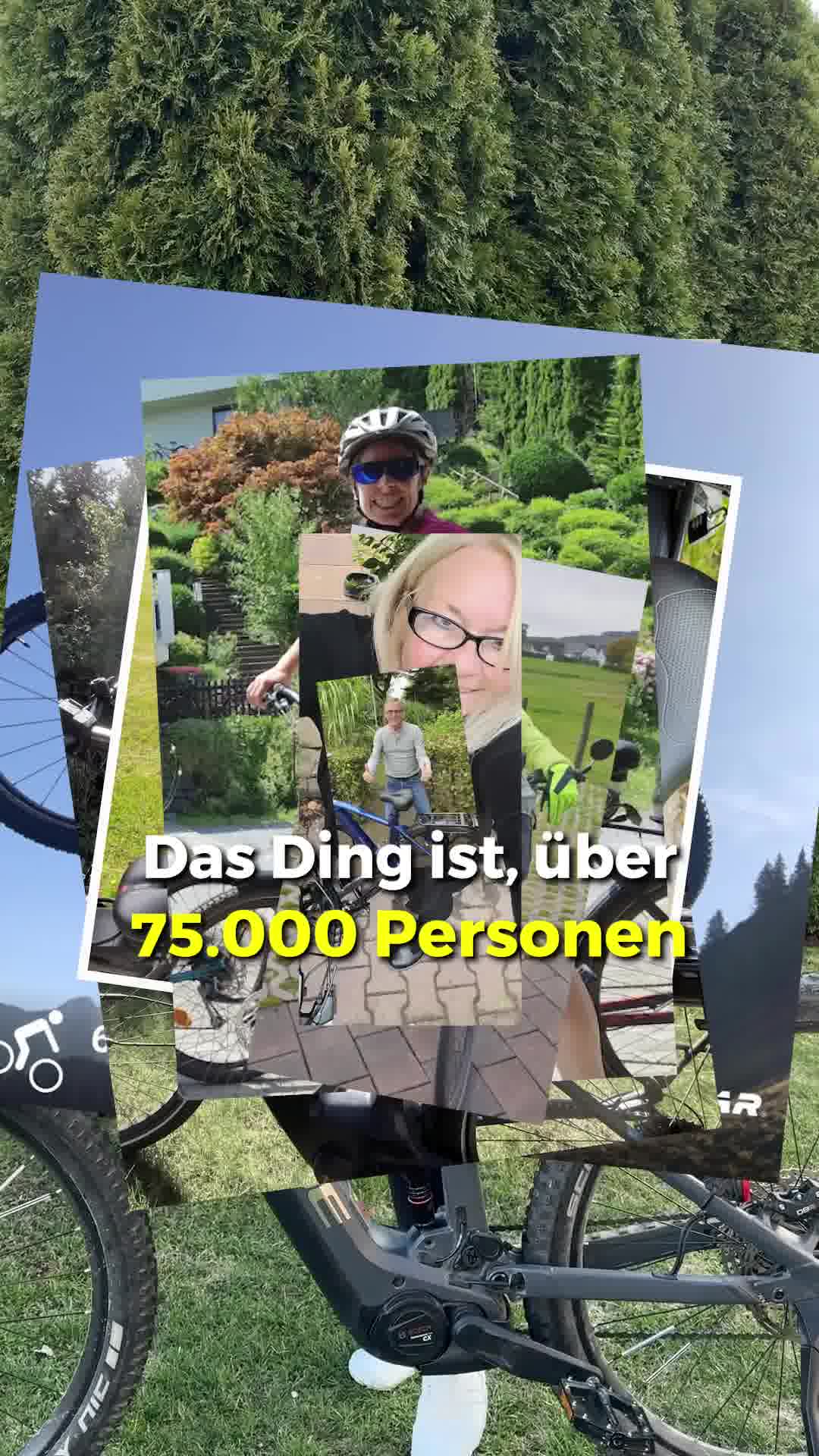
5. Customer photo-wall proof
What it does. Layered real customer selfies of older riders on their bikes stack up over the product with the caption 'Das Ding ist, ueber 75.000 Personen', turning buyers into the visual. The pile of authentic user photos carries the message of mass adoption.
Why it works. A wall of ordinary customers with a big number reads as trustworthy social proof, especially for an older comfort-seeking audience.
Ad data. This video reached about 5.6M over 393 run days. Gender split: 50% women / 50% men.
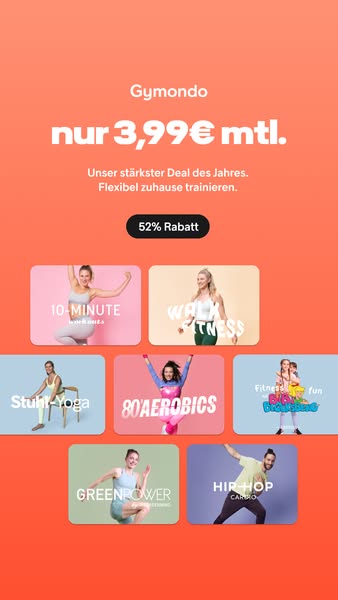
6. Home-fitness price slam
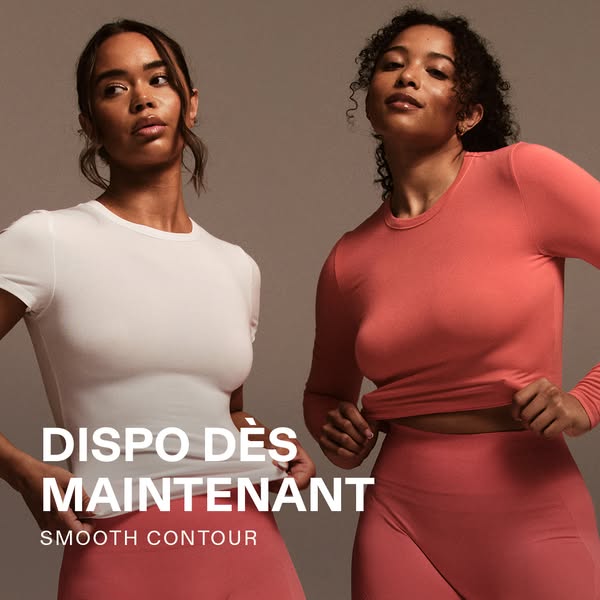
What it does. A bright poster leads with 'nur 3,99 EUR mtl.' and a '52% Rabatt' badge over a grid of colourful workout class thumbnails. The discounted monthly price is the hook, with the class variety as support.
Why it works. A hard price and percentage-off badge give an instant reason to act now, ideal for a subscription app fighting on value.
Ad data. This image reached about 4.5M in just 20 run days, one of the shortest runs in the set. Gender split: 37% women / 63% men.
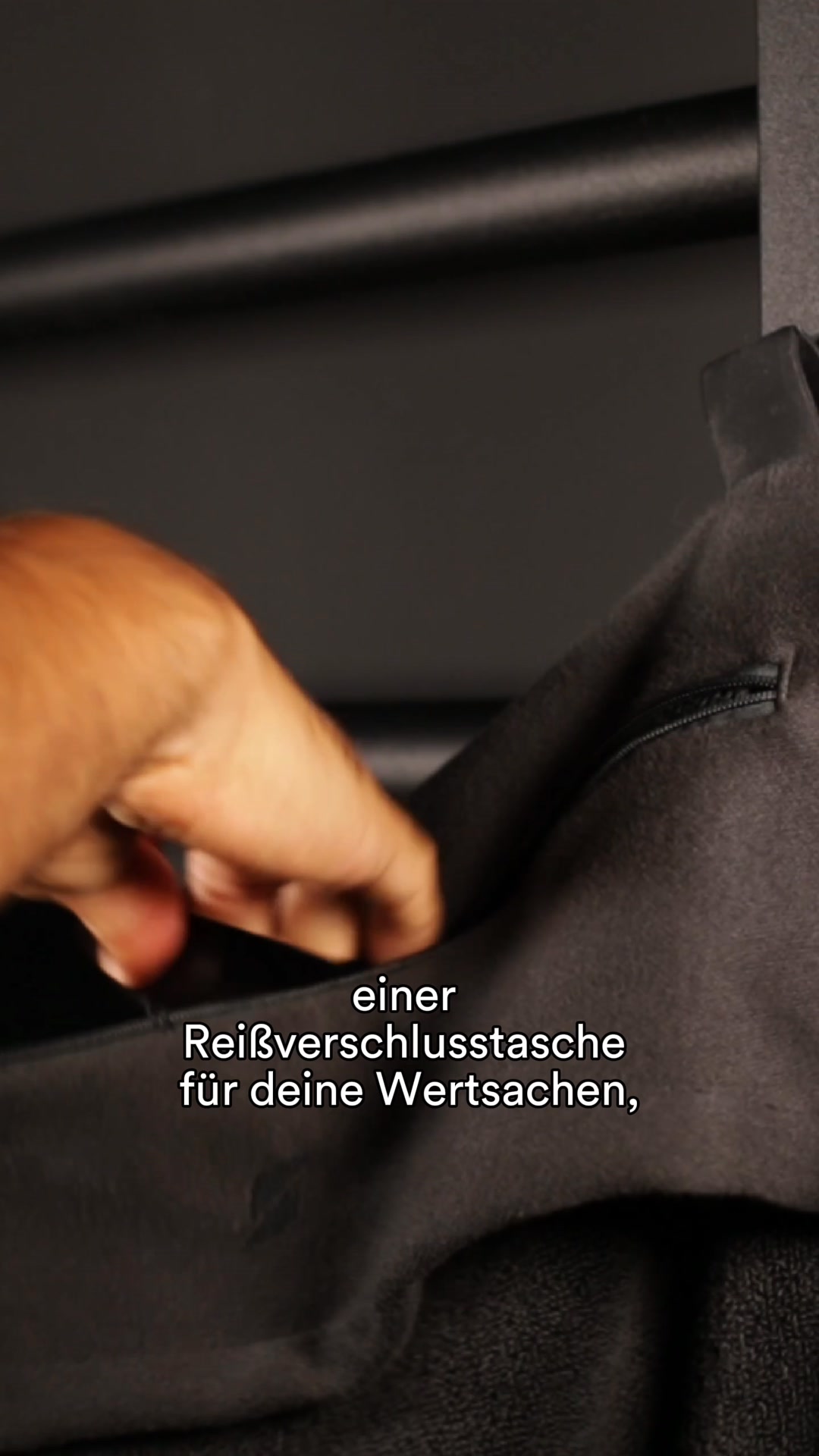
7. Hands-on gadget close-up
What it does. A tight close-up shows a hand opening the gym towel's hidden zip pocket while the caption 'einer Reissverschlusstasche fuer deine Wertsachen' names the feature. It walks through one clever product detail in extreme detail.
Why it works. Zooming in on the actual mechanism proves the 'smarter towel' claim and, with the 'Hoehle der Loewen' bestseller angle in the copy, borrows credibility.
Ad data. This video reached about 5.6M over 143 run days. Gender split: 64% women / 36% men.
8. Match-ball hero reveal
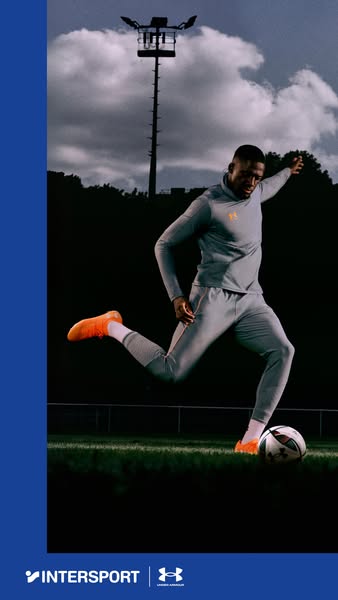
What it does. The new Bundesliga match ball sits centre-frame against dramatic red and blue paint-splash graphics with no clutter. It is a pure hero product beauty shot built to stop the scroll.
Why it works. A bold, clean single-product reveal signals a premium, must-have release and lets the design and Bundesliga tie-in speak for themselves.
Ad data. This video reached about 4.0M over 21 run days. Gender split: 35% women / 65% men.
9. Product-in-context with promo code
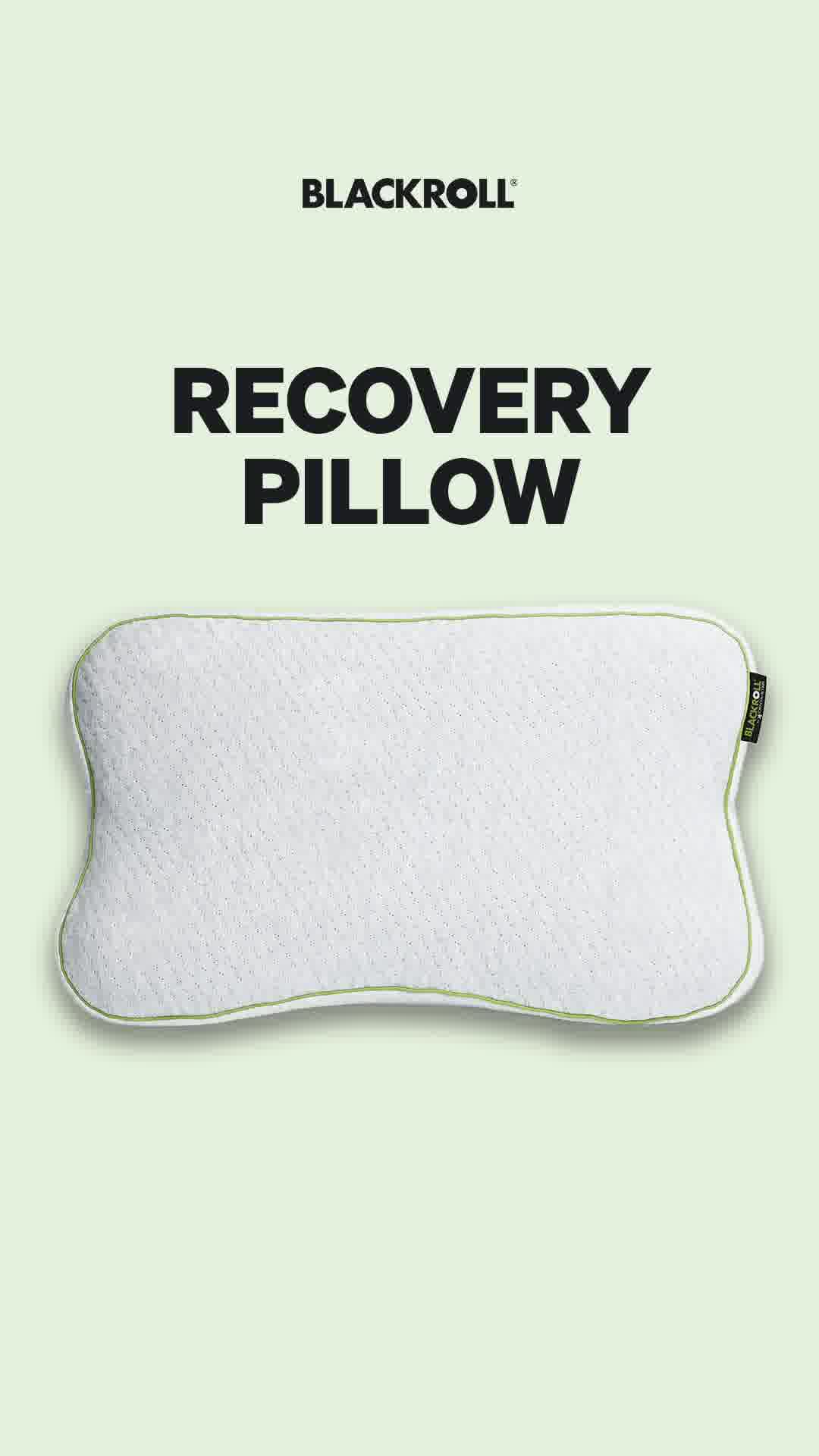
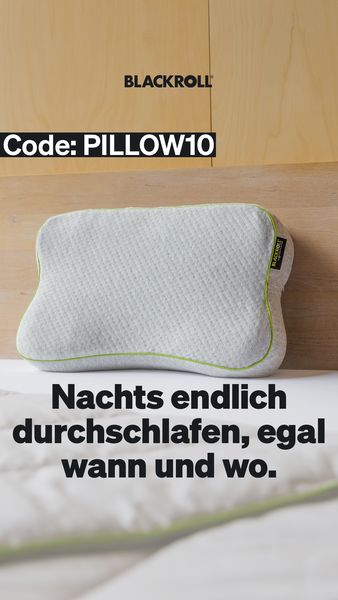
What it does. A clean shot stages the recovery pillow on a made bed against a warm wood headboard, with the brand mark up top, a benefit line about finally sleeping through the night, and a discount-code badge in the corner.
Why it works. Showing the product exactly where it is used makes the benefit tangible, while the visible code adds a trackable, low-friction reason to click now.
Ad data. Reached 9.7M over an exceptional 866-day run, one of the longest-running ads in the whole library. Gender split: 52% women / 48% men.
Sport & Fitness ad best practices
- Show the body problem being solved. Point an arrow or overlay at the exact benefit in frame, like a pillow cradling the neck, so an invisible ergonomic or recovery claim becomes obvious and believable in one shot.
- Open on a relatable everyday moment. Start with a candid scenario a viewer recognises, such as a fast workout squeezed in before someone gets home, filmed unpolished so it feels native to the feed rather than staged.
- Composite the live product over real training. Run genuine gym footage behind a phone showing your app's actual workout tracker with sets, reps and weights, proving the tool exists and is usable instead of pitching it in the abstract.
- Stack authentic customer proof. Layer real user selfies and a big adoption number on screen so buyers see themselves in the ad, then close on one clear call to action to start the plan or shop the product.
About this dataset
This page draws on a curated dataset rather than a complete archive of every Meta ad. Only the highest-reach Facebook and Instagram ads per industry make it in, which means the figures describe the top performers we track rather than the platform as a whole. Reach comes straight from Meta: it is the figure the Meta Ad Library reports under EU transparency rules, with its gender, age and country breakdown, and we do not model or adjust it. Only the estimated spend is our own calculation, derived from that reported reach at an assumed 5 to 30 EUR CPM.
The raw ad data is collected via top-ads.io. The Ad Library itself is a free resource from adtribute, the marketing attribution and analytics platform that shows which of your own ads actually convert.