




The highest-reach Garden ads on Meta turn everyday outdoor problems into visible, provable payoffs, from moss pulled straight out of a lawn to a louvre roof opening at the touch of a button. Across this snapshot the split is close to even, with image creative edging out video, so both a striking still and a short demo clip earn their place. What ties the winners together is proof you can see: a plant in full bloom, a test verdict, a chore made effortless.
Key takeaways
- Image and video sit almost even. The format mix is 52% image to 48% video, so a single strong still competes on the same footing as a demo clip. Plan for both rather than defaulting to one.
- Reach runs deep. Median reach across these Garden ads is 1.4M, and the top performer hits 7.8M. The 250 ads come from 12 distinct advertisers, so a focused set of creative ideas travels a long way.
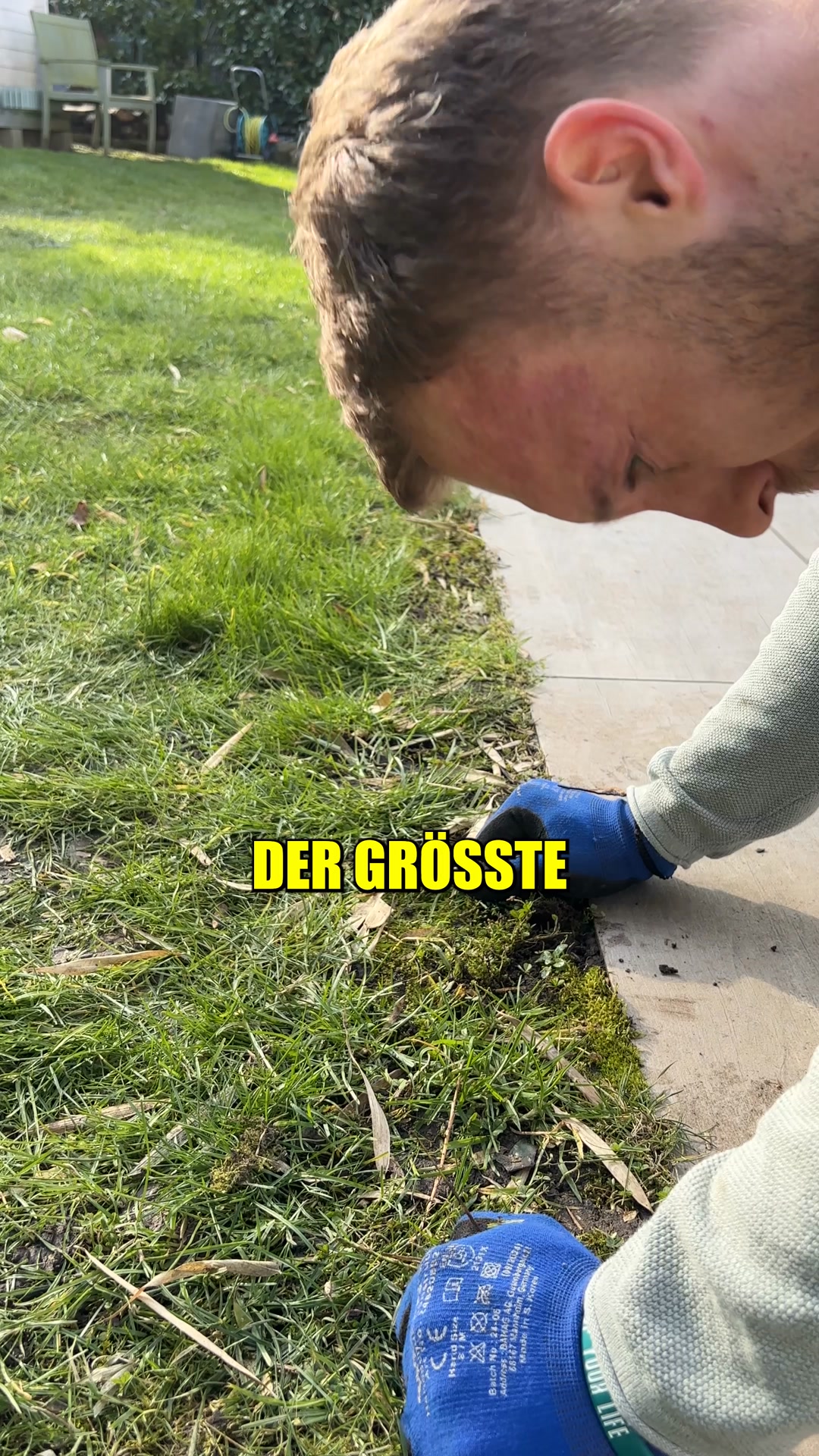
- Show the problem in your hand. The strongest hooks make the pain physical, like a fistful of raked-out moss and weeds held over the grass before the fix is pitched. Tangible proof of the problem makes the promised result feel earned.
- Let the product carry the frame. Clean hero shots of a robot mower on a flawless lawn or a bloom filling the whole frame sell desire with almost no clutter. The device design or the flower itself becomes the message.
What makes a winning Garden ad
A winning Garden ad opens on a hook that is either a visible problem or an aspirational payoff: moss lifted out of a lawn, a strained gardener hand-watering the slow way, or a dictionary-style definition of a home holiday. It then delivers proof, whether that is a real homeowner operating an electric louvre roof in a lived-in backyard, an independent test verdict badge, or a five-star buyer quote beside a saturated plant portrait. The offer lands as obvious relief or clear desire, framed as the smarter new way against a tedious old one. A direct call to action closes it, pointing viewers straight to order the product or fix the problem they just watched.
What the top Garden ads look like
Scan the highest-reach Garden ads and you see two recurring looks. The first is the demonstration: phone-shot, lived-in footage in a real backyard where a homeowner rakes moss from the grass, reaches up to open a pergola roof, or waters plants, with plain-language captions overlaid frame by frame. The second is the clean hero still: a single product alone on a flawless green lawn, a premium grill lit dark and dramatic with a test-verdict seal, or a vivid bloom shot in catalogue-style close-up that fills the entire frame. On-screen text stays short and benefit-led, and trust signals like star ratings and customer counts ride in the copy. The mix leans slightly to stills, at 52% image against 48% video.
Prefer one format? Filter this page to Garden video ads or Garden image ads only.
Winning ad frameworks in Garden
The highest-reach Garden ads reuse a handful of proven creative frameworks. Here are the ones that stand out here, each with a real example you can play or open in full.
1. Weed-clump problem proof
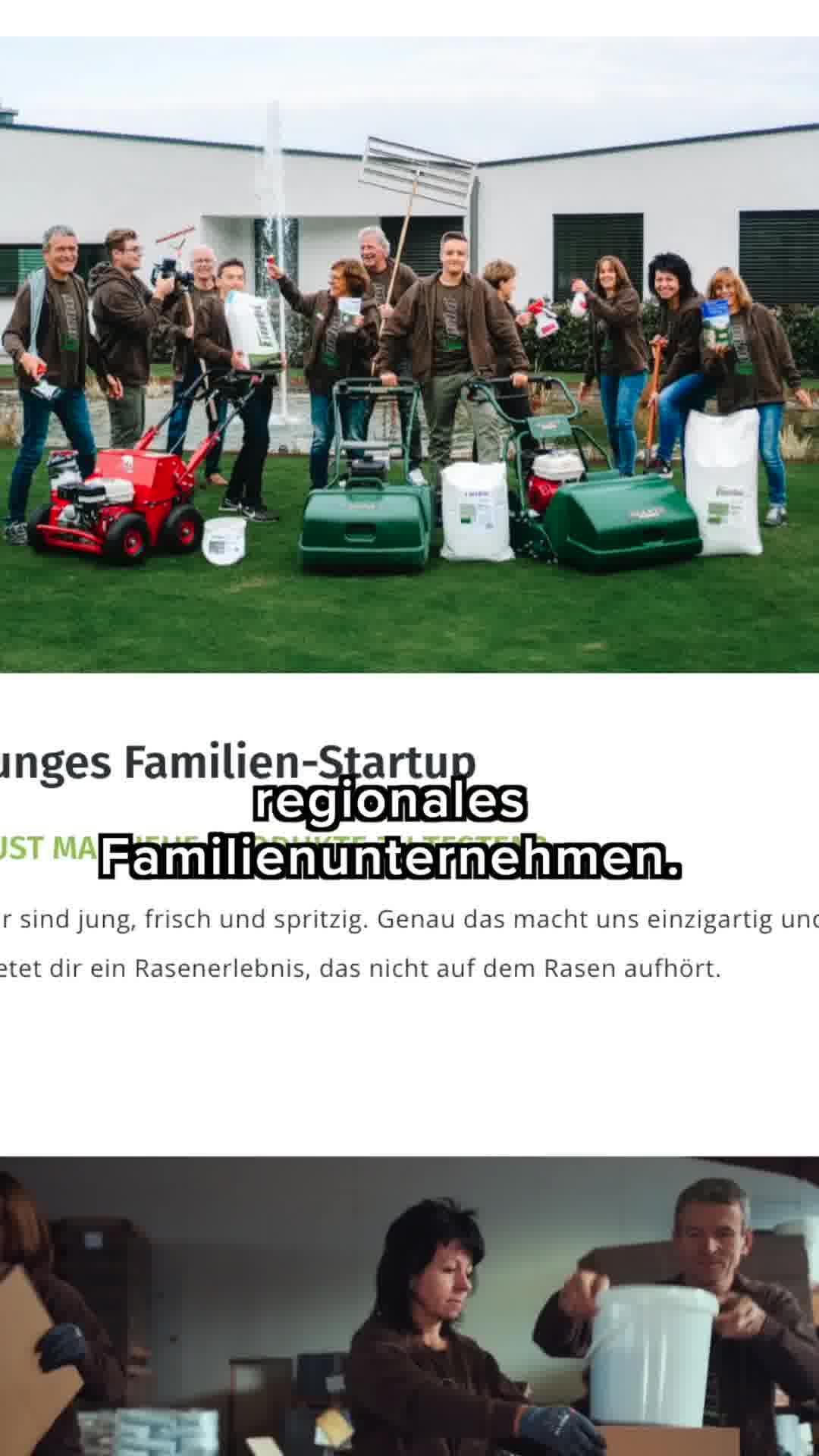
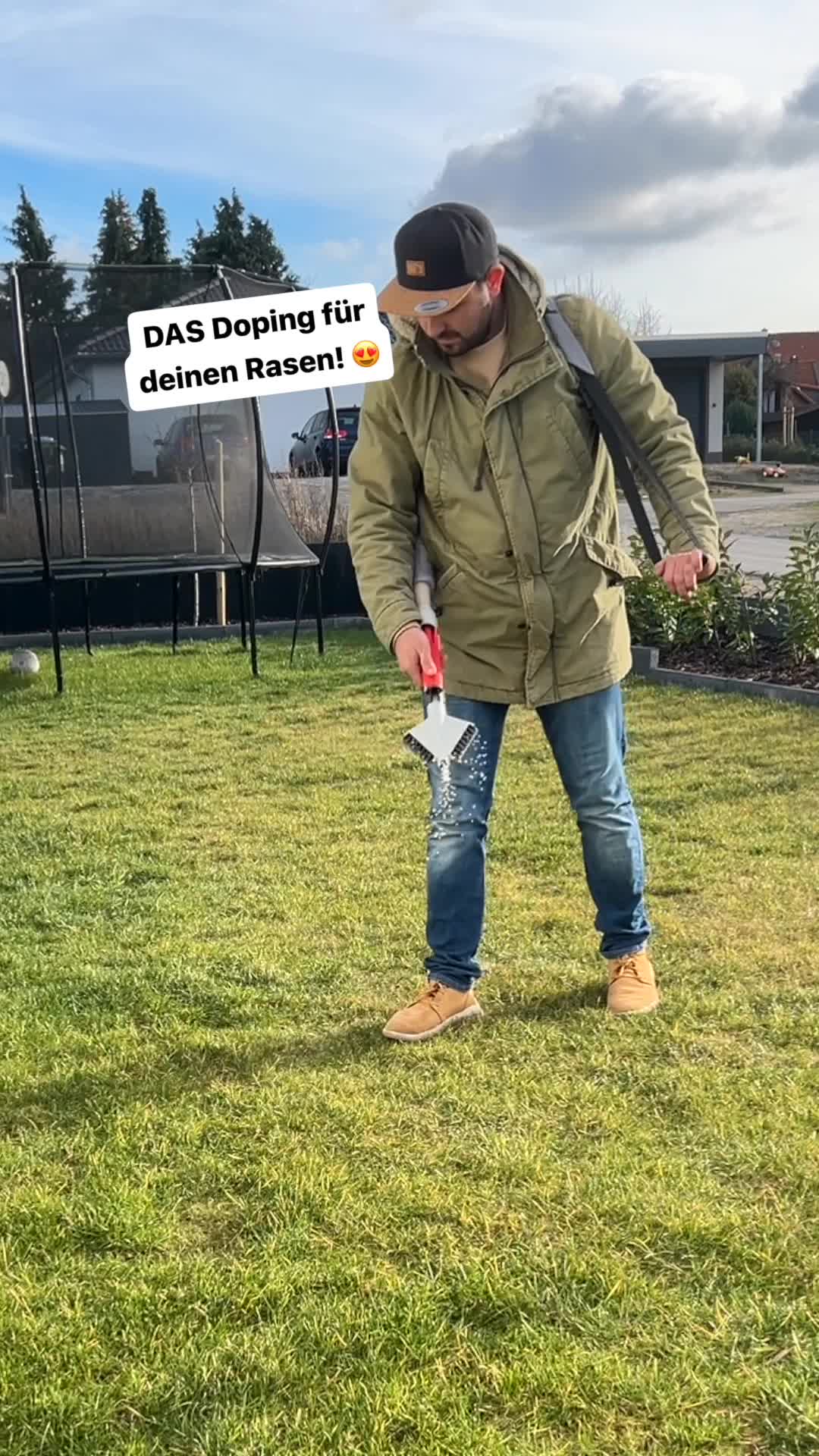
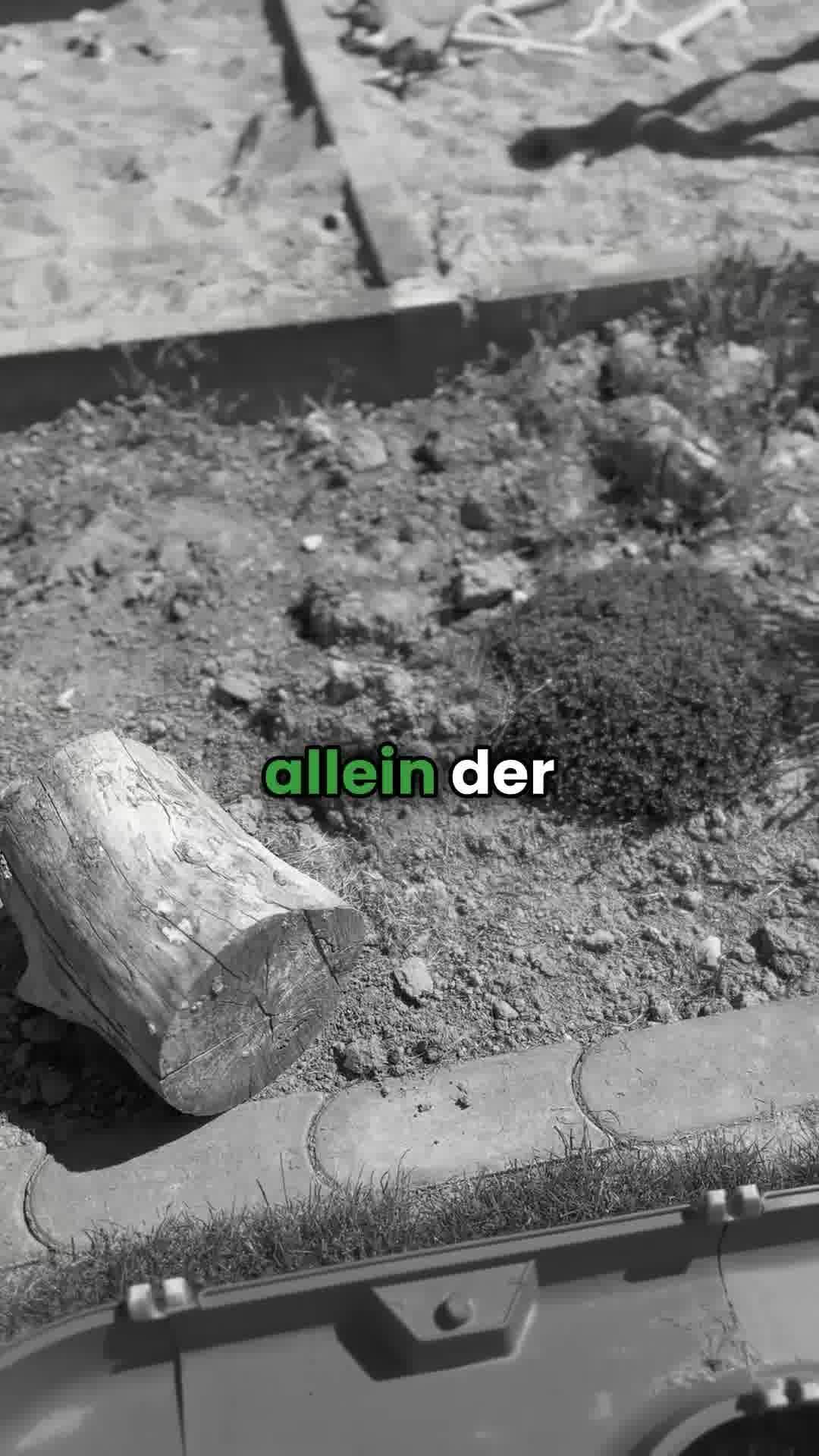
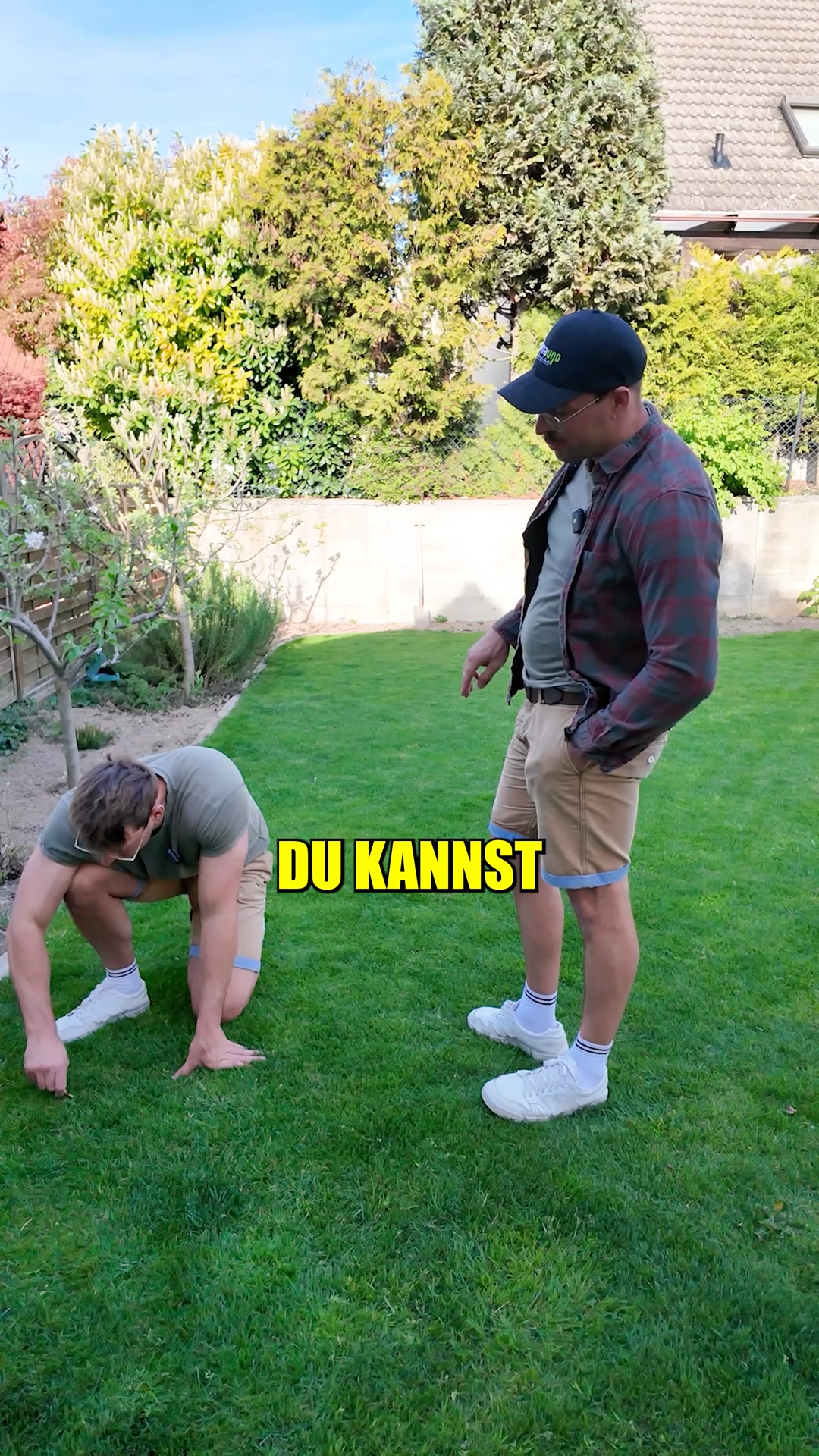
What it does. A phone-shot video opens on a bare hand holding up a fistful of raked-out moss and weeds over the lawn, with captions reading Rasen wird gesund and dass Moos, Unkraut und Co., making the lawn problem physically visible before pitching the Rasenkalk fix. It agitates the moss and weed issue you can literally hold in your hand, then lands the product as the cure.
Why it works. Showing the actual moss pulled out of the grass gives undeniable, tangible proof of the problem, which makes the promised healthy lawn feel earned rather than claimed.
Ad data. Reached 7.1M and ran for 522 days, the longest run in this set, signalling a durable, proven performer. Gender split: 29% women / 71% men.
2. Homeowner louvre demo
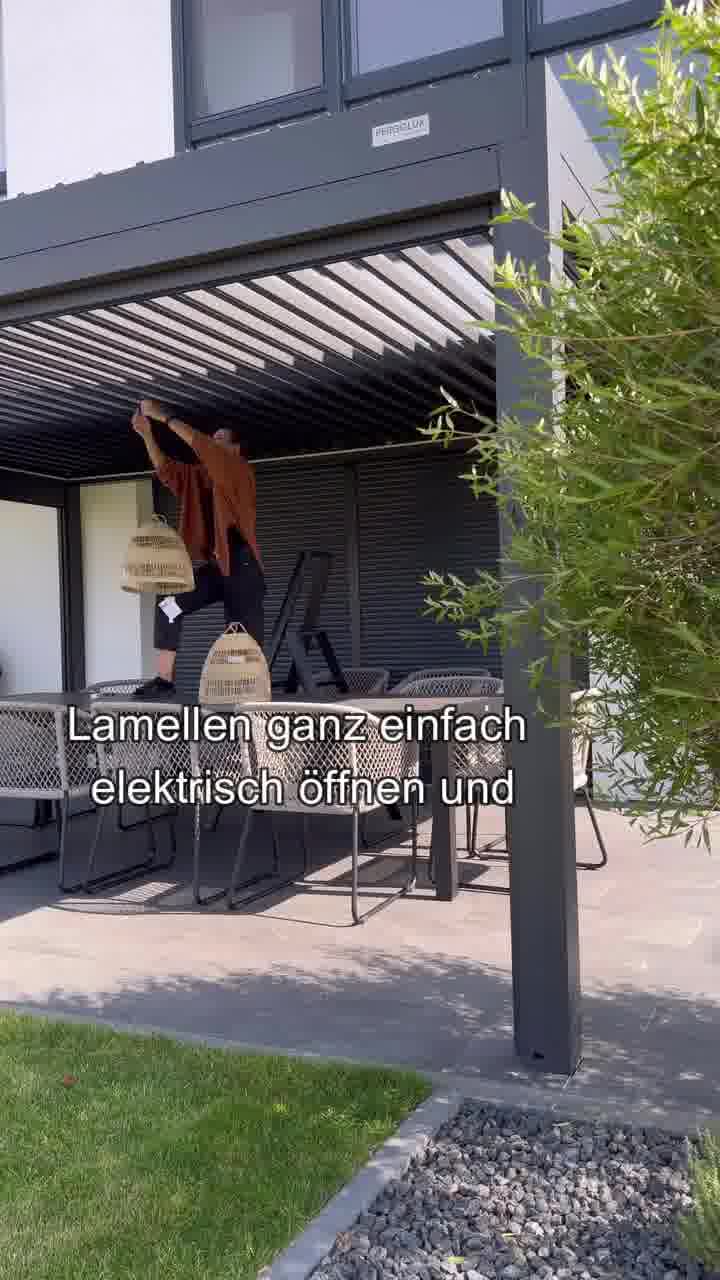
What it does. An organic, phone-shot video shows a real homeowner reaching up under the pergola with the on-screen line Lamellen ganz einfach elektrisch offnen und, demonstrating the electric louvre roof in a lived-in backyard rather than a studio. It reads like a genuine owner sharing their outdoor living room.
Why it works. First-person, unpolished demo footage feels authentic and lets viewers picture themselves operating the product, which builds trust for a high-ticket purchase.
Ad data. Reached 7.8M, the highest in this category, across a 208 day run. Gender split: 35% women / 65% men.
3. Tedious-way watering contrast
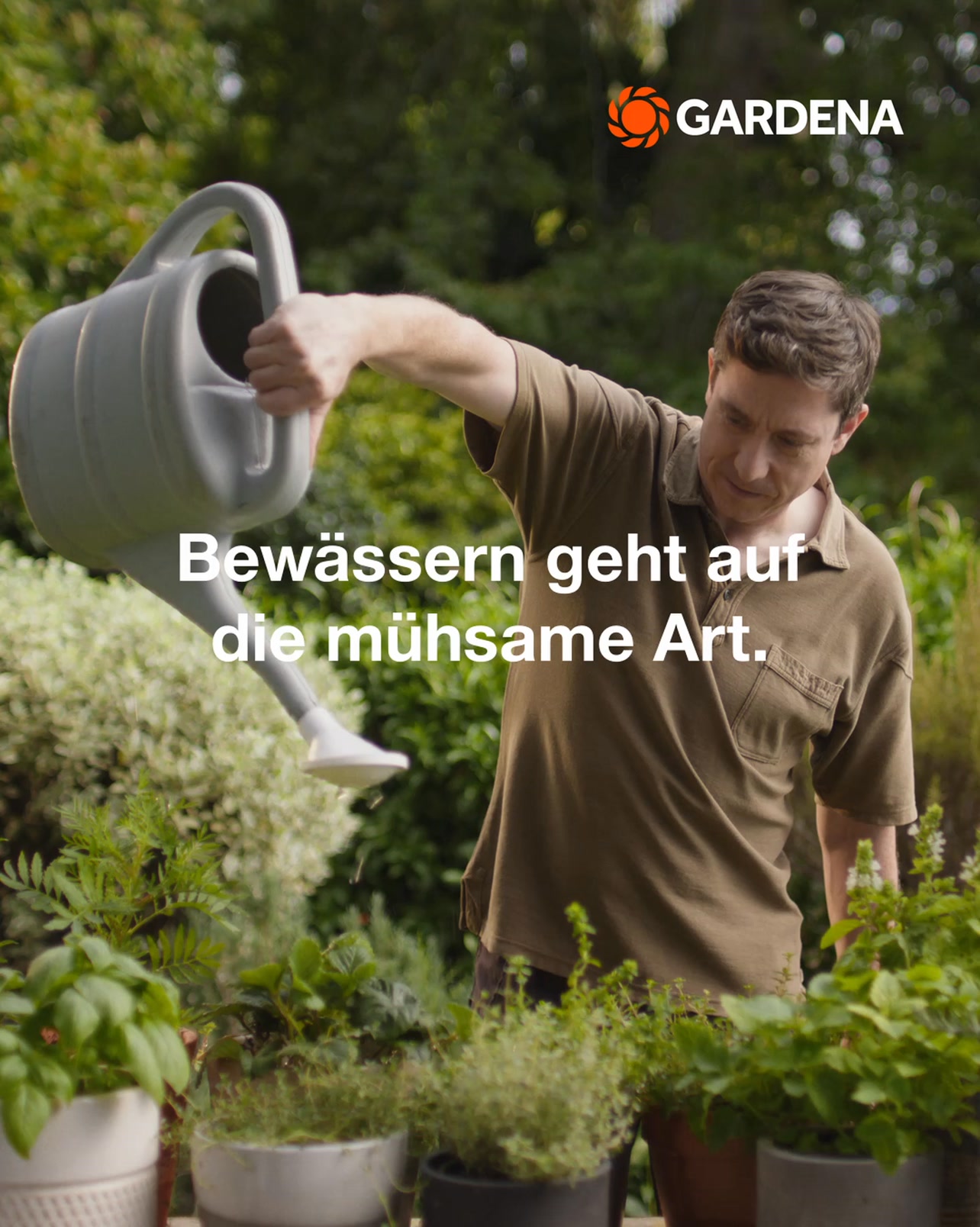
What it does. A polished branded video shows a man hand-watering potted plants with a strained expression while the caption reads Bewassern geht auf die muhsame Art, framing manual watering as the tedious old way before the Gardena way. The single frame sets up an explicit old way versus new way contrast.
Why it works. Dramatising the pain of the manual method makes the automated Gardena solution feel like obvious relief, and the clean brand-led production signals quality.
Ad data. Reached 6.2M in this category (run days not recorded in the data). Gender split: 39% women / 61% men.
4. Staycation definition hook
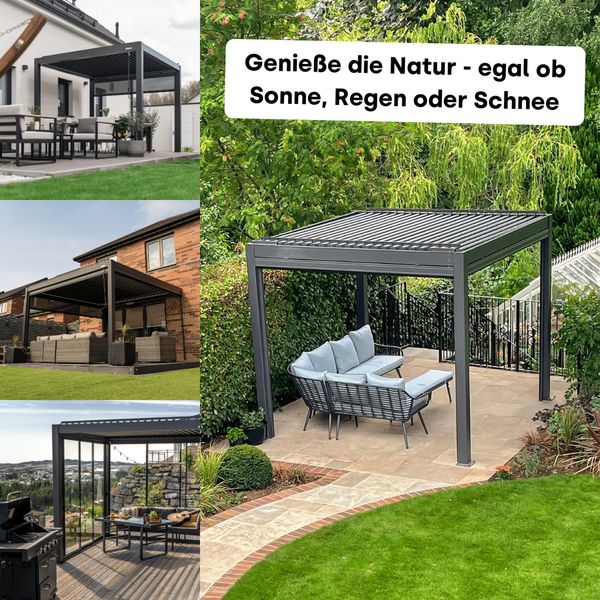
What it does. A static image uses a dictionary-style definition of STAYCATION, spelled out and defined as Urlaub, den man zuhause verbringt, over a pergola with a woman relaxing in a hammock, ending Moglich mit PERGOLUX. The wordplay concept reframes the product as a home holiday.
Why it works. The definition format is a scroll-stopping curiosity hook that sells an aspirational feeling of vacation-at-home rather than product specs.
Ad data. Reached 4.9M across a 465 day run, a long-lived evergreen creative. Gender split: 47% women / 53% men.
5. Clean robot-mower hero
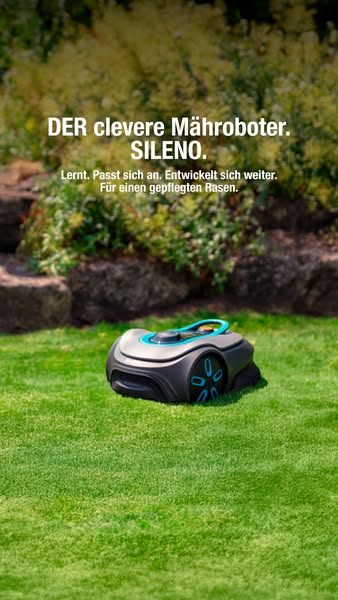
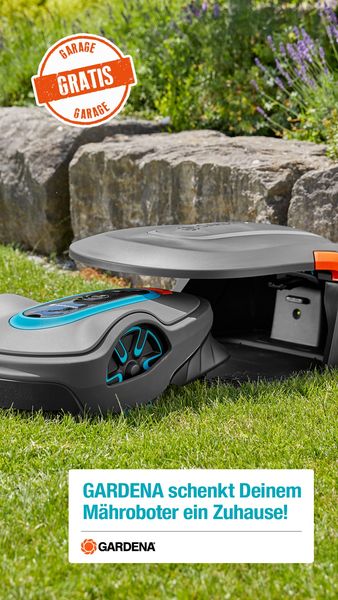
What it does. A minimalist single-product image places the SILENO robot mower alone on a flawless green lawn with the headline DER clevere Mahroboter and short benefit lines. There is no clutter, just the hero device and clean type.
Why it works. A clean, uncluttered hero shot lets the product design carry the ad and reads as premium and confident, ideal for a considered gadget purchase.
Ad data. Reached 4.4M during a 43 day run. Gender split: 41% women / 59% men.
6. Test-verdict seal flex
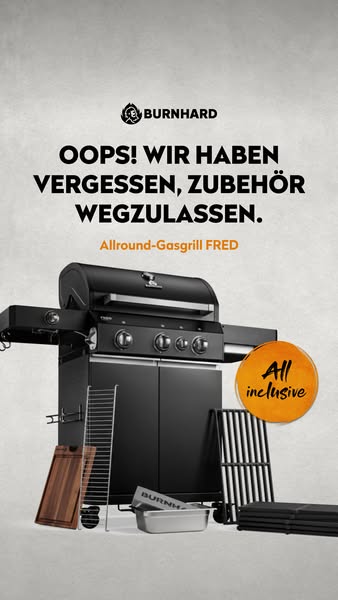
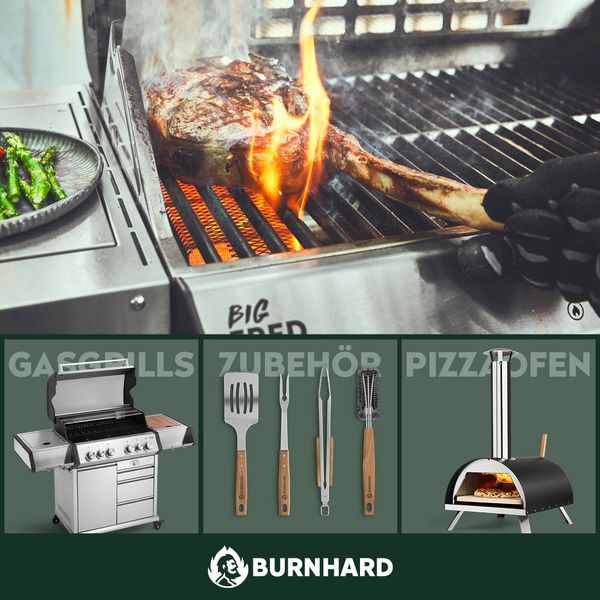
What it does. A dark, dramatic product image of the EARL premium gas grill headlines Testurteil: SEHR GUT and displays the actual Haus & Garten Test seal badge rating sehr gut (1,3). The third-party verdict is the centrepiece of the creative.
Why it works. A named independent test verdict borrows outside authority and de-risks a big-ticket grill purchase far more convincingly than self-praise.
Ad data. Reached 2.1M across a 260 day run, one of the longer-running grill creatives here. Gender split: 24% women / 76% men.
7. Catalogue bloom beauty shot
What it does. A saturated, catalogue-style close-up hero image of the Canna Durban with vivid orange blooms and striped red-and-green foliage fills the entire frame. The lush plant portrait is the whole hook, with a five-star buyer quote and trust ticks like Uber 100 Jahre Erfahrung carried in the ad copy.
Why it works. For plant shoppers the beauty of the bloom is the product, so a striking, aspirational close-up drives desire directly while the review adds reassurance.
Ad data. Reached 3.8M during a 79 day run. Gender split: 58% women / 42% men.
Garden ad best practices
- Make the problem physical in frame one. Open on something the viewer can almost hold, like the actual moss and weeds pulled out of a lawn, before you name the fix. Visible proof of the problem beats any claim about the result.
- Shoot the demo like an owner, not a studio. For high-ticket outdoor products, unpolished first-person footage of a real person operating the item in a lived-in yard builds more trust than a glossy set. Let viewers picture themselves using it.
- Set up an old way versus new way contrast. Dramatise the tedious manual method, such as a strained gardener hand-watering, so the automated or smarter product reads as instant relief. The contrast does the persuading for you.
- Put third-party proof at the centre. Lead with an independent test verdict seal, a customer count, or a five-star buyer quote rather than self-praise. Borrowed authority de-risks a considered garden purchase far more convincingly.
About this dataset
This page draws on a curated dataset rather than a complete archive of every Meta ad. Only the highest-reach Facebook and Instagram ads per industry make it in, which means the figures describe the top performers we track rather than the platform as a whole. Reach comes straight from Meta: it is the figure the Meta Ad Library reports under EU transparency rules, with its gender, age and country breakdown, and we do not model or adjust it. Only the estimated spend is our own calculation, derived from that reported reach at an assumed 5 to 30 EUR CPM.
The raw ad data is collected via top-ads.io. The Ad Library itself is a free resource from adtribute, the platform that ties every ad to revenue with marketing attribution and custom analytics.