





What the highest-reach Facebook & Instagram ad examples have in common
- Long runs signal performance. Half of these ad examples have run for 57 days or more, one in five for over 180 days, and the longest has been live for nearly three years. An ad only stays live that long when it keeps returning a profit, so sort by the longest-running ads to surface the validated winners.
- Video leads, but static is far from dead. 61% of these ads are video and 39% are image. In several industries a well-made static still out-lasts video, so compare image and video ad examples with the format filter rather than assuming video wins.
- Video ads live or die on the first second. With video at 61% of the library, the ads that keep running almost always open with a scroll-stopping hook, a bold claim, a satisfying visual, or a face, before any product or logo. In a feed the opening frame decides whether the ad is watched at all, so the winners front-load the hook and reveal the brand late.
- A few creatives carry the results. The median ad reached 2.1M people, but the top 100 averaged 11.1M. Winning advertisers do not spread budget evenly. They find one or two Meta ad examples that work and pour spend into them.
- Native beats polished. The ads that scale here look like content, not commercials: phone-shot UGC, handwritten sticky-note testimonials, founder-to-camera and screen-recorded comparisons. Over-produced brand films are the exception, and the performance-native DTC advertisers treat every creative as a test rather than a branding exercise.
What makes a winning Facebook or Instagram ad
The highest-reach ads here win the first second, then earn the rest. The same shape repeats across all 31 industries: a specific hook (a problem, a bold claim, or a satisfying visual), fast proof (a result, a review, or a live demo), one clear offer, and a single call to action, with the brand revealed late. It holds for Facebook ads and Instagram ads alike, and video carries the pattern more often than static.
What the top Meta ads look like
Video is the default at 61% of the top ads, and it owns the storytelling formats: UGC unboxings, before-and-afters, founder-to-camera and product demos, usually shot vertical and phone-style with a real hand or face on screen. Static image ads set the ceiling for a single sharp idea: a handwritten sticky-note testimonial, a bold sale line, a split-screen comparison, or a minimalist product shot on a plain background. Across both, the winners are vertical, native-feeling and built for sound-off, so the first frame and the on-screen text carry the message.
Want one format only? Browse all video ad examples or image ad examples.
18 Winning Facebook & Instagram ad frameworks
Across industries, the highest-reach ads reuse a set of proven creative frameworks. Here are eighteen that show up again and again, each with one real ad from the library, broken into what it does, why it works and its own numbers, including the demographic reach split. Video ads play right here in the page, and every creative opens the full ad. Video is the default in this data, at 61% of all ads, and it dominates the storytelling frameworks below.
1. Problem, Agitate, Solution (PAS)
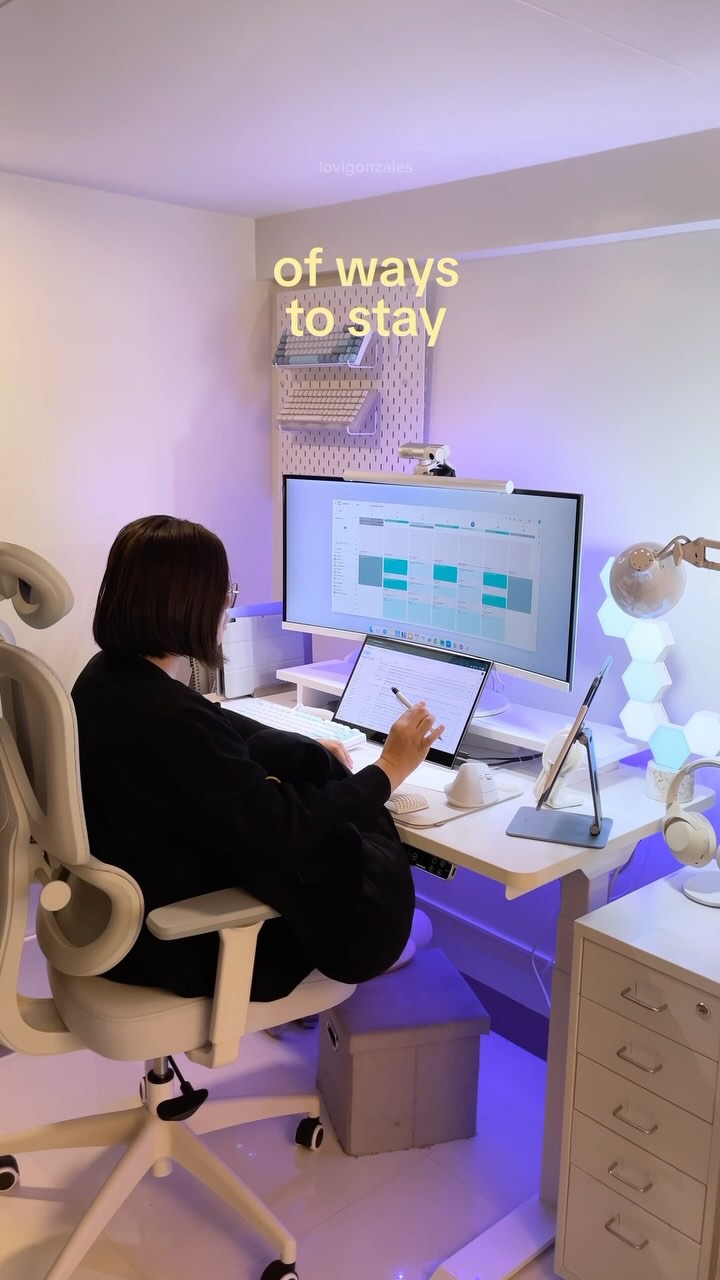
What it does. Opens on the problem, twists the knife, then lands the fix. The reMarkable ad starts on the mess, “I tried everything to stay organized: notebooks, sticky notes, endless scraps of paper,” sits in the chaos for a beat, then lands the Paper Pro as the one place it all finally lives.
Why it works. Naming a specific, everyday frustration makes the right person feel seen, so the product reads as the answer rather than a pitch. It is the backbone of most high-reach direct-to-consumer ads here.
Ad data. Reached 1.9M over a 38-day run. The pain-first script carries the ad in the copy, so the visual can stay a calm, aspirational desk clip instead of a hard sell. Gender split: 43% women / 57% men.
2. Sticky-note testimonial
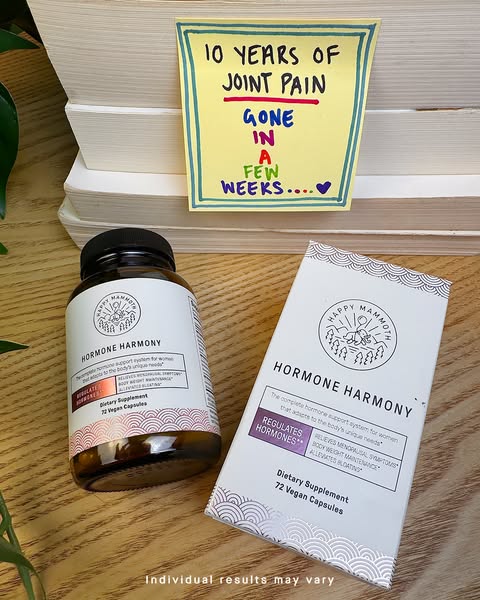
What it does. Opens with a customer result in the customer’s own words. Happy Mammoth pins a handwritten sticky note to the supplement jar, “10 years of joint pain, gone in a few weeks,” with no beauty shot and no brand voice.
Why it works. A scribbled note reads as proof rather than a promise, and it sidesteps the scepticism a brand claim triggers. It looks like something a real customer made, so people trust it.
Ad data. One of the highest-reach ads in the whole library at 15.9M people, and it kept running for 92 days, a three-month run that only happens when a single testimonial keeps converting. Gender split: 44% women / 56% men.
3. UGC video testimonial
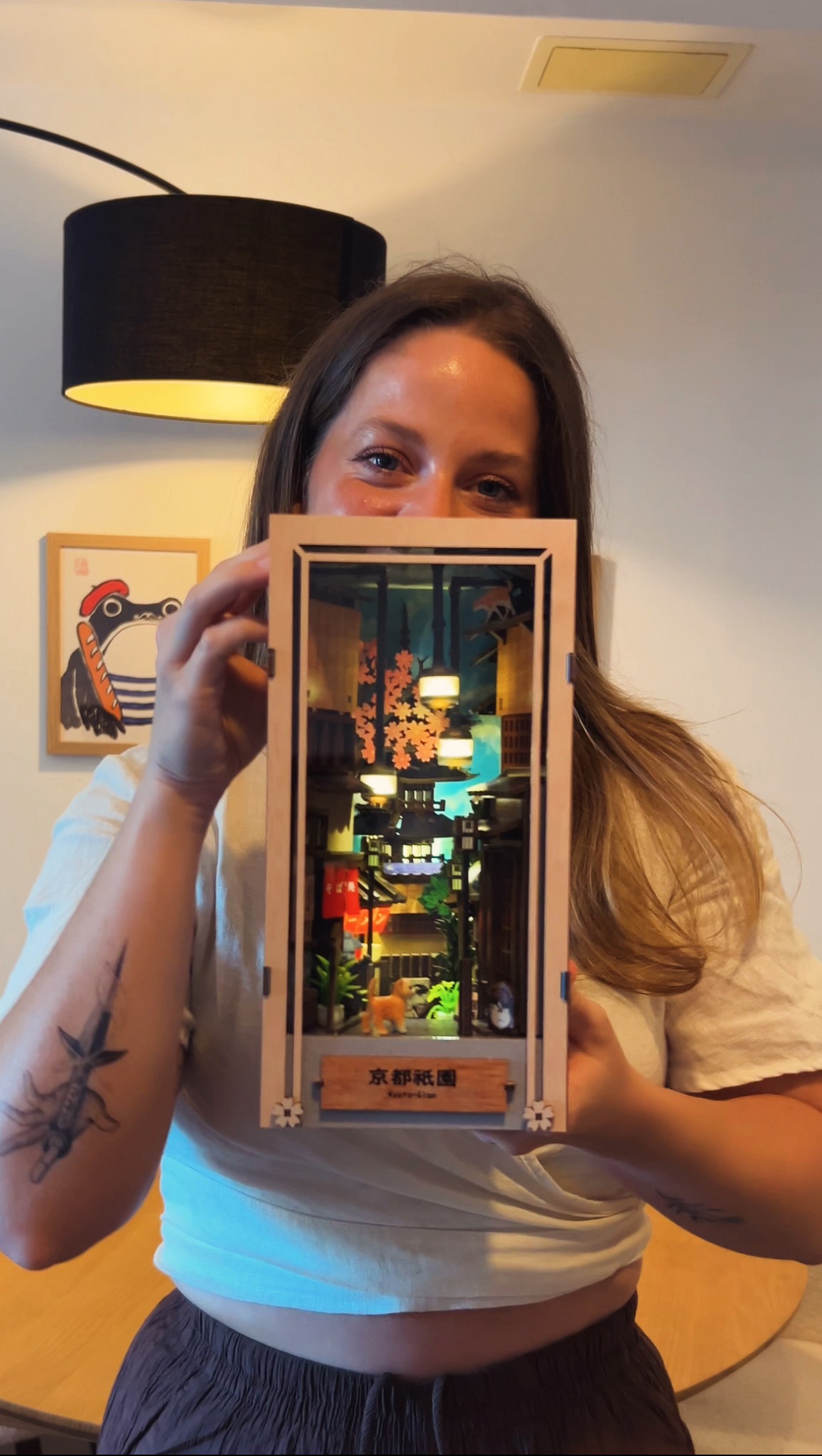
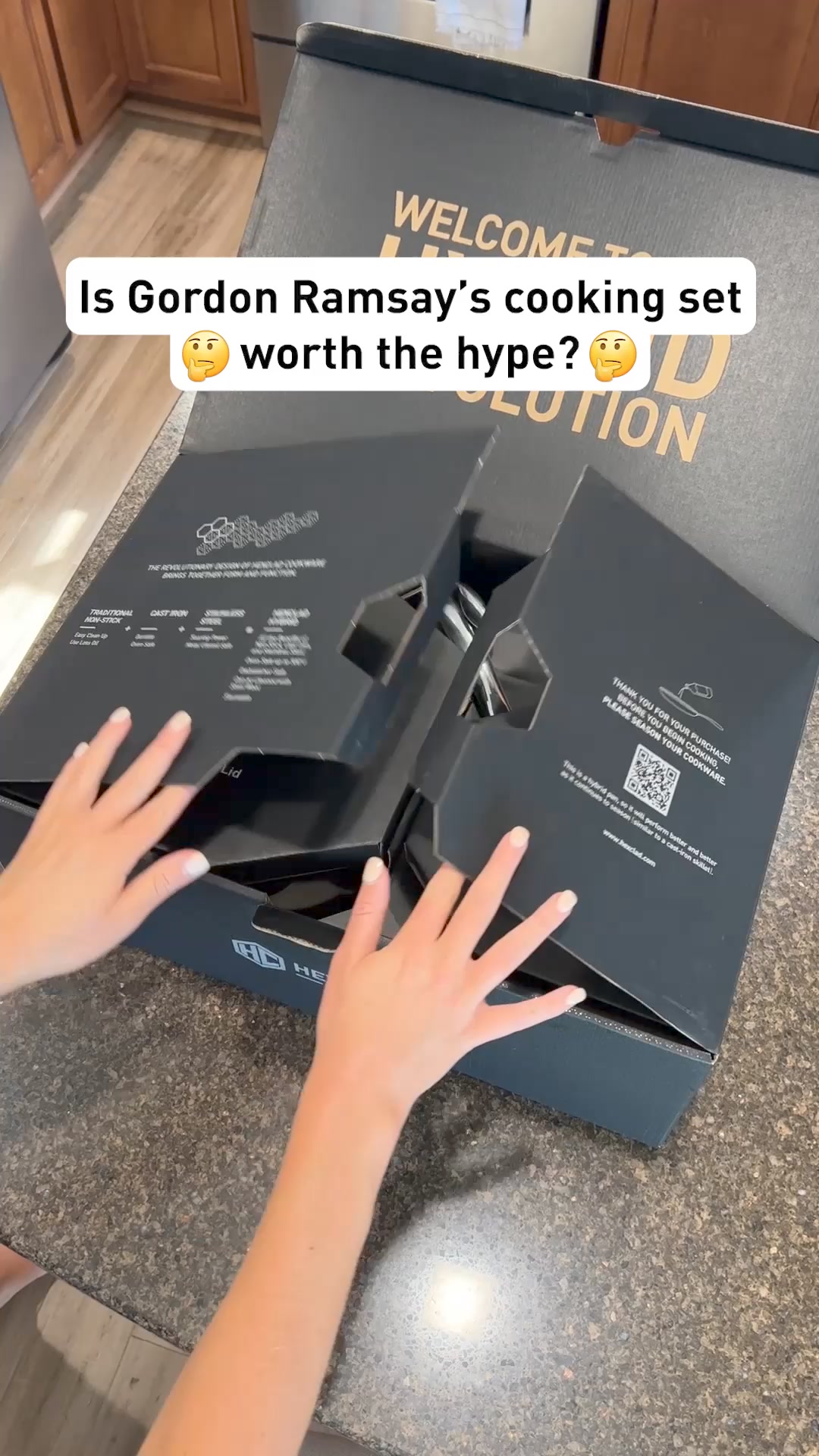
What it does. A phone-shot POV video of someone unboxing the product in their kitchen, captioned “Is Gordon Ramsay’s cooking set worth the hype?” It looks like a creator’s own review, not a brand ad.
Why it works. The curiosity question and the raw unboxing feel like content, not marketing, so the guard stays down. Meta’s algorithm now rewards this native, un-polished style, which is why UGC video keeps scaling.
Ad data. Reached 5.5M over a long 120-day run. Video is 61% of the library overall, but nearly every long-running UGC ad here is video, because the format needs motion and a real hand to feel authentic. Gender split: 32% women / 68% men.
4. Before and after
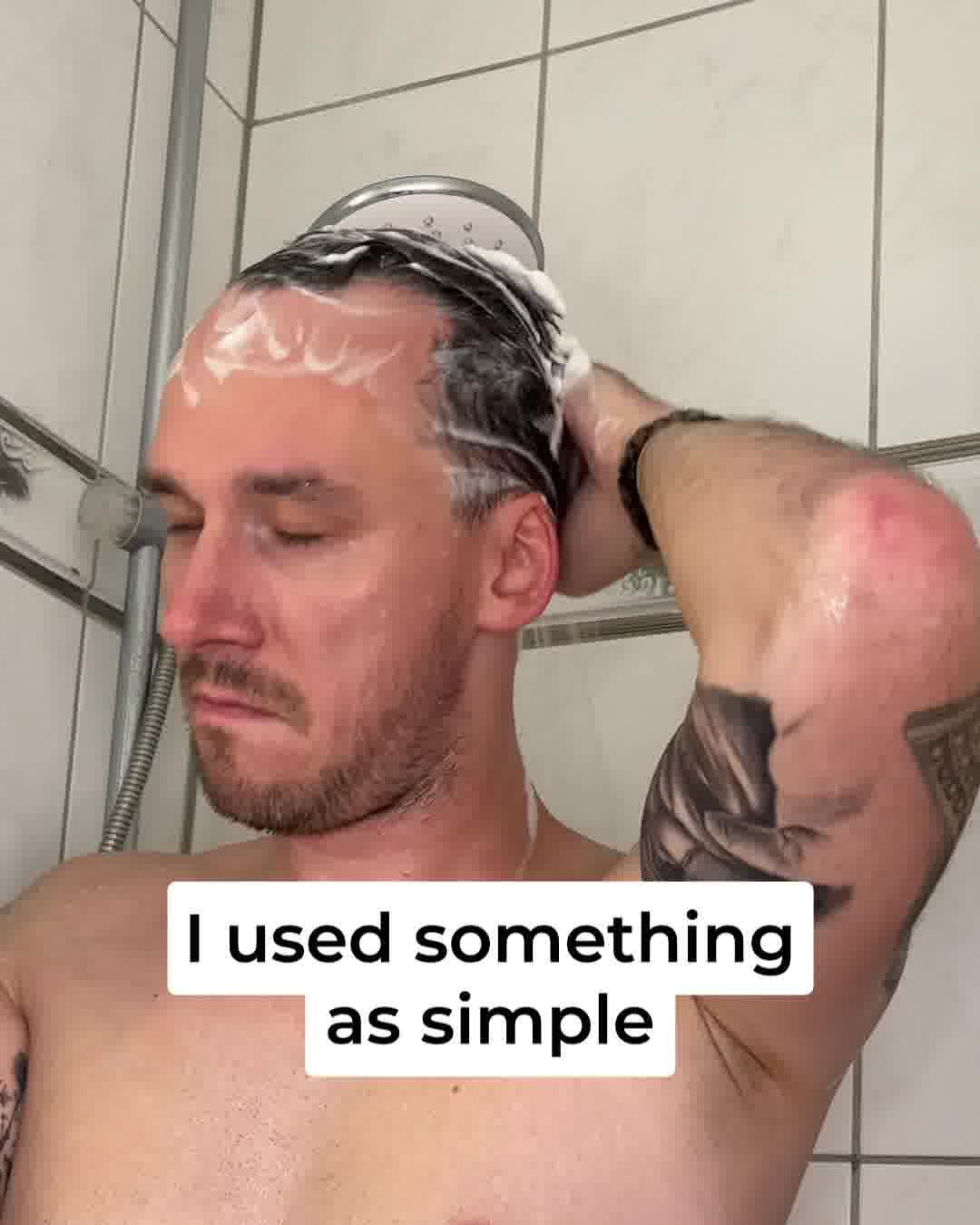
What it does. Opens the video on the transformation itself, a first-person clip about restoring hair, before it says anything about the product. The before-and-after is the first frame, not the payoff.
Why it works. Leading with the visible result answers the only question that matters, does it work, in the first second. Putting the change up front rather than at the end stops the scroll before the pitch.
Ad data. Reached 6.1M over an 80-day run. It is a video for a reason: a static before-and-after can be doubted, but watching the change unfold is harder to dismiss. Gender split: 8% women / 92% men.
5. Native advertorial
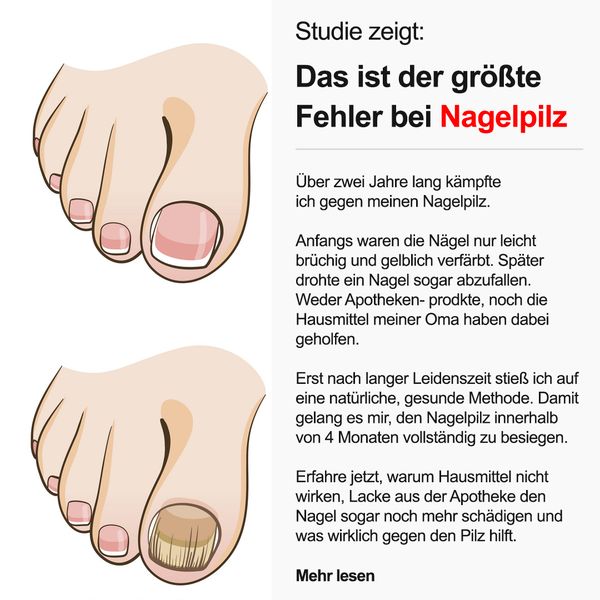
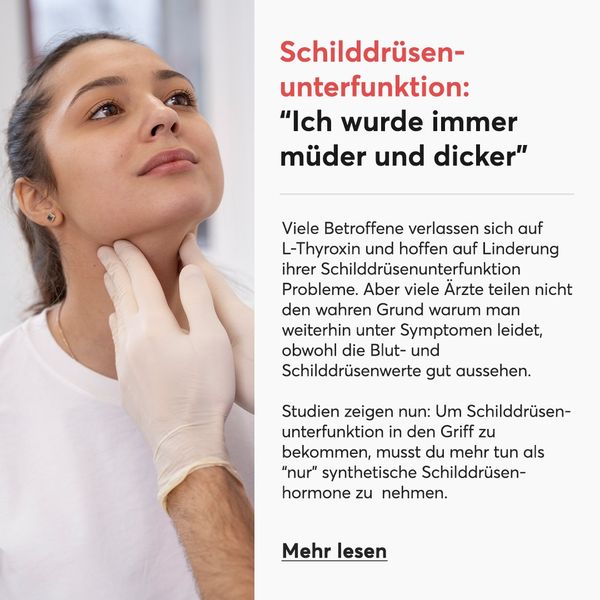
What it does. Dressed as a health story rather than an ad, “I kept getting more tired and heavier,” set beside a clinical photo, closing with a “read more” link instead of a buy button.
Why it works. Because it reads as information, people keep reading, and the product only appears once they are already invested. It feels like advice, not a sale.
Ad data. The longevity is the tell: 309 days, one of the longest runs on this page, at 13.2M reach. Advertorials burn out slowly because they read as content, which is why they earn their own Advertorial tag in the library. Gender split: 79% women / 21% men.
6. Authority endorsement
What it does. Hands the pitch to a named expert. MasterClass fronts its ad with “Stanford’s power expert, Jeffrey Pfeffer,” letting the professor, not the brand, promise the strategies that lead to promotions.
Why it works. The buyer transfers the expert’s credibility straight onto the product, which does the trust-building a claim cannot. It suits considered purchases where trust, not price, is the barrier.
Ad data. Reached 1.5M over a 57-day run. A named academic does the vouching, so the ad can stay a stark title card and let the credential carry it. Gender split: 45% women / 55% men.
7. Founder to camera
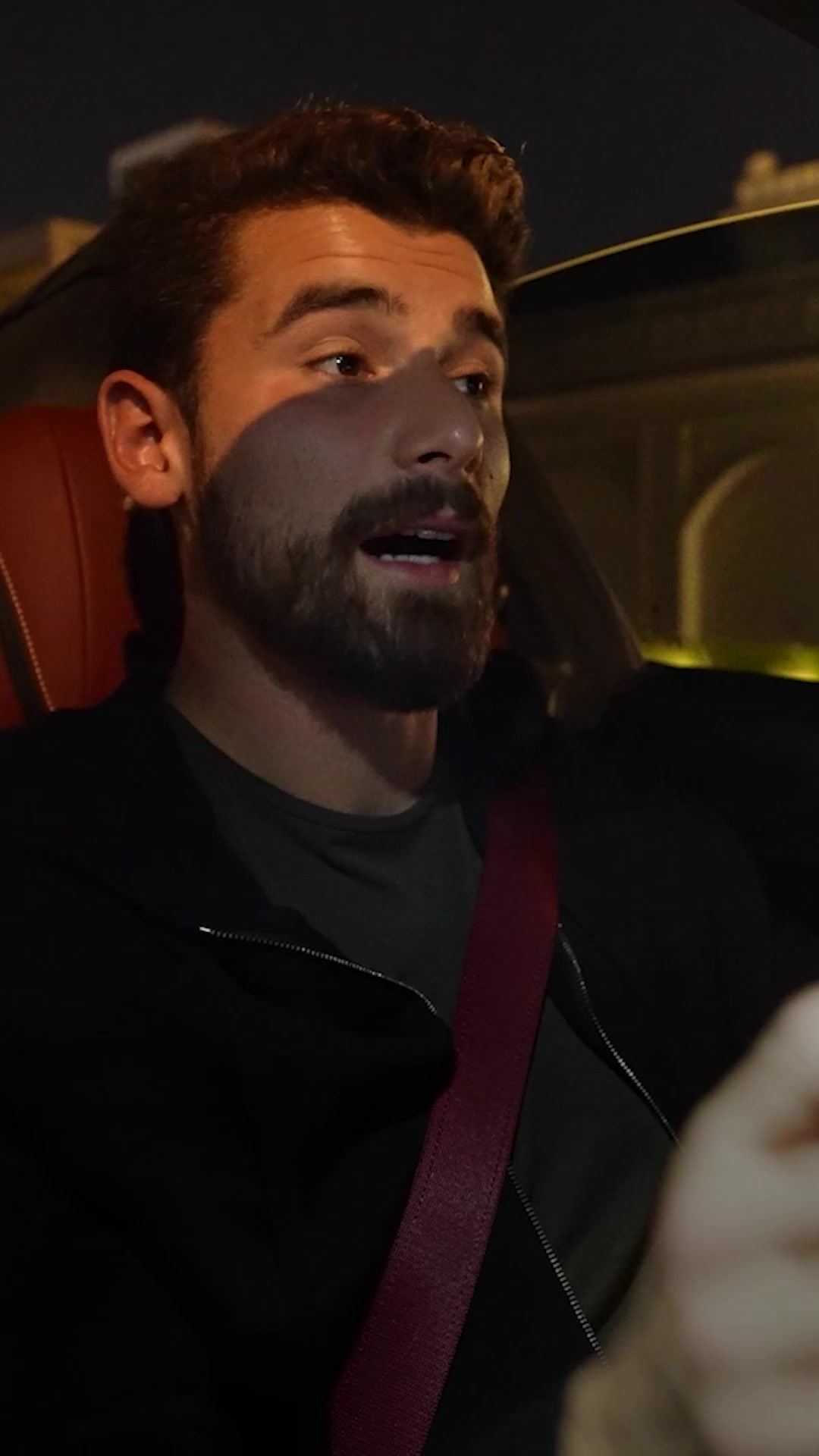
What it does. The founder speaks straight to camera, no studio polish. Iman Gadzhi films himself in the back of a car, “I’m Iman Gadzhi, co-owner of Whop, 10+ years building online businesses,” walking through his own track record before he pitches anything.
Why it works. A real face and an unscripted, first-person delivery build a kind of trust a brand voice cannot, and the founder’s own numbers read as proof rather than advertising.
Ad data. Reached 1.2M over a 25-day run. The founder’s credibility is the whole creative, so it needs no product shot to work. Gender split: 29% women / 71% men.
8. Comparison
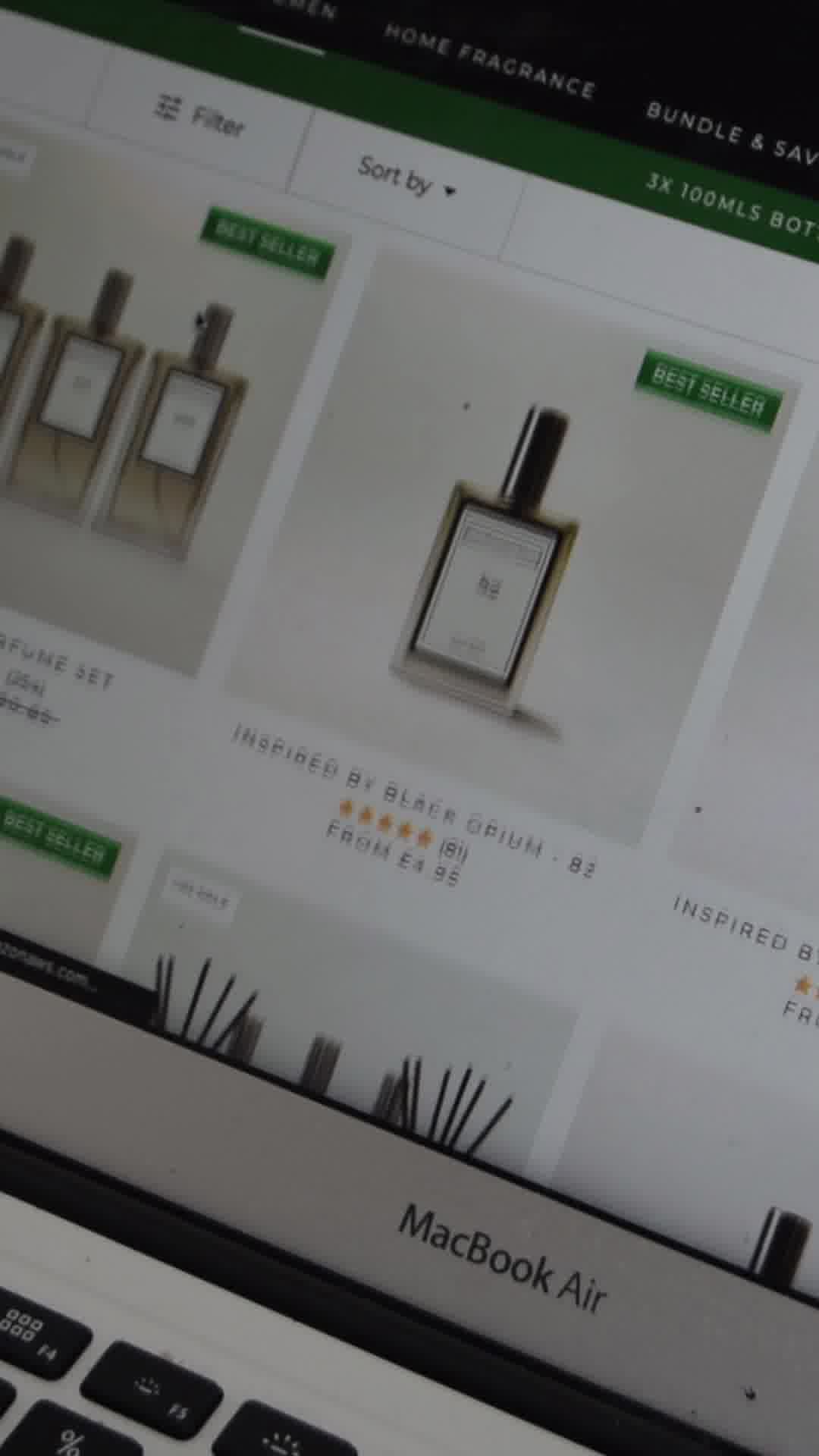
What it does. Sells the dupe by comparison. The Essence Vault screen-records its own shop, “Designer Inspired Fragrances For Less,” lining its bottles up against the designer scents they copy at a fraction of the price.
Why it works. Anchoring against a famous, expensive brand borrows that brand’s desirability and reframes the choice as the same scent for less money, so the decision makes itself.
Ad data. Reached 5.7M over 87 days. Gender split: 58% women / 42% men.
9. Split screen
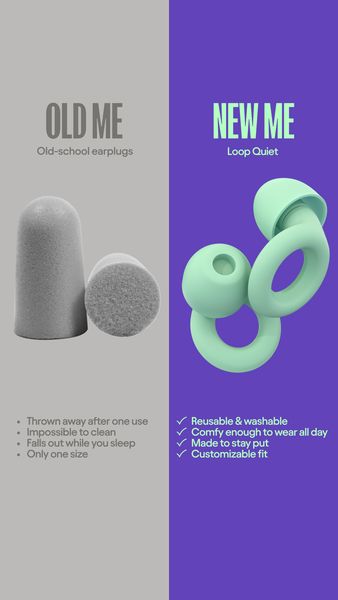
What it does. Splits the frame down the middle and pits the old way against the new. Loop lines up “OLD ME,” old-school foam earplugs thrown away after one use, against “NEW ME,” reusable Loop Quiet that is comfy enough to wear all day.
Why it works. A hard side-by-side forces the contrast the brand wants you to feel and does the comparison work in a single glance, so the upgrade looks obvious before you have read a word.
Ad data. Reached 7.9M over a 53-day run. Gender split: 56% women / 44% men.
10. X reasons why
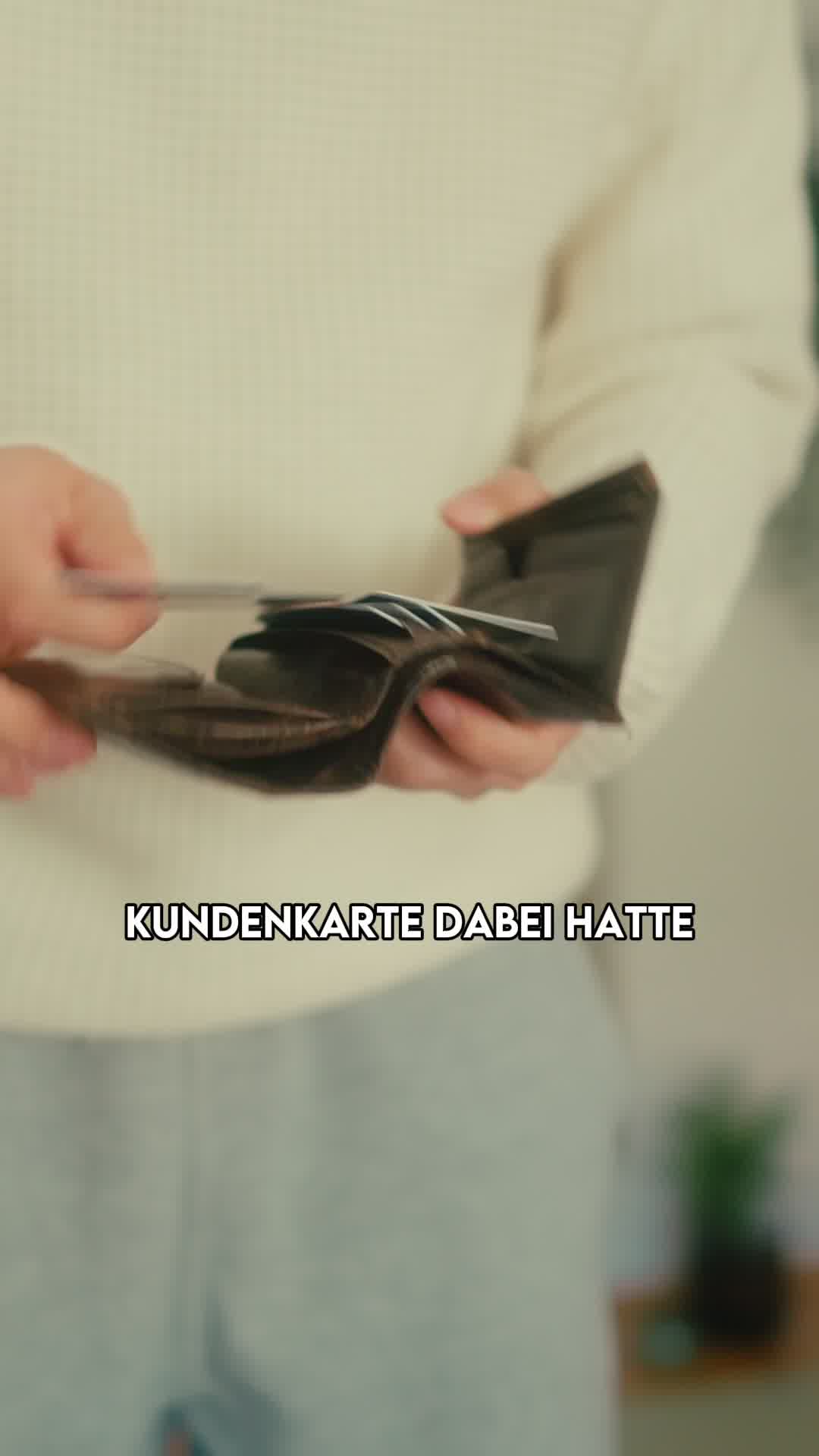
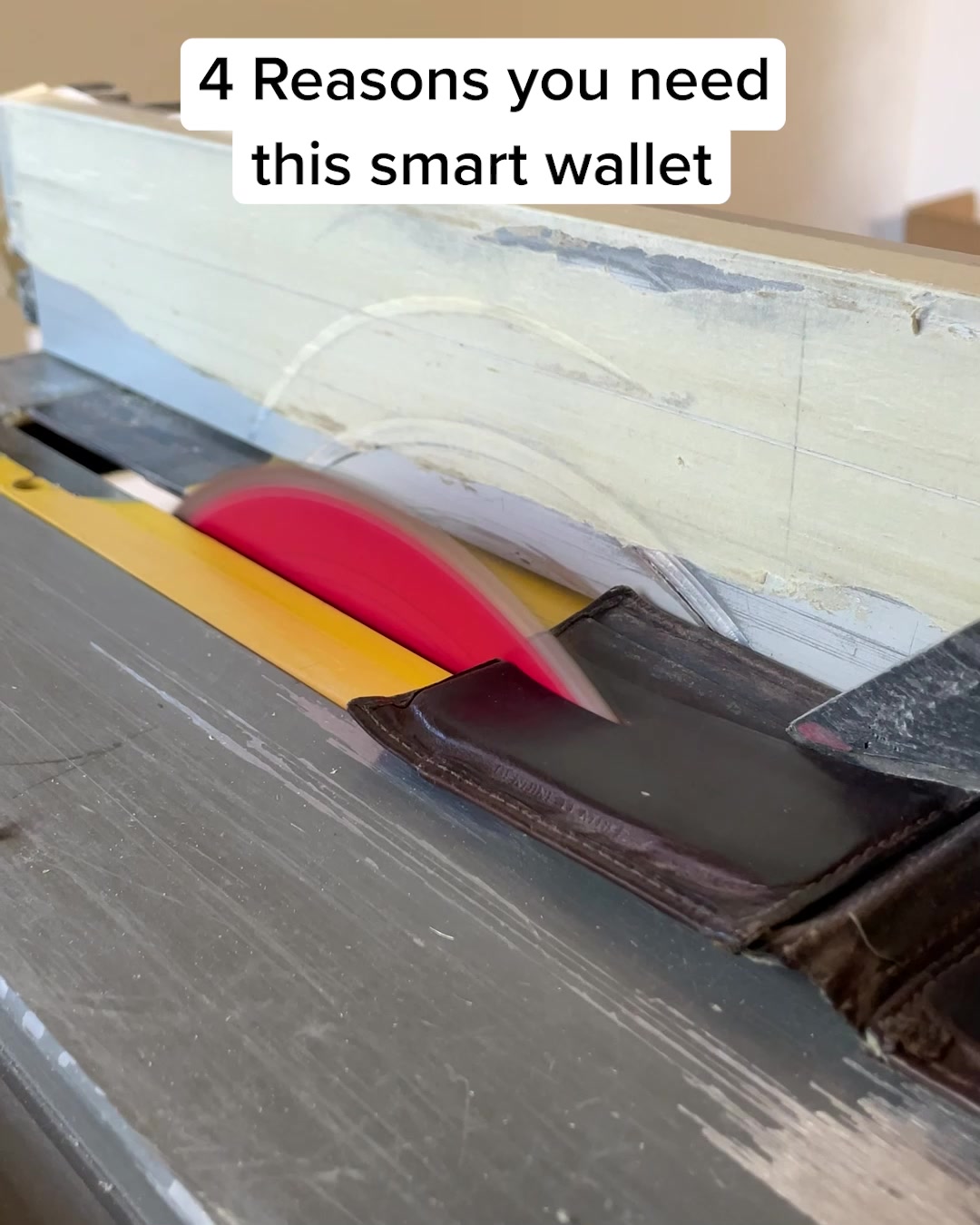
What it does. Counts through numbered reasons on screen, one per beat. Ridge opens “1. It has Airtag Tracking” over a hands-on clip of the wallet, then keeps the list rolling.
Why it works. A numbered list promises a finite, skimmable payoff, so viewers stay to see all of it, and every new number is a fresh hook that resets attention mid-video.
Ad data. Reached 9.1M over 78 days, one of the higher-reach examples here. Gender split: 11% women / 89% men.
11. Demo or tutorial
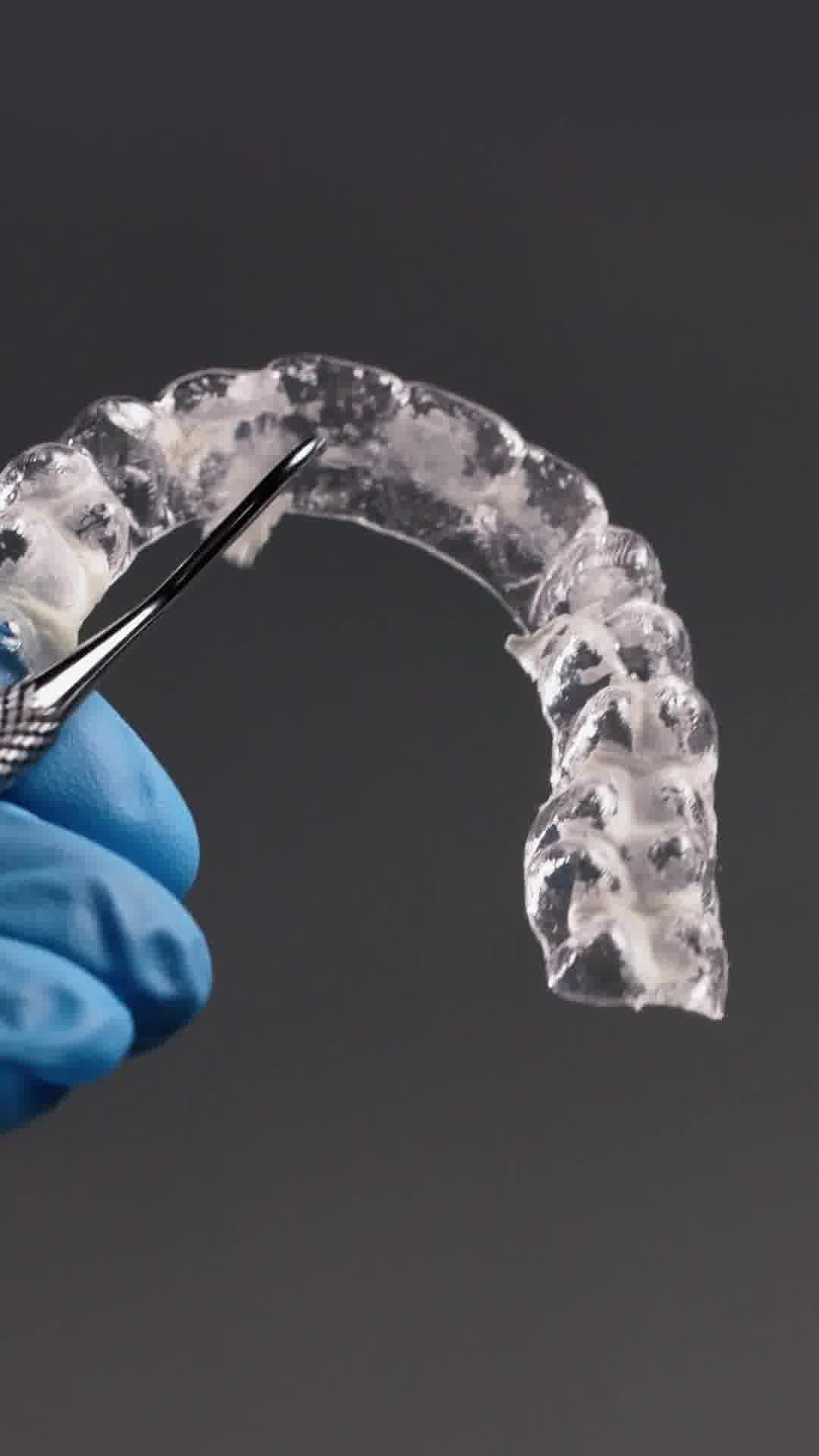
What it does. Shows the product doing its one job in close-up. Zima Dental films a cloudy retainer clearing up inside the cleaning pod under the line “Clean your retainer at the touch of a button.”
Why it works. A silent close-up demo answers “does it actually work” before the buyer asks, and the satisfying visual of the retainer cleaning itself carries the ad without a single claim.
Ad data. Ran for a long 266 days at 5.4M reach, a sign a good demo can stay live for the best part of a year. Gender split: 37% women / 63% men.
12. Scroll-stopping POV hook
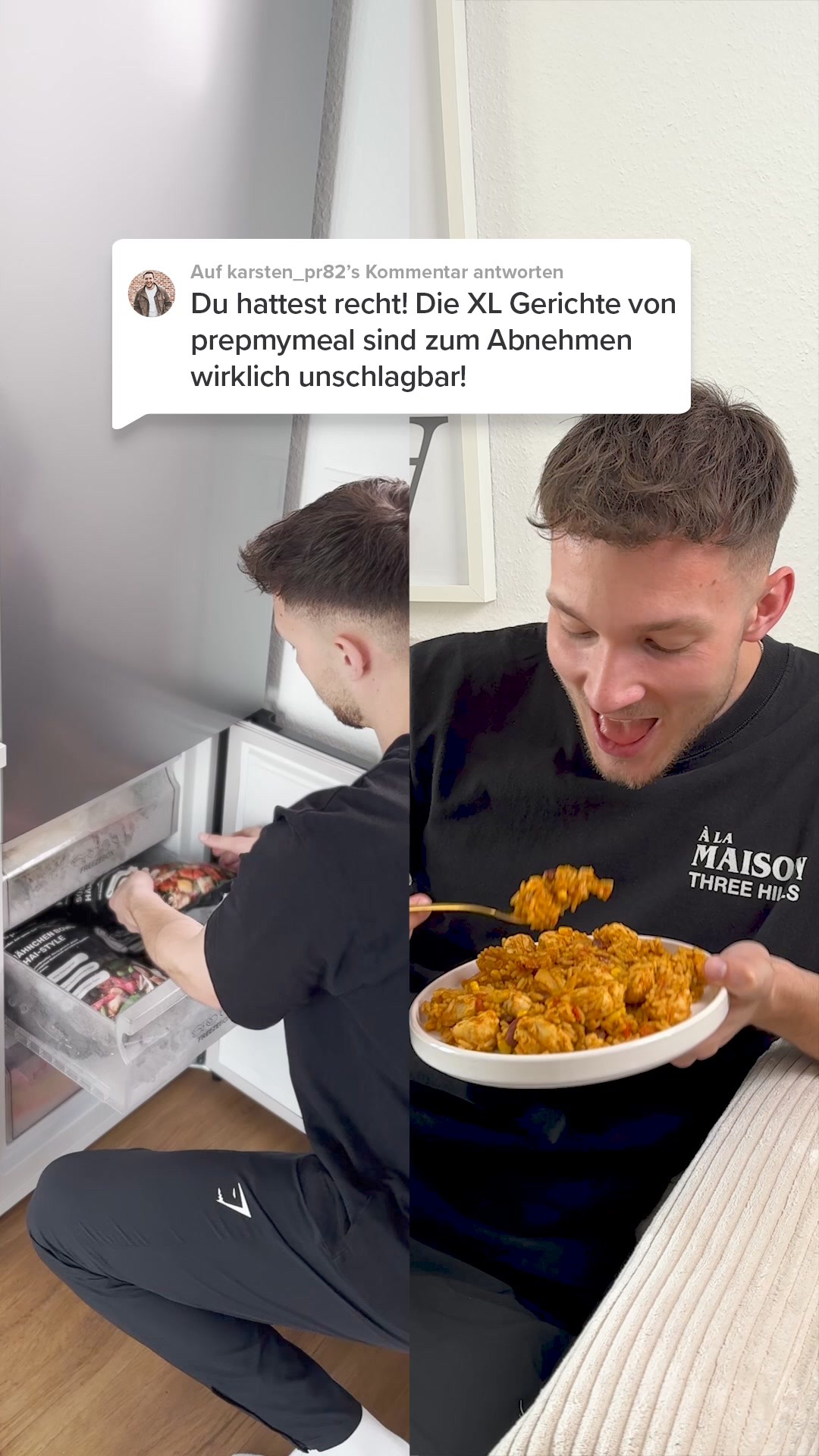
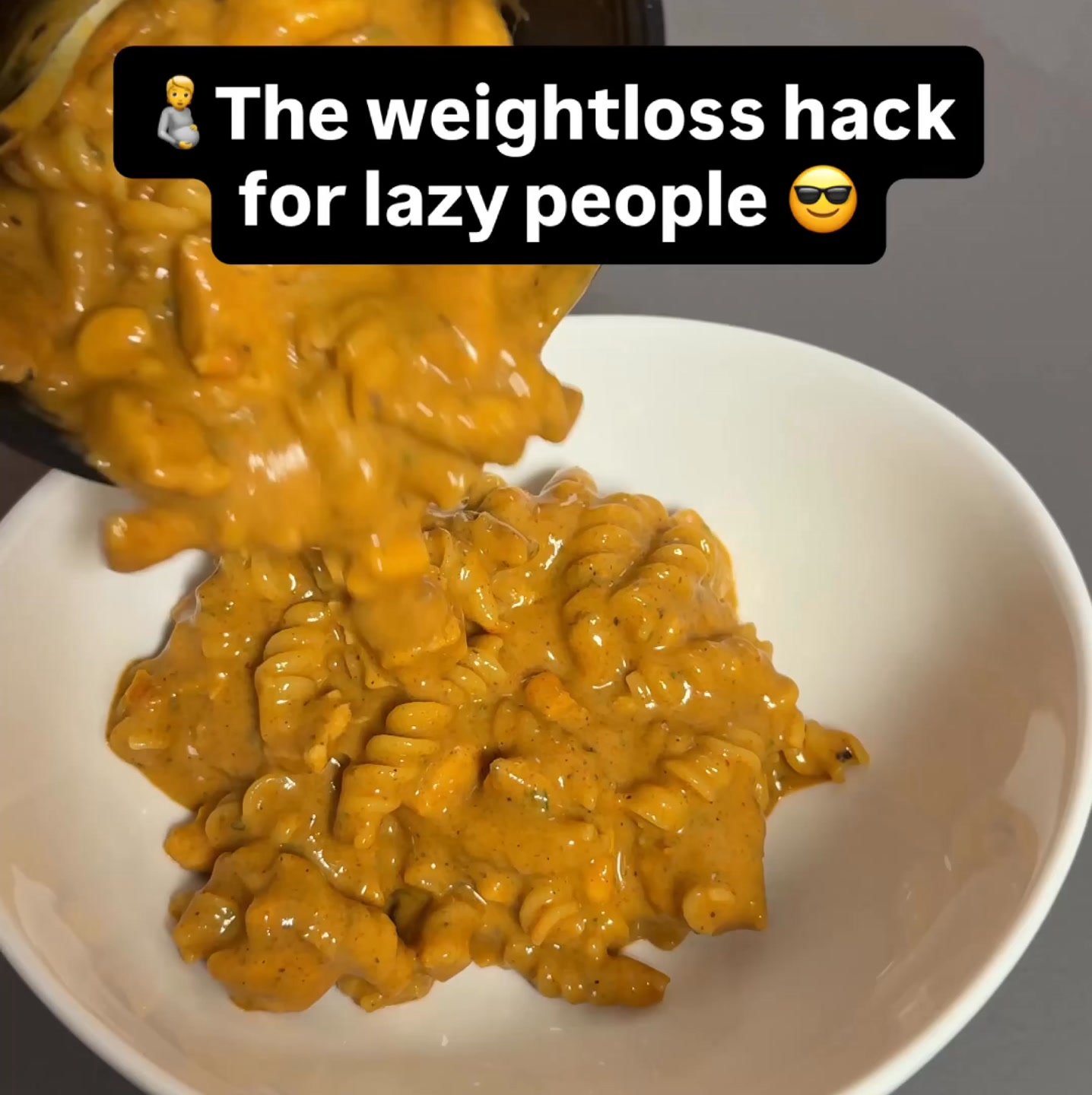
What it does. Opens on a glossy bowl of pasta being poured under the blunt caption “The weightloss hack for lazy people,” and only names the brand later.
Why it works. A satisfying visual plus a curiosity-loaded line wins the first second, which in a feed is the whole game. The hook earns the watch time before any pitch.
Ad data. One of the newest ads in the set, launched in January 2026, still running and already past 4.5M reach, a fast start for a young creative. Gender split: 18% women / 82% men.
13. Question sticker
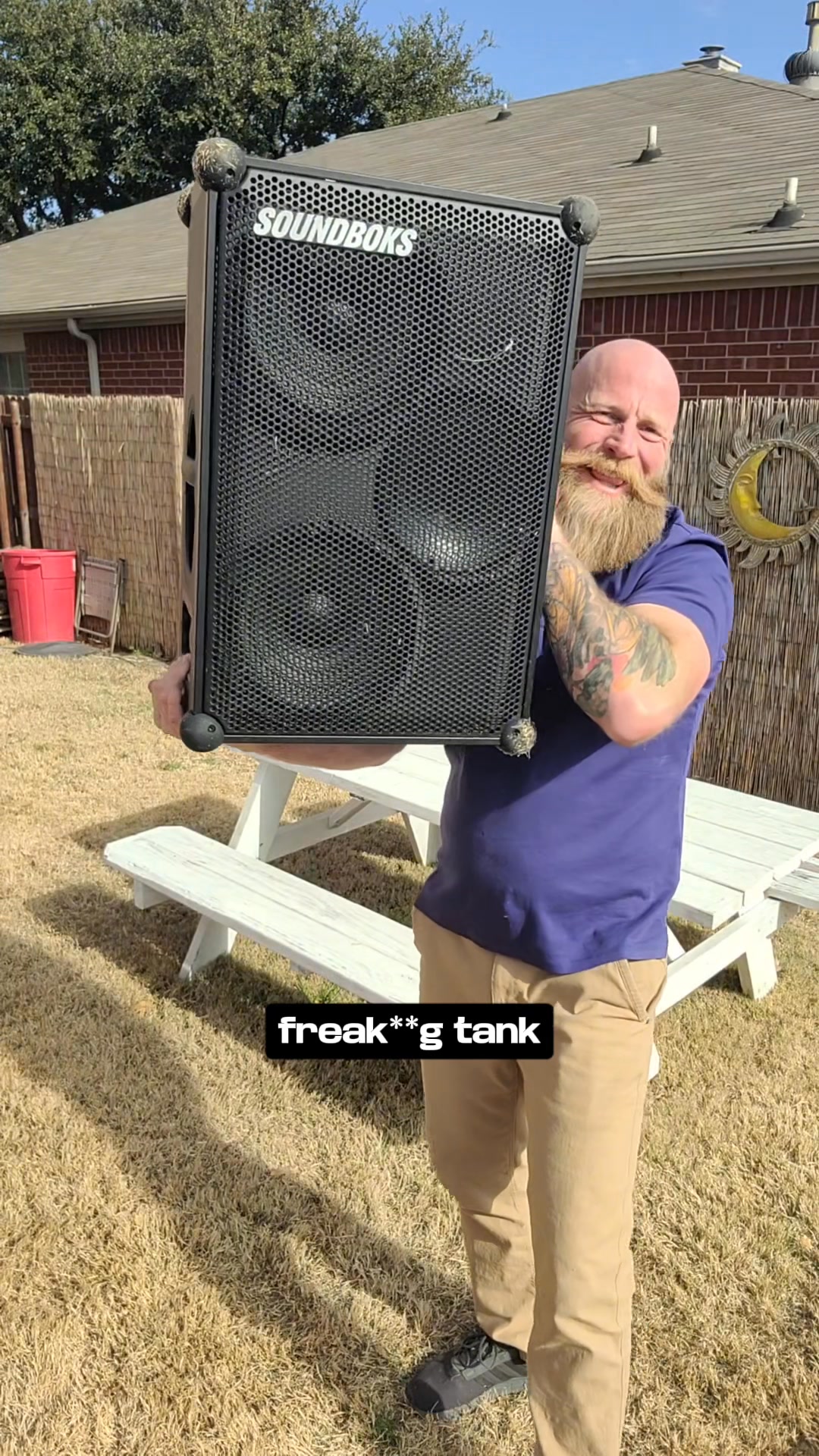
What it does. Mimics a native Instagram reply, dropping a fake comment sticker over the video, “Reply to… is it even legal? (asking for a friend),” before answering it with “This is the Soundboks 4.”
Why it works. The staged comment makes the ad look like organic content answering a real question, which lowers the ad-guard, and the cheeky “is it even legal” framing bakes curiosity straight into the hook.
Ad data. Reached 3.8M over 65 days. Gender split: 16% women / 84% men.
14. Humour or metaphor hook
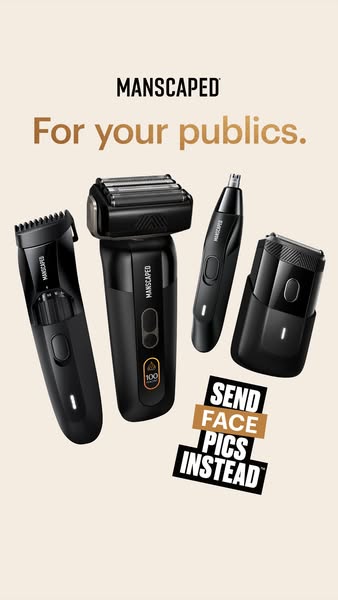
What it does. Pairs the line “Give your boys the love they deserve” with a visual gag, making the point without a single word of pitch.
Why it works. Humour lowers the guard a straight product ad raises, and it makes the ad shareable in a way a feature list never is.
Ad data. The single highest-reach ad in the entire library at 26M people, and it hit that in just 23 days, the shortest run here. When a joke lands, it scales faster than any offer. Gender split: 46% women / 54% men.
15. Use-case callout
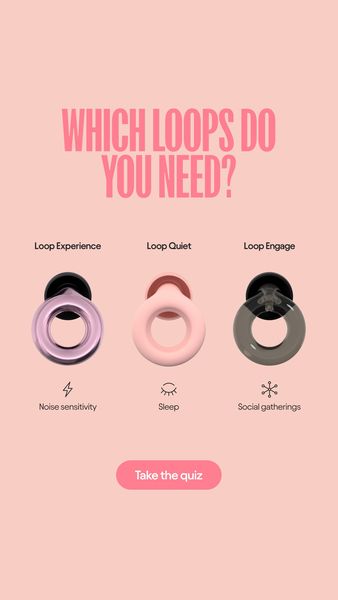
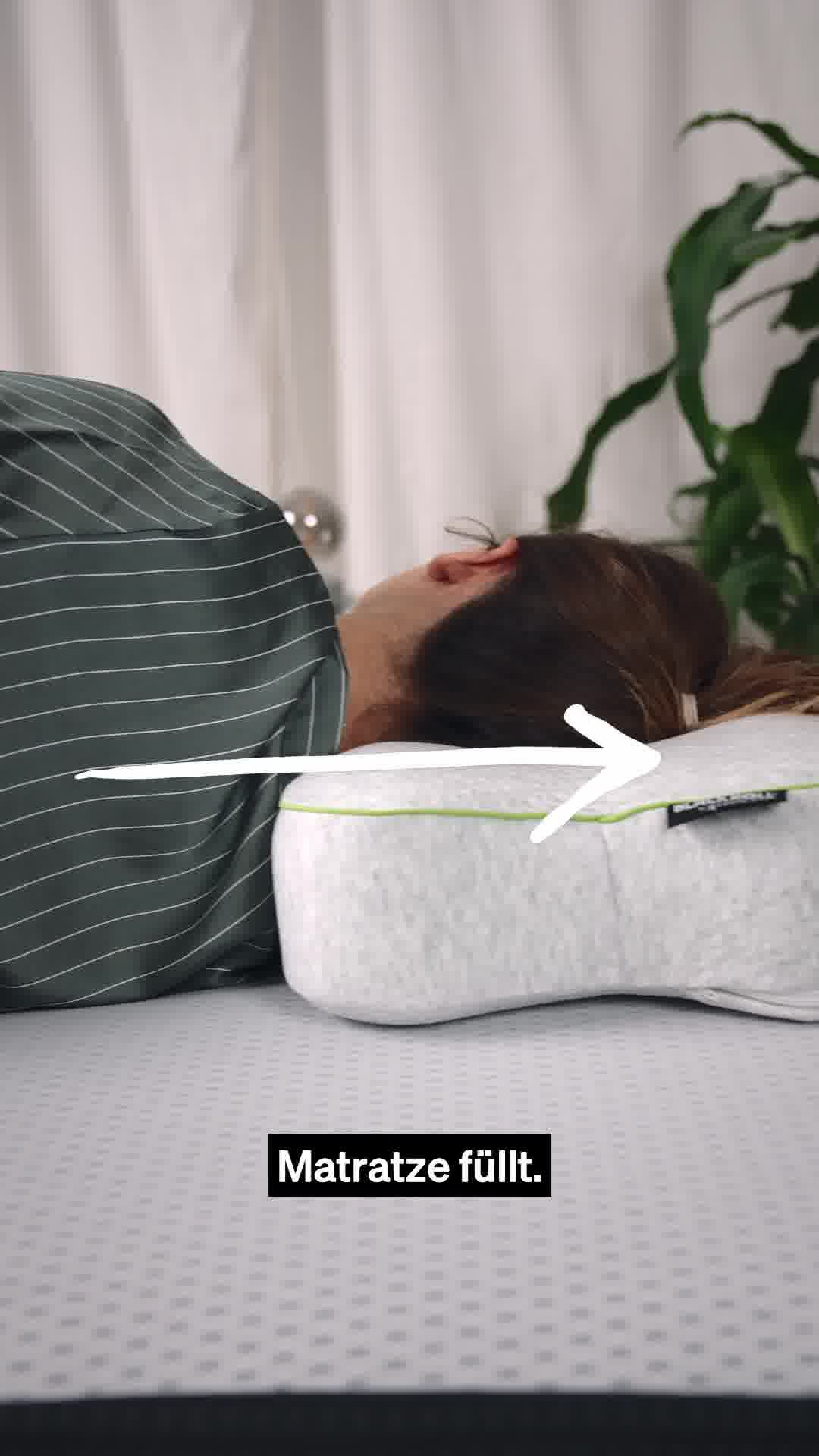
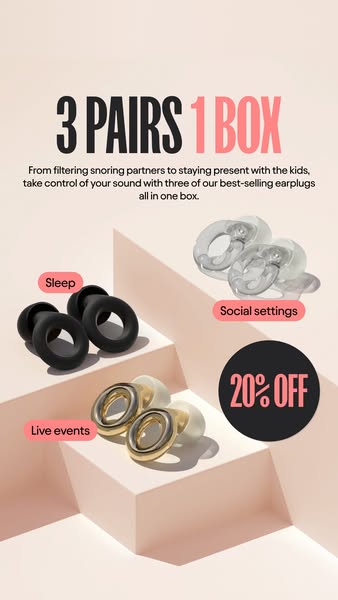
What it does. Tags one product, “3 pairs, 1 box,” with three jobs, Sleep, Social settings and Live events, in a single frame.
Why it works. Every kind of buyer finds their own reason at a glance, which widens the audience without splitting the creative into separate ads.
Ad data. Kept live for 233 days at 9.3M reach, one of the longest runs on this page. Gender split: 69% women / 31% men.
16. Offer and urgency
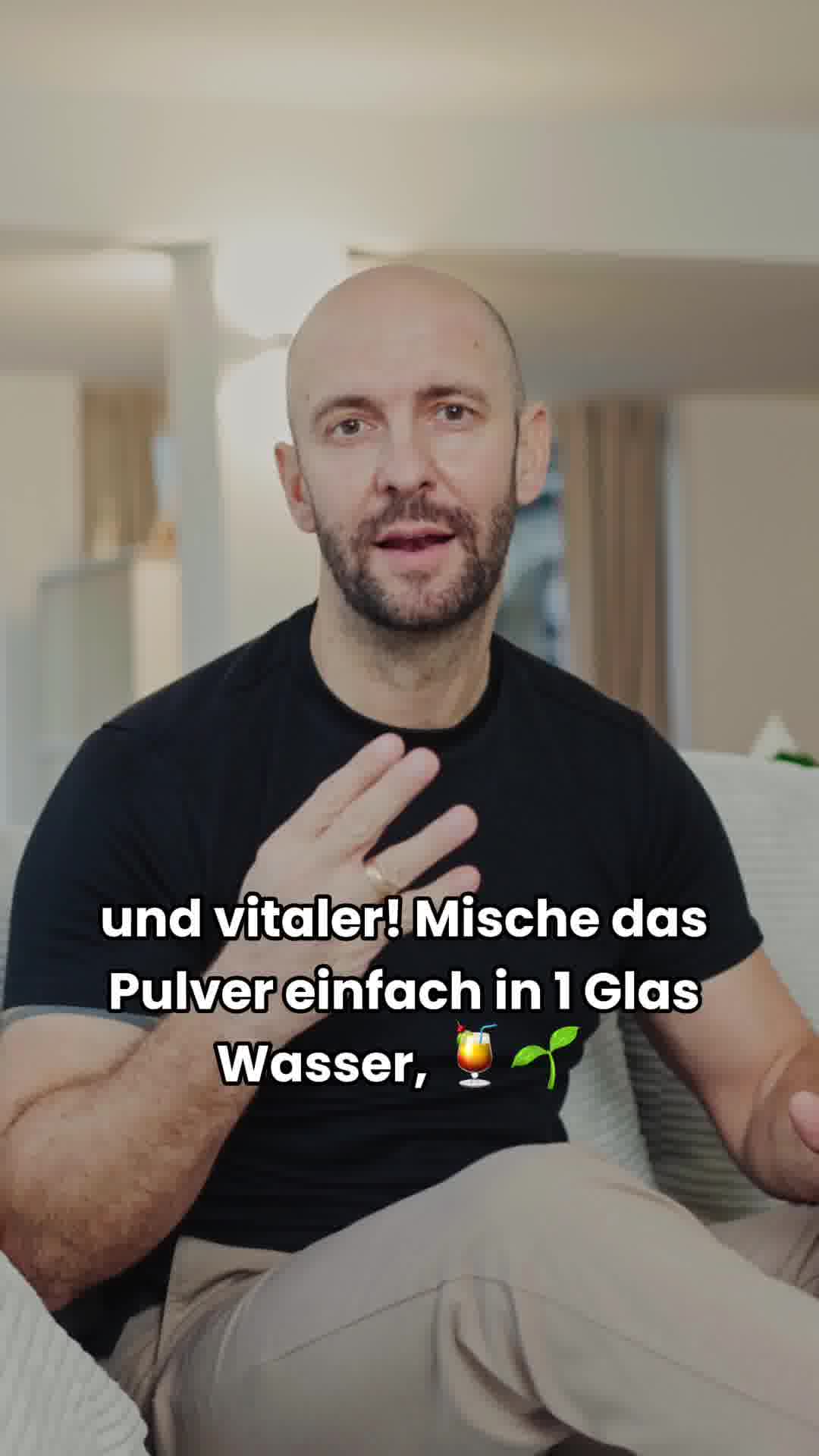
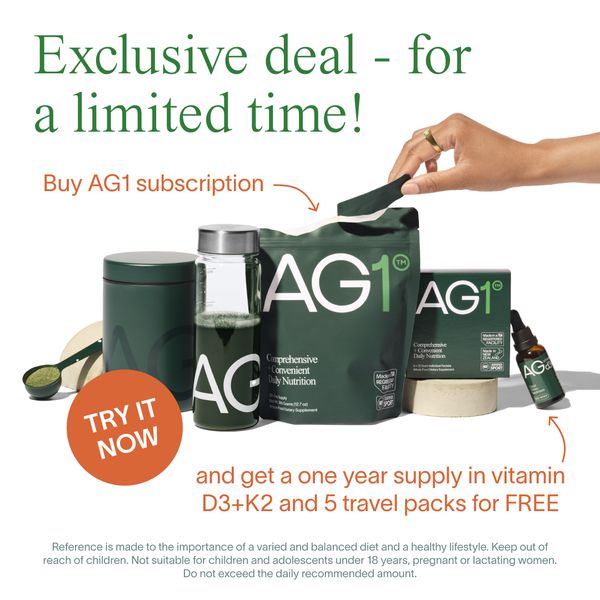
What it does. Opens with “Exclusive deal, for a limited time” and stacks a free one-year vitamin supply beside a single “Try it now” button.
Why it works. The deadline makes the click feel now-or-never, and the free bonus tips the maths in the buyer’s head.
Ad data. Reached 3.9M over an 86-day run. Offer ads tend to reach less than a great hook but convert harder, which is why AG1 keeps one running at all times. Gender split: 42% women / 58% men.
17. Risk reversal
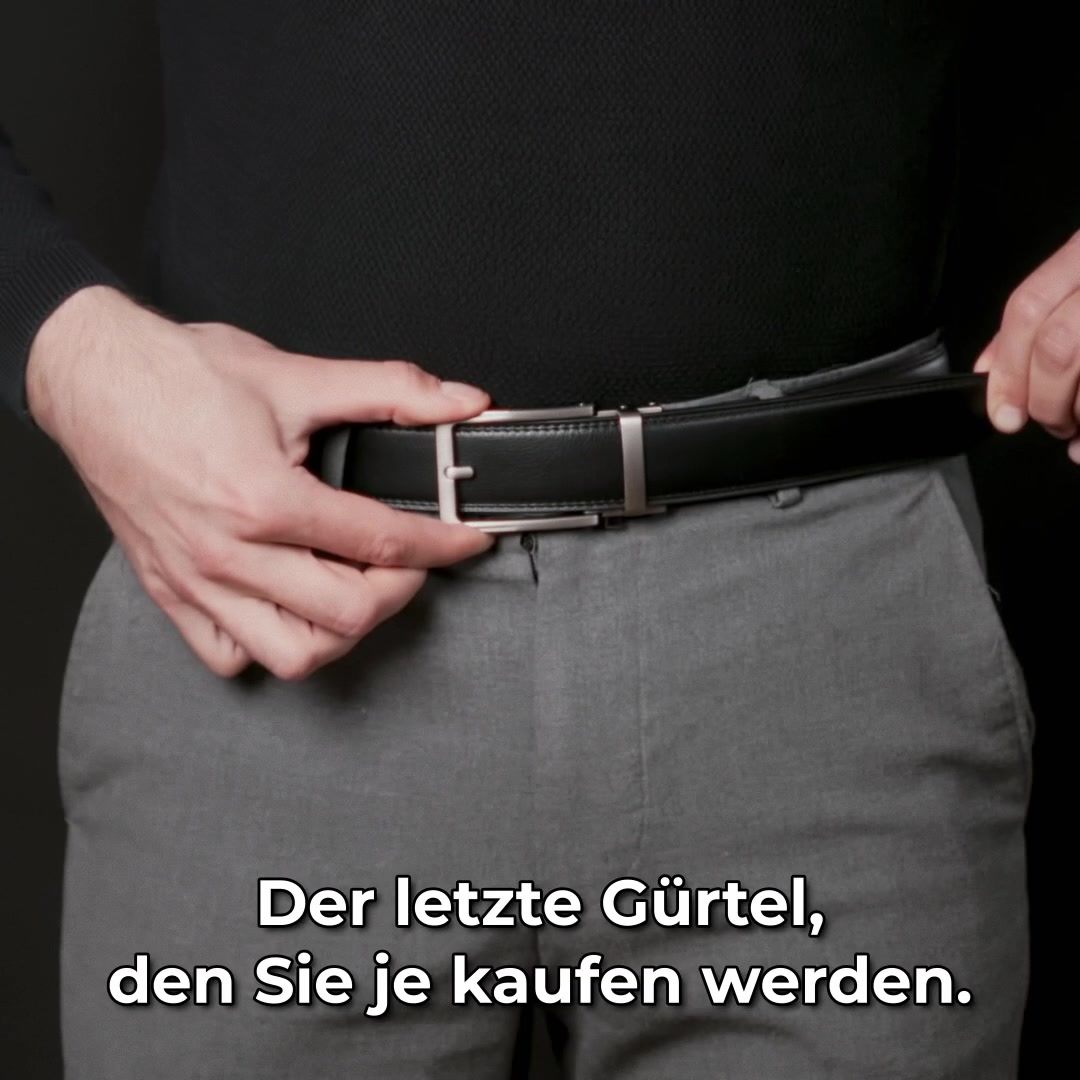
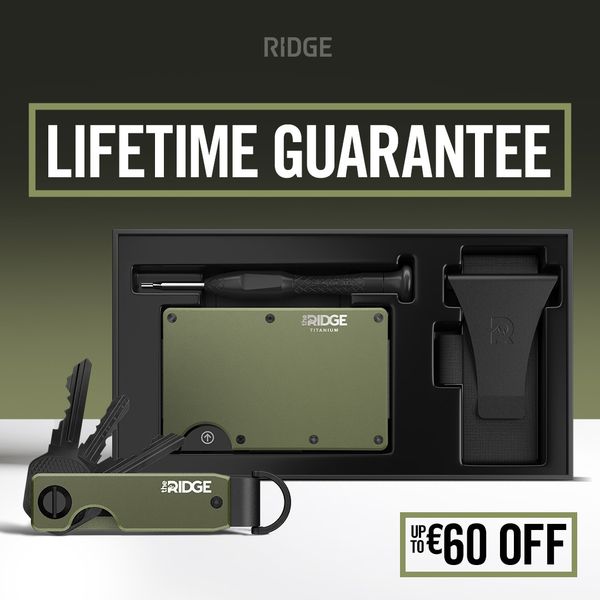
What it does. Sets “Lifetime Guarantee” in the largest type in the frame, above the product and above the discount.
Why it works. Making the guarantee the hero rather than a footnote removes the biggest objection and makes buying feel risk-free.
Ad data. Ran for 137 days at 3.9M reach, proof that a de-risking message can carry an ad for months. Gender split: 3% women / 97% men.
18. Minimalist product shot
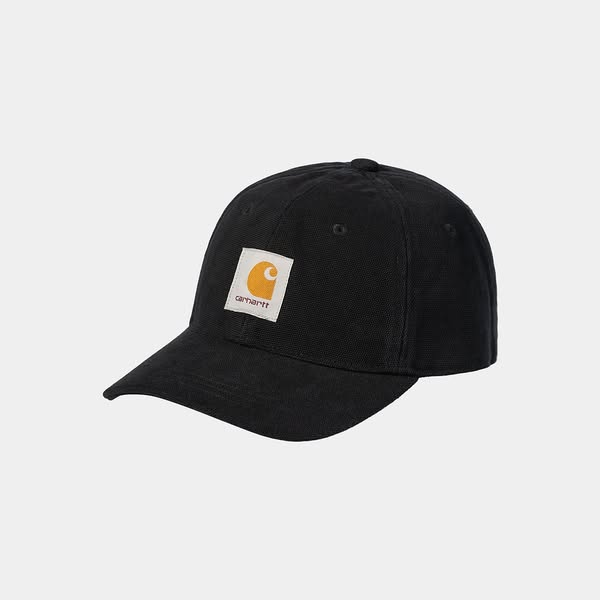
What it does. Runs the cap on a bare background with almost no words, just “Explore the Fall/Winter collection,” trusting the object to carry the ad.
Why it works. When the brand and the object are strong enough, a clean, high-craft image out-performs any copy. It is a confidence play only a few brands can risk.
Ad data. Held up for 126 days at 4.7M reach, which shows a strong product shot does not need a hook to keep working. Gender split: 45% women / 55% men.
Facebook and Instagram ad best practices
- Front-load the hook. The opening second decides whether a video ad is watched at all. Lead with the problem, a bold claim, or a satisfying visual, and let the brand and logo arrive late. Advertisers measure this as scroll-stop rate, the share of viewers who survive the first three seconds.
- Design for sound-off. Feeds autoplay muted, so burn the message into on-screen text and captions. Never rely on a voiceover to land the point.
- Make it look native. The creatives that scale look like content, not ads: phone-shot footage, a real face, a screen recording, a handwritten note. Match the feed rather than a brand guideline.
- One idea, one action. Give each ad a single hook and a single call to action. Cramming three messages into one creative dilutes all three.
- Show proof, do not claim it. A live demo, a before-and-after, or a real testimonial beats an adjective. Let the viewer watch the product work instead of telling them it does.
How we rank the ads
The Ad Library is a curated snapshot, not a complete record of Meta advertising: we sample only the highest-reach Facebook and Instagram ads in each industry, so every count and ranking describes the top performers we track, not every advertiser on the platform. The reach numbers are the exact figures Meta publishes in its Ad Library under EU transparency rules, including the breakdown by gender, age and country, so reach is reported by Meta rather than modelled. We do not have click or conversion data, so best here means highest reach and longest-running, weighted by how fast an ad scaled. Only the estimated spend is our own figure, derived from that reported reach at an assumed 5 to 30 EUR CPM.
The raw ad data is collected via top-ads.io. The Ad Library itself is a free resource from adtribute, an attribution and analytics platform that shows which channels and touchpoints actually drive your revenue.