







The Software & Apps hub gathers the highest-reach Meta ads from SaaS platforms and consumer apps, spanning bookkeeping, language learning, therapy, finance and health tracking. These are the creatives that keep getting served across Facebook and Instagram because they keep earning their spend. The patterns below show what a winning software or app ad actually puts on screen and why it holds attention.
Key takeaways
- Video does the heavy lifting. Across 229 ads in this hub the split is 71% video and 29% image, so most top-performing software and app creatives are motion-first.
- A tight field of advertisers, broad reach. Just 13 distinct advertisers appear here, with a median reach of 3.0M and a top ad hitting 8.8M. Brands such as YAZIO, Duolingo, Lexware, BetterHelp and Pleo all show up as examples of who advertises in this space.
- Sell the outcome, not the feature. Winning creatives lead with the free time, calm or fresh start the product delivers, then reveal the app almost as an afterthought. The bookkeeping and habit-tracking ads sell a lifestyle upgrade before they sell software.
- Proof is baked into the frame. Star ratings, quantified payoffs and app-store badges are stacked directly onto the creative, turning a download into a low-risk, high-reward decision at a glance.
What makes a winning Software & Apps ad
The strongest creatives open with a hook that speaks to a feeling, not a spec sheet: a rhetorical question about how you would spend reclaimed time, a satisfying abstract visual, or a relatable moment of chaos like a desk buried in receipts. Proof then arrives fast, whether that is a screen recording of the messy old way, a named expert vouching on camera, or a card stacking a 4.6 rating with concrete benefit pills. The offer stays low-friction, often a free trial or a quantified refund, and the call to action nudges the viewer toward the store badge or trial link. The product itself frequently appears late or barely at all, because the pitch is the transformation, not the interface.
What the top Software & Apps ads look like
Scan the highest-reach ads here and a few visual patterns repeat. Many mimic the product's own interface: clean white frames with rounded, brand-colored buttons laid out like an in-app menu, or a flat brand card stacking a logo, a star rating and checkmark benefit pills over app-store badges. Others stage the pitch as everyday life, a warm kitchen scene, a backlit close-up of a hand reaching for a glass of sparkling water, or a fake phone messaging thread where a friend recommends the tool. A third cluster opens on the pain itself: a cramped expenses spreadsheet or a screen recording of the manual old way, with bold on-screen text carrying the message. This hub skews motion-first, at 71% video versus 29% image.
Prefer one format? Filter this page to SaaS & Software video ads or SaaS & Software image ads only.
Winning ad frameworks in SaaS & Software
The highest-reach SaaS & Software ads reuse a handful of proven creative frameworks. Here are the ones that stand out here, each with a real example you can play or open in full.
1. Reclaim-your-time question hook
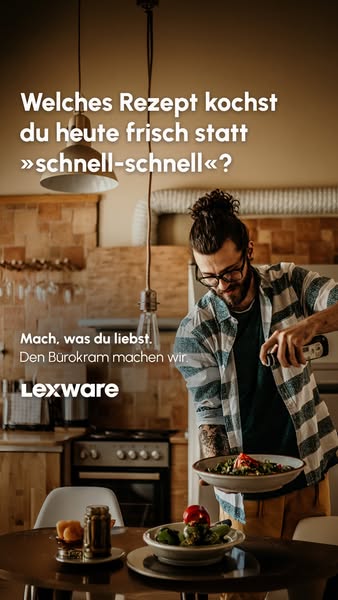
What it does. A warm lifestyle photo of a man plating a fresh home-cooked meal in his kitchen sits under the bold rhetorical question 'Welches Rezept kochst du heute frisch statt schnell-schnell?', with the payoff line 'Mach, was du liebst. Den Buerokram machen wir.' The paperwork product never appears; the ad sells the free time it gives back.
Why it works. Leading with an aspirational 'what would you do with your time' question over an emotive image makes a dull bookkeeping tool feel like a lifestyle upgrade, and the question format invites the viewer to picture their own answer.
Ad data. This image ad reached 8.8M and ran for 33 days, tying for the highest reach among the software and apps candidates. Gender split: 42% women / 58% men.
2. Abstract-metaphor mood scroll-stopper
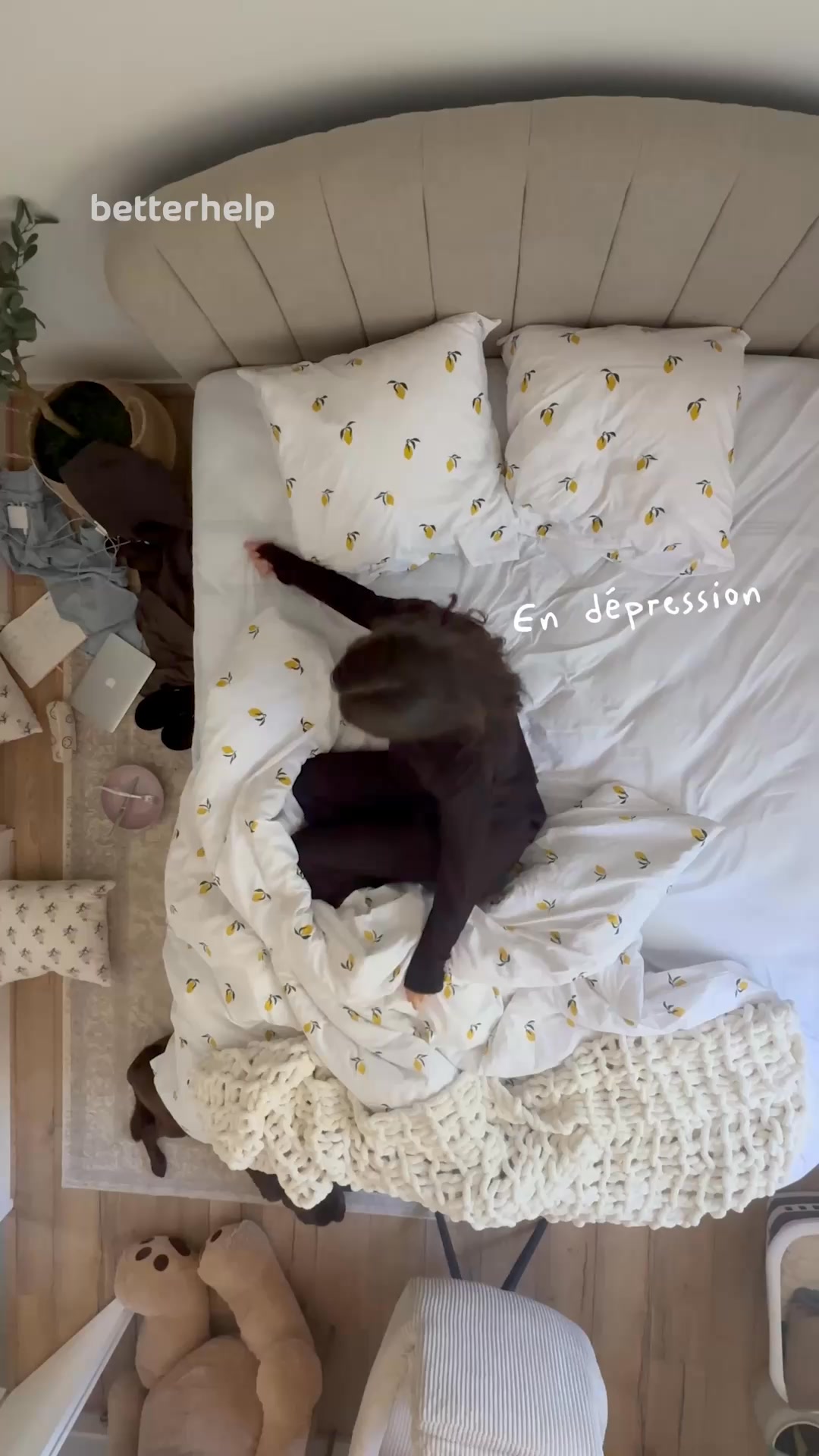
What it does. The video opens on a satisfying overhead shot of green and white paint being smeared and dragged across paper, a pure visual metaphor with no product or face, paired with the copy 'New chapter. Blank page. Endless possibilities. Write a story you love in 2025.'
Why it works. For a sensitive therapy category, an oddly satisfying abstract visual stops the scroll without stigma and lets the 'blank page, new chapter' metaphor carry the emotional pitch instead of a hard sell.
Ad data. This video reached 8.8M over 40 days, tying for the highest reach in the category. Gender split: 57% women / 43% men.
3. Pick-your-language card menu
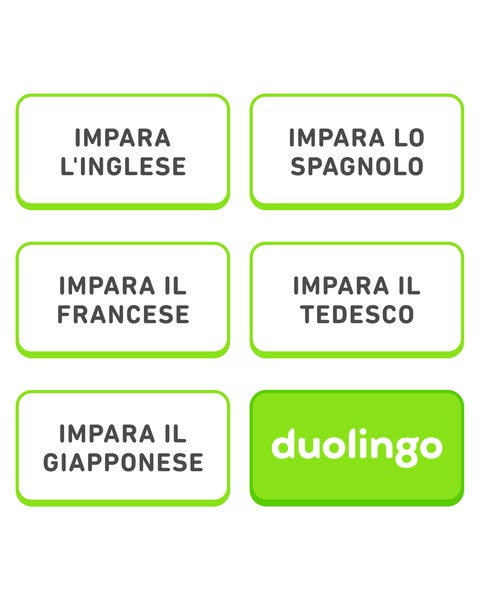
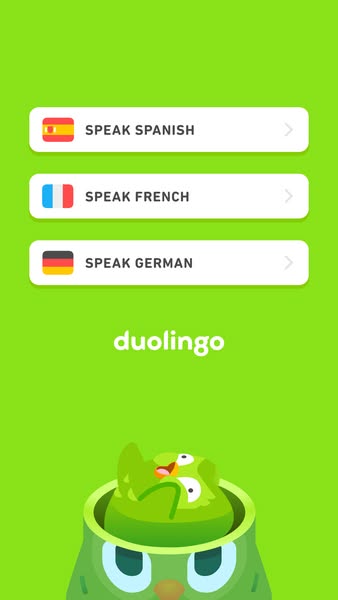
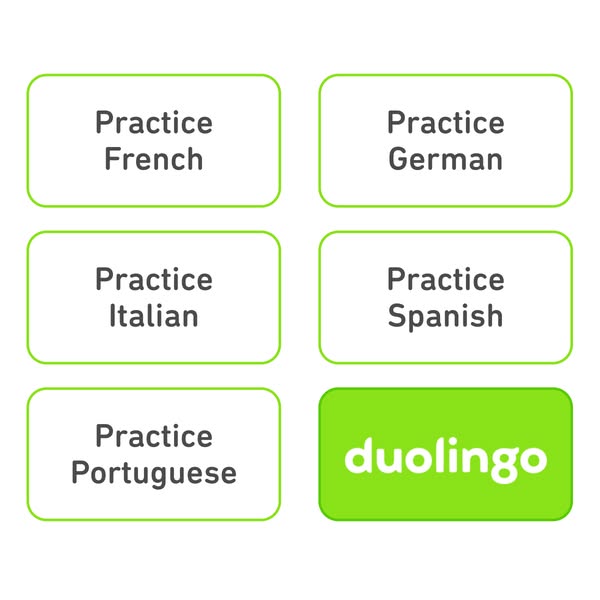
What it does. A clean white frame shows six rounded buttons in Duolingo's signature green, each naming a language to learn ('Impara l'inglese', 'Impara lo spagnolo' and so on) with the brand chip in the bottom corner, echoing the app's own lesson-select screen.
Why it works. Laying the use cases out as a tappable menu lets any viewer instantly spot their target language, and mimicking the in-app UI makes the ad feel like the product itself rather than a promo.
Ad data. This image ad reached 6.8M and ran for 69 days. Gender split: 63% women / 37% men.
4. Sensory close-up mood cut
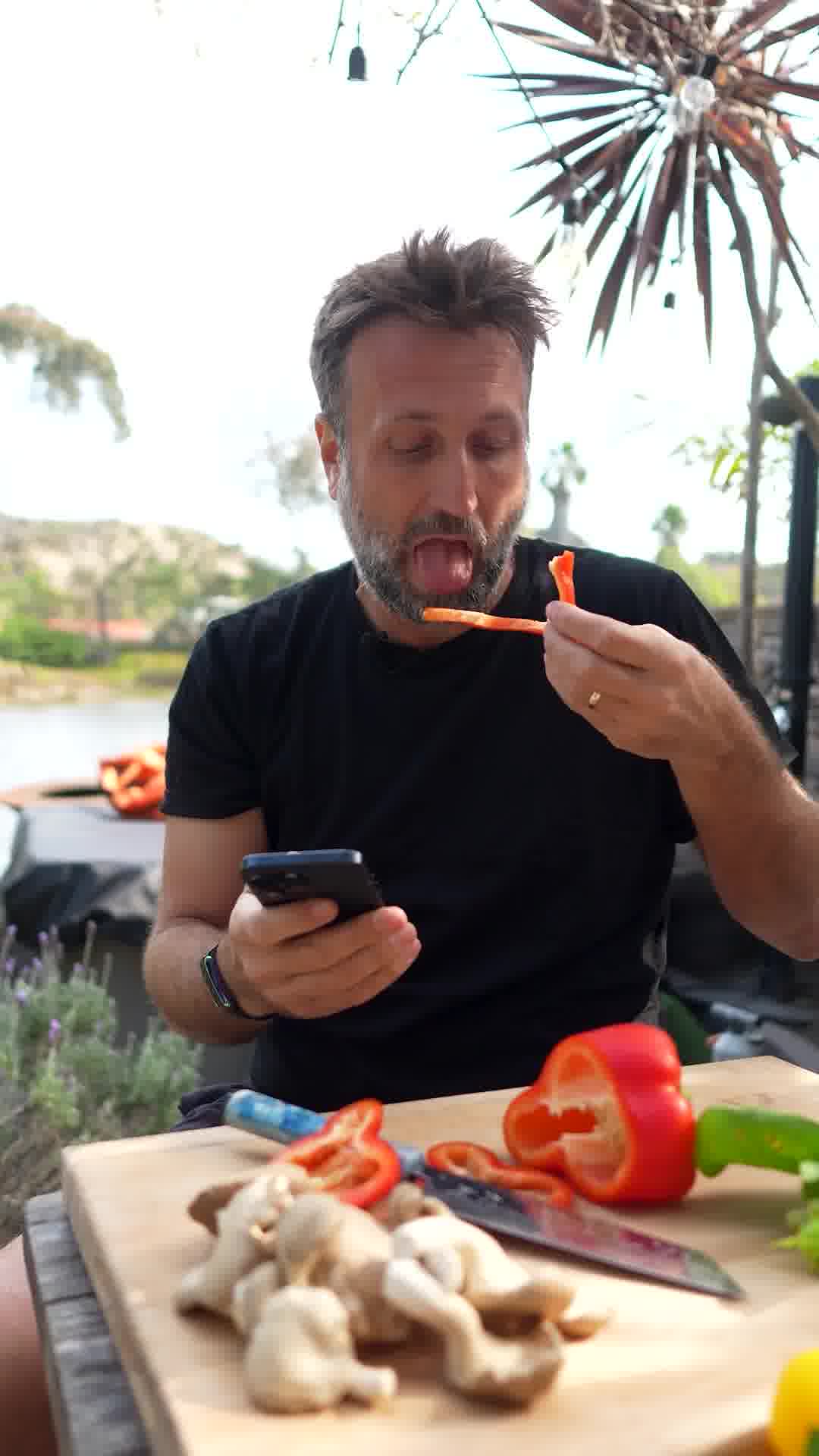
What it does. The video holds on a glossy, backlit close-up of a hand reaching for a glass of sparkling water with a lemon slice and a large ice sphere, a healthy-habit sensory image, under the copy 'Es geht um mehr als die Zahl auf der Waage. Entwickle gesunde Gewohnheiten mit Yazio.'
Why it works. An appetising, tactile drink shot triggers a healthy-lifestyle feeling in the first second and reframes a calorie tracker as gentle habit-building rather than dieting, which softens the pitch.
Ad data. This video reached 6.5M over 34 days. Gender split: 36% women / 64% men.
5. Fake-text-thread desk rescue
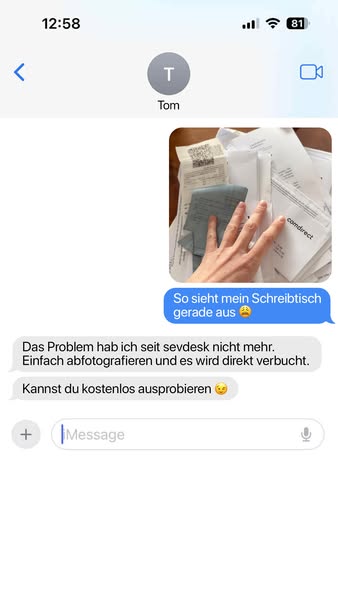
What it does. The ad is staged as a phone messaging screen: a photo of a desk buried in crumpled receipts captioned 'So sieht mein Schreibtisch gerade aus', answered by a friend's reply 'Das Problem hast du mit sevdesk nicht mehr. Einfach abfotografieren und es wird direkt verbucht. Kannst du kostenlos ausprobieren.'
Why it works. Dressing a problem-agitate-solution pitch as a private text exchange makes it read as a friend's genuine tip rather than an ad, and the receipt-chaos photo instantly names the pain it solves.
Ad data. This image ad reached 4.2M and ran for 37 days. Gender split: 57% women / 43% men.
6. Named tax-advisor podcast vouch
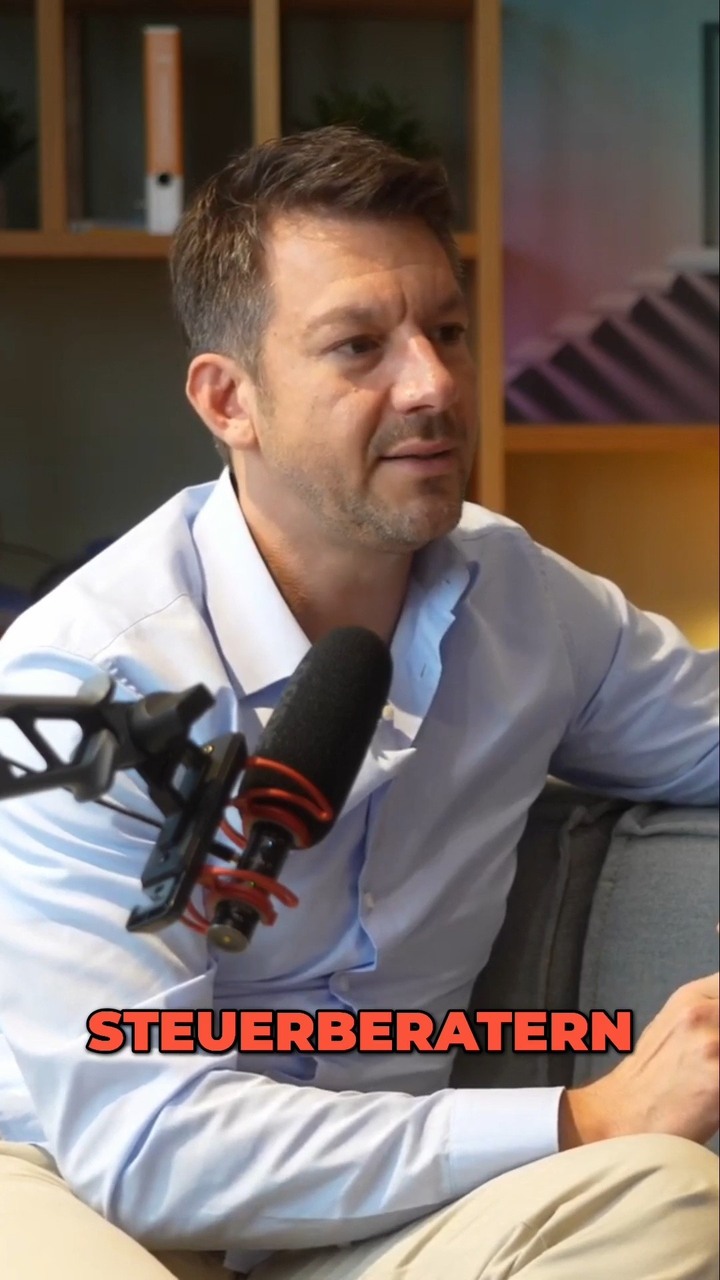
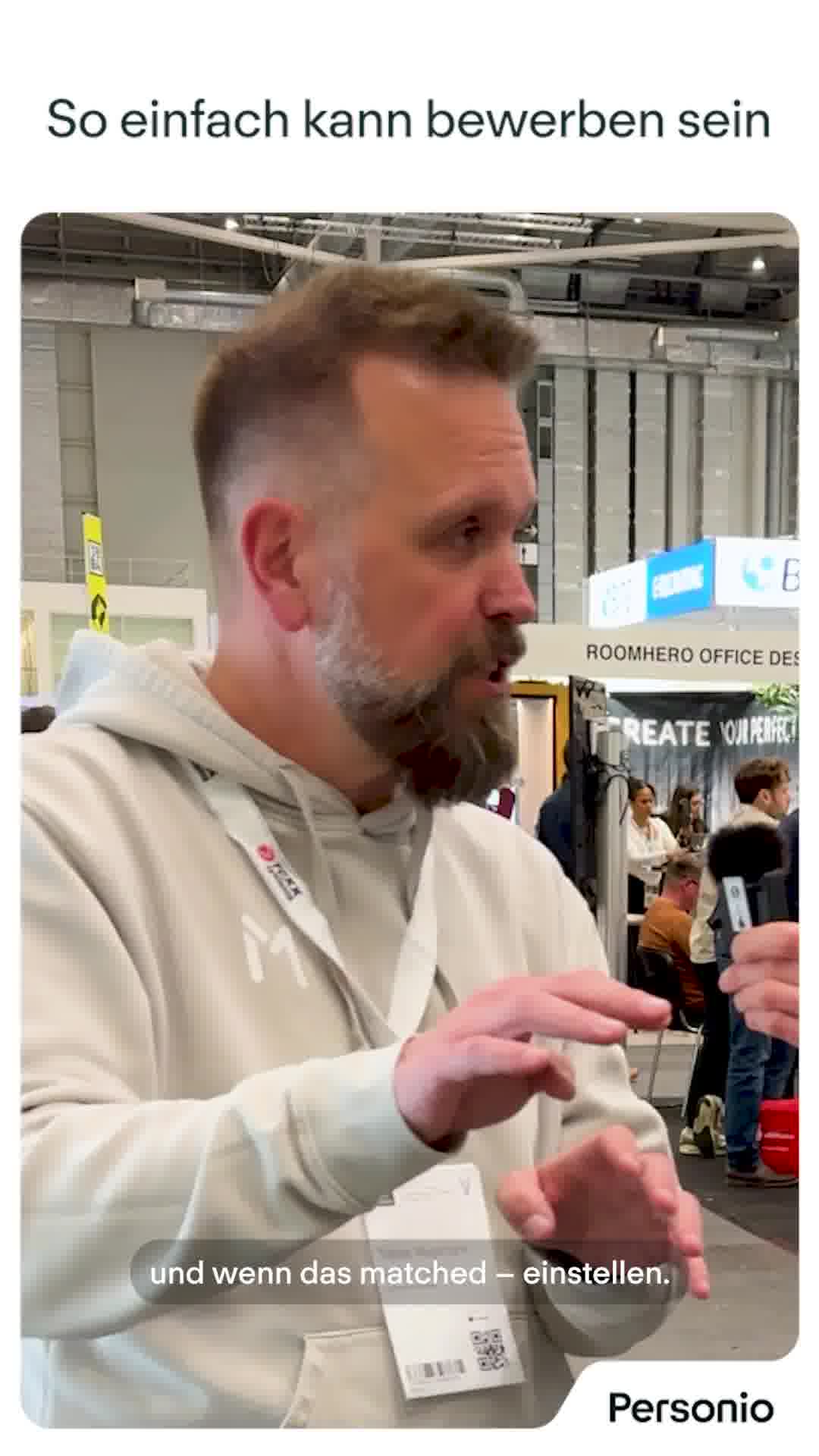
What it does. A talking-head podcast clip shows a man in a studio chair beside a boom mic mid-conversation with the burned-in caption 'STEUERBERATERN', and the copy frames it as a chat with tax advisor Daniel Kiriakou on whether tax advisors and AI fit together, to which he says yes.
Why it works. Putting a named tax professional on camera endorsing the tool borrows his authority for a trust-heavy accounting purchase, and the interview format feels like editorial content rather than advertising.
Ad data. This video reached 5.3M in just 5 run days. Gender split: 43% women / 57% men.
7. Chaos-spreadsheet before shot
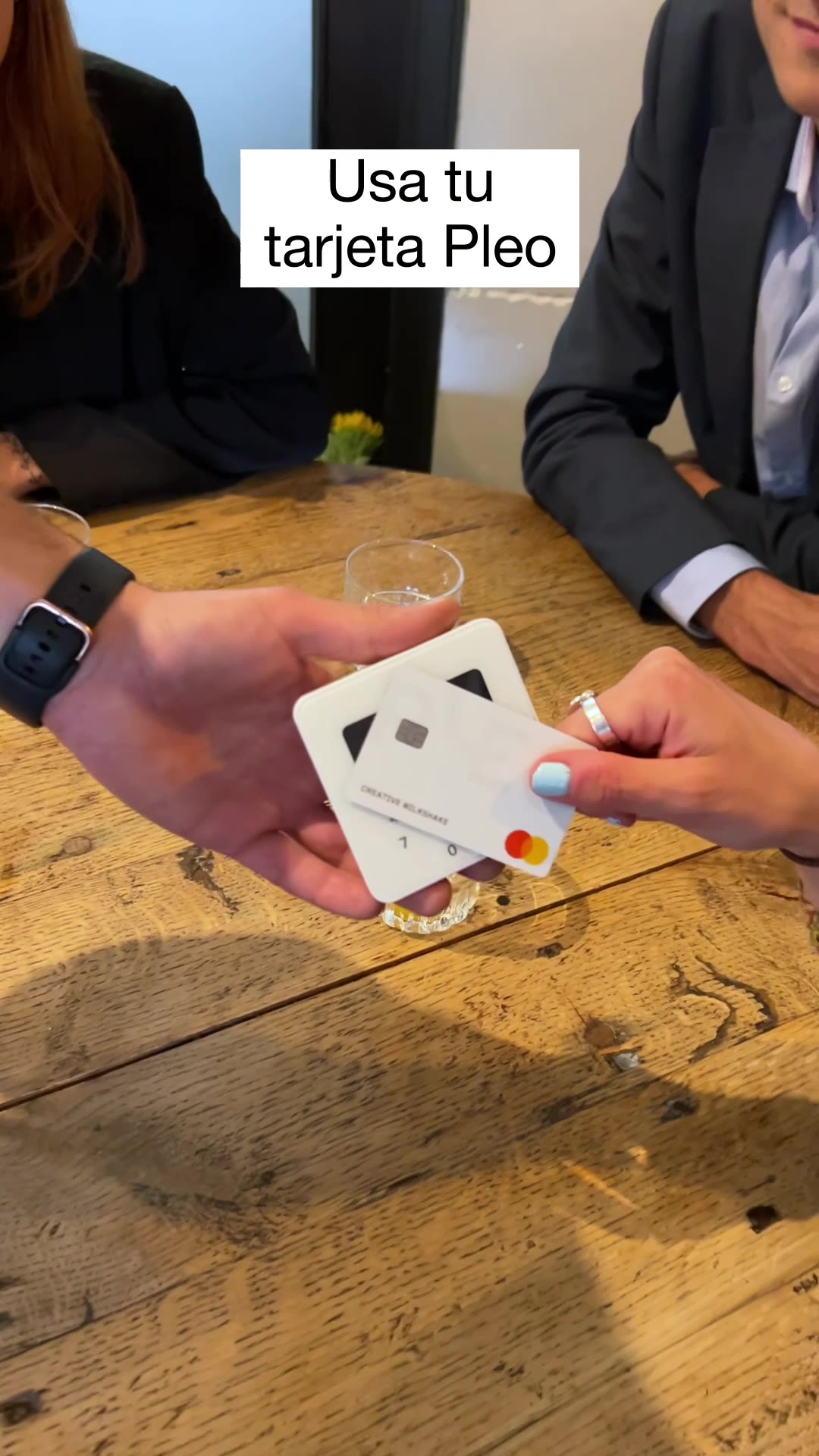
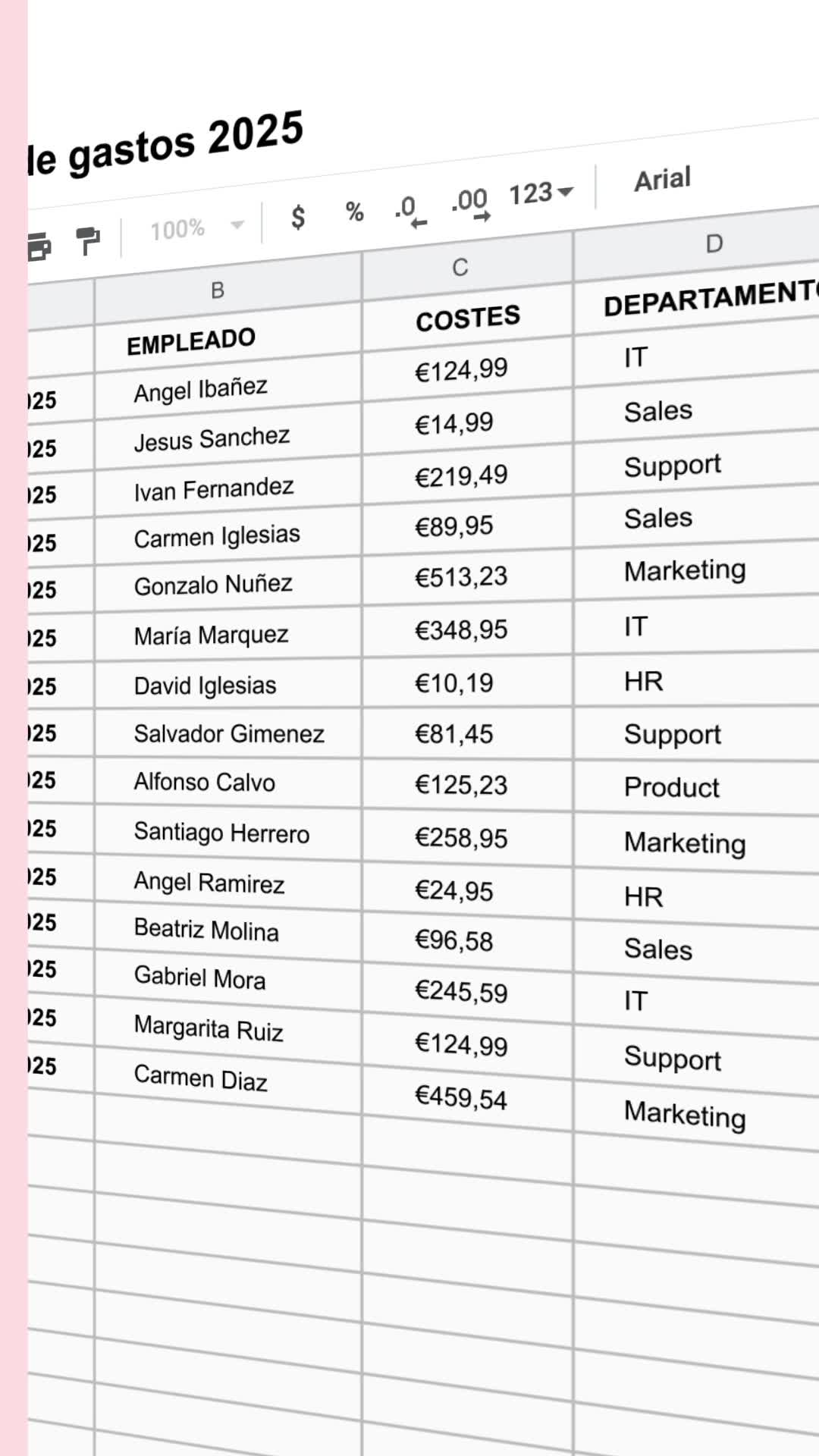
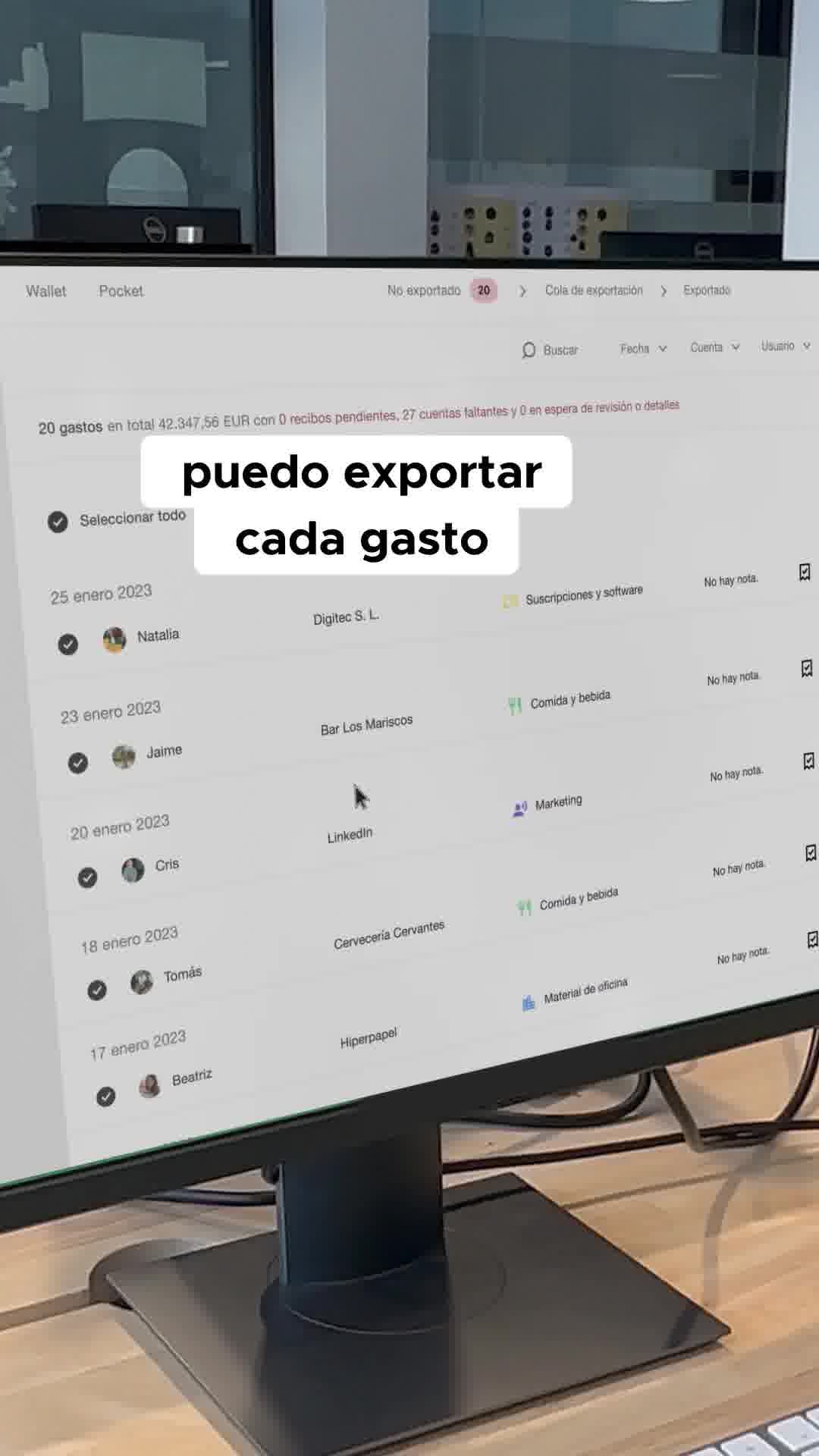
What it does. A screen recording tilts across a cramped, manual expenses spreadsheet titled 'gastos 2025', packed with employee names, euro costs and department columns, presenting the messy old way of tracking company spend before the copy pitches Pleo's smart cards and automated reports.
Why it works. Opening on a visibly overwhelming spreadsheet dramatizes the 'old way' pain that finance teams recognise, setting up the automated product as the obvious escape.
Ad data. This video reached 4.6M and ran for 269 days, the longest run among the candidates. Gender split: 36% women / 64% men.
8. Star-rating benefit checklist card
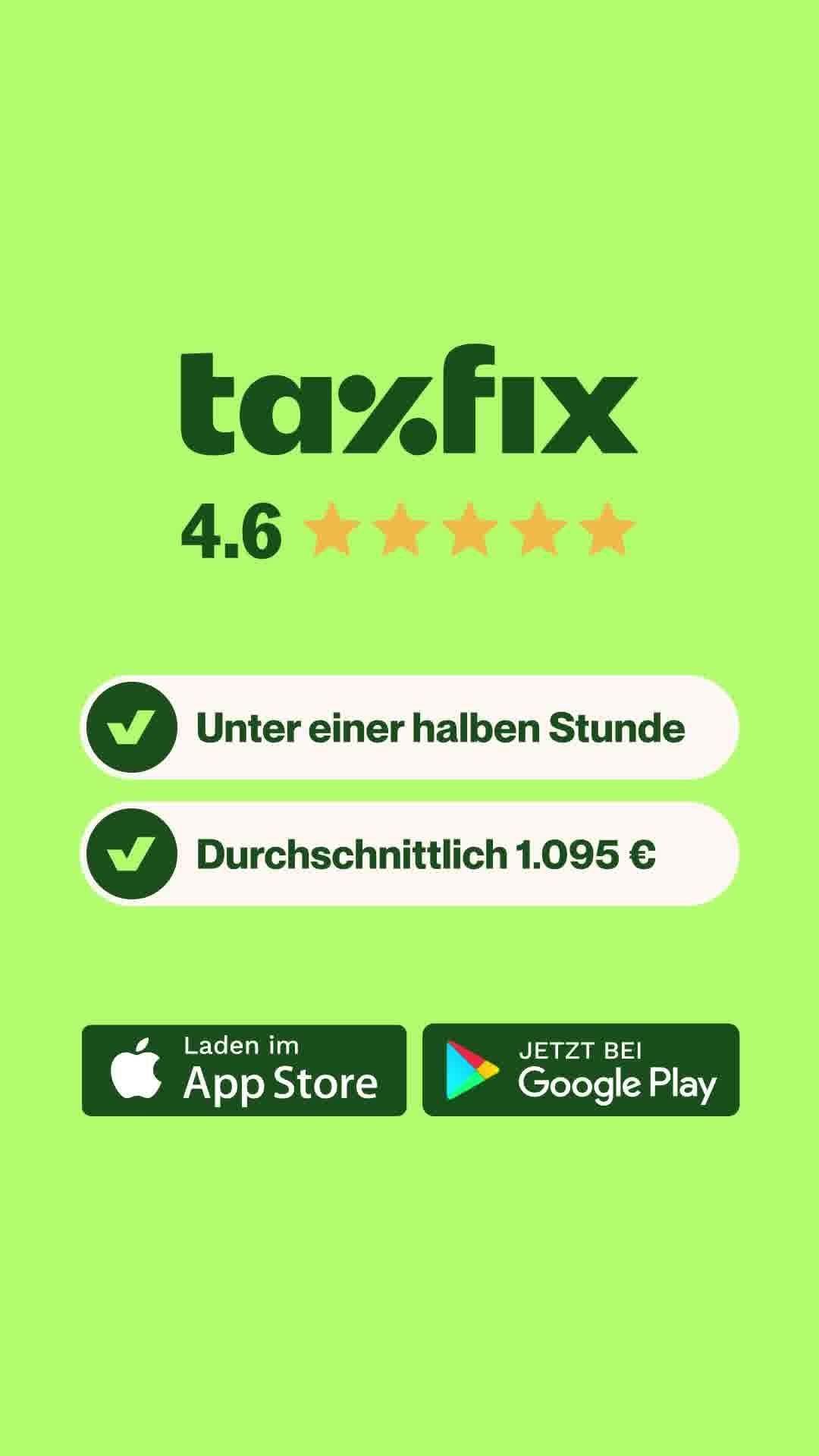
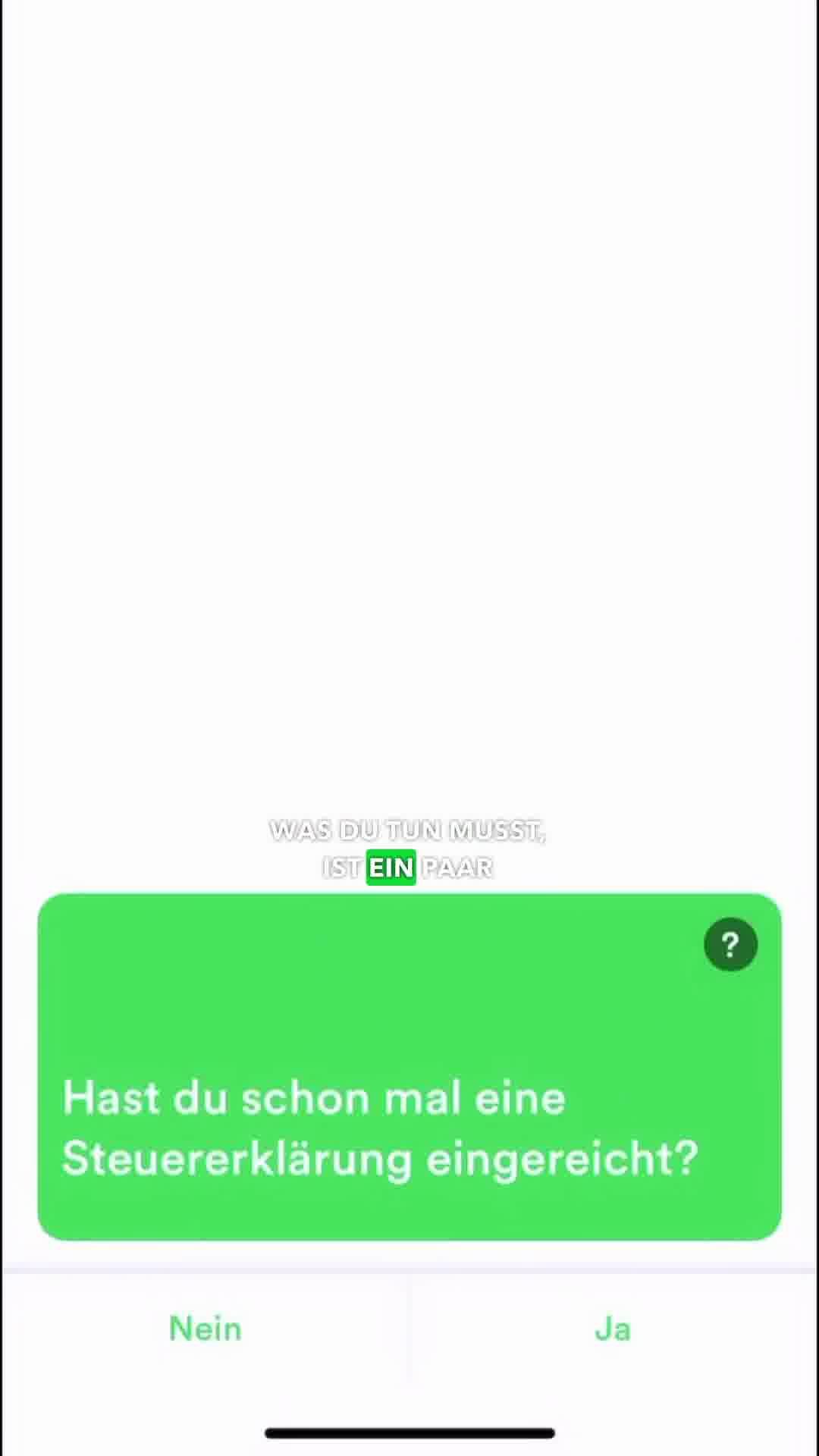
What it does. A flat green brand card stacks the taxfix logo, a bold '4.6' with five stars, two checkmark benefit pills ('Unter einer halben Stunde' and 'Durchschnittlich 1.095 EUR'), and App Store plus Google Play badges, echoed by the copy promising an average 1.095 euro refund.
Why it works. Combining a visible app rating with quantified proof points and store badges front-loads social proof and the concrete payoff, turning a tax filing app into a low-risk, high-reward download in one glance.
Ad data. This ad reached 4.7M and ran for 127 days. Gender split: 51% women / 49% men.
Software & Apps ad best practices
- Hook on the outcome, hide the product. Open with an aspirational question or feeling, such as what you would do with the time the tool gives back, and delay or drop the interface entirely. This makes a dull utility feel like a lifestyle upgrade.
- Show the messy before. Lead with a relatable pain frame, a desk of crumpled receipts or a cramped manual spreadsheet, so the automated product reads as the obvious escape. The chaos shot names the problem faster than any headline.
- Mirror the app's own UI. Build the creative to echo the product, like a language-select menu or lesson screen with signature brand-colored buttons. When the ad looks like the app, it feels like the product rather than a promo.
- Stack proof onto the card. Front-load social proof with a visible star rating, a quantified payoff and app-store badges on a single flat brand card, or put a named expert on camera in an interview-style clip. Concrete numbers and real faces make trust-heavy categories feel low-risk.
Where this data comes from
What you see here is a curated slice of Meta advertising, not a full census of it. We sample only the highest-reach Facebook and Instagram ads in each industry, so every count and pattern describes the top-performing ads adtribute tracks, not every advertiser on the platform. Reach here means the number Meta itself discloses under EU transparency rules, gender, age and country split included, taken as published. Estimated spend is the exception: we compute it from the reported reach using an assumed 5 to 30 EUR CPM.
The raw ad data is collected via top-ads.io. The Ad Library itself is a free resource from adtribute, an analytics platform for marketing attribution, so while this library shows the winning creative, adtribute measures whether yours wins too.