




Video ads are the whole of this hub, with every one of the highest-reach creatives here built as motion rather than a still. Across 3,851 ads from 476 advertisers, the winners share a common instinct: stop the scroll in the first second, show the product doing its job, and make the reason to act obvious. This snapshot pulls together what those short-form video ads look like and why they earn attention.
Key takeaways
- Motion is the whole format. The mix is 100 percent video and 0 percent image, so every top ad in this hub is a short-form video creative rather than a static frame.
- Deep pool of advertisers and reach. There are 3,851 video ads from 476 distinct advertisers, with median reach of 2.1M and a top example hitting 17M. The average run lands at 112 days, a signal that these creatives keep earning their budget.
- The pain point is the hook. Many winners open on the everyday problem shown physically on screen, such as a fat, overstuffed wallet, then land the product as the obvious fix. Leading with the pain earns the scroll-stop before any feature is mentioned.
- Show the product working. The strongest motion ads are demonstration-first: a mask peeling off in one clean sheet, a basil leaf pinched from a home garden, a belt being fitted on camera. Seeing the result removes doubt and makes the promise tangible.
What makes a winning Video ads ad
A high-performing video ad opens on a hook that is either a relatable pain point or the offer itself, delivered in the first frame before the viewer can scroll past. From there it proves the claim by showing the product in action, a peel, a pinch, a fitting, so the outcome is visible rather than described. The offer or benefit is made explicit, whether that is a slim wallet that disappears into any pocket or a blunt discount with free shipping. A clear call to action then converts the earned attention while the demonstration is still fresh.
What the top Video ads ads look like
Scanning the highest-reach ads here, you see tight product-focused framing again and again: a close-up of a mask being peeled off skin, a hand pinching fresh basil behind a home smart garden, a belt being clicked into place. Many are shot to feel unpolished and phone-native, with a real person handling the product in an everyday home setting rather than a studio. On-screen captions carry the message, often naming the product or stamping the deal directly onto the frame, while the demonstration plays out behind the text. Every one of these creatives is video, with no static images in the mix at all.
Winning ad frameworks in Video
The highest-reach Video ads reuse a handful of proven creative frameworks. Here are the ones that stand out here, each with a real example you can play or open in full.
1. Problem, Agitate, Solution (PAS)
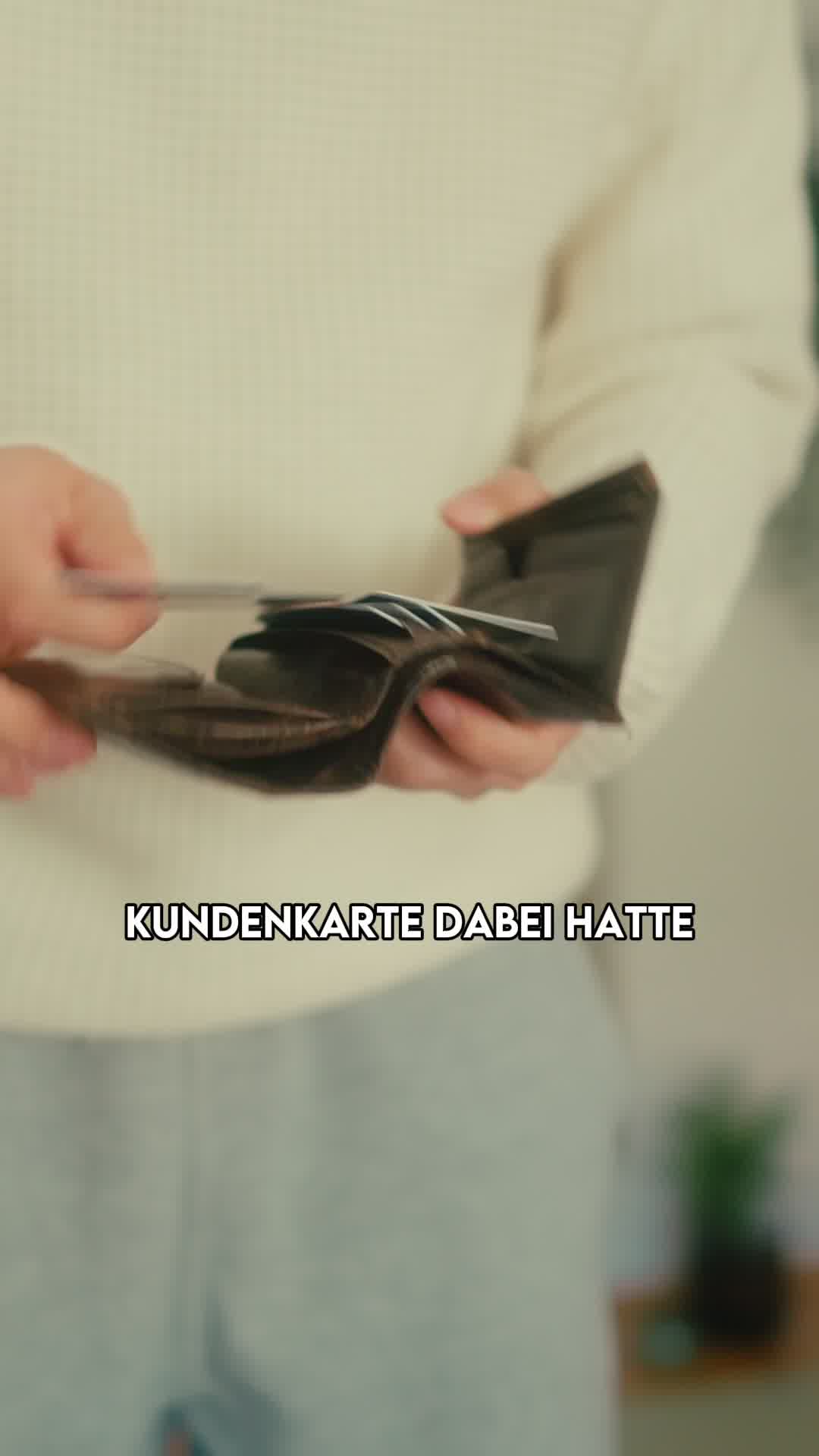
What it does. The video opens on the everyday pain point: a man fumbling with a fat, overstuffed leather wallet, the on-screen caption reading that he could barely find his loyalty card. The copy agitates it directly with "Beule in der Hose?" (a bulge in your pocket) before landing the Smart Wallet 3.0 as the slim, RFID-protected fix that disappears into any pocket.
Why it works. Showing the bulky old wallet on the frame makes the problem instantly relatable and physical, so the slim product feels like an obvious upgrade rather than a pitch. Leading with the pain rather than features earns the scroll-stop and carries the viewer through to the solution.
Ad data. Reached 15M with 137 run days. Gender split: 36% women / 64% men.
2. UGC video testimonial
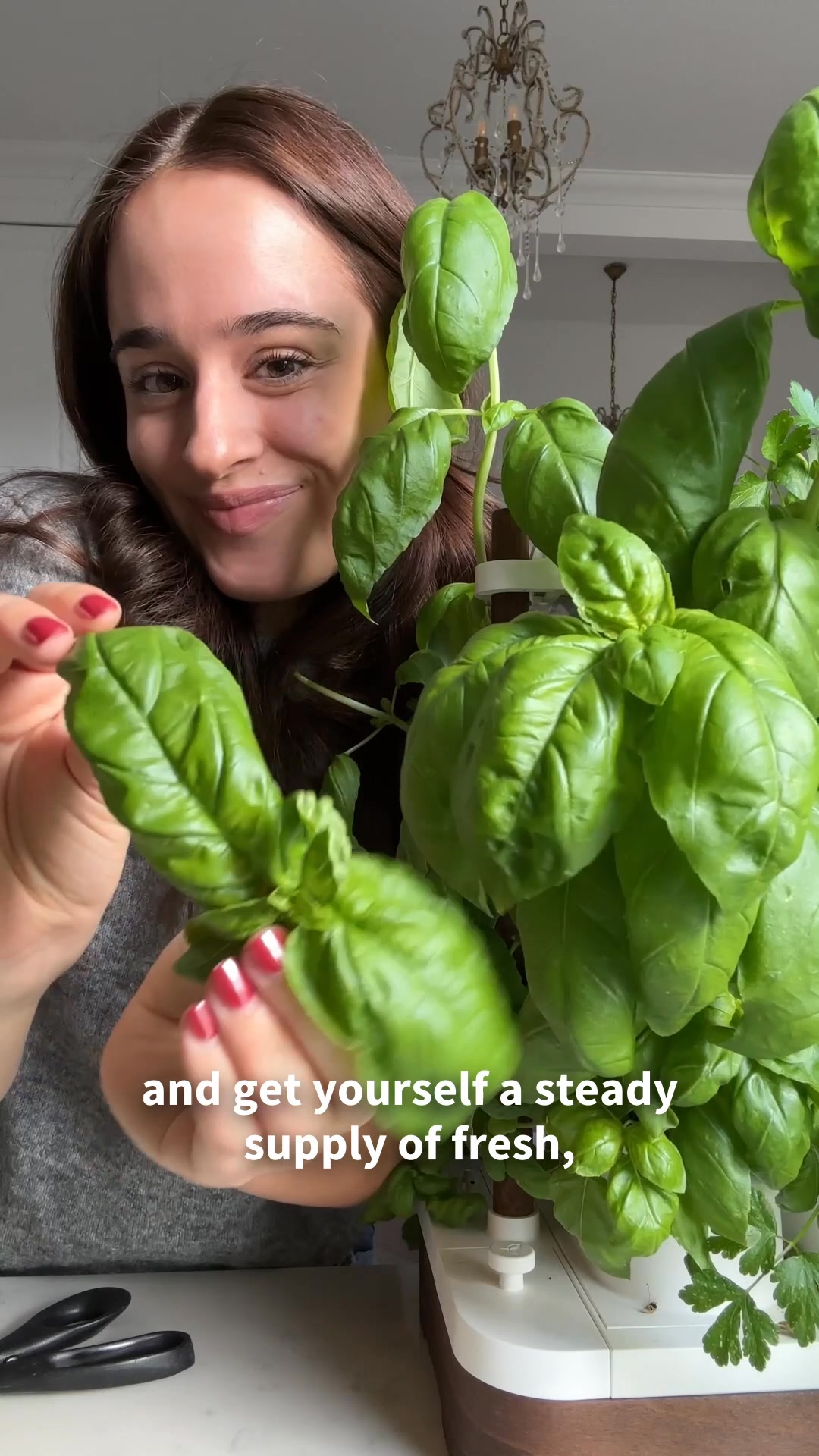
What it does. Shot on a phone in a real home, a creator leans in behind her Auk smart garden and pinches a fresh basil leaf while the caption says "and get yourself a steady supply of fresh" herbs. It reads as an organic first-person clip rather than a produced ad, with the product used casually on camera.
Why it works. The unpolished, phone-shot framing and a genuine person handling the plant make it feel like a recommendation from a friend, which lowers ad resistance. Seeing lush, real basil growing at home sells the outcome more convincingly than any studio shot.
Ad data. Reached 16M with 336 run days. Gender split: 33% women / 67% men.
3. Demo or tutorial
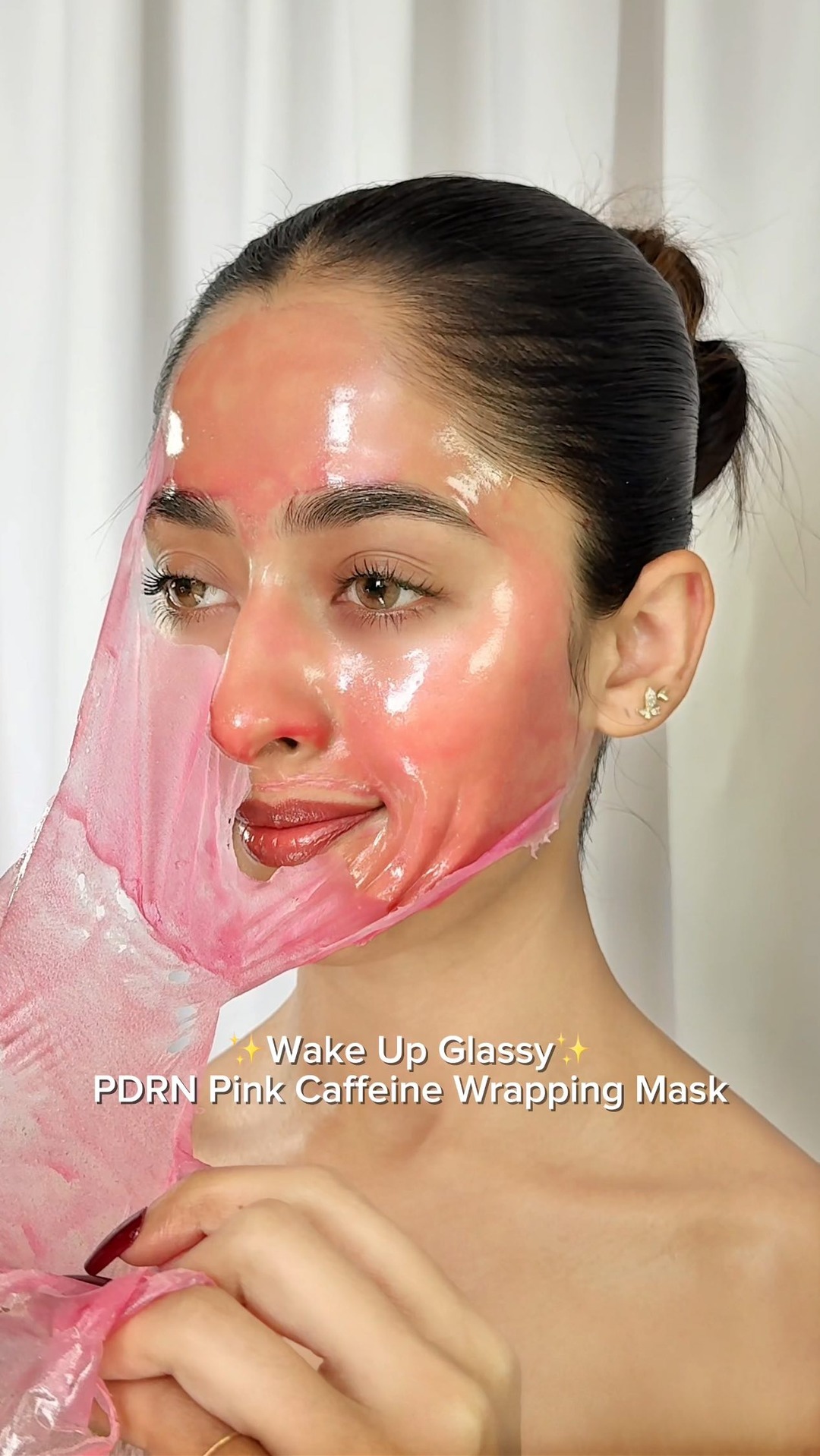
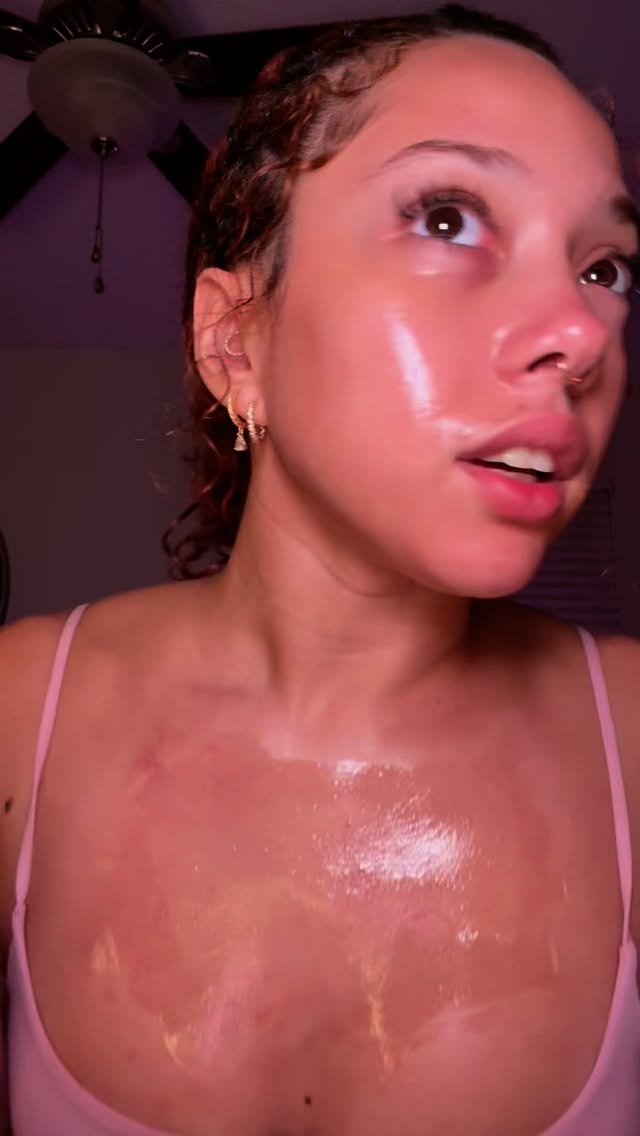
What it does. The frame is a tight close-up of the product doing its job: a woman peels the pink PDRN wrapping mask off her face in one satisfying sheet, with the caption naming the "Wake Up Glassy PDRN Pink Caffeine Wrapping Mask". The whole ad is the mask in action on skin.
Why it works. Watching the mask peel away cleanly is an inherently satisfying, results-forward demo that shows exactly how the product is used and what it leaves behind. The close-up removes doubt about how it works and makes the glassy-skin promise tangible.
Ad data. Reached 13M with 19 run days. Gender split: 50% women / 50% men.
4. Offer and urgency
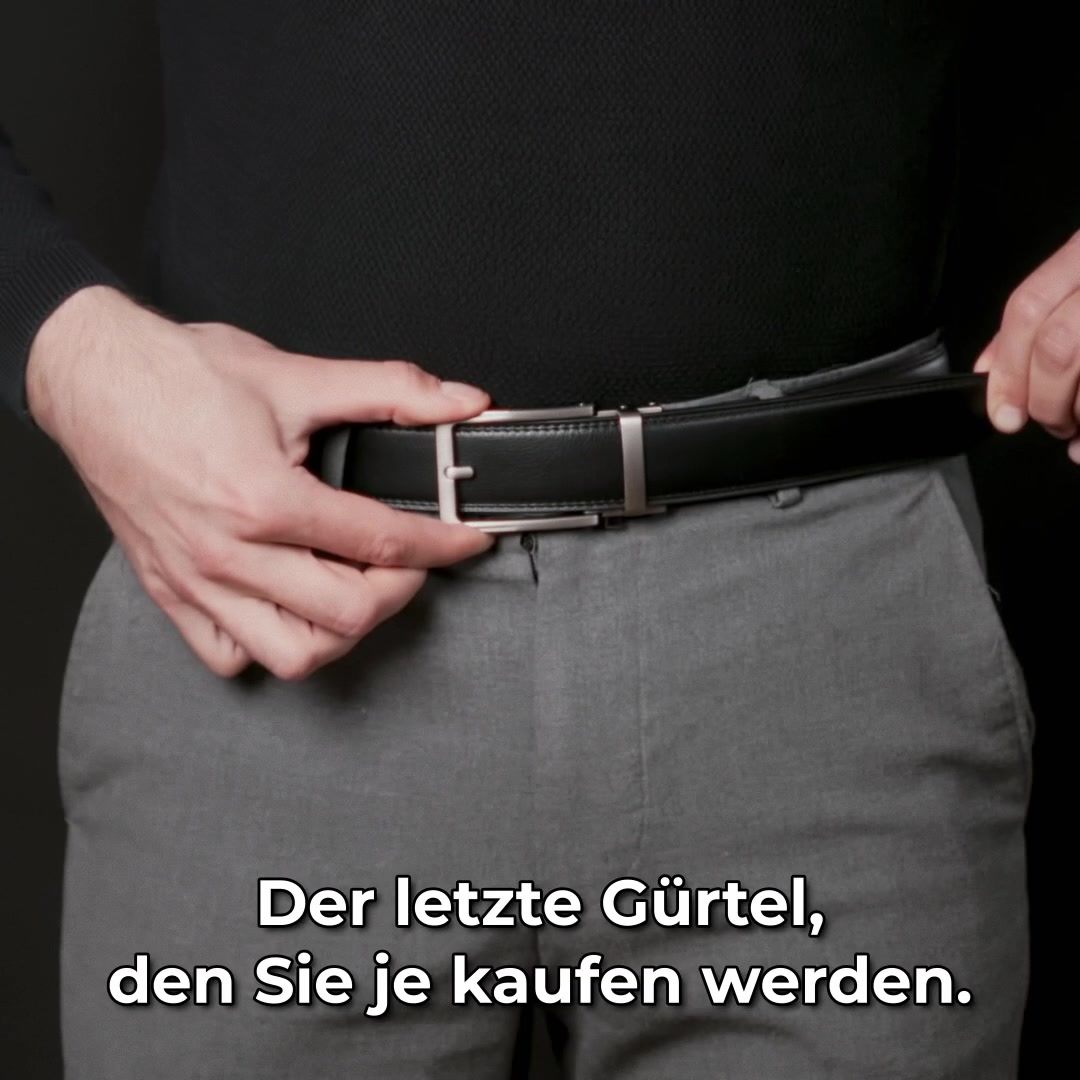
What it does. The hook is the deal itself: the title screams "MEGA SALE: 70% RABATT" and the copy leads with "70% Rabatt + kostenloser Versand" alongside the on-frame line "Der letzte Gürtel, den Sie je kaufen werden" over a close-up of the automatic belt being fitted. The discount, not the feature, is the reason to act now.
Why it works. A blunt 70 percent number plus free shipping is an immediate, unmissable reason to stop and click, and pairing it with the "last belt you'll ever buy" line frames the purchase as both cheap and final. The visible product demo behind the offer reassures that there is real value under the deal.
Ad data. Reached 13M with 145 run days. Gender split: 56% women / 44% men.
5. Satisfying reveal
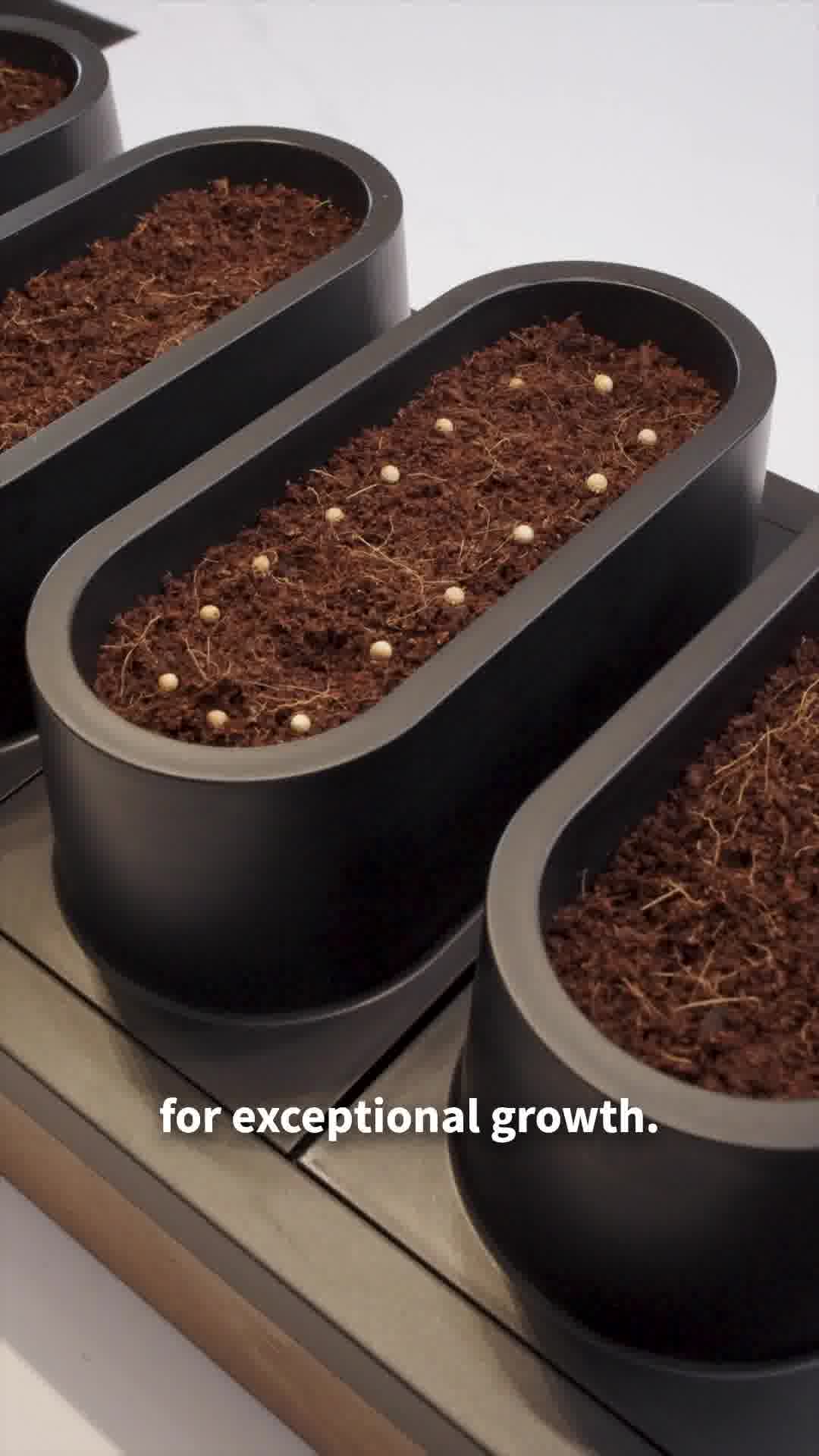
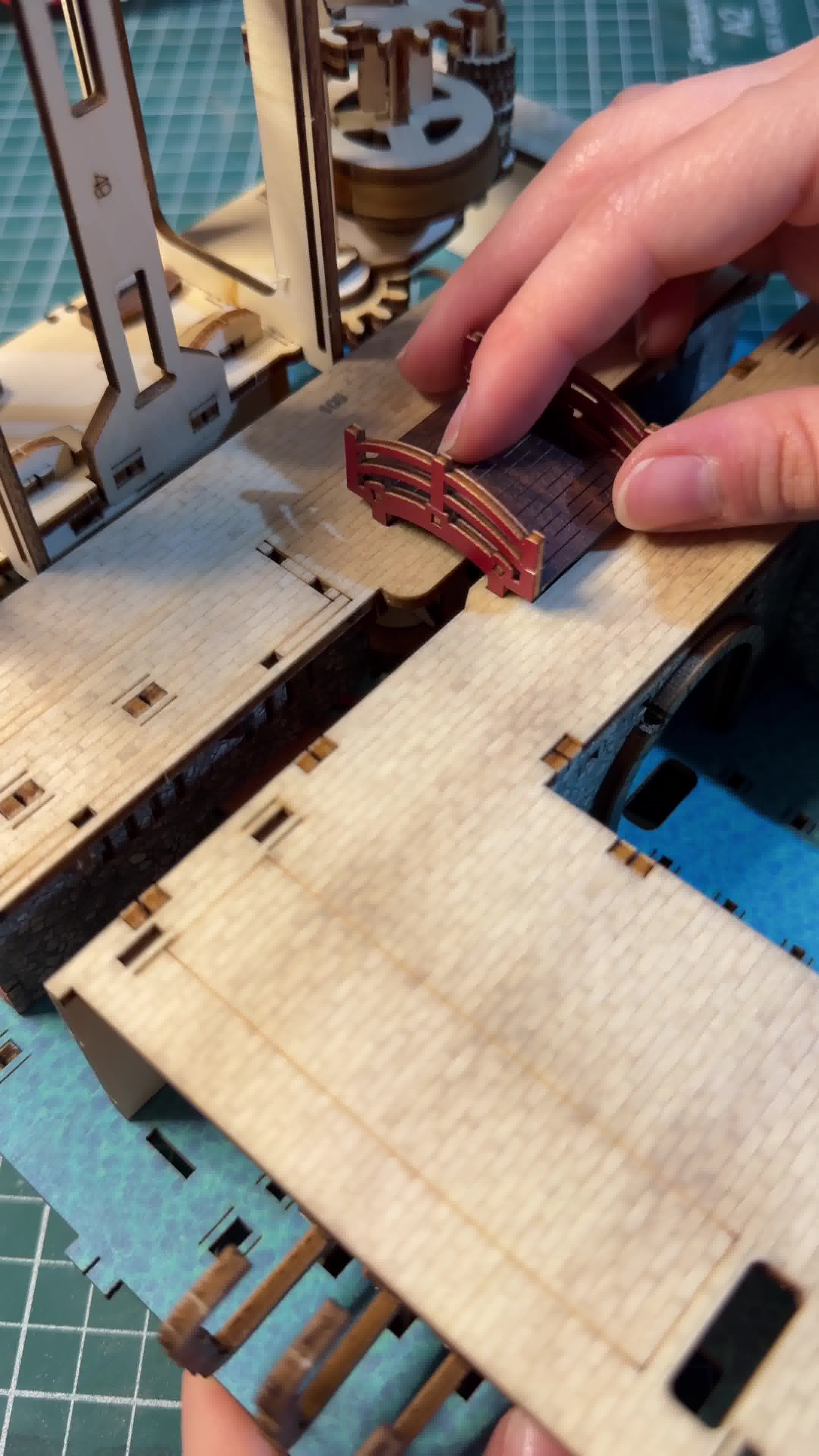
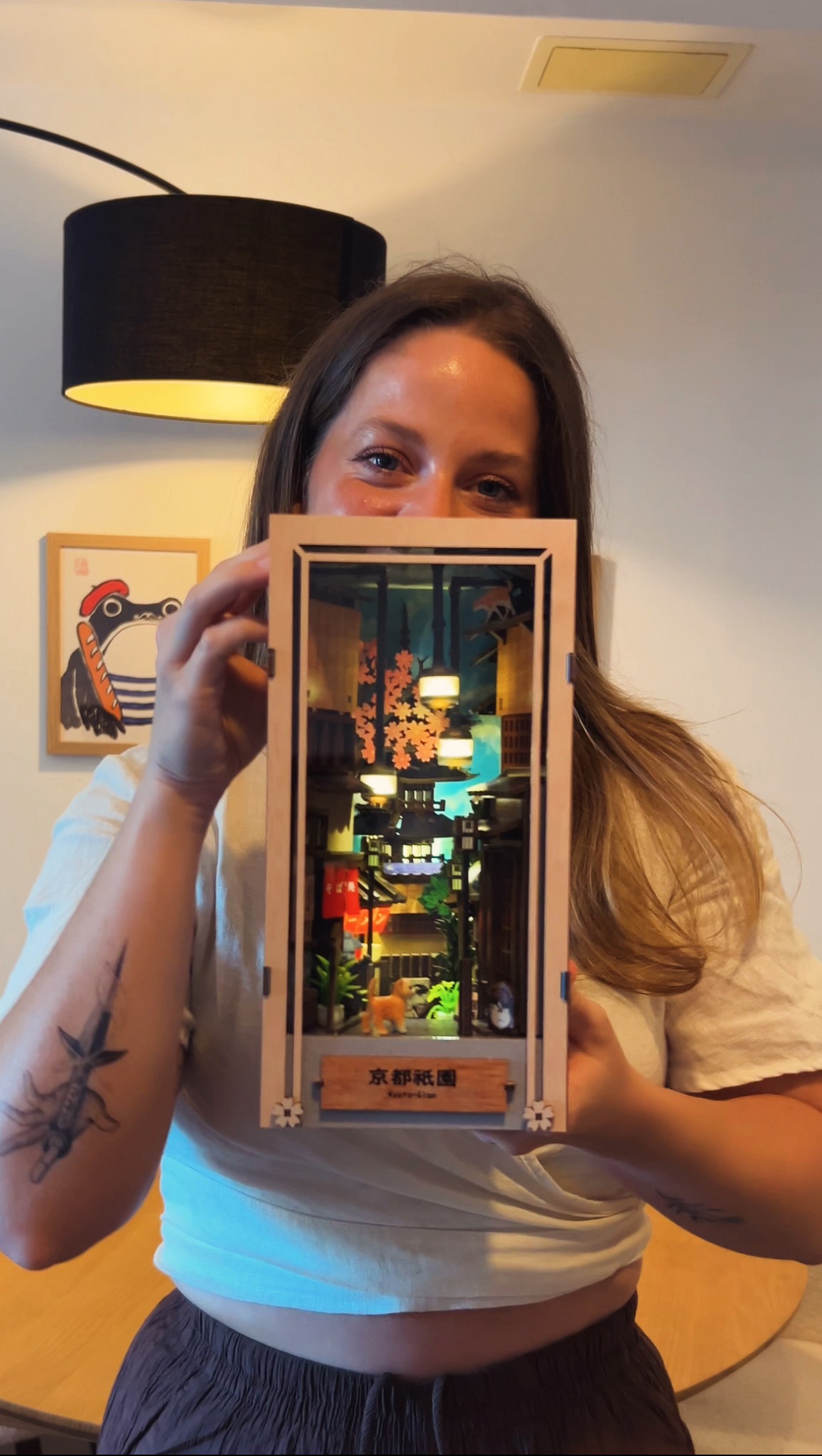
What it does. A slow, cosy close-up video reveals a finished DIY book-nook diorama, a tiny lantern-lit street scene, slotted between real books on a warm-lit shelf. The build is the whole show, with no presenter and no hard pitch.
Why it works. The craft and ASMR-style reveal is quietly mesmerising, so people stop to watch the object come to life, and seeing it staged among real books sells the finished vibe better than any claim.
Ad data. Reached 17.2M over a 195-day run, one of the highest-reach video ads in the library. Gender split: 32% women / 68% men.
6. First-person POV action
What it does. A helmet-cam POV puts you on the handlebars of a mountain bike flying down a sunlit forest trail, shot GoPro-style with a single line of on-screen text. You see the ride through the rider's own eyes.
Why it works. The immersive first-person view drops the viewer straight into the experience and reads as authentic action footage rather than an ad, which is exactly what stops the scroll for an outdoor audience.
Ad data. Reached 16.4M over a 129-day run. Gender split: 42% women / 58% men.
7. Talking-head explainer
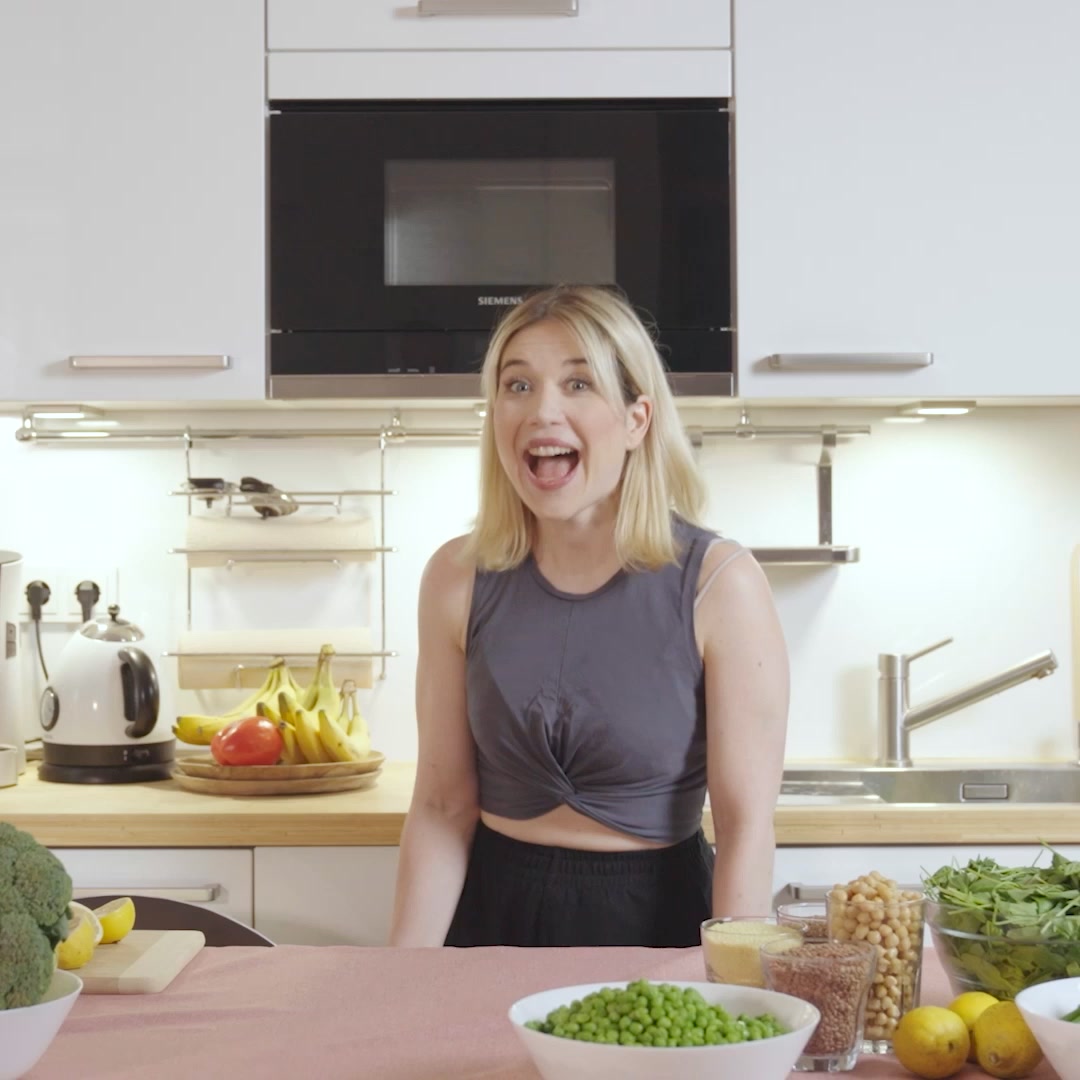
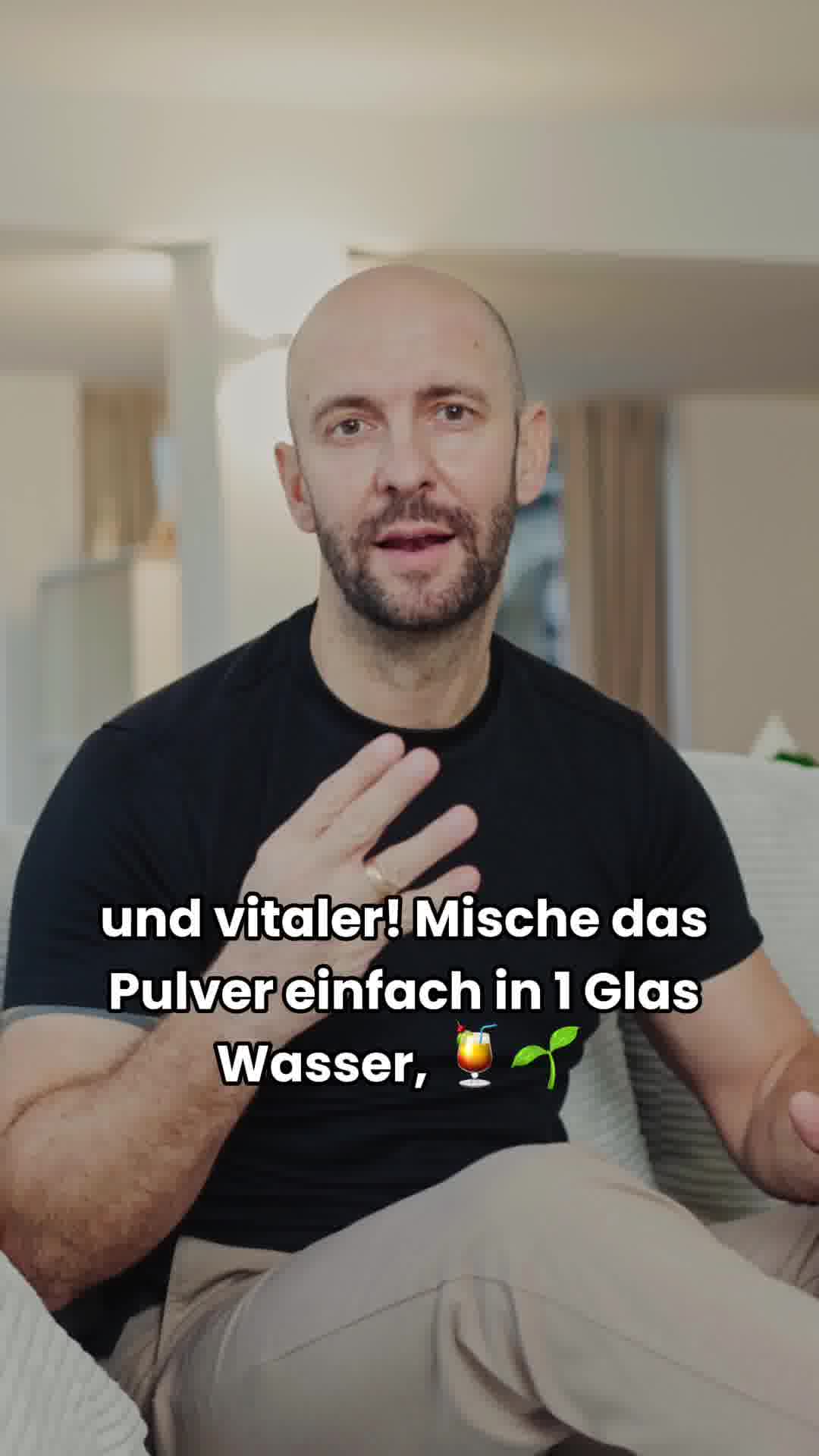
What it does. A relaxed man sits on a couch in a bright home and talks straight to camera, with burned-in captions walking through how to use the product. It is shot like a personal piece to camera, not a studio spot.
Why it works. A real face explaining the product in a living-room setting feels like advice from a person, not a brand, and the captions carry the message for the majority who watch on mute.
Ad data. Reached 13.7M over an exceptional 574-day run, a sign the explainer keeps converting month after month. Gender split: 59% women / 41% men.
8. Comment-reply hook
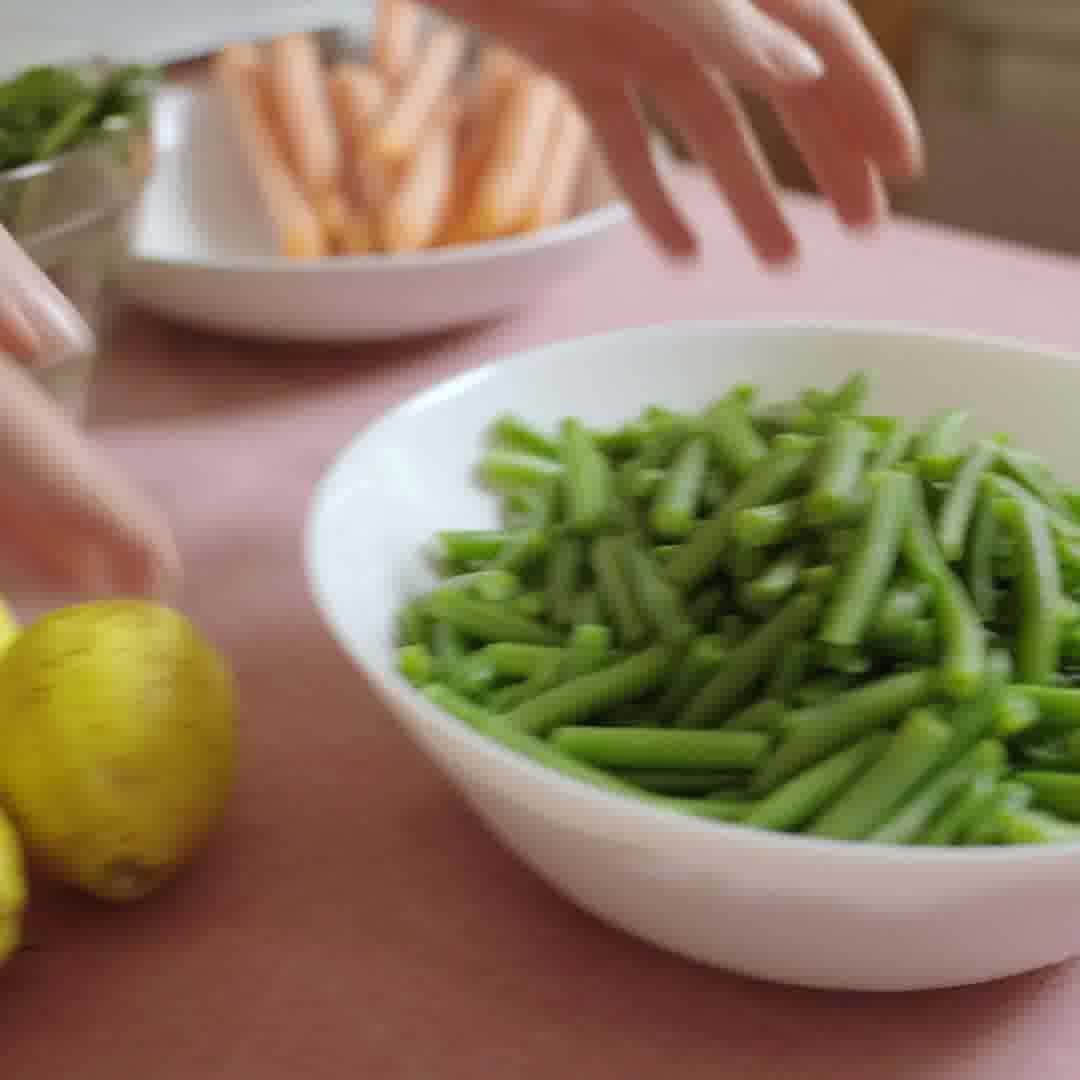
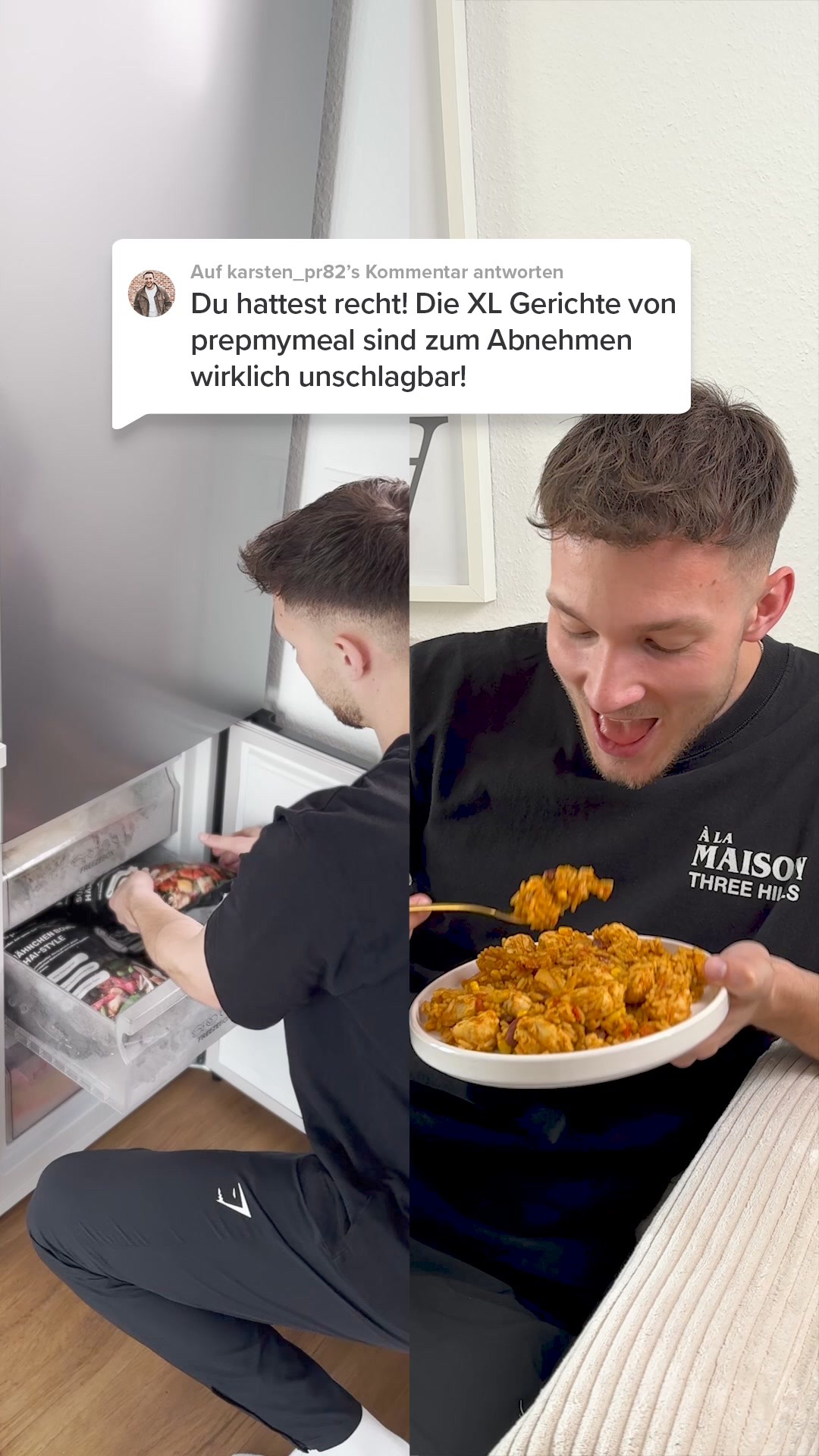
What it does. The video is framed as a reply to a real comment, with a native comment sticker pinned over a split scene: one side pulls meals from the freezer, the other digs happily into a full plate. It looks like a creator answering a question, not an ad.
Why it works. Staging the ad as an organic comment reply lowers the ad-guard, and the before-to-payoff split answers the viewer's real question in a single clip.
Ad data. Reached 12.2M over a long 527-day run. Gender split: 22% women / 78% men.
Video ads ad best practices
- Open on the problem or the offer. Put the pain point or the deal in the very first frame, like a bulging wallet or a bold discount, so the hook stops the scroll before the viewer decides to move on. Save features for after you have earned the attention.
- Make the demo the ad. Show the product doing its single most satisfying job on camera, a mask peeling clean or a plant being harvested at home, so the result is seen rather than claimed. A results-forward close-up removes doubt about how it works.
- Shoot it phone-native. Frame the clip like a genuine first-person recommendation, handheld and set in a real home, so it reads as advice from a friend instead of a produced spot. Unpolished framing lowers ad resistance and keeps the viewer watching.
- Let on-screen text carry the message. Stamp the key line onto the frame, whether that names the product or the offer, so the message lands even with the sound off. Keep captions short and synced to the moment they describe on screen.
Where this data comes from
Everything on this page comes from a curated snapshot, so it is a selection, never the whole market. We sample only the highest-reach Facebook and Instagram ads in each industry, so every count and pattern describes the top-performing ads adtribute tracks, not every advertiser on the platform. Every reach figure is Meta-reported EU-transparency data, broken down by gender, age and country; none of it is estimated on our side. Estimated spend is the exception: we compute it from the reported reach using an assumed 5 to 30 EUR CPM.
The raw ad data is collected via top-ads.io. The Ad Library itself is a free resource from adtribute, a marketing analytics platform built around attribution: this library shows what scales for others, adtribute shows what converts for you.