











The Consumer Electronics hub gathers 207 of the highest-reach Meta ads across phones, speakers, studio gear, trackers and mounts. These are the tech and gadget creatives that scaled, from unboxing-style speaker reviews to feature-drop reveals for new hardware. Use them to see what actually earns attention in a crowded electronics feed.
Key takeaways
- Video edges out image. The format mix runs 58% video to 42% image, so motion carries most of the reach here. Demos, drops and durability tests lean on video, while clean product cards do the work in still frames.
- Concentrated field, wide reach. Just 9 distinct advertisers appear across the 207 ads, with median reach of 1.3M and a top ad hitting 9.4M. Brands such as Nothing Technology, Soundboks, Universal Audio, Elgato and Rolling Square all show up as active advertisers.
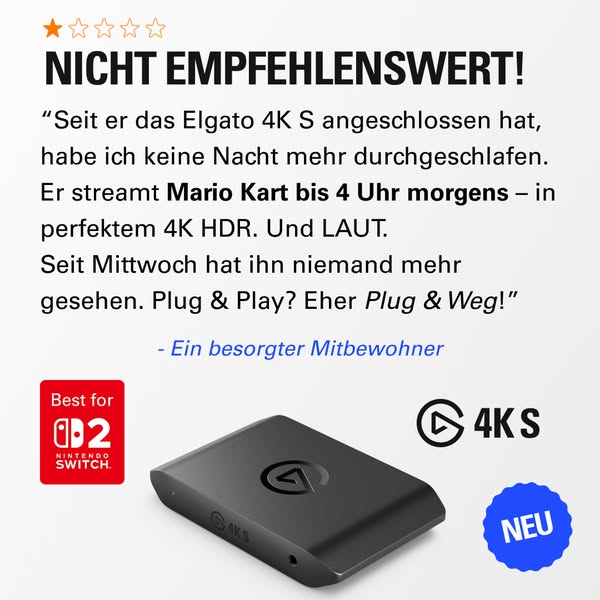
- Peer proof beats spec sheets. Winning creatives frame the pitch as a real owner's verdict, like a backyard haul review or a satirical one-star roommate complaint that flexes 4K capture. Letting the product be judged by a person lands specs as credible proof rather than brand boasting.
- Show the product surviving or upgrading. Top ads make the benefit visible: a speaker mid-tumble in a pass-fail durability split, water beading on a weatherproof cover, or a big "Introducing V2" reveal of a new tracking feature. The demonstration does the convincing before any copy is read.
What makes a winning Consumer Electronics ad
The strongest tech ads open on a hook that stops the scroll, whether it is a blunt owner's reaction, a lost-wallet panic frame, or a bold feature-drop headline. From there they show proof the buyer cares about: a durability test, a first-person install, or a hero shot where the benefit is self-evident. The offer or the news is stated plainly, from "Save BIG" deals to "Introducing V2" reveals, and the whole thing points toward a single clear action. Across the board the creative earns trust by demonstrating rather than describing.
What the top Consumer Electronics ads look like
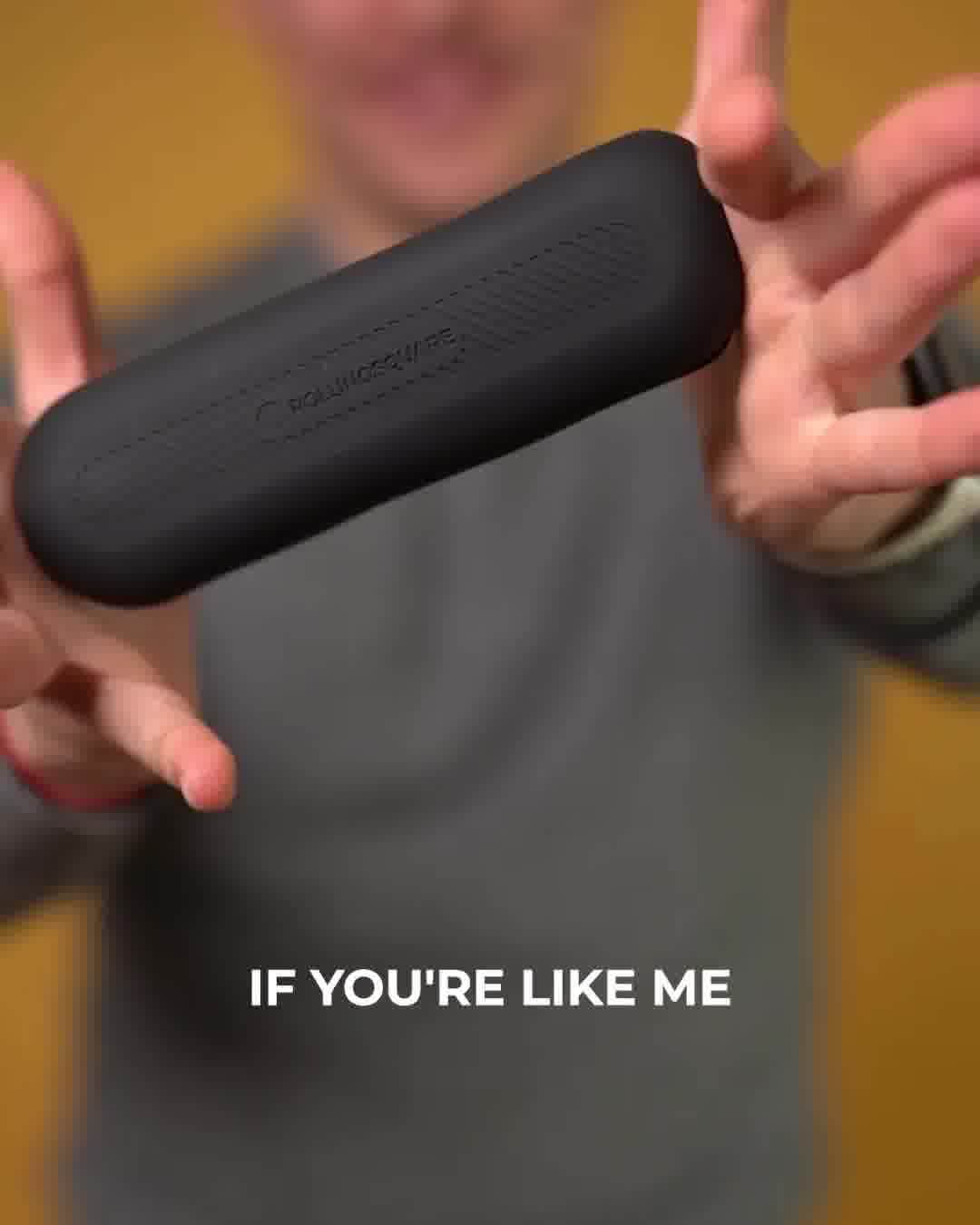
Scan the highest-reach electronics ads and you see a lot of first-person, phone-shot framing: a creator hoisting a speaker onto his shoulder, a rider's hand pressing a mount onto a motorcycle cockpit, a wallet abandoned on a bench. Product hero shots are clean and often staged on bold colored backdrops, like a hot-pink stage or a blush-pink deal card, with giant on-screen text carrying the message. Recurring devices include split-screen toughness tests, satirical review layouts, and real water droplets beaded on a weatherproof cover so the feature proves itself. The mix skews to motion at 58% video versus 42% image.
Prefer one format? Filter this page to Tech video ads or Tech image ads only.
Winning ad frameworks in Tech
The highest-reach Tech ads reuse a handful of proven creative frameworks. Here are the ones that stand out here, each with a real example you can play or open in full.
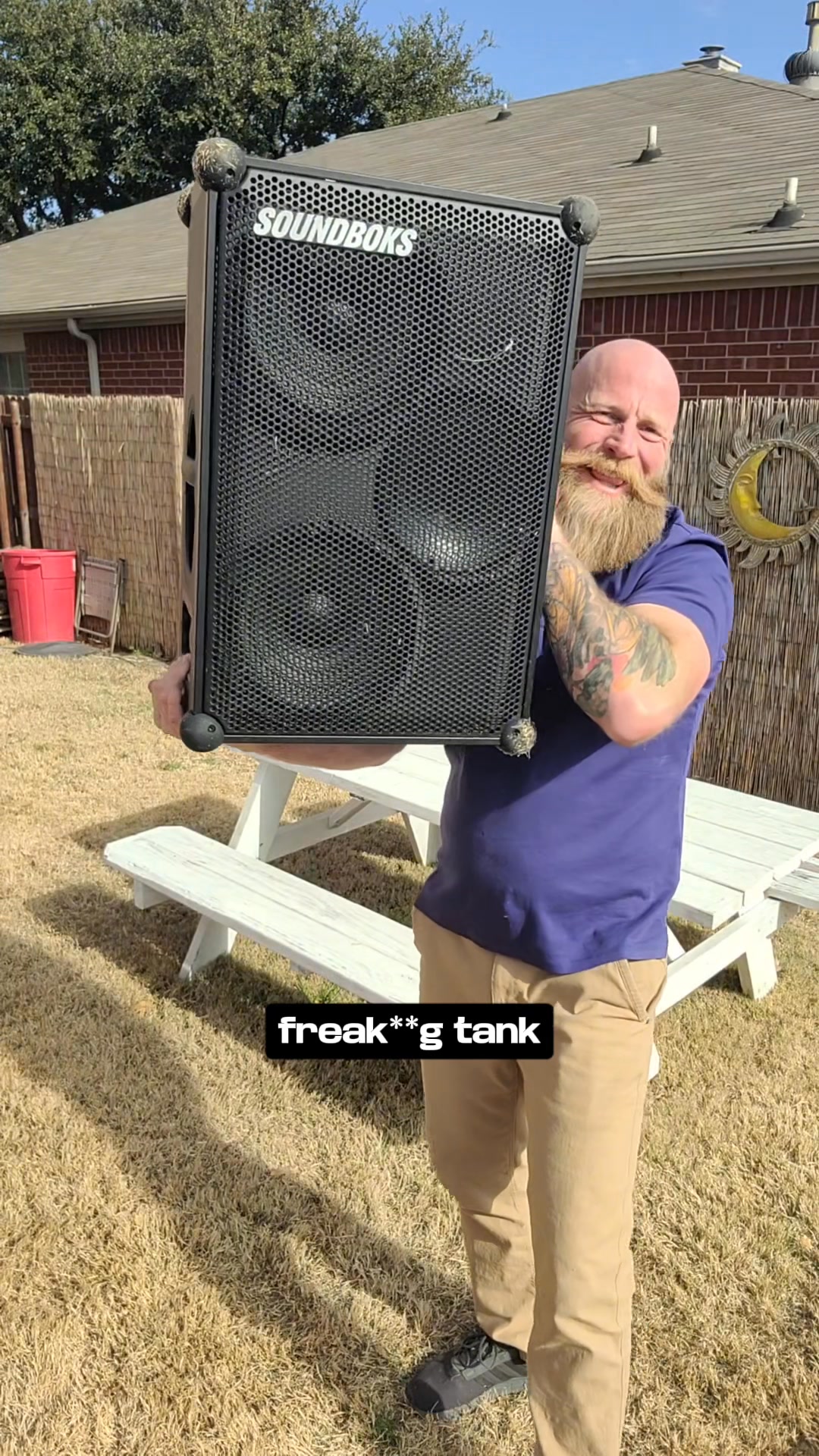
1. Backyard speaker haul review
What it does. A bearded creator in a backyard hoists the SOUNDBOKS speaker onto his shoulder with the blunt caption "freak**g tank", shot like an organic phone review rather than a polished spot.
Why it works. The first-person, unboxing-style delivery reads as a real owner's verdict, so the 126dB claim in the copy lands as peer proof instead of brand boasting.
Ad data. Reach of 3.8M over a 65 day run, the highest reach of any Soundboks ad in this category. Gender split: 16% women / 84% men.
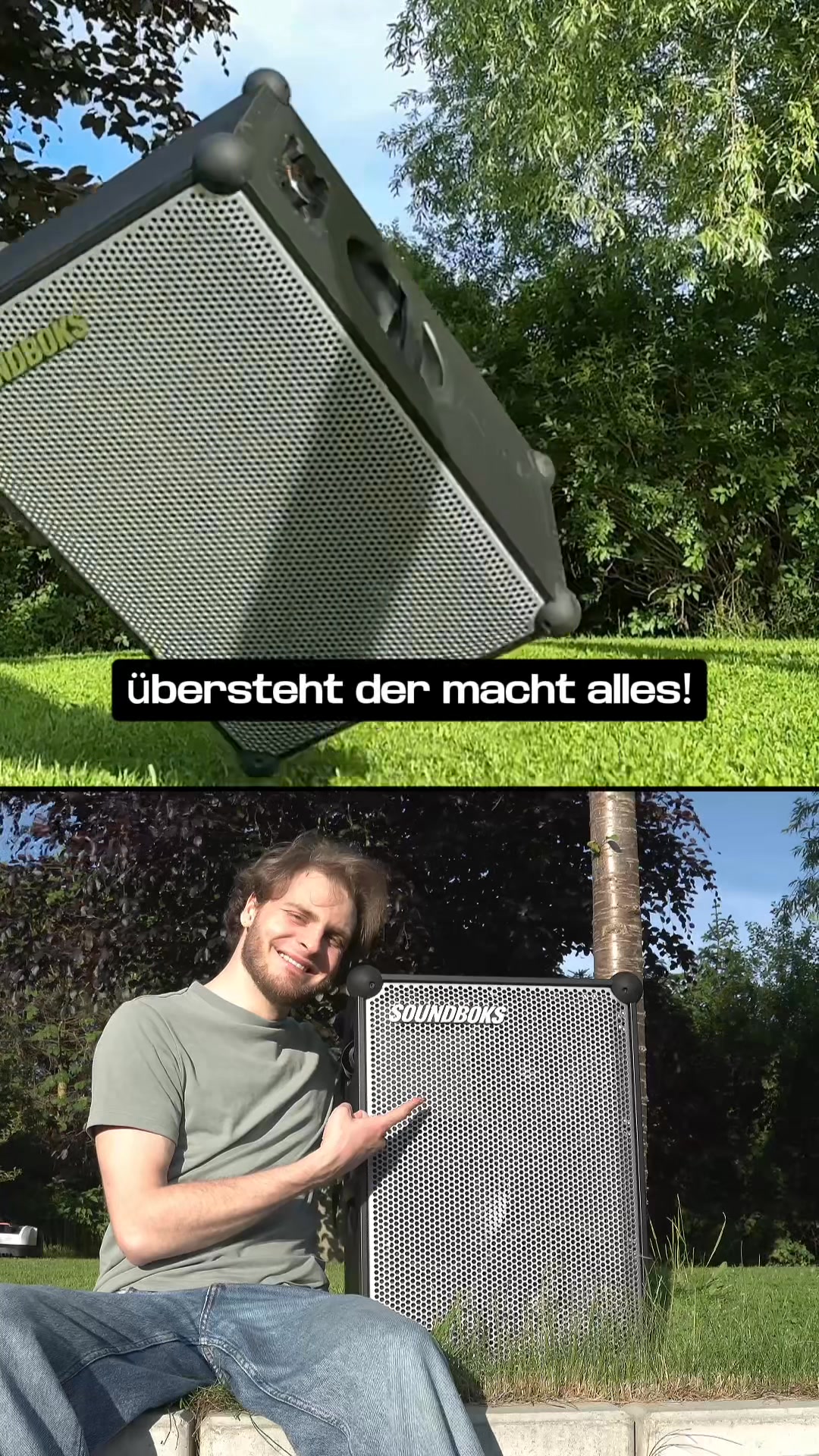
2. Speaker drop durability split
What it does. The frame splits into a top panel showing the speaker mid-tumble with "übersteht der macht alles!" (survives, does it all) and a bottom panel of a man pointing proudly at the intact box, staging a toughness test.
Why it works. Old-way vs new-way split framing turns an abstract durability promise into a visible pass-fail moment, reassuring buyers the party speaker can take abuse.
Ad data. Reach of 2.8M over a long 196 day run, one of the longest-running ads in the set. Gender split: 9% women / 91% men.
3. Studio-gear countdown deal
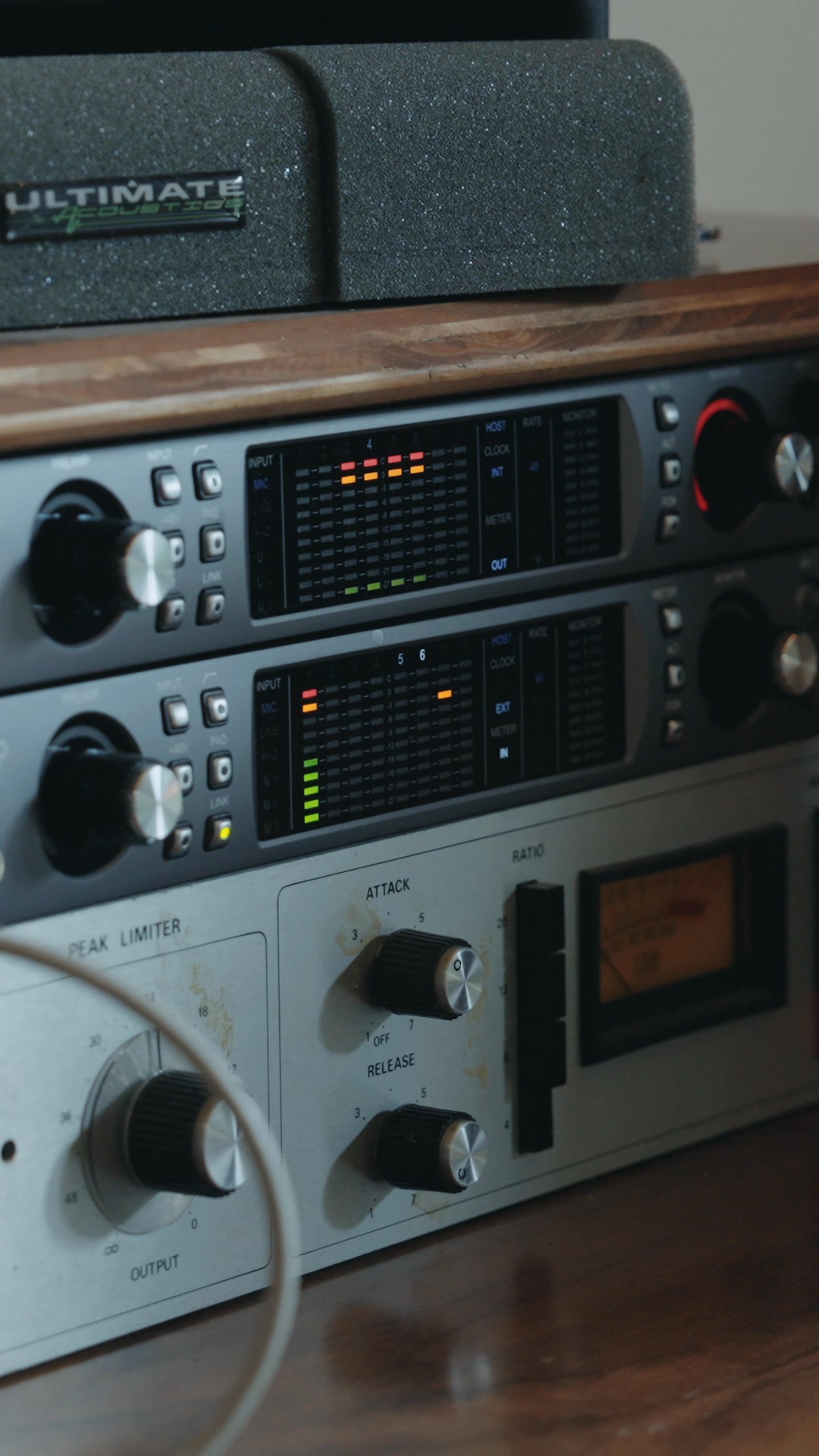
What it does. A clean blush-pink card stacks two Apollo X desktop interfaces under bold "Save BIG on Apollo X Gen 2" and "Offer Ends Soon" text, making the discount and deadline the entire hook.
Why it works. Leading with savings plus a ticking-clock line pushes gear buyers who already know the product to act now rather than deliberate.
Ad data. Reach of 2.0M as a static image ad; run days were not recorded in the data. Gender split: 3% women / 97% men.
4. Handlebar mount POV fit
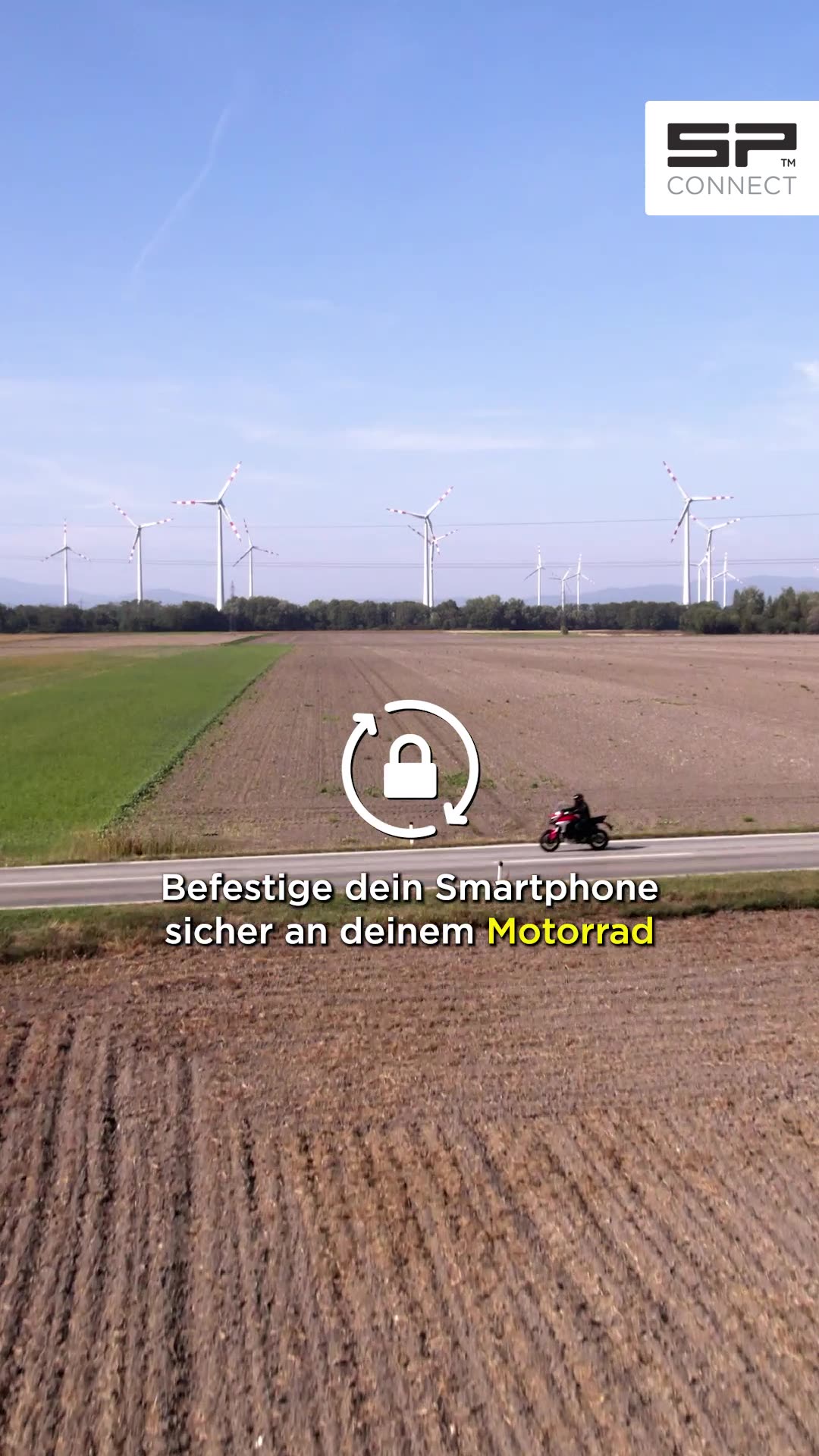
What it does. A first-person point-of-view clip shows a rider's hand pressing a mount onto an orange KTM motorcycle's cockpit, framed as the rider's own install.
Why it works. Seeing the mount go on from the rider's eyeline proves the fit and ease of use in the exact context a buyer cares about, motorcycle handlebars.
Ad data. Reach of 1.4M over a 196 day run. Gender split: 13% women / 87% men.
5. Lost-wallet panic opener
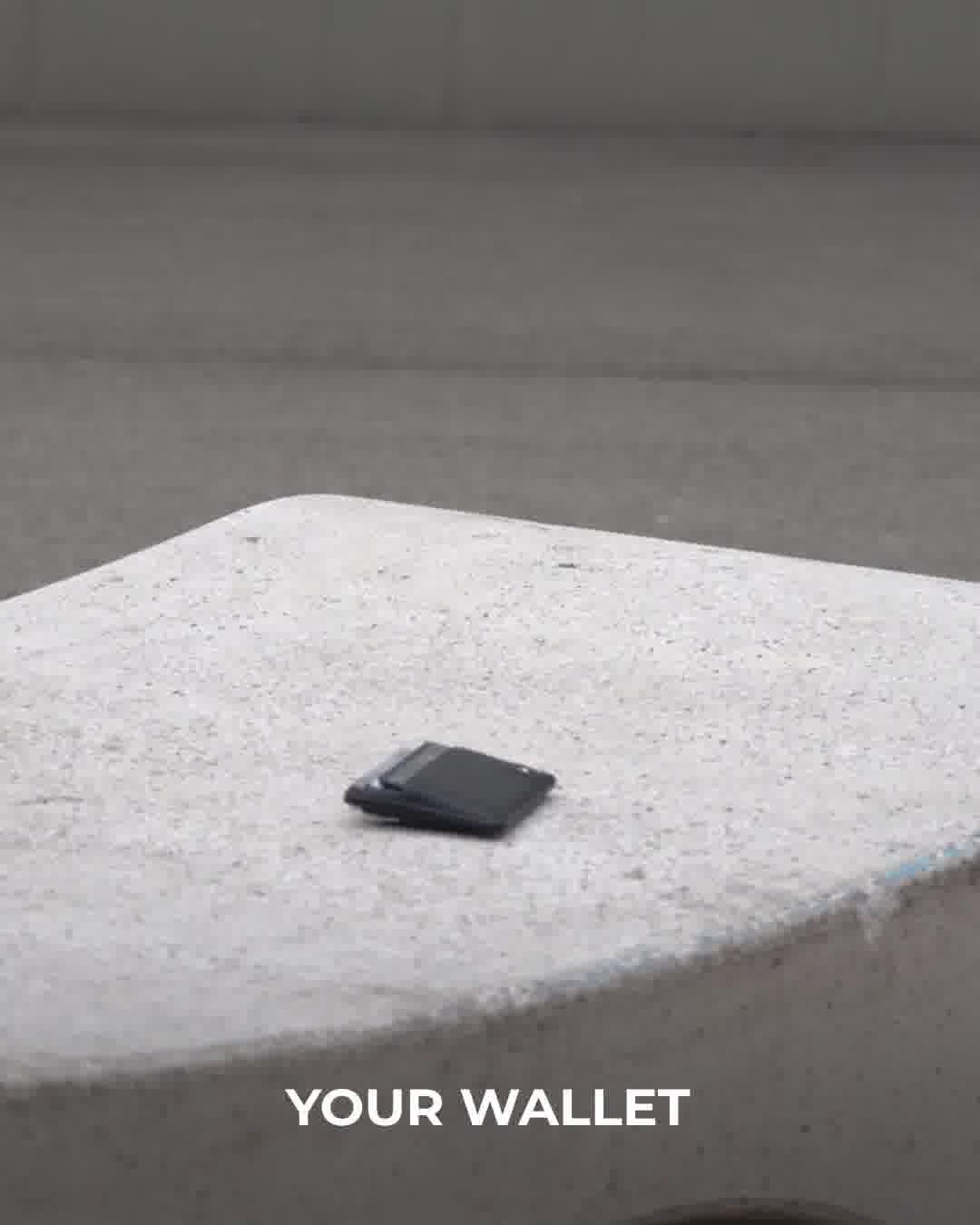
What it does. The video opens on a lone wallet abandoned on a concrete bench with the caption "YOUR WALLET", dramatising the sinking feeling of a misplaced wallet before the AirCard tracker is introduced.
Why it works. Opening on the fear of loss and then agitating it (the copy stresses "Lost Wallet Stress") primes the viewer to want the Find My tracker as the relief.
Ad data. Reach of 1.2M over a very long 561 day run, tied for the longest in this category. Gender split: 5% women / 95% men.
6. Turntable feature-drop reveal
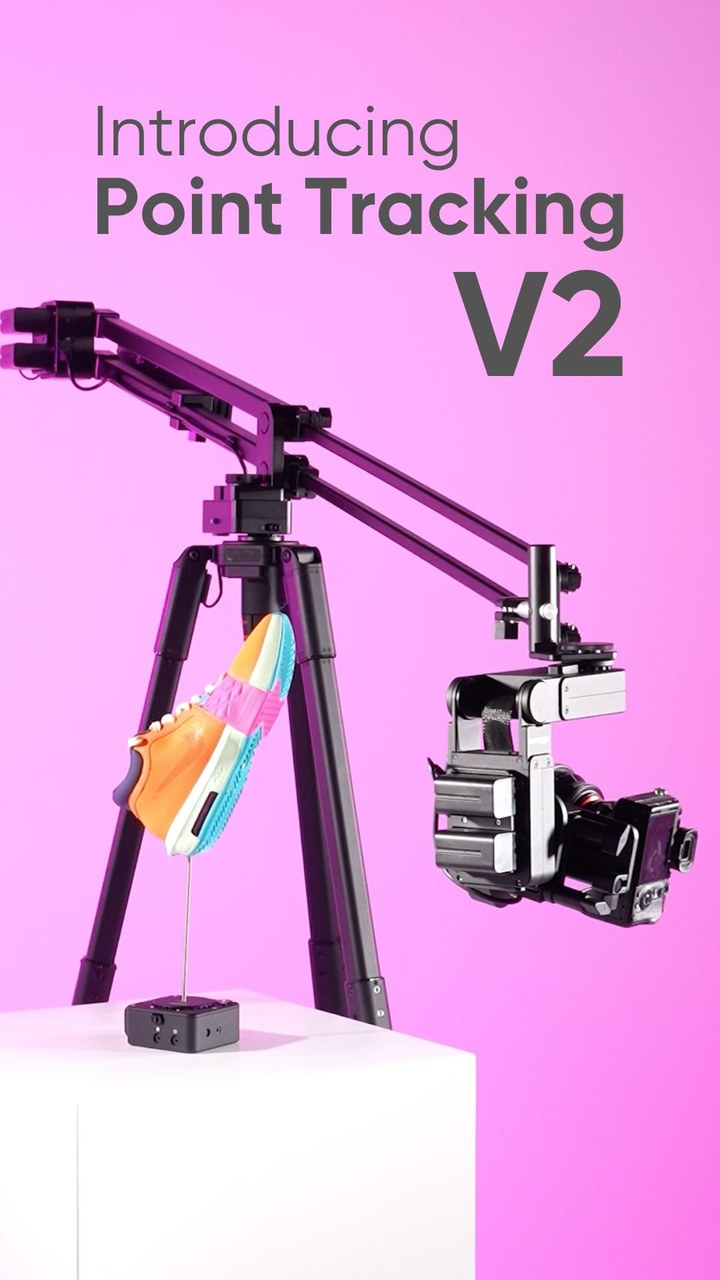
What it does. On a hot-pink stage, a motion rig arcs over a sneaker suspended above a small motorised base under giant "Introducing Point Tracking V2" text, spotlighting the new tracking feature as the news.
Why it works. A bold "Introducing V2" reveal plus the rig visibly tracking a suspended subject sells the upgrade to filmmakers who follow gear releases.
Ad data. Reach of 968K over an 87 day run. Gender split: 12% women / 88% men.
7. Fake one-star roommate review
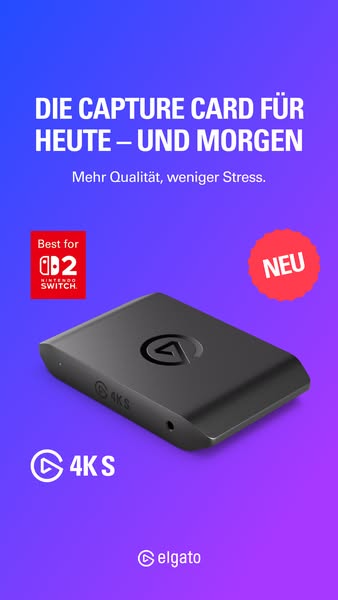
What it does. The ad mimics a scathing 1-star review headlined "NICHT EMPFEHLENSWERT!" from "a worried roommate" who complains the owner now streams Mario Kart in perfect 4K HDR until 4am, using the complaint to flex the capture card's quality.
Why it works. The satirical negative-review format is a scroll-stopping joke that lands the real selling points (crisp 4K, plug and play) more memorably than a straight spec pitch.
Ad data. Reach of 812K as a static image ad over a 280 day run. Gender split: 26% women / 74% men.
8. Rain-beaded waterproof proof
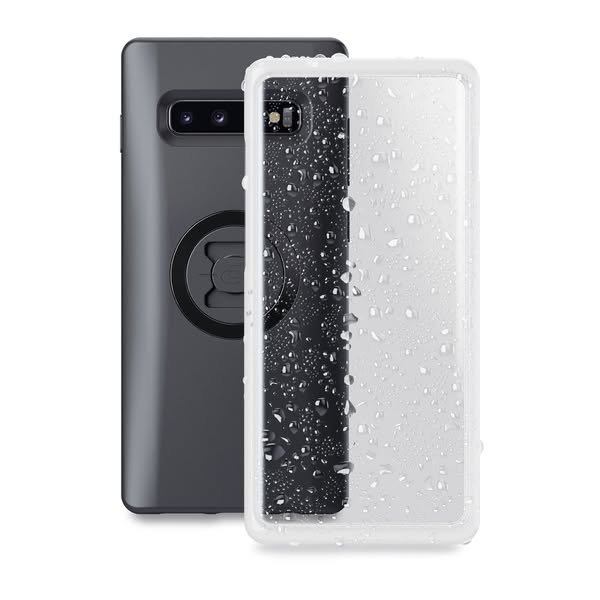
What it does. A clean studio shot places the mounted phone beside its clear SP Connect weather cover, the cover shell coated in water droplets so the beading itself demonstrates the weatherproofing.
Why it works. A single hero product shot with real water on the cover makes the weatherproof benefit self-evident, no copy needed to convince a rider it will survive rain.
Ad data. Reach of 1.3M as a static image ad over a 186 day run. Gender split: 21% women / 79% men.
Consumer Electronics ad best practices
- Open in first person. Frame the opening frames like a real owner or user, a hand-held haul review or a POV install, so the verdict reads as peer proof. This unboxing energy stops the scroll faster than a polished brand spot.
- Stage a visible proof moment. Turn an abstract spec into a pass-fail you can see: a speaker mid-tumble in a split-screen, or water beading on a weatherproof cover. One clear demonstration convinces a gadget buyer without a paragraph of copy.
- Make the news or offer the hook. For a hardware upgrade, lead with a bold "Introducing V2" reveal that spotlights the new feature; for a known product, put the discount and deadline front and center. Buyers who follow tech releases act on the headline itself.
- Use big on-screen text. Carry the core claim in large, legible captions layered over the product, since most viewers watch muted while scanning. Pair it with a single clear call to action rather than a stack of features.
What is behind these numbers
What you see here is a curated slice of Meta advertising, not a full census of it. Each industry contributes its highest-reach Facebook and Instagram ads and nothing else, so the numbers reflect that top slice, not all of Meta. Reach comes straight from Meta: it is the figure the Meta Ad Library reports under EU transparency rules, with its gender, age and country breakdown, and we do not model or adjust it. Only the estimated spend is our own calculation, derived from that reported reach at an assumed 5 to 30 EUR CPM.
The raw ad data is collected via top-ads.io. The Ad Library itself is a free resource from adtribute, the marketing attribution and analytics platform that shows which of your own ads actually convert.