







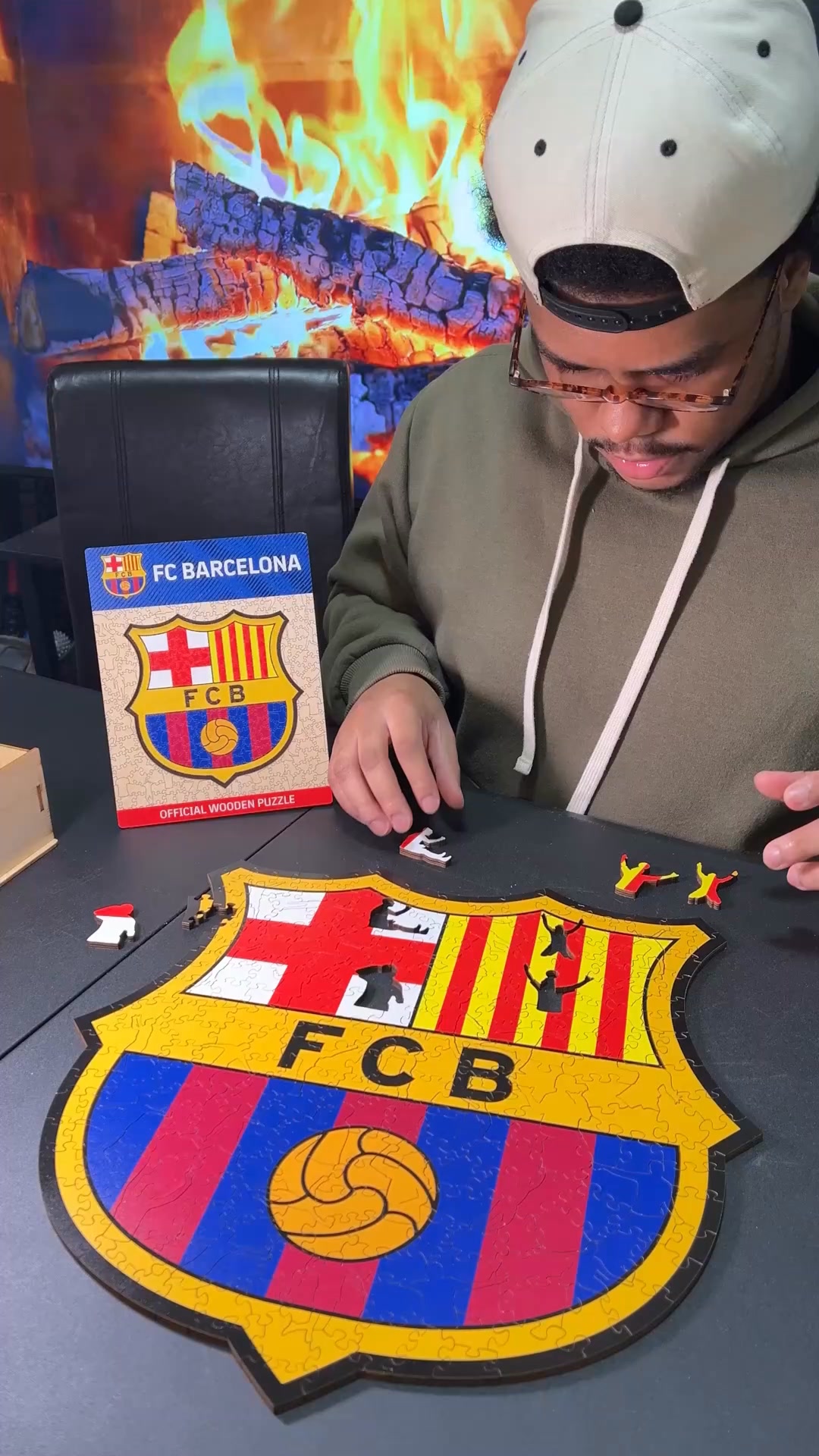
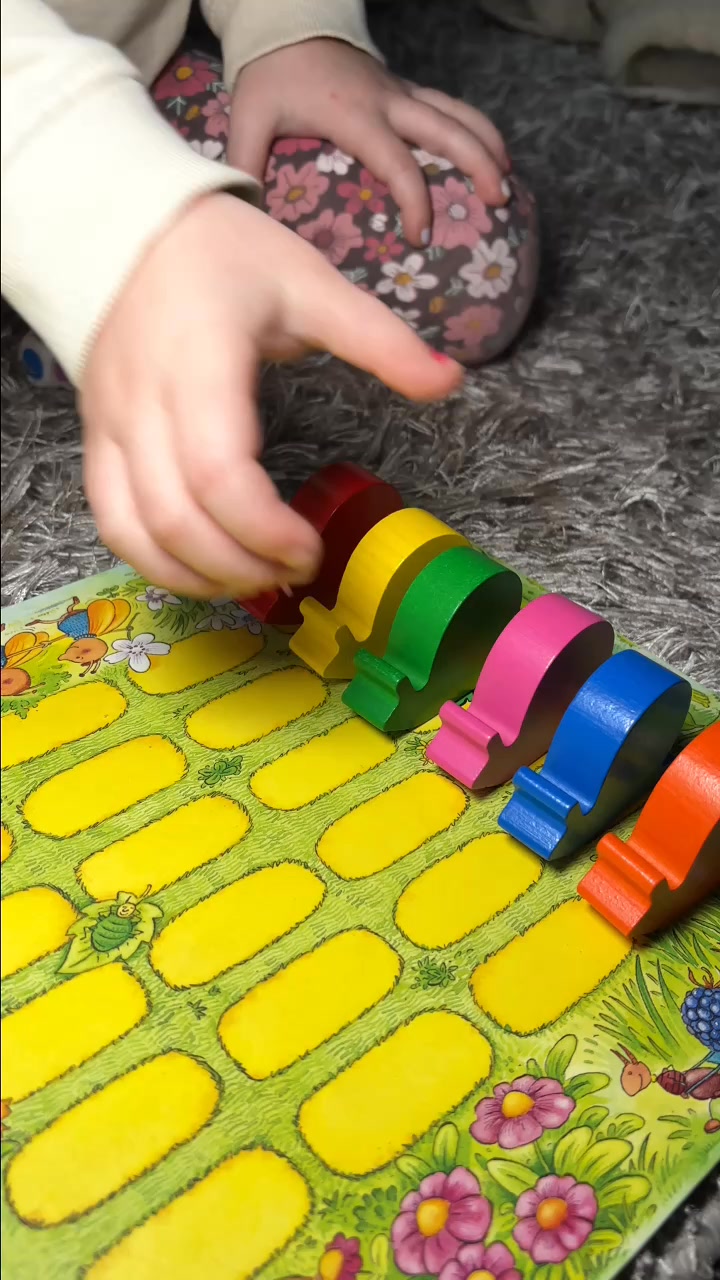
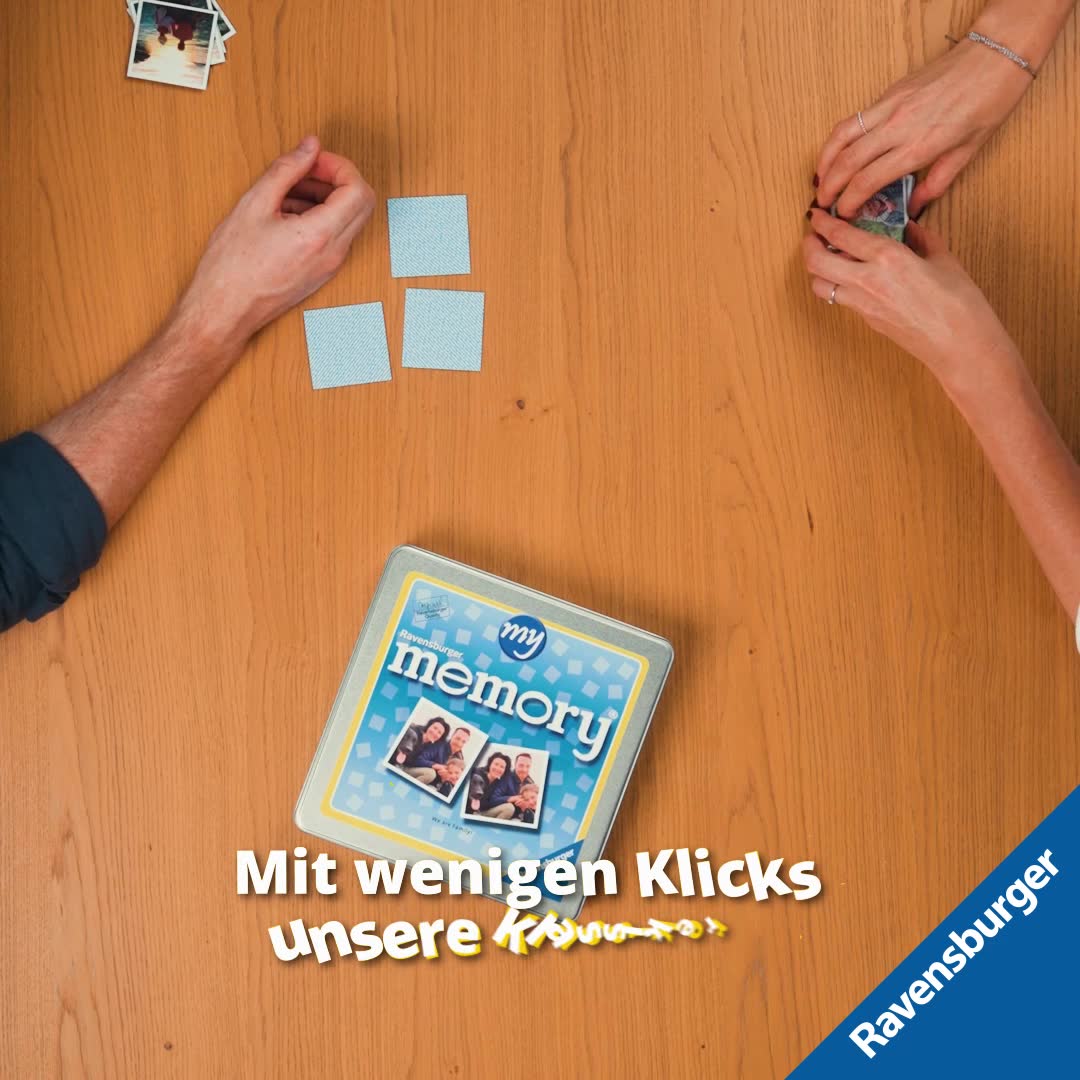
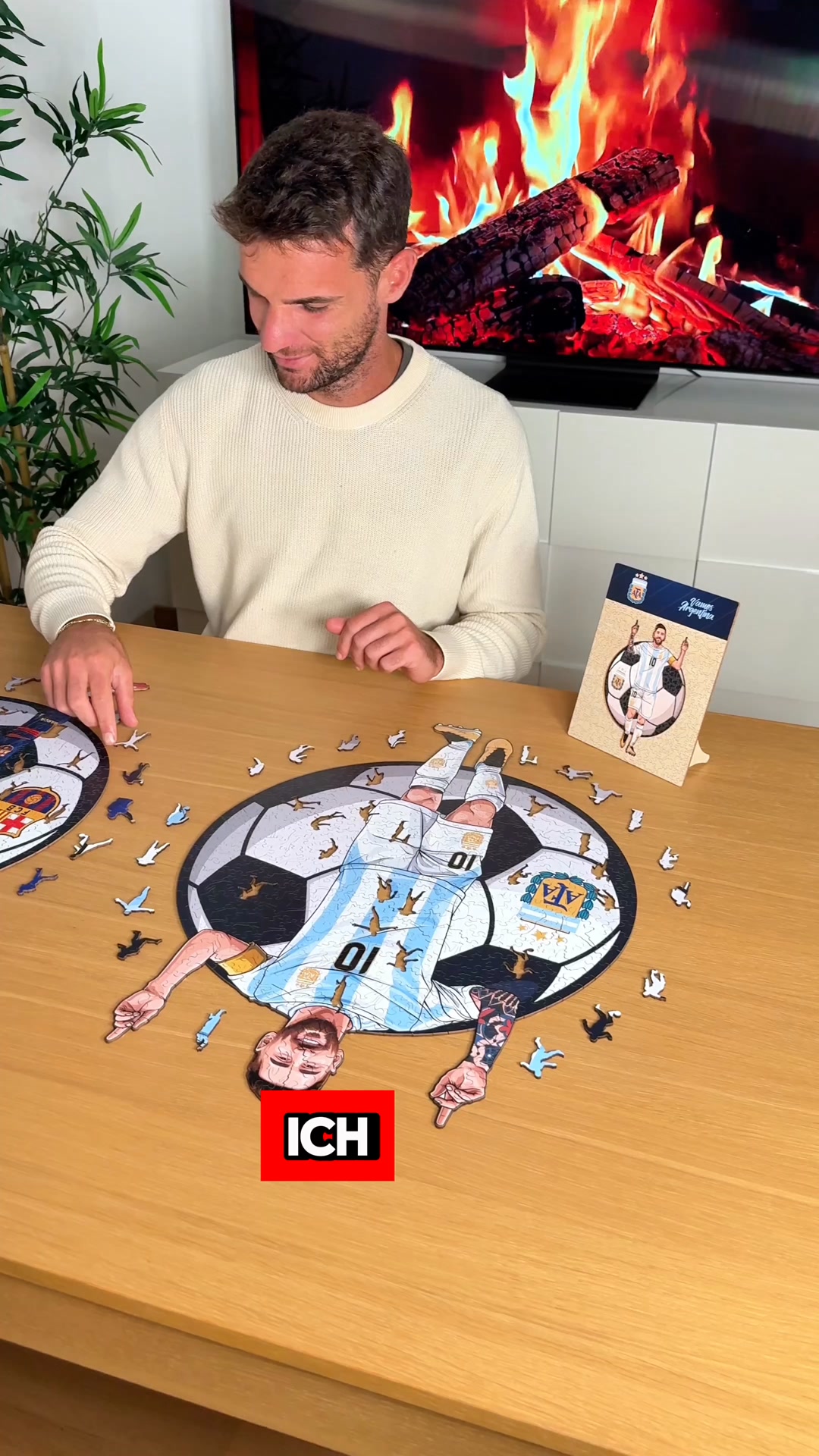
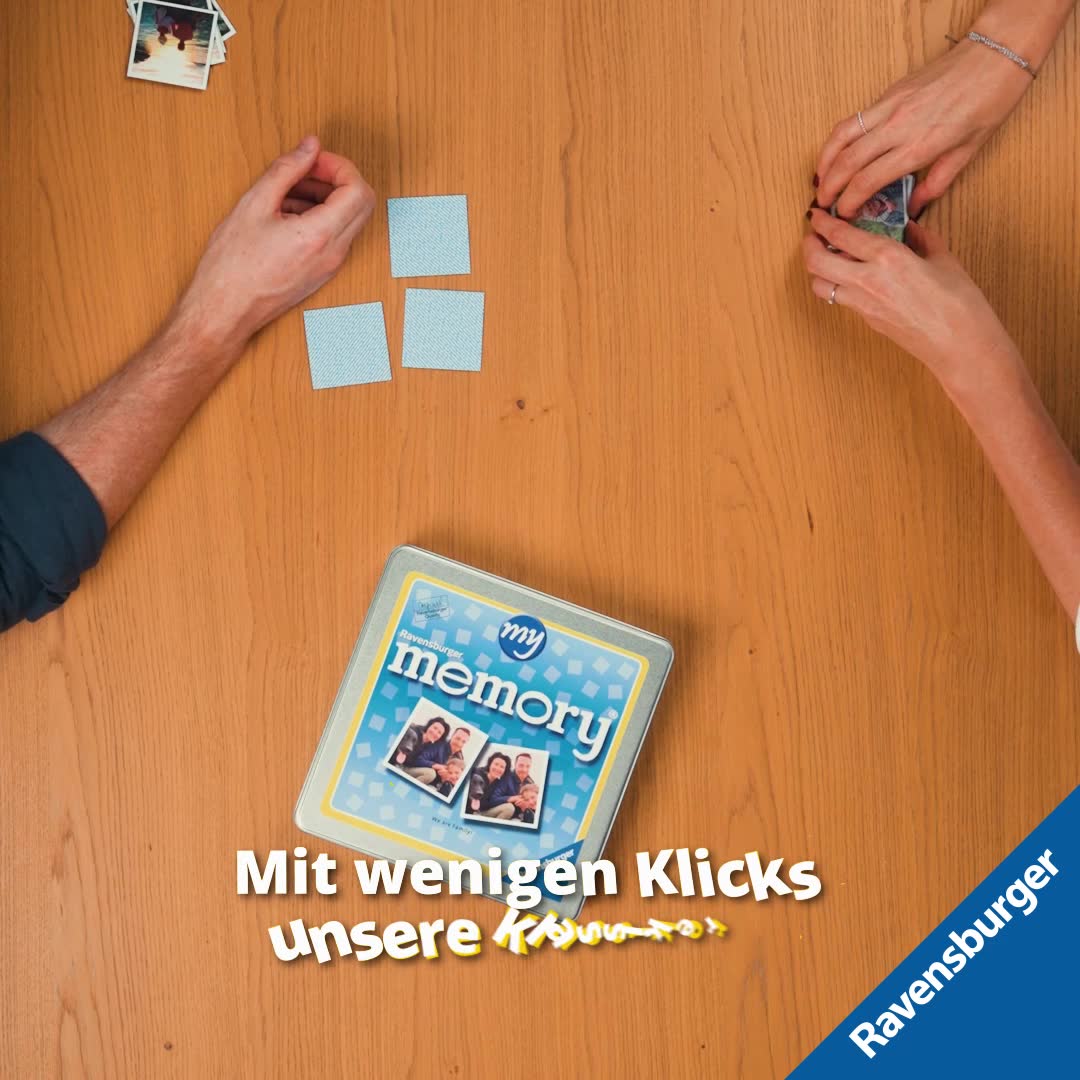
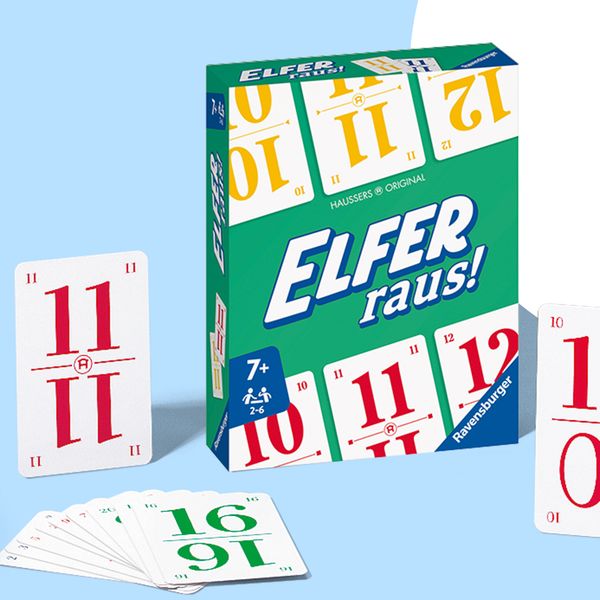


The highest-reach Toys & Games ads on Meta win by putting the product in motion and the fun on screen in the first second. Across this curated snapshot of top-performing kids toys and games creative, the pattern is clear: a satisfying build or reveal, a happy child or group of friends, and a concrete gift or discount reason to buy. This showcase breaks down what those winning ads actually show and how they are structured.
Key takeaways
- Video carries the category. Video makes up 69% of the top ads here against 31% image, because motion is what sells a toy or game: the build, the reveal, the play in action. Static creative works best when it anchors a bold price or gift message.
- A tight field of high-reach advertisers. The snapshot spans 250 ads from 5 distinct advertisers, with a median reach of 782K and a top ad reaching 9.2M. The average run length across these winners is 58 days, a signal that these creatives keep earning and stay live.
- Lead with a satisfying build or reveal. The strongest hooks are overhead phone-shot POVs of a piece slotting into place or a gel drawing into water, letting the transformation itself stop the scroll before any copy is read.
- Frame the toy as a gift or a moment. Top creatives sell an occasion, not a spec sheet: the perfect gift for a superfan, a family memory to make, or a game night with friends. A clear code or discount then gives the reason to act now.
What makes a winning Toys & Games ad
A winning creative opens on a curiosity-driven hook, usually a hands-on build, a colour reveal, or a real child mid-play, filmed close and often like an organic phone clip. Proof comes from the demonstration itself: you watch the puzzle piece slot home, the gel lift out of the water, or a smiling kid wearing what they just decorated, so the play value is shown rather than claimed. The offer is concrete and gift-framed, whether that is a superfan present, a family keepsake, or a bundle code, and it lands with a plain call to action. The best ads compress hook, proof, and offer into a few scroll-stopping seconds.
What the top Toys & Games ads look like
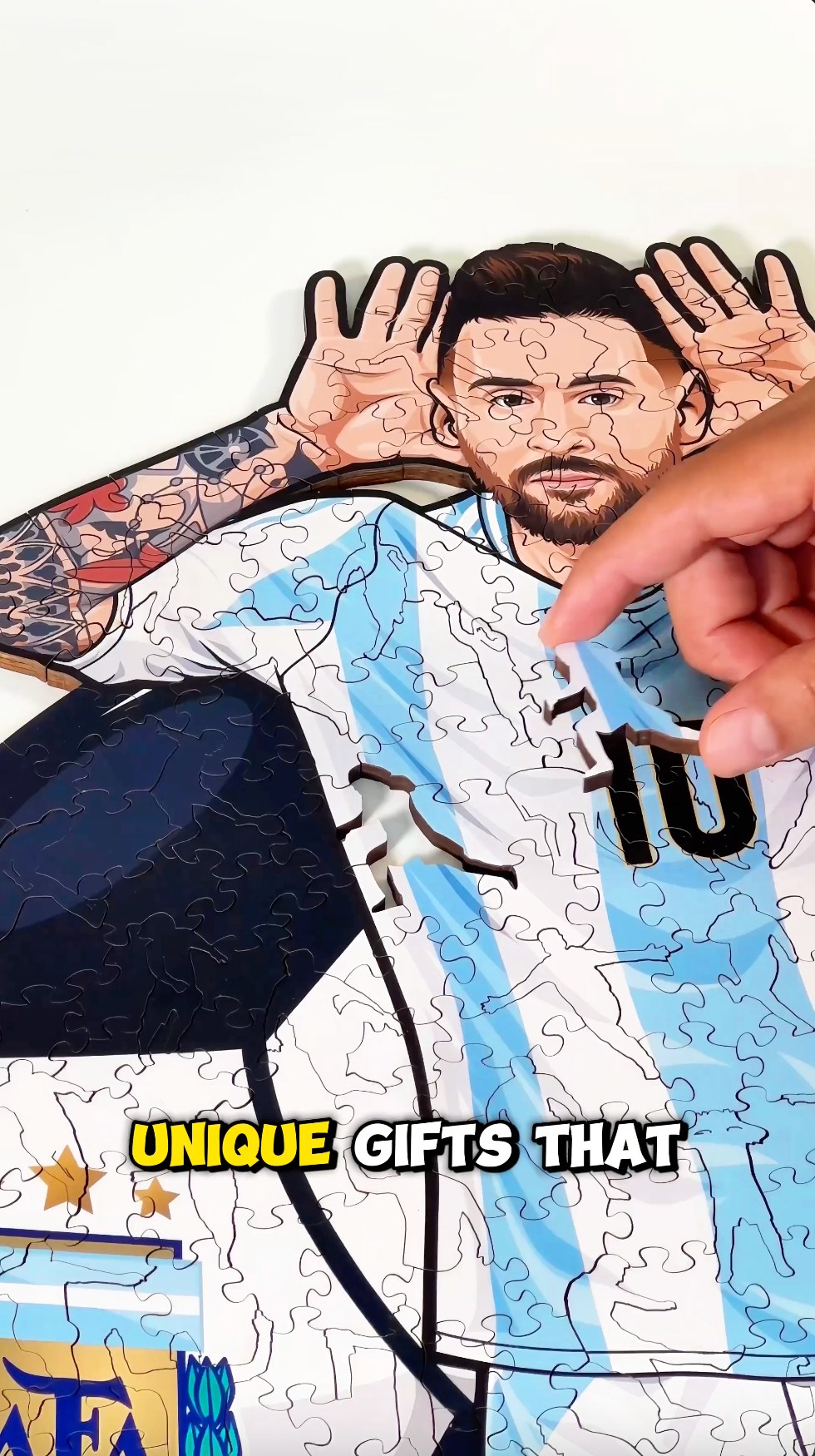
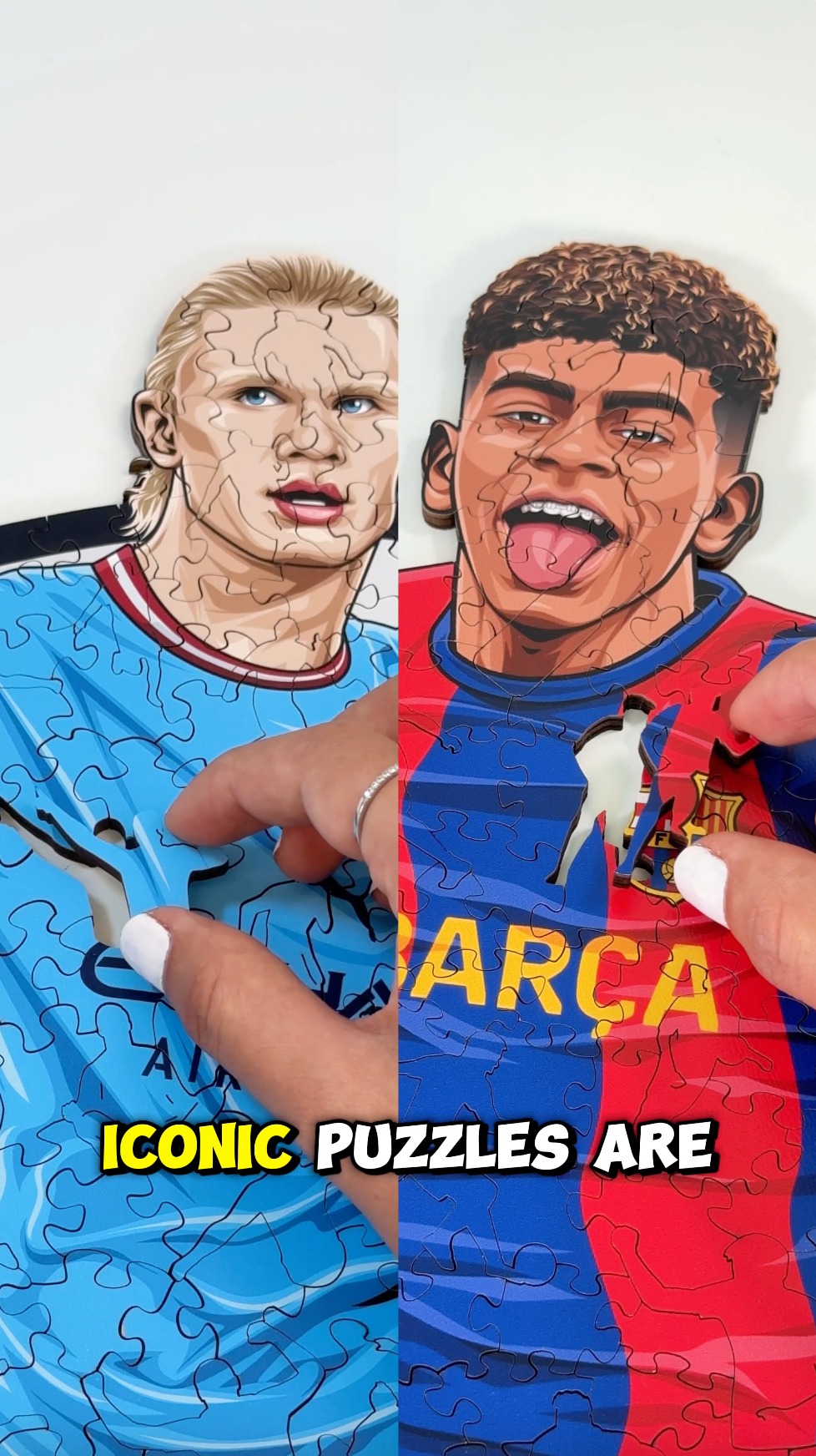
Scanning the highest-reach ads, you see two recurring looks: tight top-down or overhead POV clips of hands assembling a puzzle or drawing gel into water, and warm hero shots of a laughing child holding the toy, sometimes with a parent nearby, in a soft home setting. On-screen text is bold and functional, stamping a big price, a discount percentage, or a short gift line like "The perfect gift." Products are shown in use and mid-transformation rather than sitting still on a shelf, and branded key visuals lean on a happy-child hero to signal trust. The mix skews to motion, at 69% video versus 31% image.
Prefer one format? Filter this page to Toys video ads or Toys image ads only.
Winning ad frameworks in Toys
The highest-reach Toys ads reuse a handful of proven creative frameworks. Here are the ones that stand out here, each with a real example you can play or open in full.
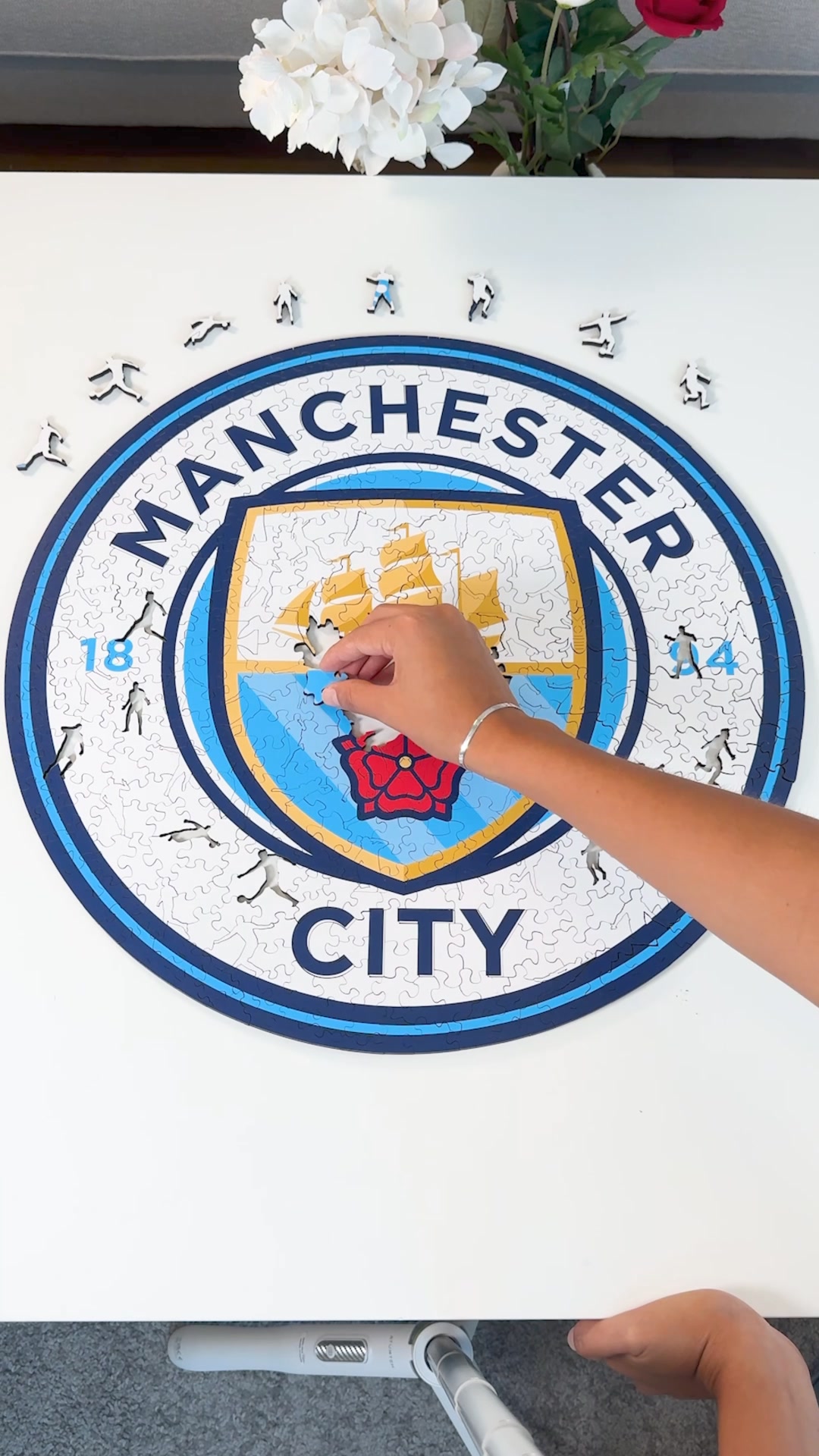
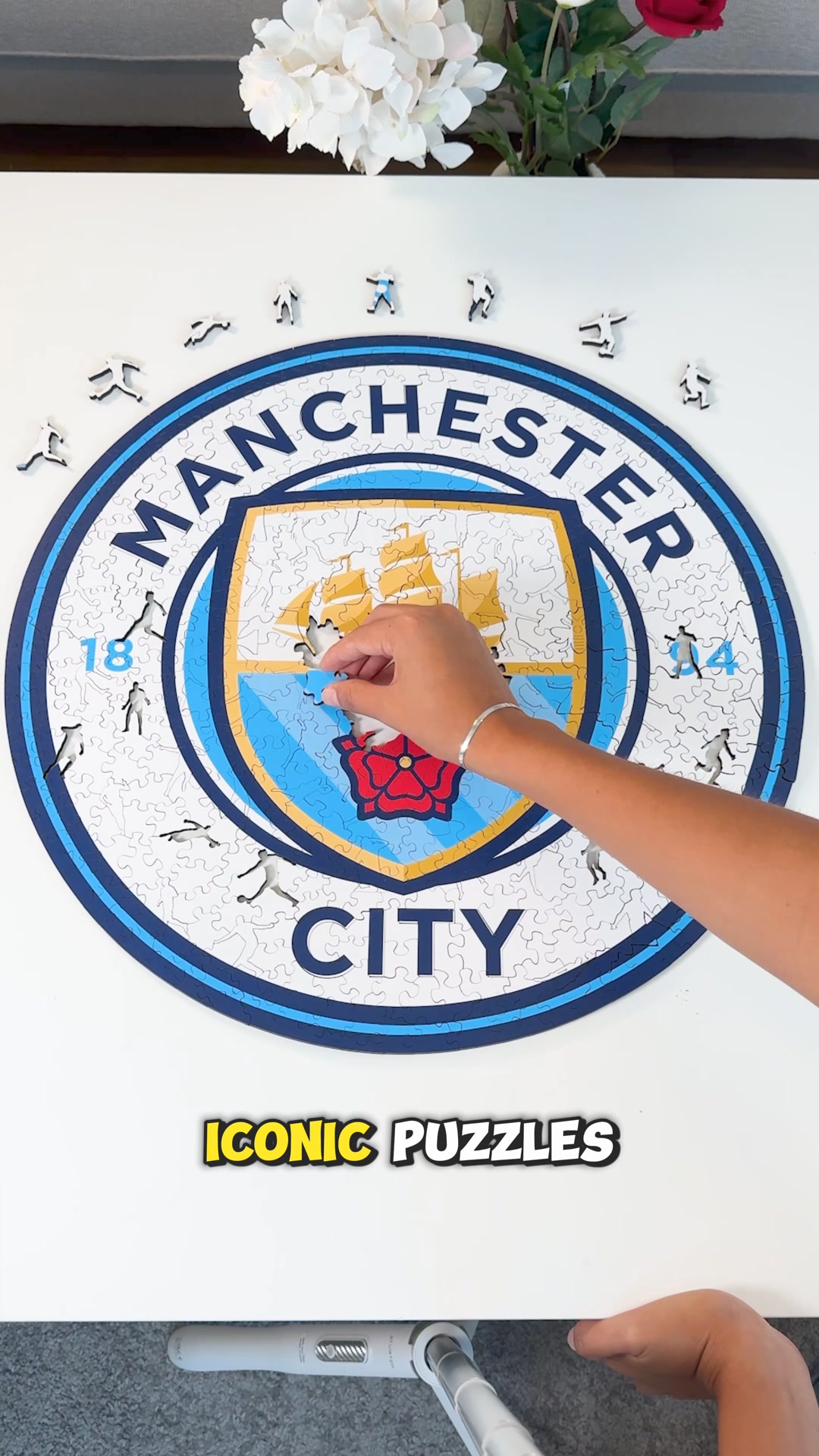
1. Fan-crest assembly POV
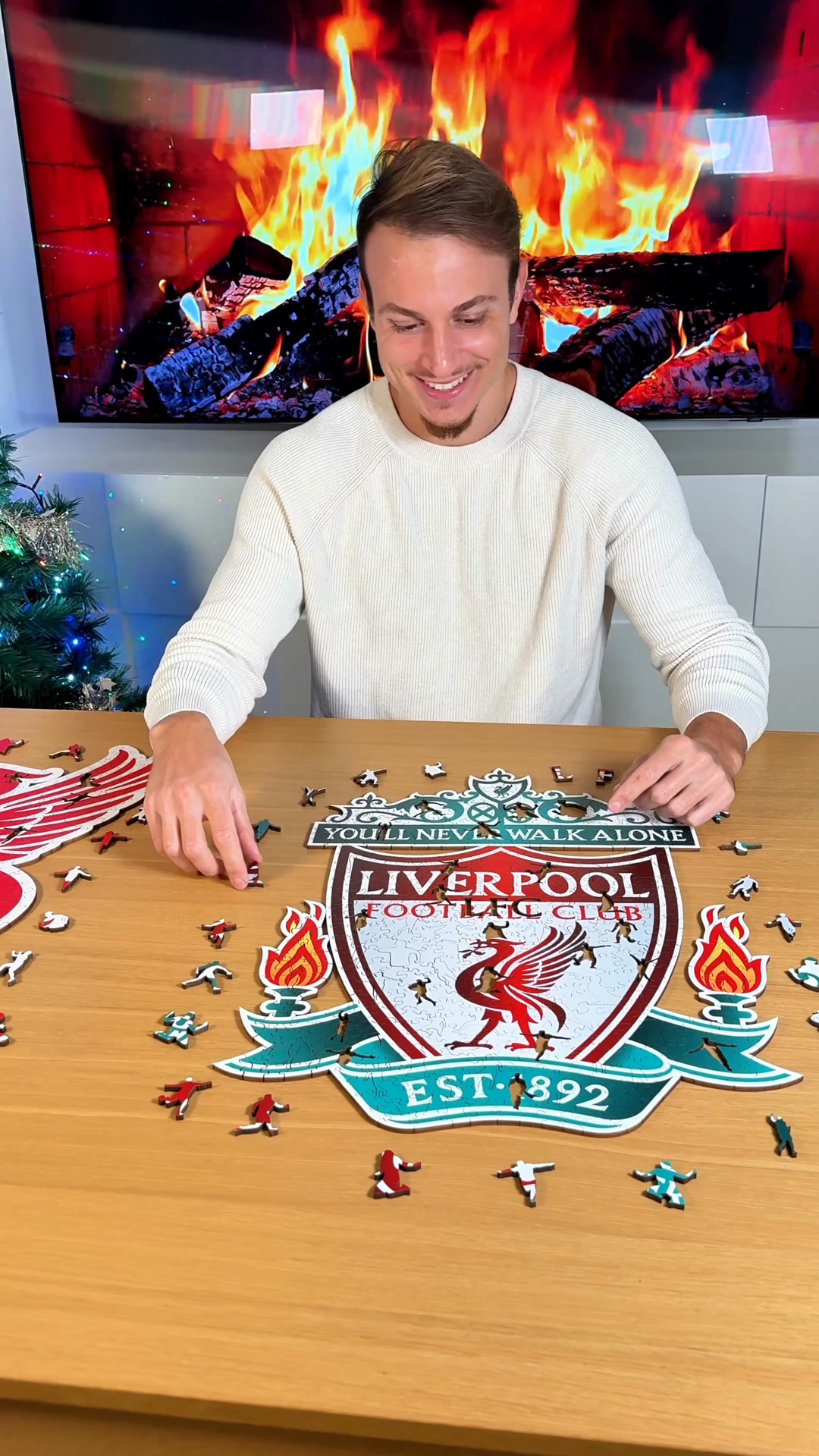
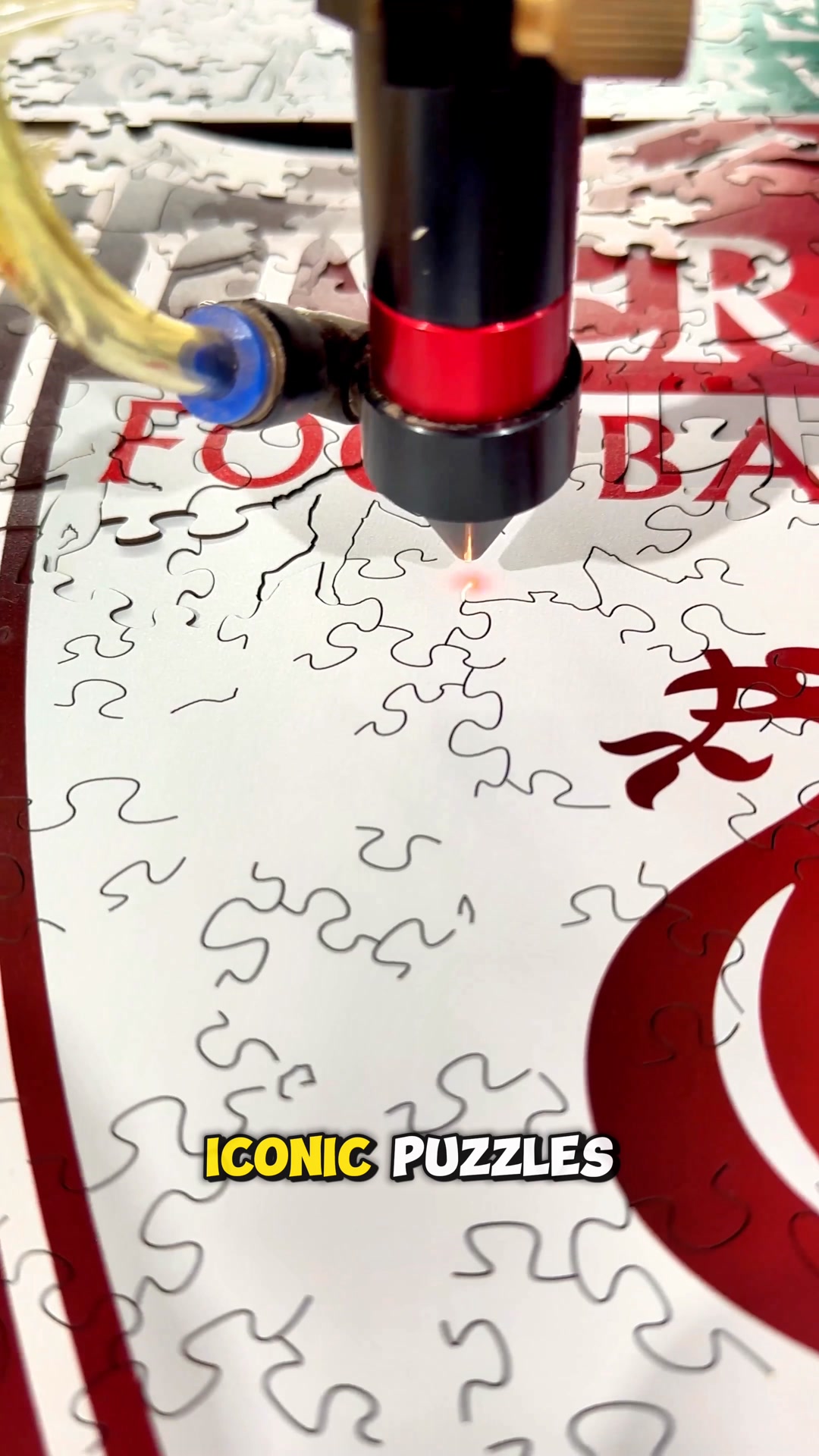
What it does. An overhead phone-shot POV shows a hand slotting a football-shaped wooden piece into a Real Madrid crest puzzle, with scattered player-silhouette pieces around it, while the copy pitches it as the number 1 gift for any fan.
Why it works. The satisfying build motion is scroll-stopping and the club crest instantly flags a passionate fan identity, so the buyer sees the exact gift for their team-obsessed friend or partner.
Ad data. Reach of 9.2M over 218 run days, the highest reach in the category. Gender split: 67% women / 33% men.
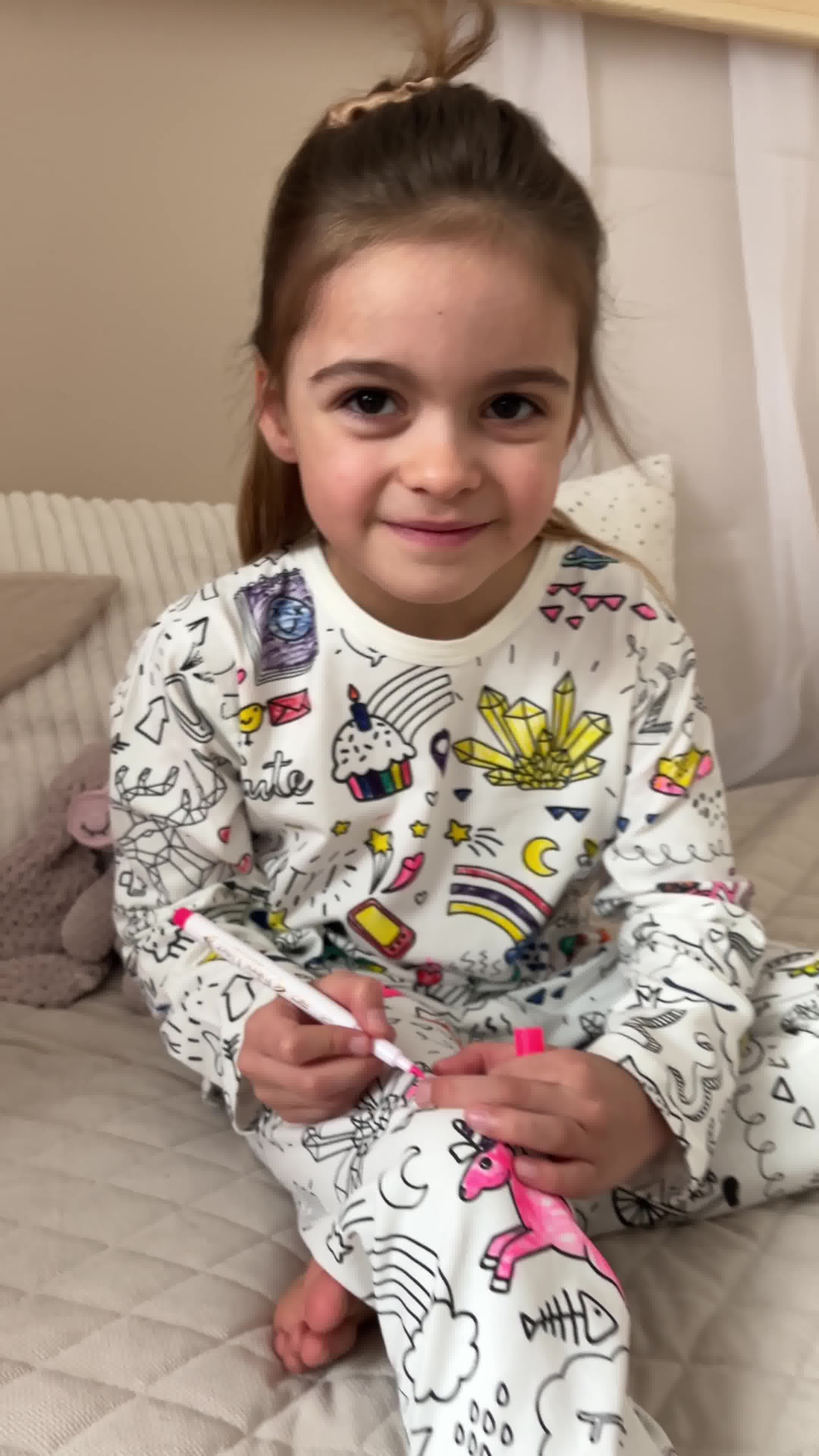
2. Kid-worn colouring demo
What it does. A young girl sits on a bed smiling at the camera in the white colour-your-own pyjama she has drawn on, holding a fabric marker, filmed like an organic parent phone clip with a 1+1 free code offer.
Why it works. Seeing a real child happily wearing and decorating the product proves the play value and reads as authentic UGC rather than a polished ad, which parents trust.
Ad data. Reach of 3.6M over 268 run days. Gender split: 78% women / 22% men.
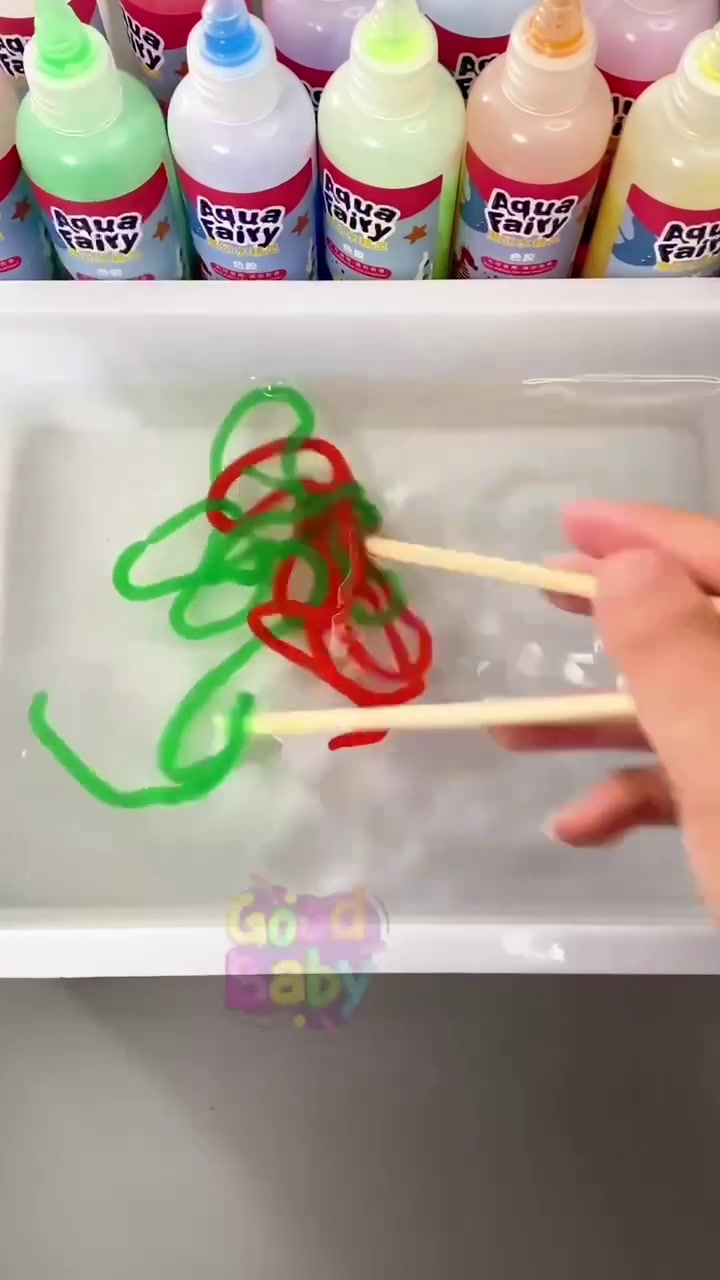
3. Oddly-satisfying gel demo
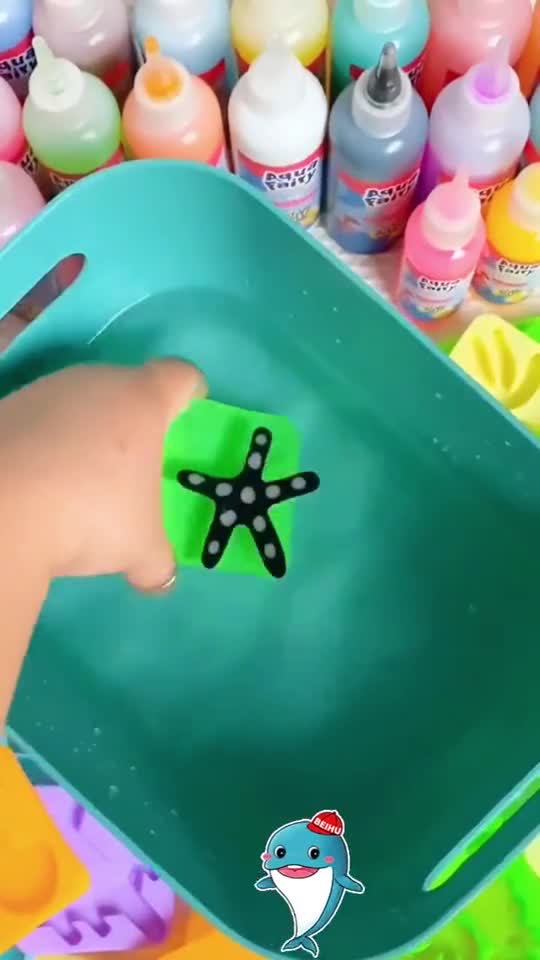
What it does. A close top-down clip shows coloured Aqua Fairy gel being drawn into water and lifted out with sticks against the row of colour bottles behind, letting the transformation itself carry the ad alongside a 20% code.
Why it works. The satisfying gel-in-water reveal is a curiosity magnet that stops the scroll and demonstrates exactly what the toy does without needing narration.
Ad data. Reach of 1.6M over 43 run days. Gender split: 73% women / 27% men.
4. Learning-through-play pitch
What it does. A clean branded tiptoi key visual pairs a laughing girl holding the reader pen and book with the line that the next adventure is one tap away, and copy promising creativity, motor skills and logical thinking for ages 2 to 10.
Why it works. Framing the toy as a developmental learning system rather than just fun gives parents a rational reason to buy, and the polished happy-child hero signals a trusted brand.
Ad data. Reach of 3.2M over 21 run days. Gender split: 36% women / 64% men.
5. Split-frame keepsake offer
What it does. A diagonal split shows a child painting a colourful mural on one side and the CreArt box on the other, tying the emotional #RavensburgerMoment to a 50% off anniversary photo-product deal.
Why it works. The split pairs a warm creative moment with the product and a discount, so the ad sells both the feeling of making memories and a concrete reason to buy now.
Ad data. Reach of 3.1M over 21 run days. Gender split: 46% women / 54% men.
6. Liquidation price-slash blowout
What it does. A giant red 2.99 euro price stamps over a struck-through 56.99 euro against a warehouse of stacked boxes, with copy announcing the shop is closing for good and this is the last chance.
Why it works. The huge price drop plus a permanent-closing deadline creates strong scarcity and a bargain anchor that pushes an immediate impulse purchase.
Ad data. Reach of 746K over 407 run days, the longest run in the category. Gender split: 76% women / 24% men.
7. Girls-night game-box reveal
What it does. A first-person clip at a bar table shows the pink drinking-game board being passed between friends over cocktails, captioned that this is your sign to have another game night with your girls.
Why it works. Anchoring the game to a specific fun social occasion sells the experience and vibe rather than the components, making viewers picture their own night out with it.
Ad data. Reach of 684K over 126 run days. Gender split: 97% women / 3% men.
Toys & Games ad best practices
- Open on the satisfying moment. Lead the first frame with the build, slot, or reveal in motion, an overhead POV of a piece clicking into place or gel curling into water, so the transformation stops the scroll before the viewer reads a word.
- Show a real kid actually playing. For kids toys, put the child front and centre wearing or using the product, filmed like an authentic parent phone clip rather than a polished studio shot, so the play value reads as genuine UGC parents trust.
- Sell the occasion, then the offer. Anchor the toy or game to a specific moment, a superfan gift, a family memory, or a game night with friends, and pair it with a clear on-screen code or discount so viewers picture the use and get a reason to buy.
- Make on-screen text do the heavy lifting. Use bold, large captions for the single most important message, a struck-through price against a new one or a short gift line, so the value is legible in a silent, fast scroll.
About this dataset
This page draws on a curated dataset rather than a complete archive of every Meta ad. Only the highest-reach Facebook and Instagram ads per industry make it in, which means the figures describe the top performers we track rather than the platform as a whole. Reach here means the number Meta itself discloses under EU transparency rules, gender, age and country split included, taken as published. The one number we derive ourselves is estimated spend, which we back out of the reported reach at an assumed 5 to 30 EUR CPM.
The raw ad data is collected via top-ads.io. The Ad Library itself is a free resource from adtribute, the platform that ties every ad to revenue with marketing attribution and custom analytics.