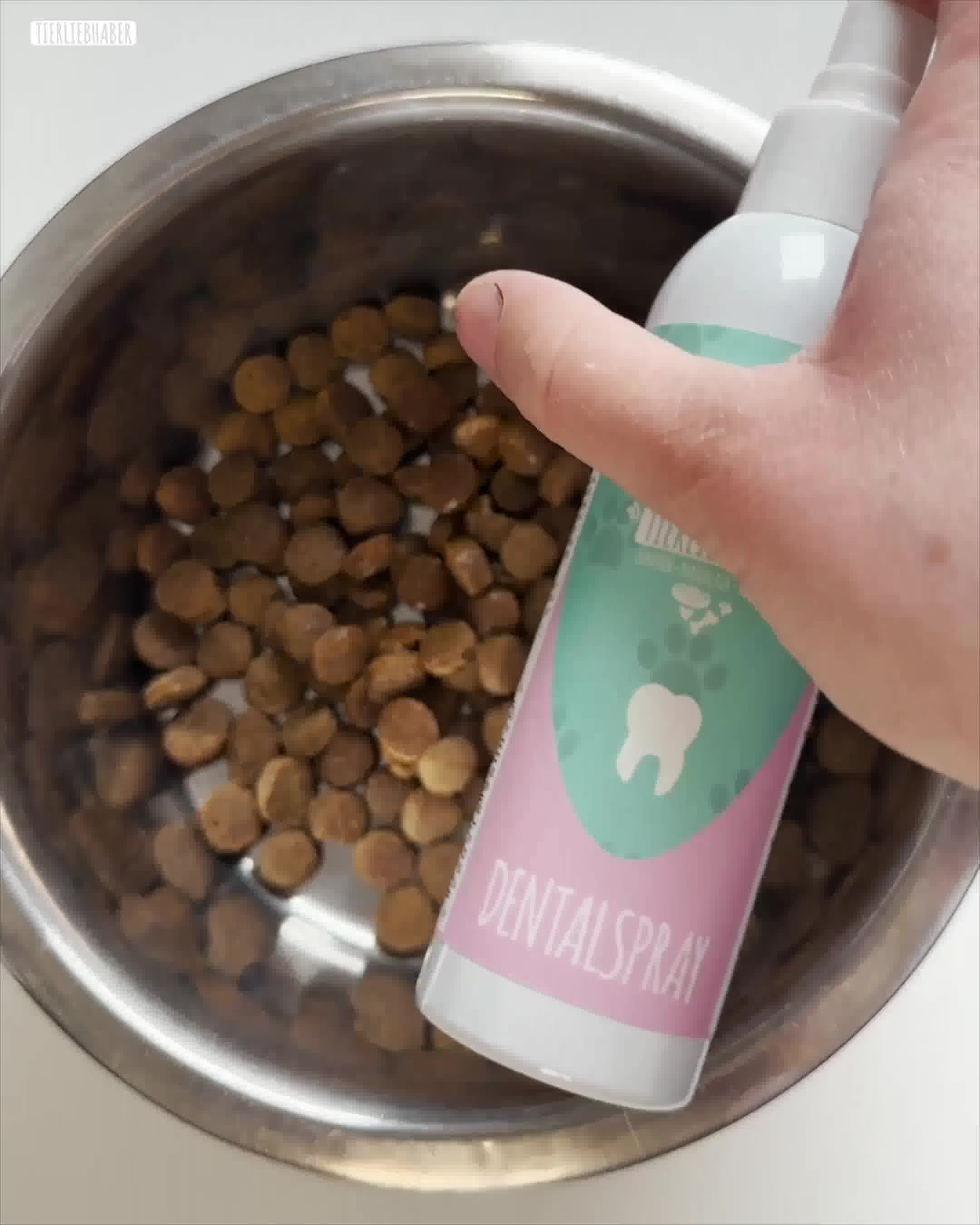

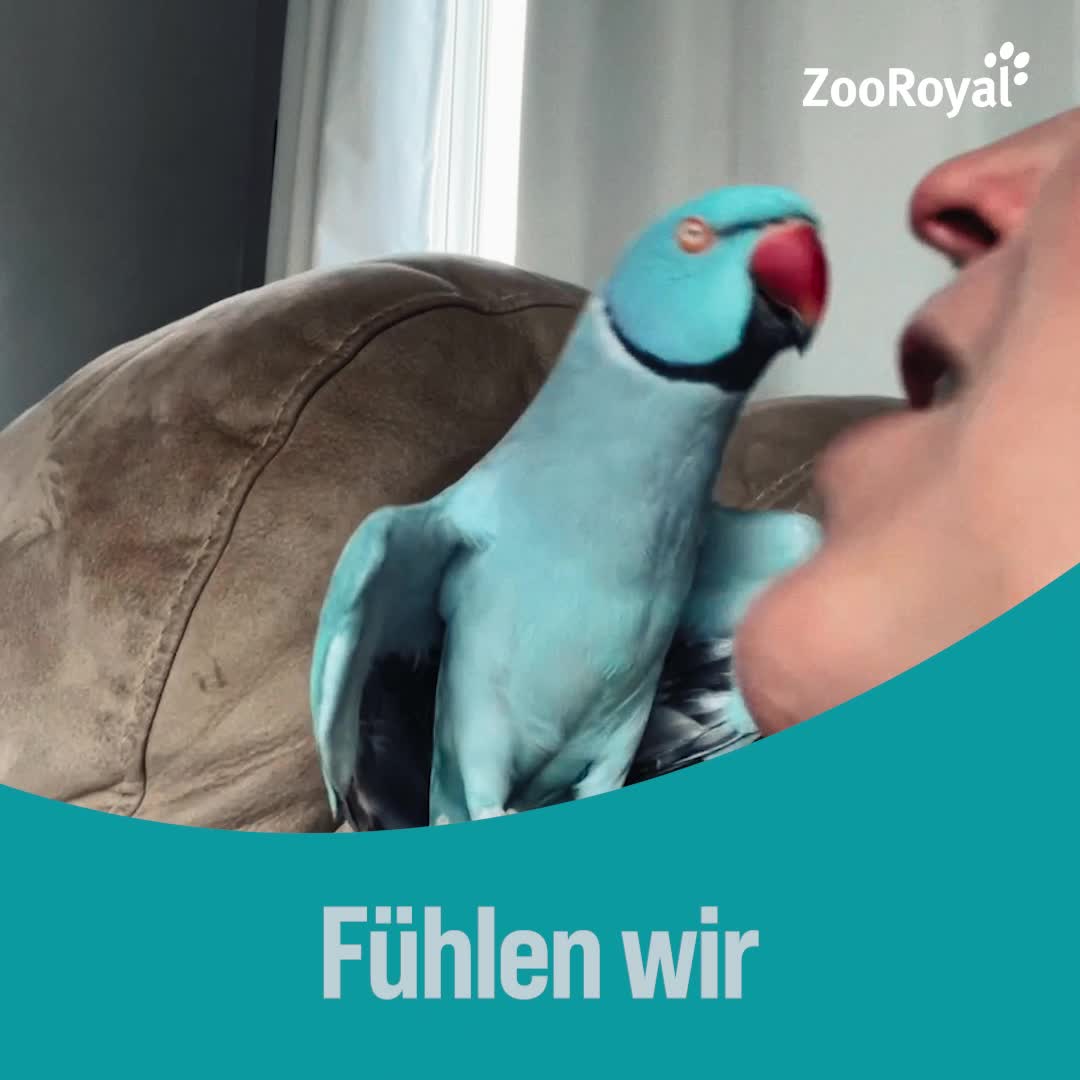
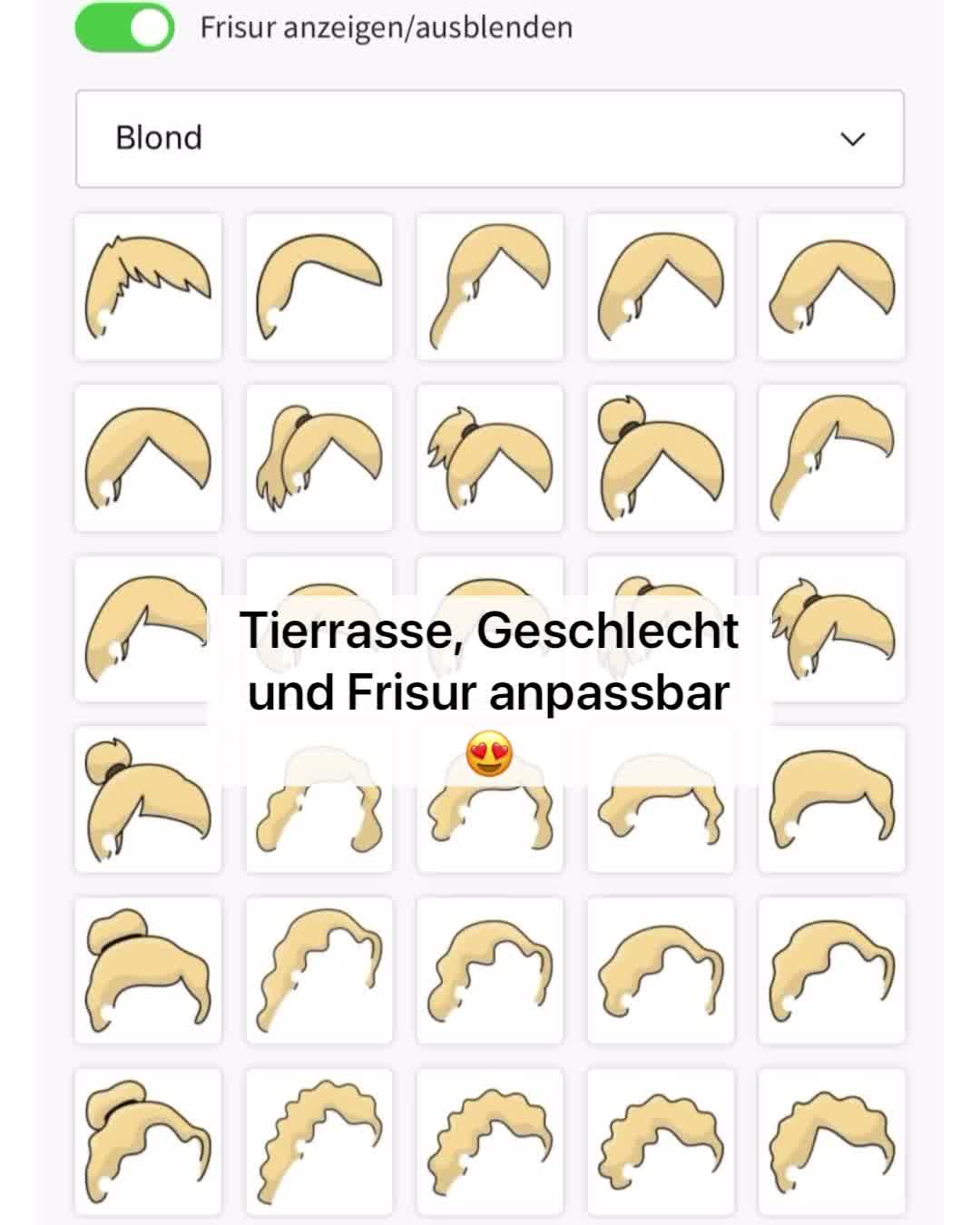












The Pet & Animal hub gathers the highest-reach Meta ads that pet brands are running on Facebook and Instagram right now. It is a curated snapshot of proven winners across dog gear, pet health, personalized keepsakes and pet products, spanning a small set of active advertisers and a wide range of creative approaches. Use it to see exactly what stops the scroll for pet owners and why these ads keep earning their spend.
Key takeaways
- Video carries the vertical. Video makes up 75% of the top pet ads while static images account for the other 25%, so motion is the default format for reaching pet owners here.
- A tight field with heavy reach. This snapshot covers 250 ads from 27 distinct advertisers, with a median reach of 1.7M and a top ad reaching 7.8M. The average run stretches to 157 days, and the highest-reach performers stay live for hundreds of days because they keep returning a strong result.
- Health scares hook the fastest. The strongest dog creatives open on a visceral problem, a jaw model caked in tartar or a health warning, before a natural product is introduced. The gross-out or worry frame earns attention that a polished product shot cannot.
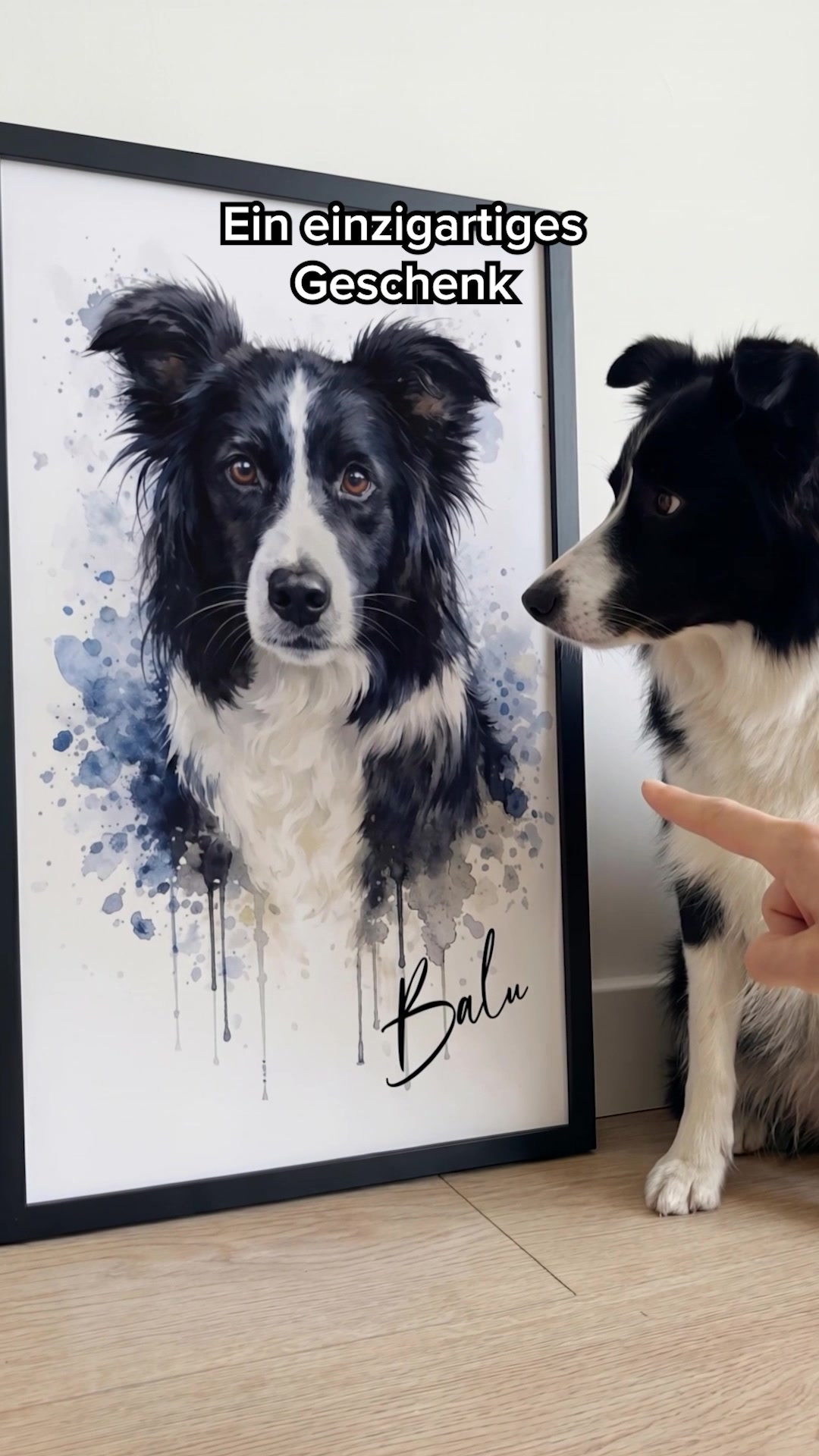
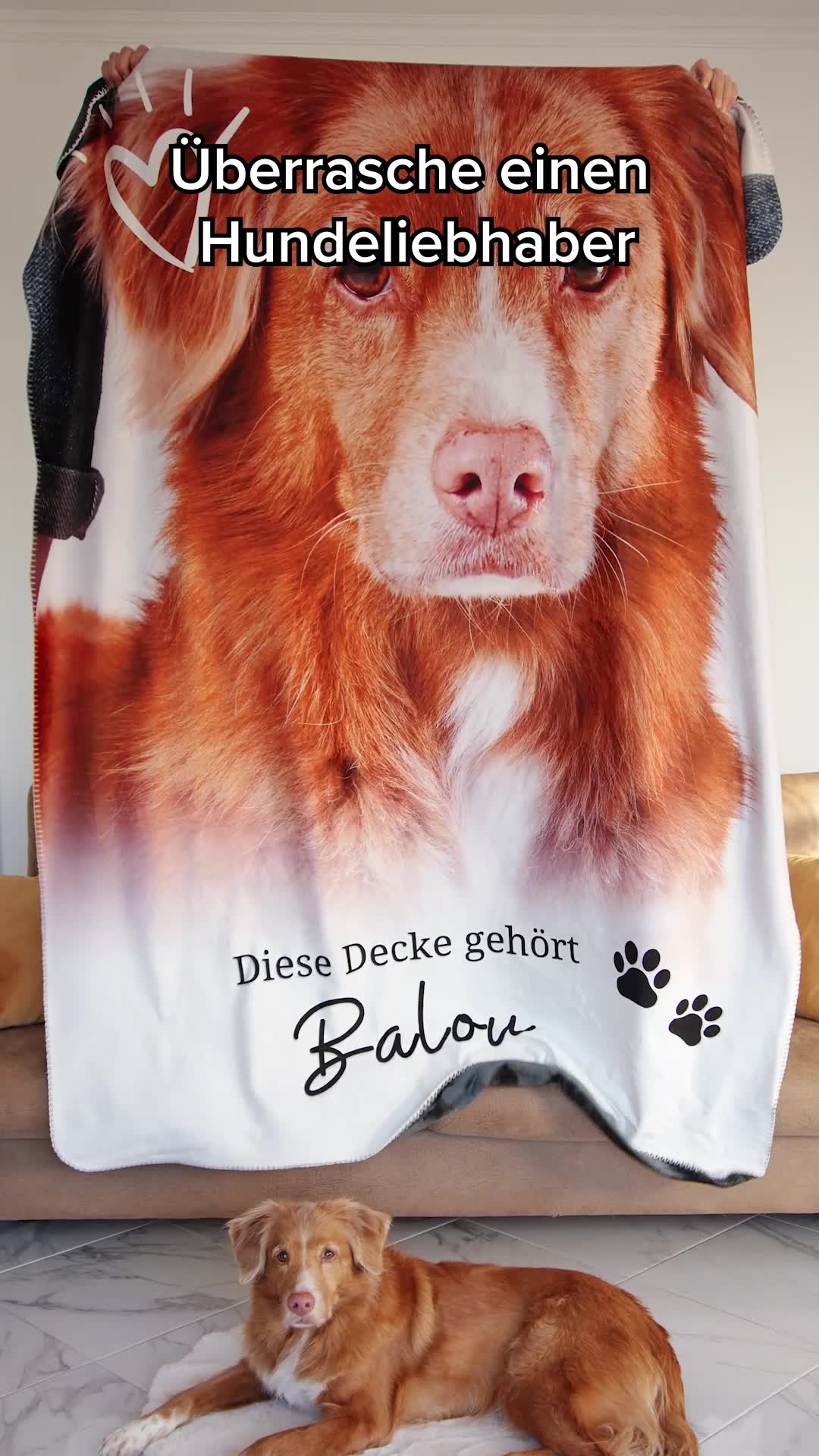
- Emotion sells the keepsakes. Personalized products lean on raw reactions and pets shown as named family members, letting owners project their own bond onto a hoodie, doormat or portrait. The offer and the emotion do the selling, not a feature list.
What makes a winning Pet & Animal ad
A high-performing pet ad opens with a hook that hits an owner's worry or affection in the first second: an extreme close-up of tartar on a dog-jaw model, a phone-shot tear of joy, or a cozy dog curled on a plush bed. It then delivers proof through a demonstration or a device the viewer already understands, such as a toothbrush failing on cracked cement, a named dog expert vouching for a GPS tracker, or verified customer reviews inside a founder story. The offer arrives clearly and visibly, often as a percentage discount badge or an acceptance guarantee, and the call to action tells the owner exactly what to do next, whether that is to personalize the product or claim the deal. Across pets and pet products, the winning pattern pairs an emotional or health-driven hook with concrete, believable proof.
What the top Pet & Animal ads look like
Dogs are on screen almost everywhere here, shot in tight, affectionate close-ups or resting in warmly styled living rooms with soft light, plush beds and homey props. Health-angle ads cut to clinical, gross-out visuals like a gloved hand scraping a tartar-caked jaw model or a brush scrubbing dried cement, with bold subtitles that name the problem. Personalized and keepsake ads show the finished product front and center, a hoodie, a named doormat with paw prints, or a portrait, often paired with a candid, phone-shot owner reaction, while offer-led ads front a discount badge or a wall of product with a presenter talking to camera. Roughly three quarters of these top ads are video and the remaining quarter are static images.
Prefer one format? Filter this page to Pet video ads or Pet image ads only.
Winning ad frameworks in Pet
The highest-reach Pet ads reuse a handful of proven creative frameworks. Here are the ones that stand out here, each with a real example you can play or open in full.
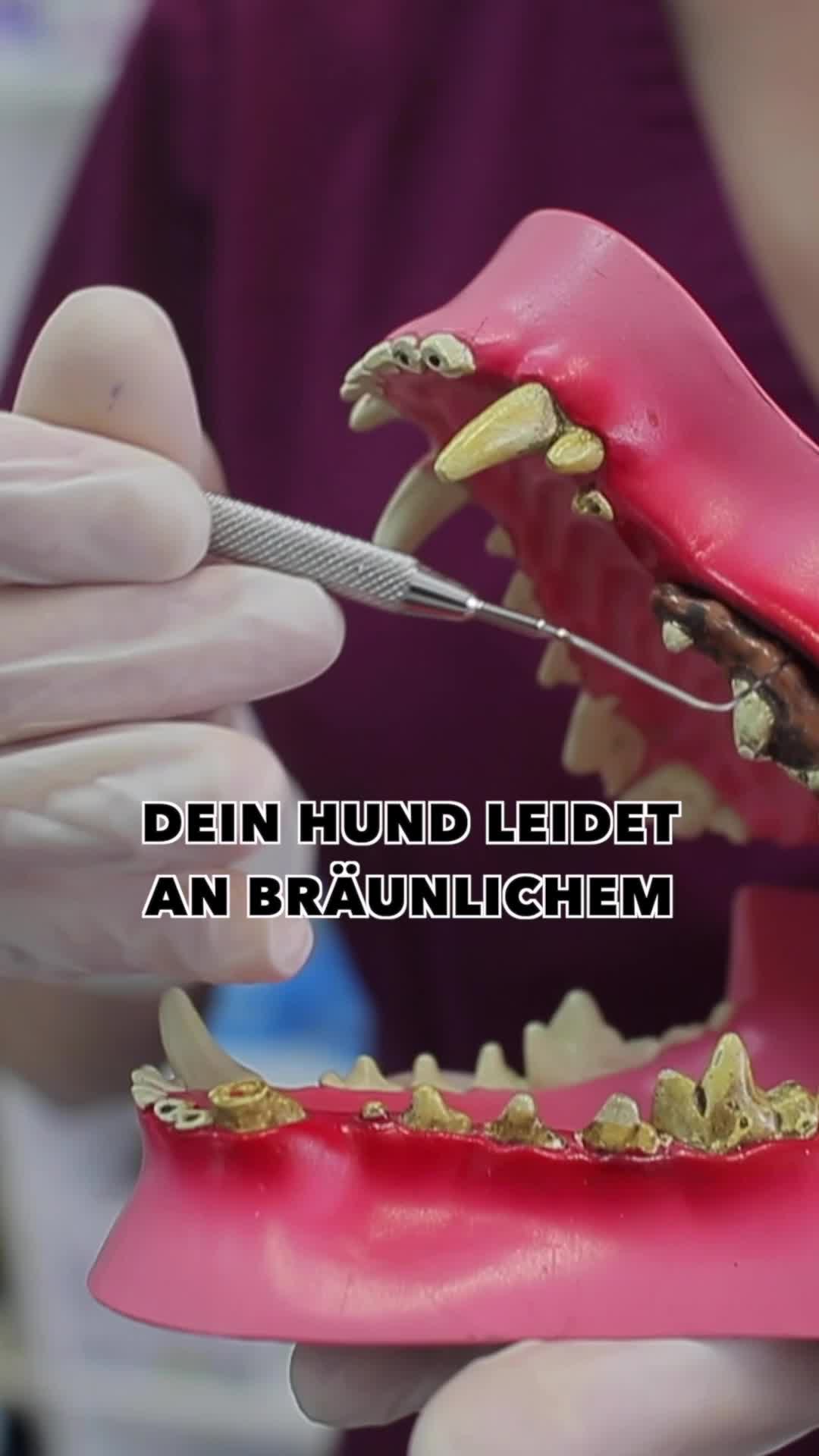
1. Tartar shock jaw-model opener
What it does. The video opens on an extreme close-up of a gloved hand scraping a dog-jaw model caked in yellow-brown tartar, with the caption warning that tartar is spotted far too late and can become life-threatening. The gross-out visual is the hook that stops the scroll before the natural dental product is introduced.
Why it works. The disgusting, clinical close-up triggers instant recognition and worry in dog owners who have seen the same brown buildup, making the health threat feel urgent and personal.
Ad data. This video reached 6.2M and ran for 309 days, one of the longest-running dental creatives in the set. Gender split: 70% women / 30% men.
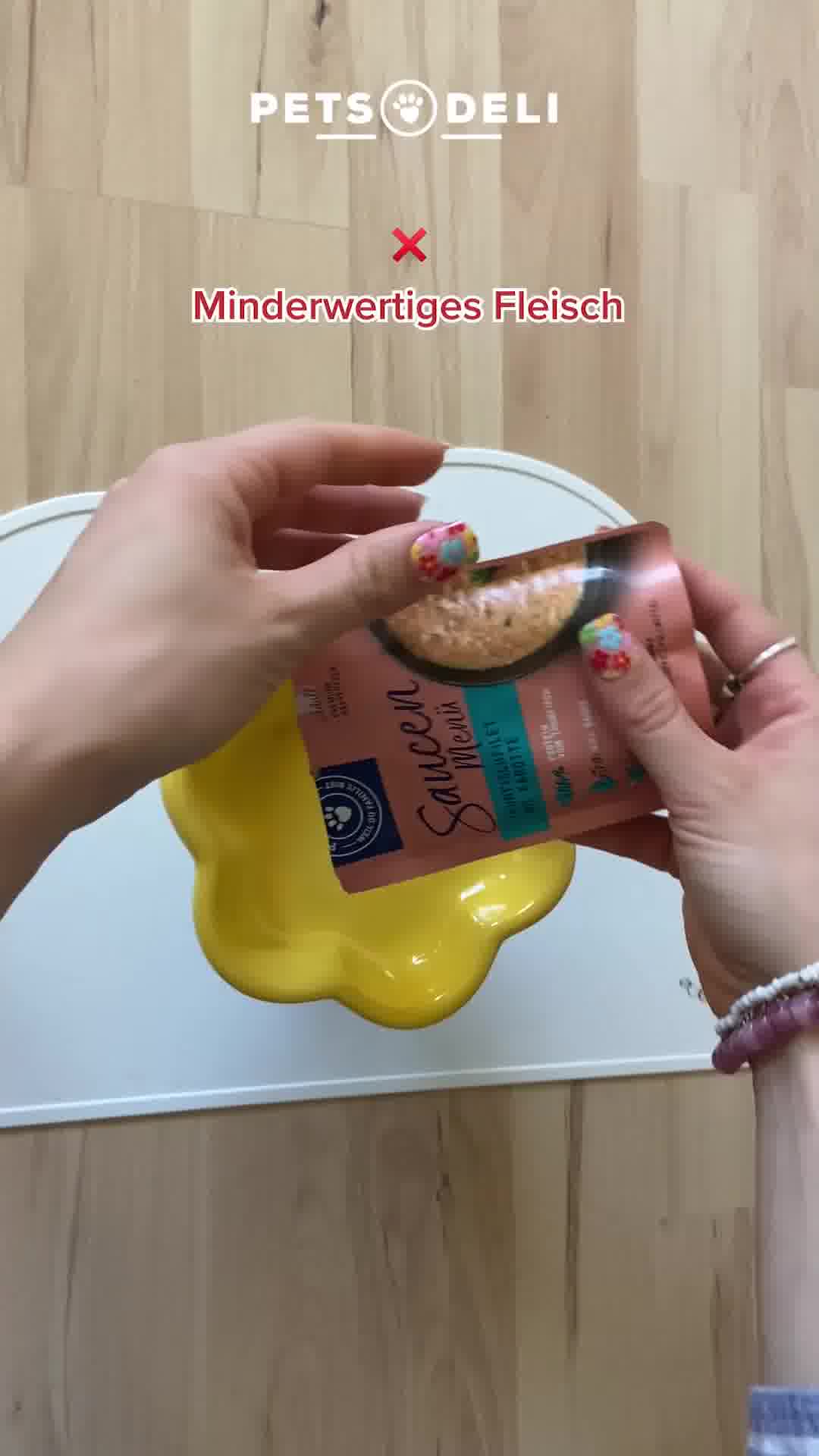
2. Dried-cement brushing metaphor
What it does. The ad shows a toothbrush uselessly scrubbing a slab of cracked, dried cement, with the subtitle comparing dog tooth-brushing to trying to scrub off hardened cement. The single visual metaphor argues that ordinary brushing cannot work, teeing up the new method.
Why it works. The concrete metaphor makes an abstract frustration instantly obvious and memorable, reframing the problem so the product feels like the only sensible fix.
Ad data. This video reached 2.9M and ran for 111 days. Gender split: 70% women / 30% men.
3. Dog-expert endorsement with discount badge
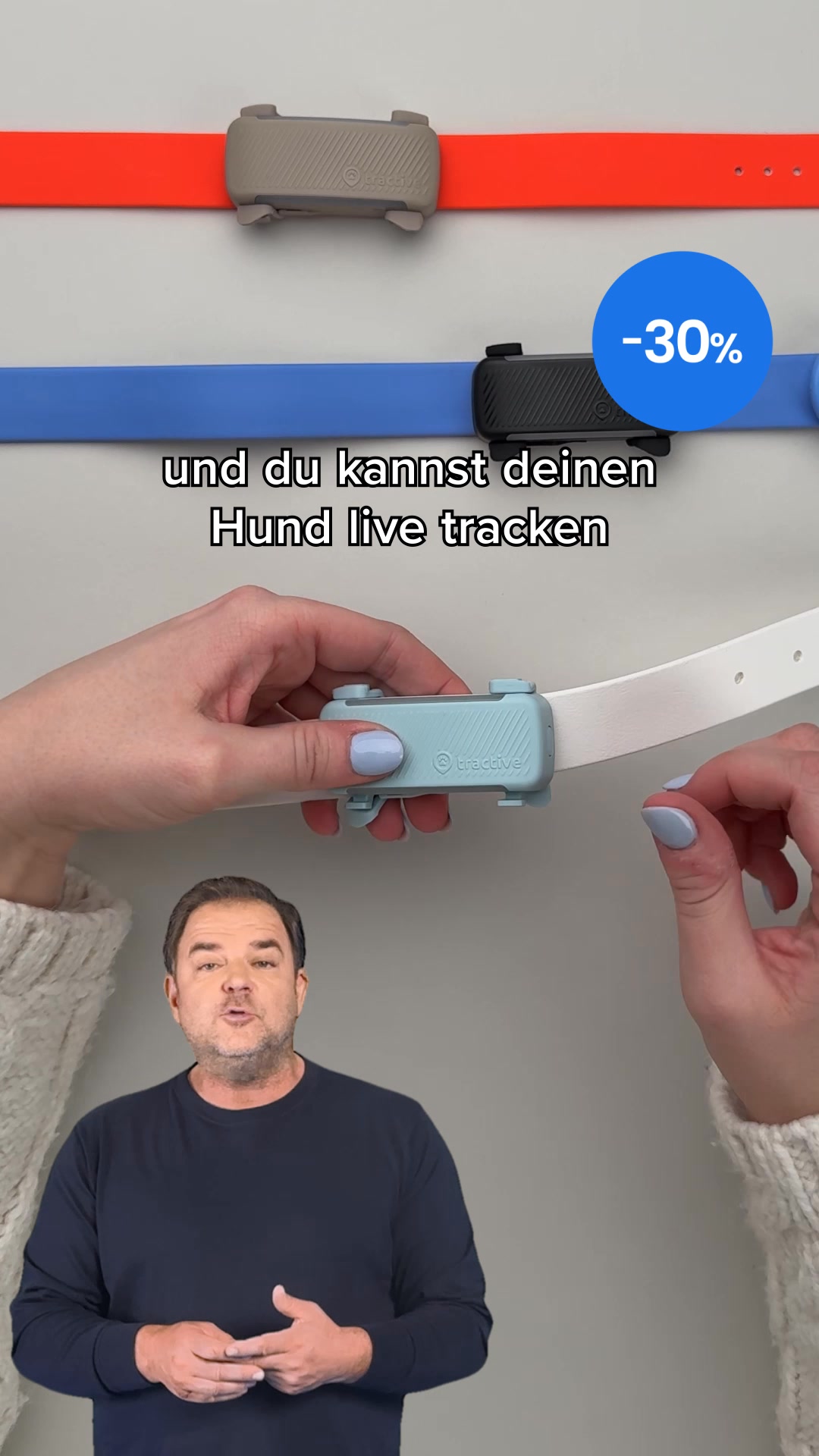
What it does. Named dog expert Martin Rutter appears as a talking head over a giant golden retriever close-up, endorsing the Tractive GPS tracker while a bold blue -30% badge sits in the corner. The copy states that even the most obedient dog can suddenly be gone and that Rutter recommends the tracker.
Why it works. A recognisable dog authority lends instant credibility to a safety product, and pairing his endorsement with a visible discount converts trust into action.
Ad data. This video reached 4.9M and ran for 131 days. Gender split: 62% women / 38% men.
4. Tearful pet-portrait reaction
What it does. A phone-shot clip shows a woman in her car with her hands to her face, overlaid with the caption that she almost cried when she saw the hoodie with her dog on it. The raw, emotional reaction sells the personalized apparel without any polished product shot.
Why it works. The unscripted emotional payoff feels authentic and organic, letting viewers project their own bond with their dog onto the reaction and the keepsake.
Ad data. This video reached 3.9M and ran for 59 days. Gender split: 40% women / 60% men.
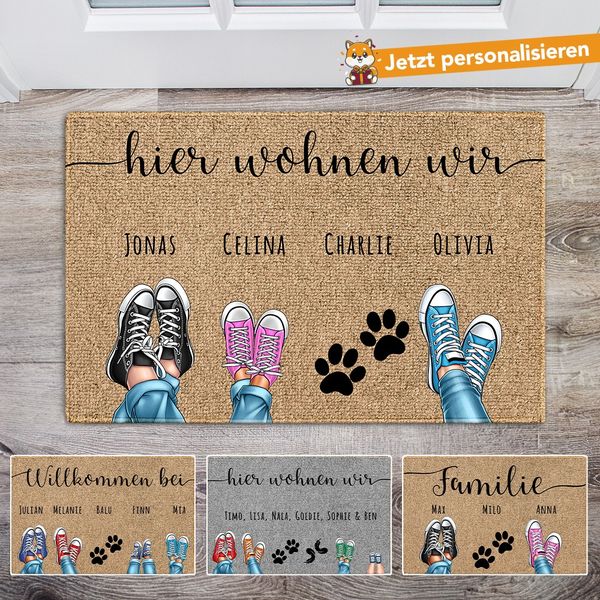
5. Name-it doormat personalization
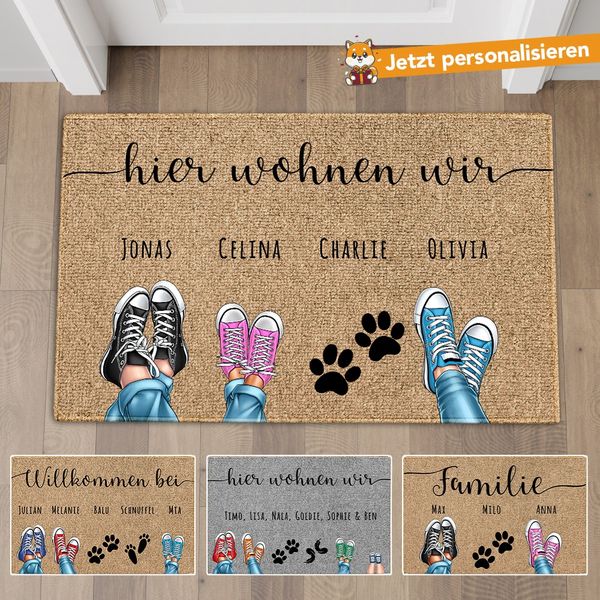
What it does. A static image shows a coir doormat reading hier wohnen wir with family names, sneaker illustrations and dog paw prints, plus a Jetzt personalisieren button and a strip of alternate name-and-paw variants below. It demonstrates the customizable product by literally featuring named people and pets.
Why it works. Seeing pets treated as named family members on a finished, personalized product makes the emotional pitch tangible and shows exactly what the buyer will get.
Ad data. This image ad reached 3.2M and ran for 632 days, a long-running evergreen creative. Gender split: 83% women / 17% men.
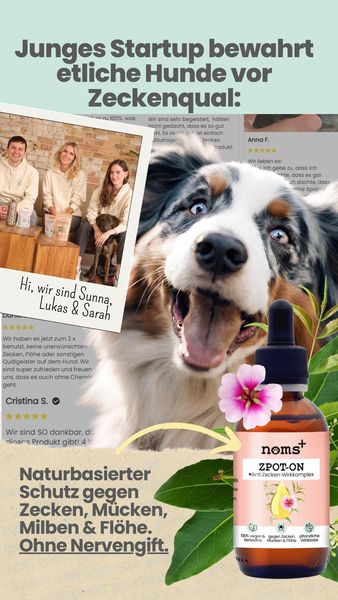
6. Founder-story advertorial with reviews
What it does. The static ad is styled like an editorial collage: an editorial-style headline about a young startup saving dogs from tick misery, a founder photo captioned Hi, wir sind Sunna, Lukas & Sarah, verified customer reviews, and the natural spot-on product shot. Copy stacks the no-nerve-poison, nature-based benefits.
Why it works. Framing the pitch as a news-like founder story with real reviews borrows editorial credibility and social proof rather than reading as a hard sell.
Ad data. This image ad reached 2.7M and ran for 821 days, the longest run in the set. Gender split: 81% women / 19% men.
7. Cozy-home comfort scene
What it does. The video shows a smiling woman petting her dog on a plush fur-topped dog bed inside a warmly styled living room with pampas grass and soft light. The product is sold through the aspirational cozy-winter lifestyle rather than features, with copy promising the dog no longer freezes on cold days.
Why it works. The warm, homey staging makes the bed feel like an upgrade to the owner's own comfort and the dog's wellbeing, selling emotion and lifestyle over specs.
Ad data. This video reached 2.6M and ran for 358 days. Gender split: 79% women / 21% men.
8. Offer-led product-wall pitch
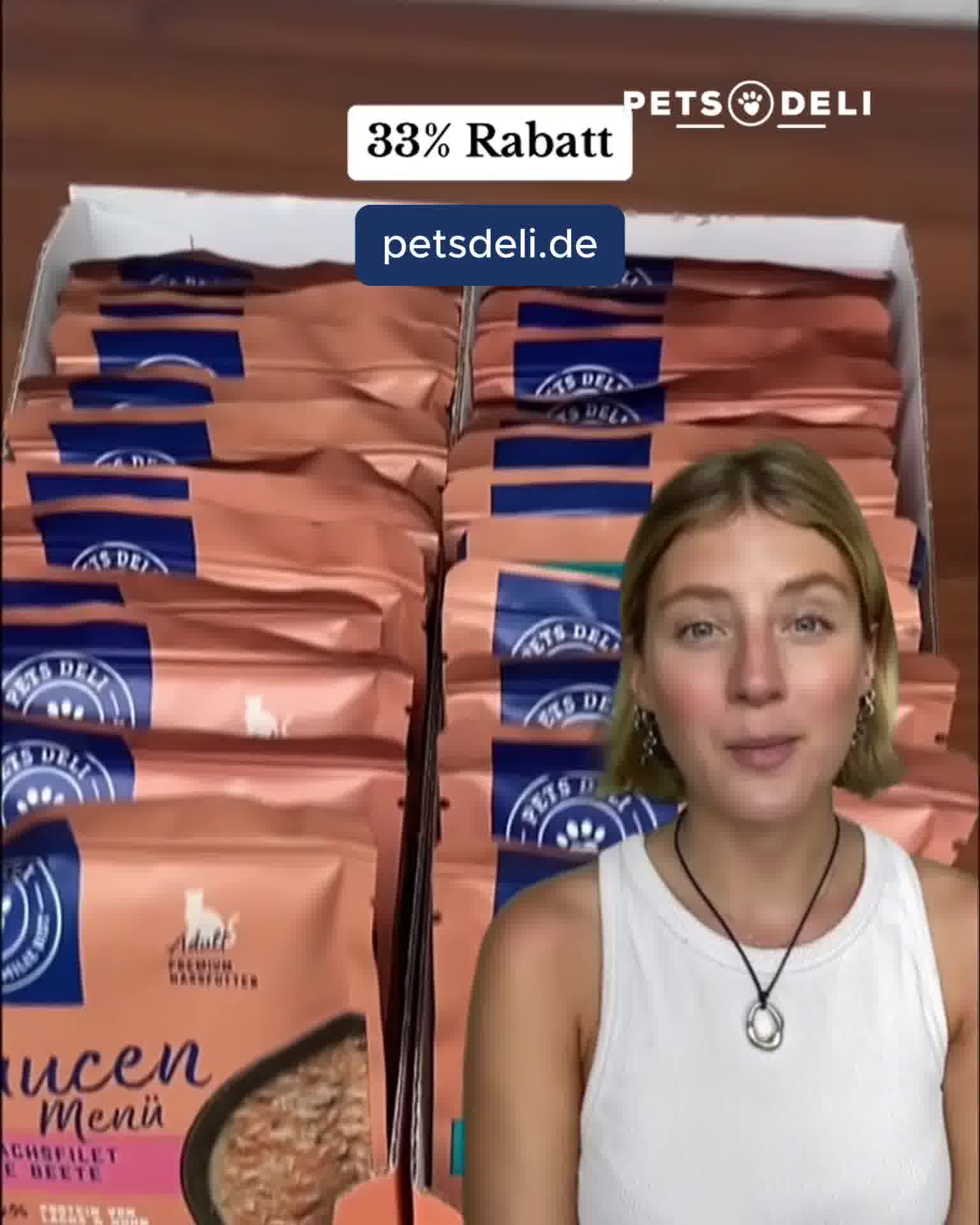
What it does. A presenter in a white top speaks to camera in front of a towering wall of the brand's salmon-colored food pouches, with a bold 33% Rabatt banner and the petsdeli.de URL pinned on screen. The copy leads with a 92% cat-acceptance stat and an acceptance guarantee inside the discounted bundle.
Why it works. The wall of stock signals popularity and abundance while the prominent discount and guarantee remove hesitation, making the deal the clear hook.
Ad data. This video reached 4.8M and ran for 170 days. Gender split: 63% women / 37% men.
Pet & Animal ad best practices
- Open on the pet or the problem. Lead the first frame with a tight, affectionate close-up of a dog or with a visceral problem shot like tartar buildup. Owners recognize their own pet or their own worry instantly and stop scrolling.
- Turn abstract pain into one concrete visual. Use a single memorable metaphor or demonstration, like a toothbrush failing on hardened cement, to make the frustration obvious. It reframes the problem so your product reads as the only sensible fix.
- Show the pet as named family. For personalized products, put the pet's name, paw prints or portrait on the finished item and capture a candid owner reaction. Seeing exactly what they will get, tied to their own dog, makes the emotional pitch tangible.
- Make the offer and CTA impossible to miss. Pin a bold discount badge, guarantee or clear button on screen, and end with one direct action such as personalize now or claim the deal. Pairing visible proof with a plain next step converts interest into clicks.
Where this data comes from
What you see here is a curated slice of Meta advertising, not a full census of it. Only the highest-reach Facebook and Instagram ads per industry make it in, which means the figures describe the top performers we track rather than the platform as a whole. Reach here means the number Meta itself discloses under EU transparency rules, gender, age and country split included, taken as published. Estimated spend is the exception: we compute it from the reported reach using an assumed 5 to 30 EUR CPM.
The raw ad data is collected via top-ads.io. The Ad Library itself is a free resource from adtribute, an attribution and analytics platform that shows which channels and touchpoints actually drive your revenue.