





The Office Supplies hub gathers 172 of the highest-reach Meta ads across office, stationery and workspace gear, from ergonomic chairs to digital notebooks and leather journals. The winning creatives share a clear pattern: show one product doing its job on a real desk, back it with a credible voice or customer proof, and make the payoff obvious in a single scroll.
Key takeaways
- Near-even video and image split. The mix runs 48% video and 52% image, so still creative competes on equal footing with motion here. Clean product stills carry as much reach as feature-walkthrough videos.
- 8 advertisers, deep reach. Just 8 distinct advertisers produced these 172 ads, with a median reach of 1.9M and a top ad hitting 5.9M. The average run lands at 83 days, and the highest-reach creatives are proven performers that kept earning their spend.
- Demonstrate the one clever job. The strongest ads put the product to work on screen, a chair used by four personas at once or a desk mat wirelessly charging a phone, so the benefit is understood before any copy is read.
- Borrow a credible voice. Winners lean on real proof: a hands-on creator review, a named educator and TED speaker, or a customer quote about three years of daily use. The endorsement does the persuading on premium office and stationery items.
What makes a winning Office Supplies ad
A high-performing office supplies ad opens on a hook that either agitates a familiar pain, a studio owner slumped at a chaotic desk, or leads straight into a product doing something surprising, like a desk mat that charges devices. It then earns belief through demonstration or proof: a spec-by-spec feature walkthrough, a named credentialed endorser, or a direct owner quote about years of use. The offer and reasons to buy sit in plain on-screen text, floating lumbar support, foldable armrests, express delivery, free returns, and the ad closes by making the payoff feel low risk and worth trying.
What the top Office Supplies ads look like
Scanning the highest-reach ads, you see products anchored to a real desk or setup rather than floating on white: a chair held up to camera, a hand writing on a digital notebook, pens laid out in a crisp flat-lay, journals stacked as a warm hero shot. Bold on-screen labels do the heavy lifting, blunt product names, star ratings, and short benefit lines like "The digital notebook" or "Your most portable workspace." People appear often, whether a creator narrating features, a self-identifiable office worker, gamer, designer or student, or a named expert, usually in soft, lived-in home or studio settings. The format split is nearly even at 48% video and 52% image.
Prefer one format? Filter this page to Office & Stationery video ads or Office & Stationery image ads only.
Winning ad frameworks in Office & Stationery
The highest-reach Office & Stationery ads reuse a handful of proven creative frameworks. Here are the ones that stand out here, each with a real example you can play or open in full.
1. Creator chair-feature review
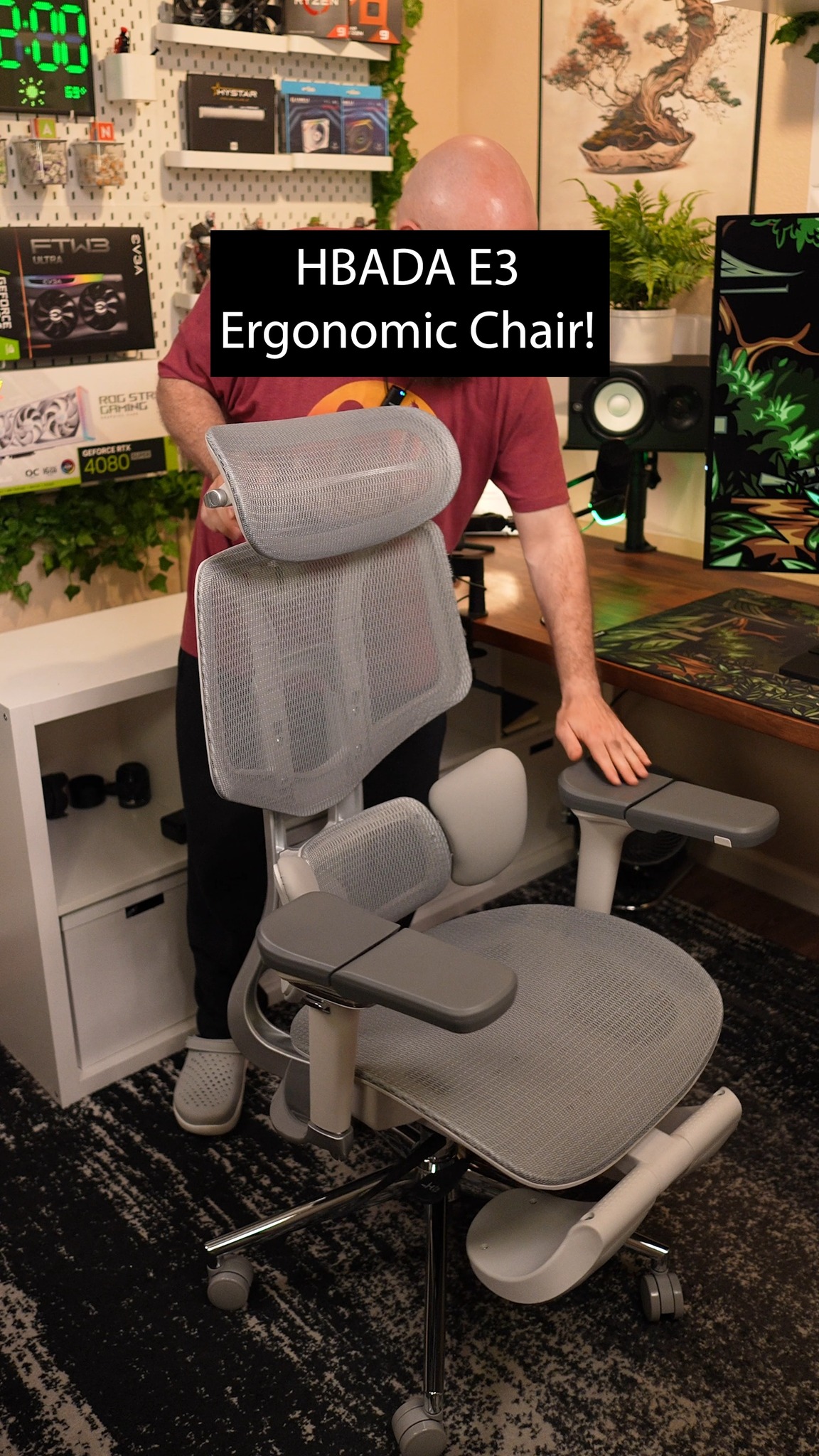
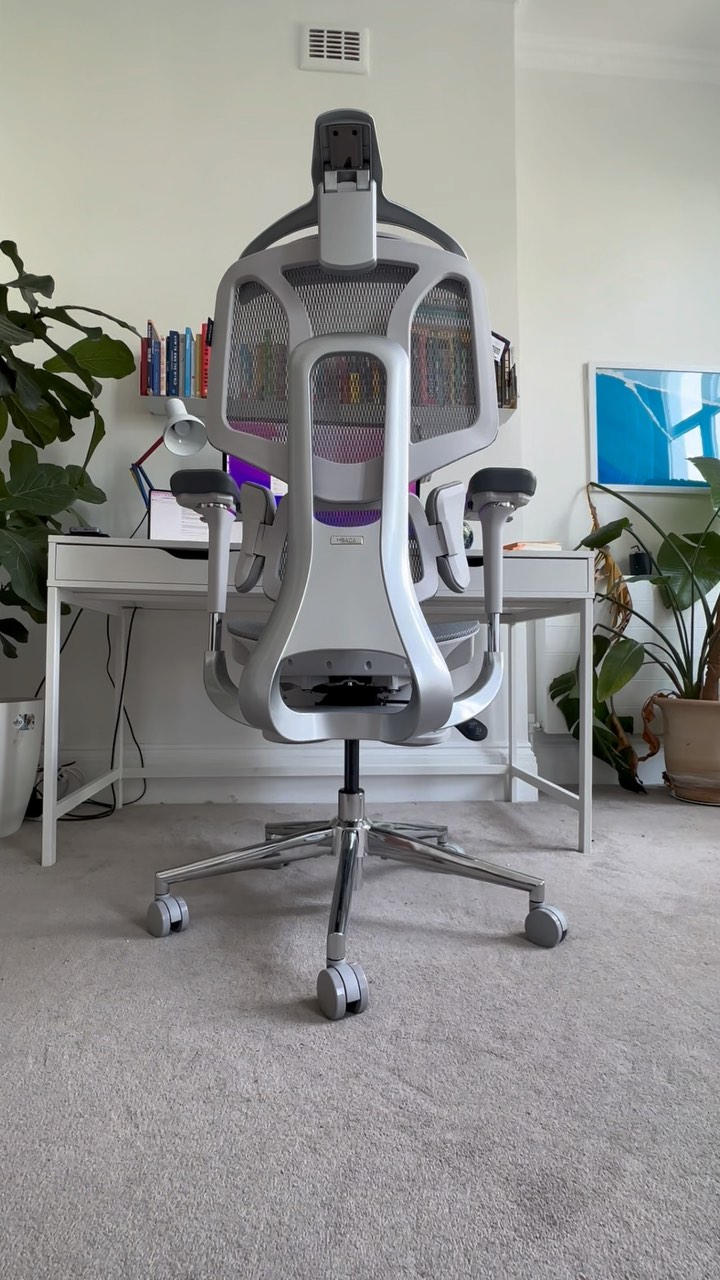
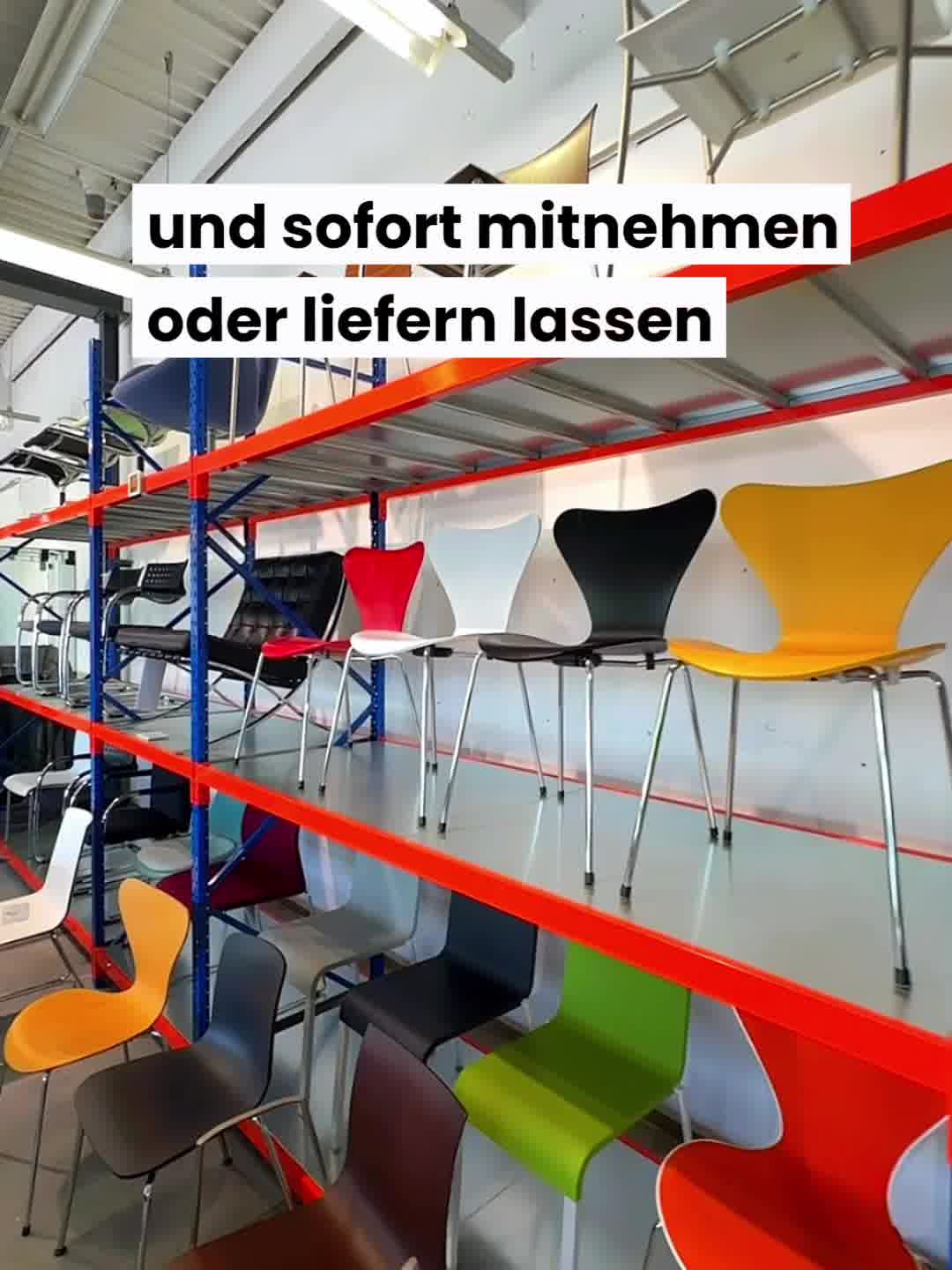
What it does. A creator stands in his gaming setup holding the HBADA E3 chair up to camera under a bold "HBADA E3 Ergonomic Chair!" caption, and the caption body runs through the features first-hand: Floating Wing lumbar support, foldable 6D armrests, 4D headrest and retractable footrest. It reads and looks like an organic hands-on review rather than a brand ad.
Why it works. A real person physically demonstrating and narrating each feature builds trust and makes an expensive chair feel vetted before you buy. The blunt on-screen label plus a spec-by-spec walkthrough gives buyers concrete reasons to keep watching.
Ad data. This video reached 5.2M and ran for 176 days, a sustained high reach run for the category. Gender split: 18% women / 82% men.
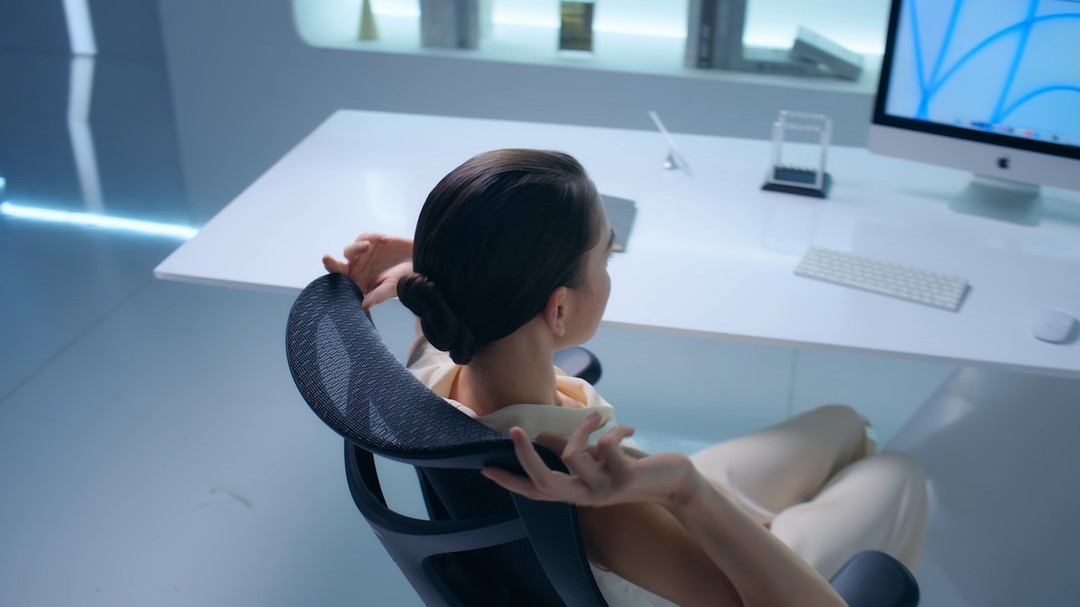
2. One-chair, four-personas split
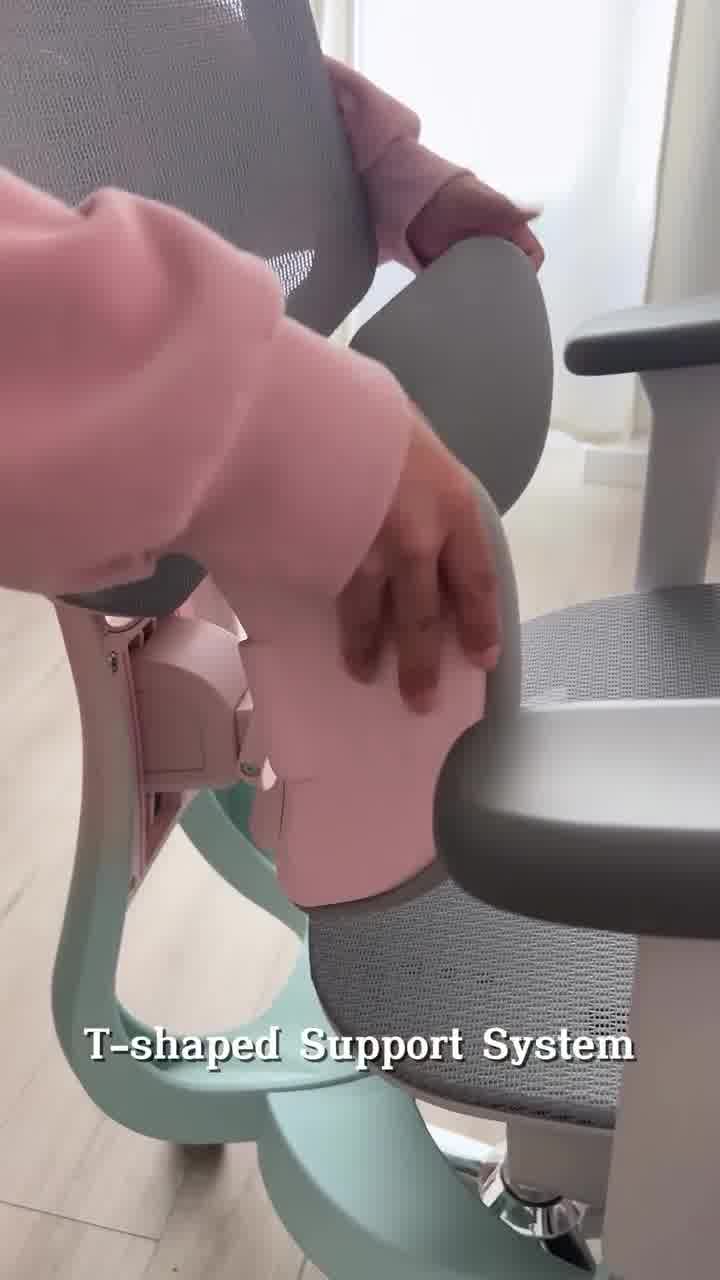
What it does. The frame is split into four vertical panels showing the same Doro chair used by different people: a calm office worker, a headphoned gamer, a designer at a laptop, and a student, and the copy positions the range as the solution "regardless of your profession." One product is shown covering many distinct sitting situations in a single frame.
Why it works. Showing four buyer types at once lets viewers instantly self-identify and see the chair as relevant to them specifically, widening appeal without extra copy. The clean quad layout is scroll-stopping and reads in a fraction of a second.
Ad data. This video reached 3.1M and ran for 236 days, a long sustained run for the category. Gender split: 44% women / 56% men.
3. Burnout-desk problem opener
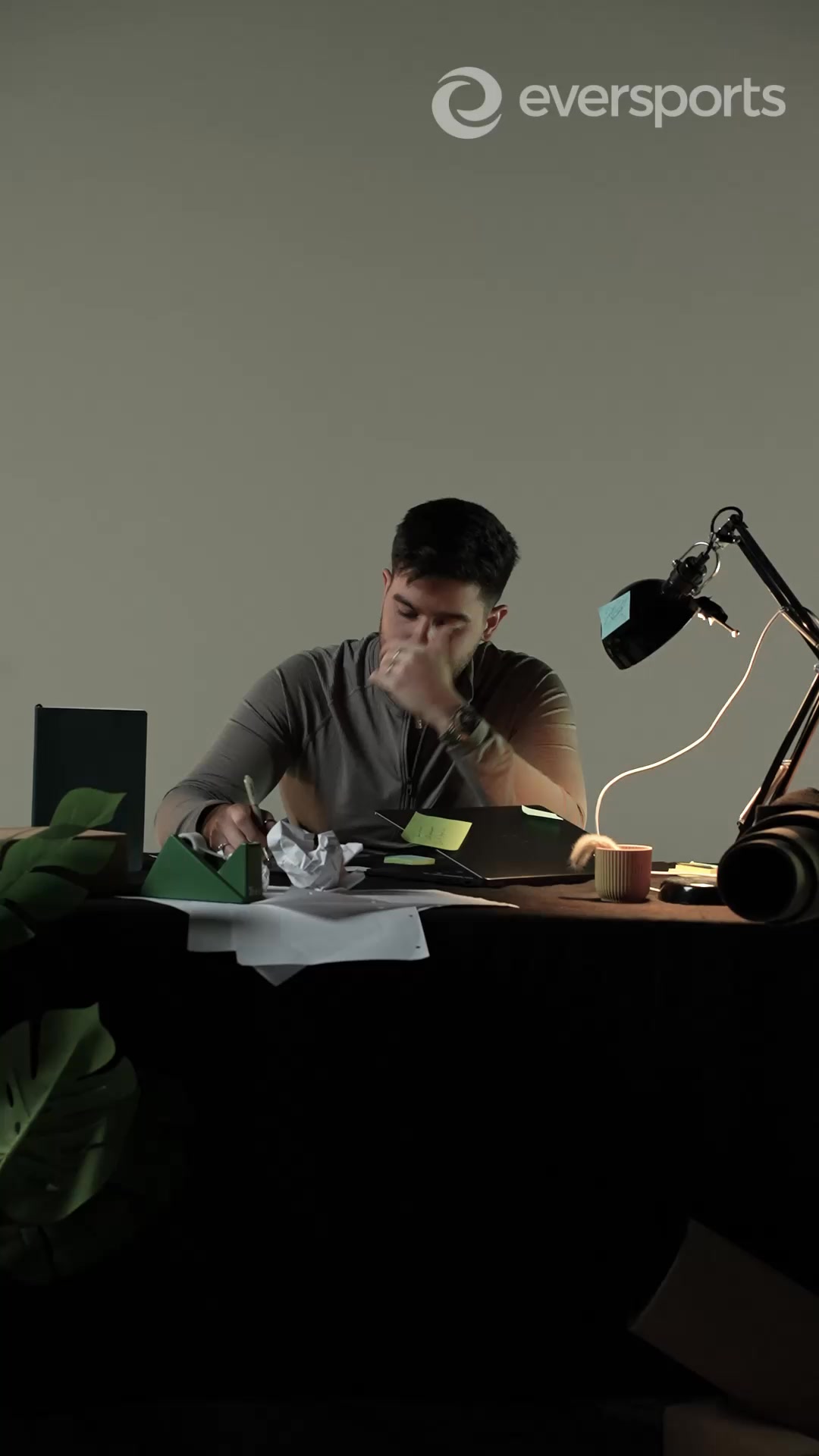
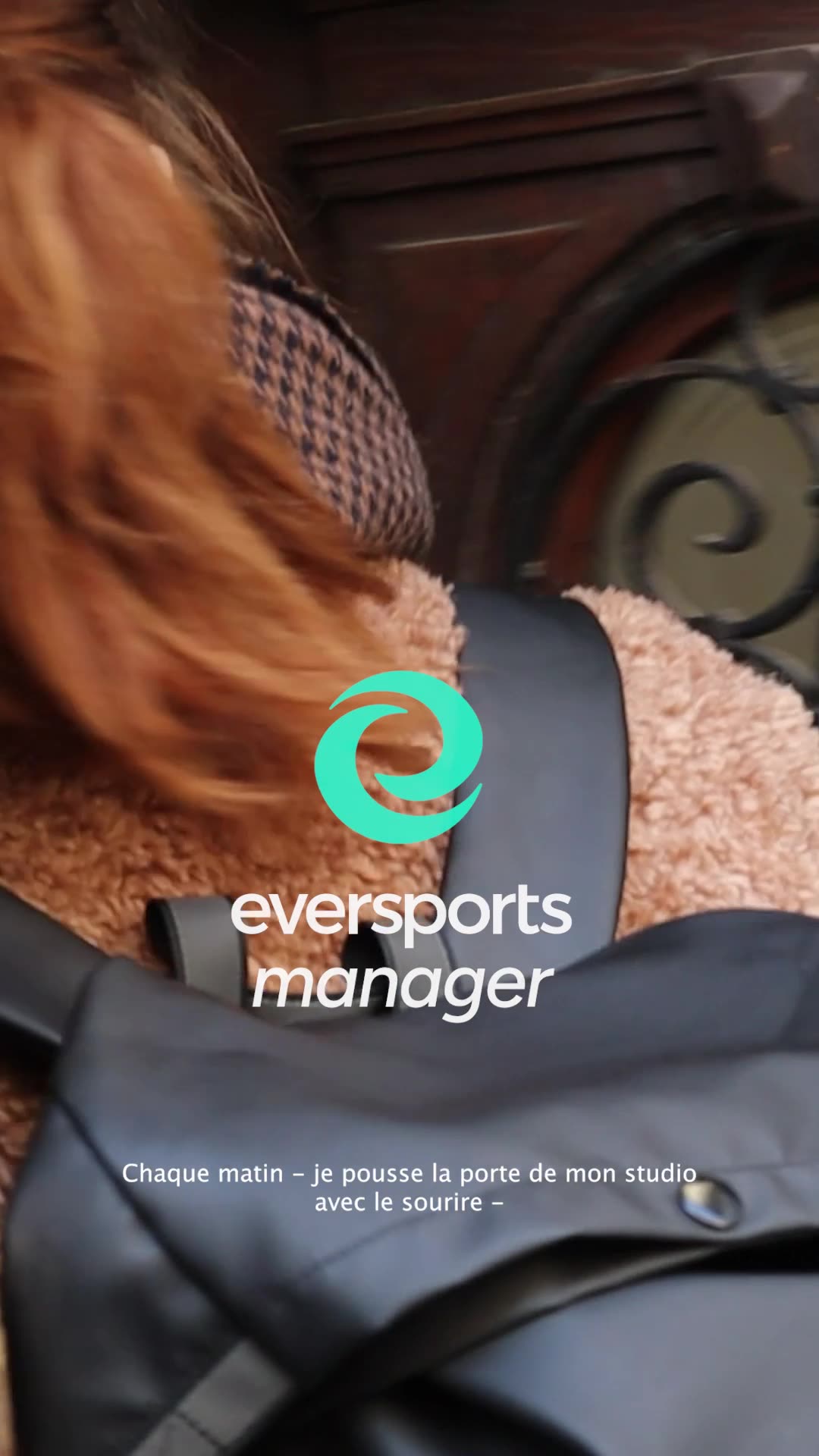
What it does. The ad opens in dim light on a studio owner slumped at a chaotic desk, rubbing his eyes amid crumpled paper, scattered sticky notes and a laptop, dramatizing overwhelm, before the copy lands Eversports Manager as the tool that removes the complexity with intuitive dashboards and integrated reporting. It leads on the pain, then presents the software as the fix.
Why it works. Studio owners see their own admin chaos mirrored on screen, which makes the promise of "zero complexity" land as relief rather than a feature claim. Agitating the problem first earns attention before the pitch.
Ad data. This video reached 3.8M in the category. Gender split: 35% women / 65% men.
4. Named expert desk endorsement
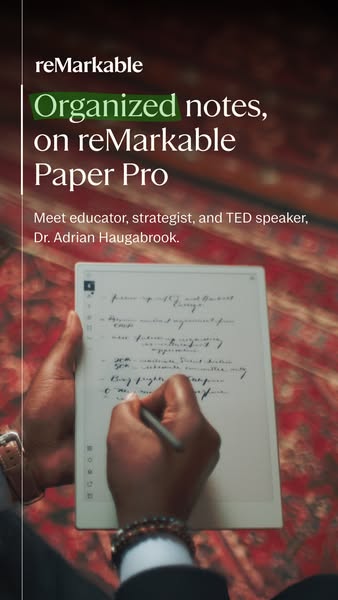
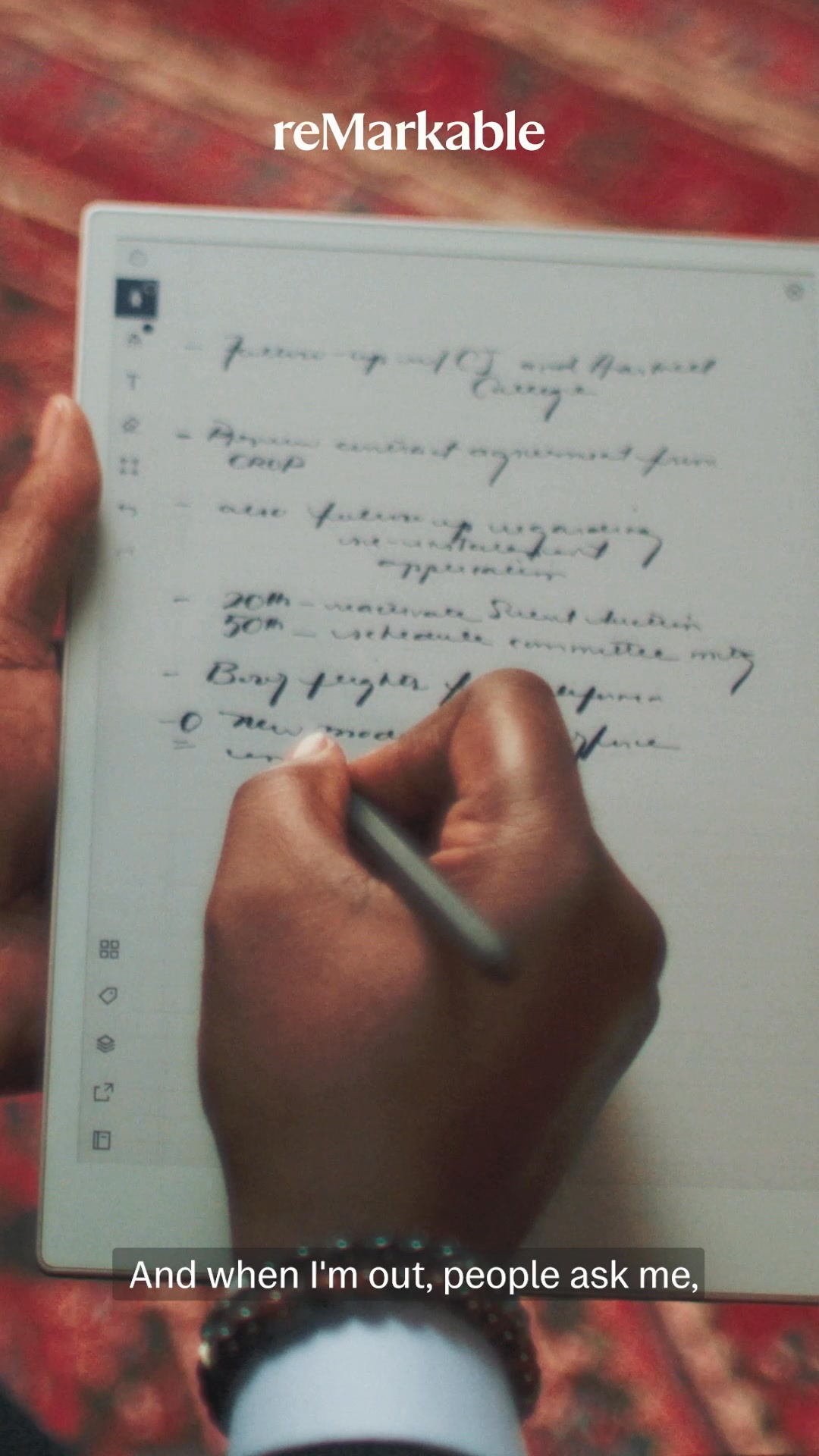
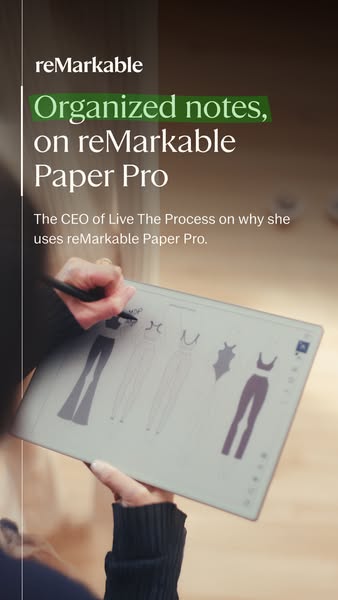
What it does. A clean editorial image shows a hand writing organized notes on the reMarkable Paper Pro, headlined "Organized notes" and captioned "Meet educator, strategist, and TED speaker, Dr. Adrian Haugabrook," tying the device to a named, credentialed professional. The person's title does the persuading.
Why it works. Attaching a real educator and TED speaker to the device signals it is trusted by serious knowledge workers, borrowing his authority to justify a premium notebook. The restrained layout keeps the focus on the credible endorser.
Ad data. This image reached 5.8M in just 34 days, one of the fastest high reach results in the set. Gender split: 33% women / 67% men.
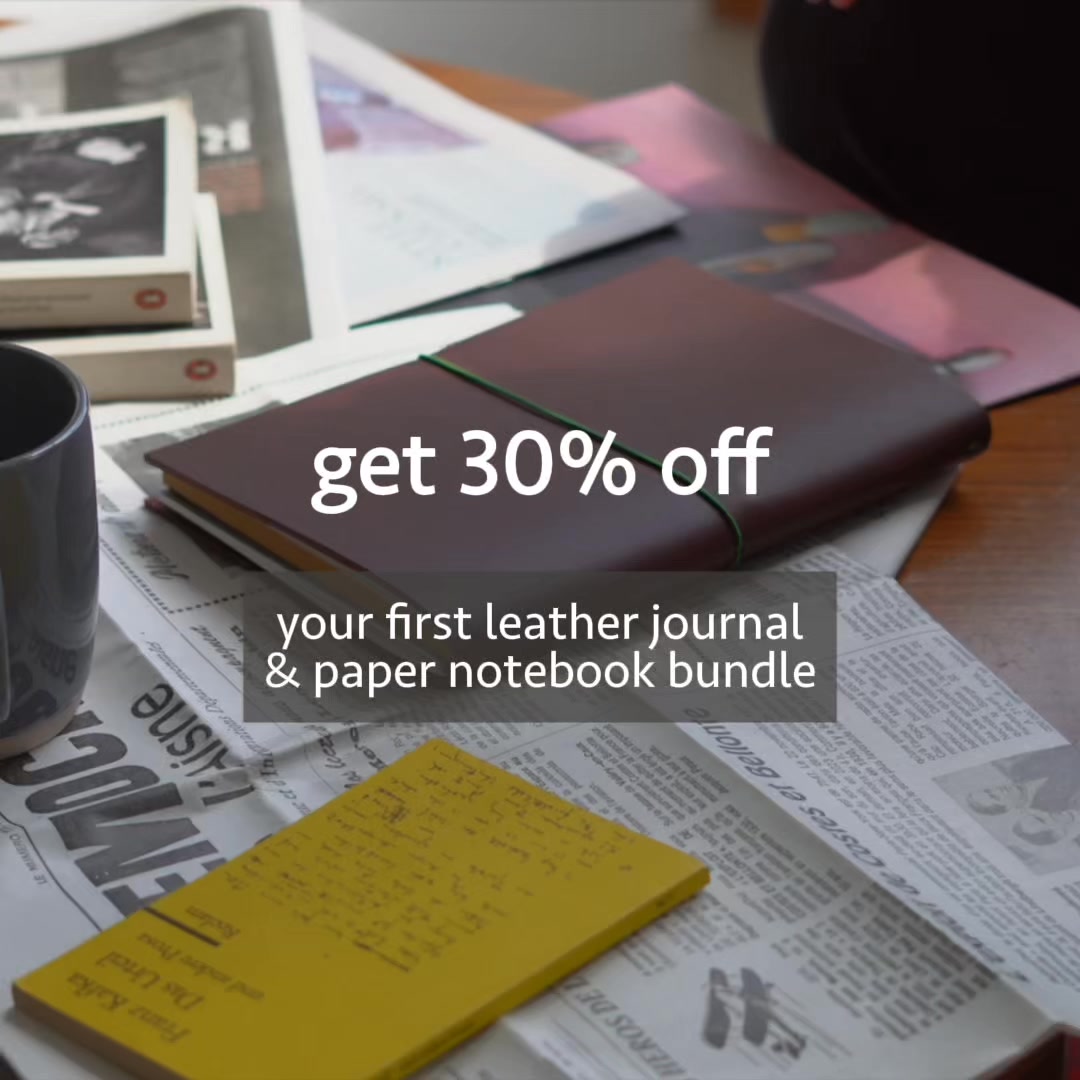
5. Three-year loyalty quote
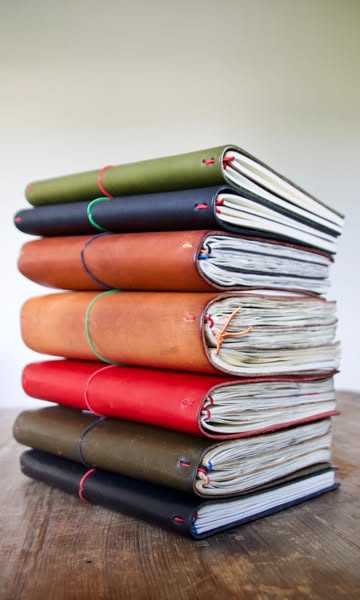
What it does. A warm hero shot stacks seven well-worn leather journals under the line "leather journals that last a lifetime," while the copy carries a direct customer quote: "I've been using your XL grand voyageur journals for up to three years now and honestly love the product and have recommended to everyone I know." A real owner's words act as the proof.
Why it works. A specific multi-year quote plus visibly aged, used journals proves durability far more convincingly than a brand claim could. It turns a simple paper product into a long-term keepsake worth paying for.
Ad data. This image reached 3.7M and ran for 664 days, by far the longest run in the category. Gender split: 53% women / 47% men.
6. Desk-mat charging demo
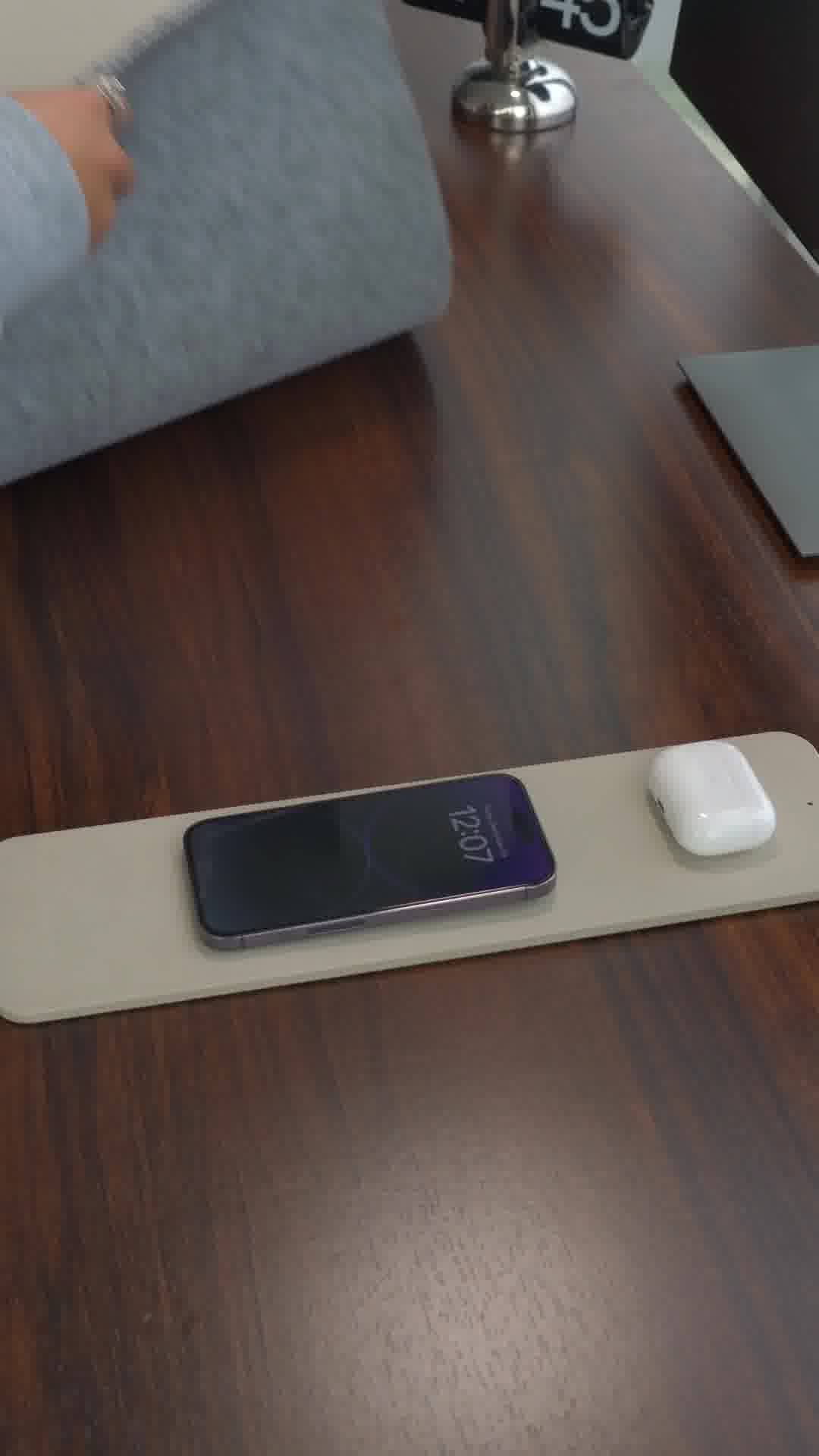
What it does. The video simply shows a phone and AirPods case resting on the ALTI desk mat and charging wirelessly on a real desk, with the copy calling it "NOT YOUR AVERAGE DESK MAT" and adding express delivery and free returns. It demonstrates the product doing its one clever job on screen.
Why it works. Seeing the mat actually charge devices makes an unusual hybrid product instantly understandable and desirable, no explanation needed. The visible payoff plus free returns lowers hesitation to try it.
Ad data. This video reached 3.7M and ran for 412 days, a long high reach run. Gender split: 25% women / 75% men.
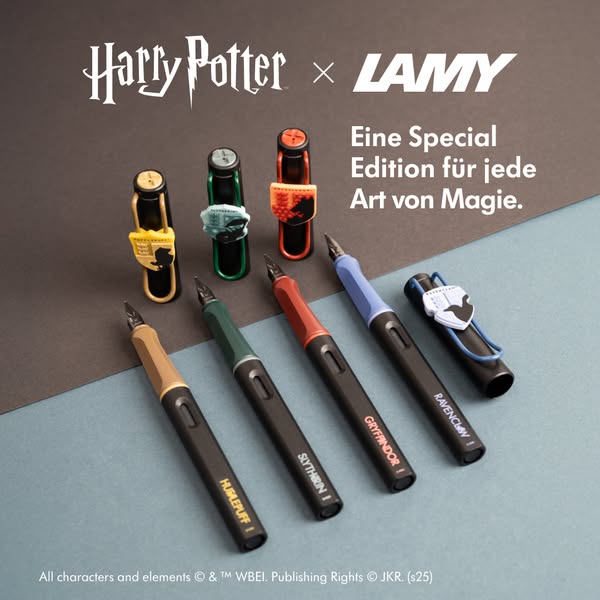
7. Licensed fandom pen lineup
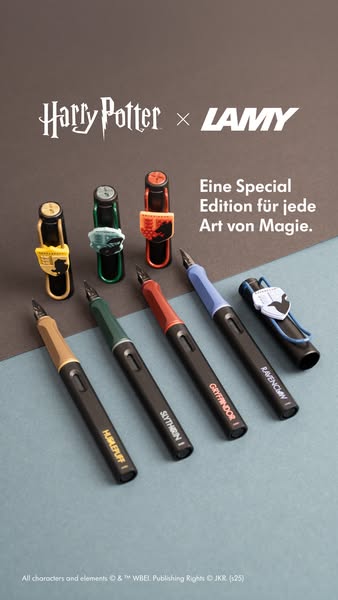
What it does. A crisp flat-lay shows four LAMY safari fountain pens in the Hogwarts house colors under the "Harry Potter x LAMY" lockup and the line "Eine Special Edition fuer jede Art von Magie," inviting fans to find the pen for their house. The licensed collaboration and neat product row carry the whole ad.
Why it works. Pairing a premium pen with a beloved franchise turns an everyday writing tool into a collectible fans want to own and complete. The minimal, well-lit lineup makes the special edition feel gift-worthy at a glance.
Ad data. This image reached 3.2M and ran for 98 days. Gender split: 42% women / 58% men.
Office Supplies ad best practices
- Lead with a hands-on demonstration. Show the product physically doing its job, a chair's features narrated one by one or a mat charging a phone, so buyers grasp the value without reading. Seeing the payoff makes an unusual or premium office item instantly understandable.
- Label the benefit in bold on-screen text. Stamp a blunt, readable line over the frame such as "The digital notebook" or a spec callout, and let star ratings or short benefit tags reinforce it. The text should carry the pitch even with the sound off.
- Open on the pain, then the fix. For workspace software and tools, dramatize the mess first, a chaotic desk, crumpled paper, scattered sticky notes, before presenting the product as the relief. Agitating the problem earns attention before the feature claims land.
- Anchor proof to a real voice. Attach a named expert, a creator review, or a specific customer quote to justify a premium stationery or office purchase. A credentialed endorser or a real owner's words persuade far harder than a brand claim.
How we build this snapshot
Everything on this page comes from a curated snapshot, so it is a selection, never the whole market. We sample only the highest-reach Facebook and Instagram ads in each industry, so every count and pattern describes the top-performing ads adtribute tracks, not every advertiser on the platform. Reach here means the number Meta itself discloses under EU transparency rules, gender, age and country split included, taken as published. The one number we derive ourselves is estimated spend, which we back out of the reported reach at an assumed 5 to 30 EUR CPM.
The raw ad data is collected via top-ads.io. The Ad Library itself is a free resource from adtribute, the analytics platform that answers the follow-up question with marketing attribution: which of your own ads made the sale.