







The Housewares hub gathers the highest-reach Meta ads for kitchen and homeware brands, from non-stick cookware to reusable drinkware and plush towels. These are the ads that kept earning budget while weaker creative got switched off, so what you see here is a snapshot of proven winners. Use it to study the hooks, offers, and visual patterns that move a low-consideration household purchase.
Key takeaways
- Video carries this vertical. The format mix runs 64% video to 36% image across 53 ads, so motion is doing the heavy lifting for most kitchenware and homeware creative.
- A tight field with big reach. Just 8 distinct advertisers make up this snapshot, yet the ads pull a median reach of 3.2M and a top of 9.1M, with an average run of 134 days.
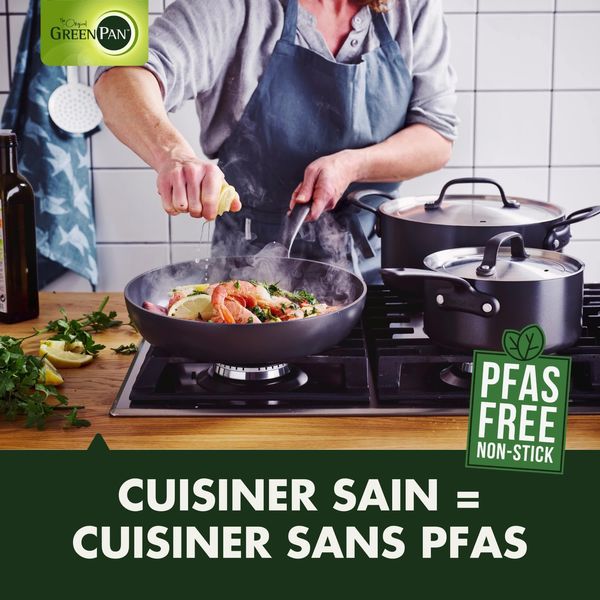
- Toxin-free is the sharpest hook. The strongest cookware creative leads on chemical safety, opening with PFAS-free and toxin-free callouts before it ever shows the fried egg or the pan. The health angle disarms sales resistance faster than any feature claim.
- Color and scarcity drive repeat buys. Homeware ads lean on seasonal colorways shown across a full range and on once-a-year discount framing. Both turn a commodity kitchen or bath item into a reason to buy now.
What makes a winning Housewares ad
The best kitchenware ads open with a hook that feels like an honest take, not a pitch: a blunt first-person caption over a phone-shot clip, or a pointed question that makes shoppers doubt the pan they already own. Proof arrives fast through demonstration, a fried egg sliding cleanly across the surface, or a green PFAS-free badge that names the safety benefit outright. The offer is then made concrete, whether that is a bundled kit or a steep seasonal price cut, and the call to action pushes the viewer to shop or discover the range while the momentum holds. Across cookware, drinkware, and towels, the pattern is hook, visible proof, clear offer, direct CTA.
What the top Housewares ads look like
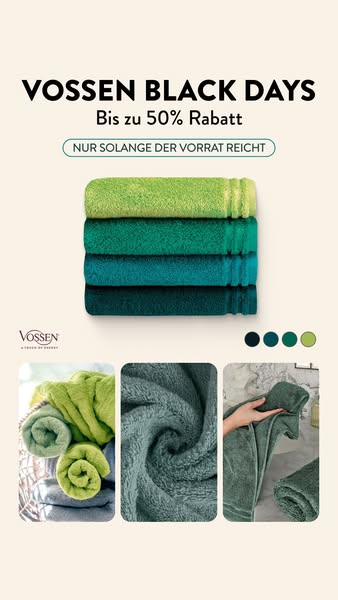
Scan the highest-reach ads here and you see product in use in a real home setting: a pan of fried eggs on a home oven, held by an oven mitt, or a lifestyle shot of a perfectly cooked egg in a dark ceramic pan beside fresh herbs. Bold on-screen text does the framing work, contrarian review captions, a punchy green PFAS-free non-stick badge, or a yellow discount starburst reading up to 50% off. Drinkware and homeware skew to clean studio layouts where a full lineup of vessels or stacked plush towels appears in one matching color against a solid backdrop, letting the aesthetic be the entire hook. Just over six in ten of these ads are video, with the rest static images.
Prefer one format? Filter this page to Kitchen & Homeware video ads or Kitchen & Homeware image ads only.
Winning ad frameworks in Kitchen & Homeware
The highest-reach Kitchen & Homeware ads reuse a handful of proven creative frameworks. Here are the ones that stand out here, each with a real example you can play or open in full.
1. Skeptic non-toxic pan review
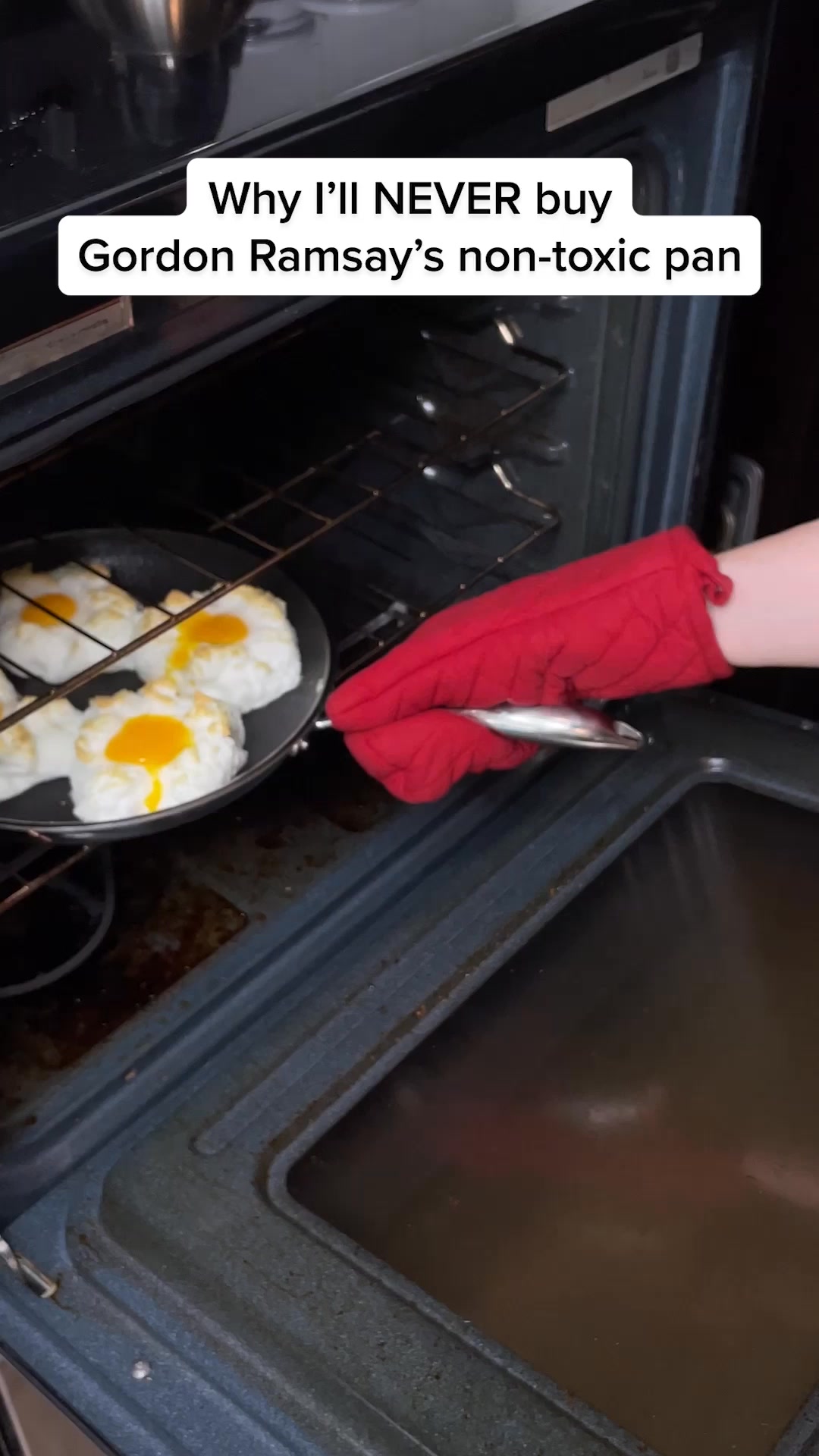
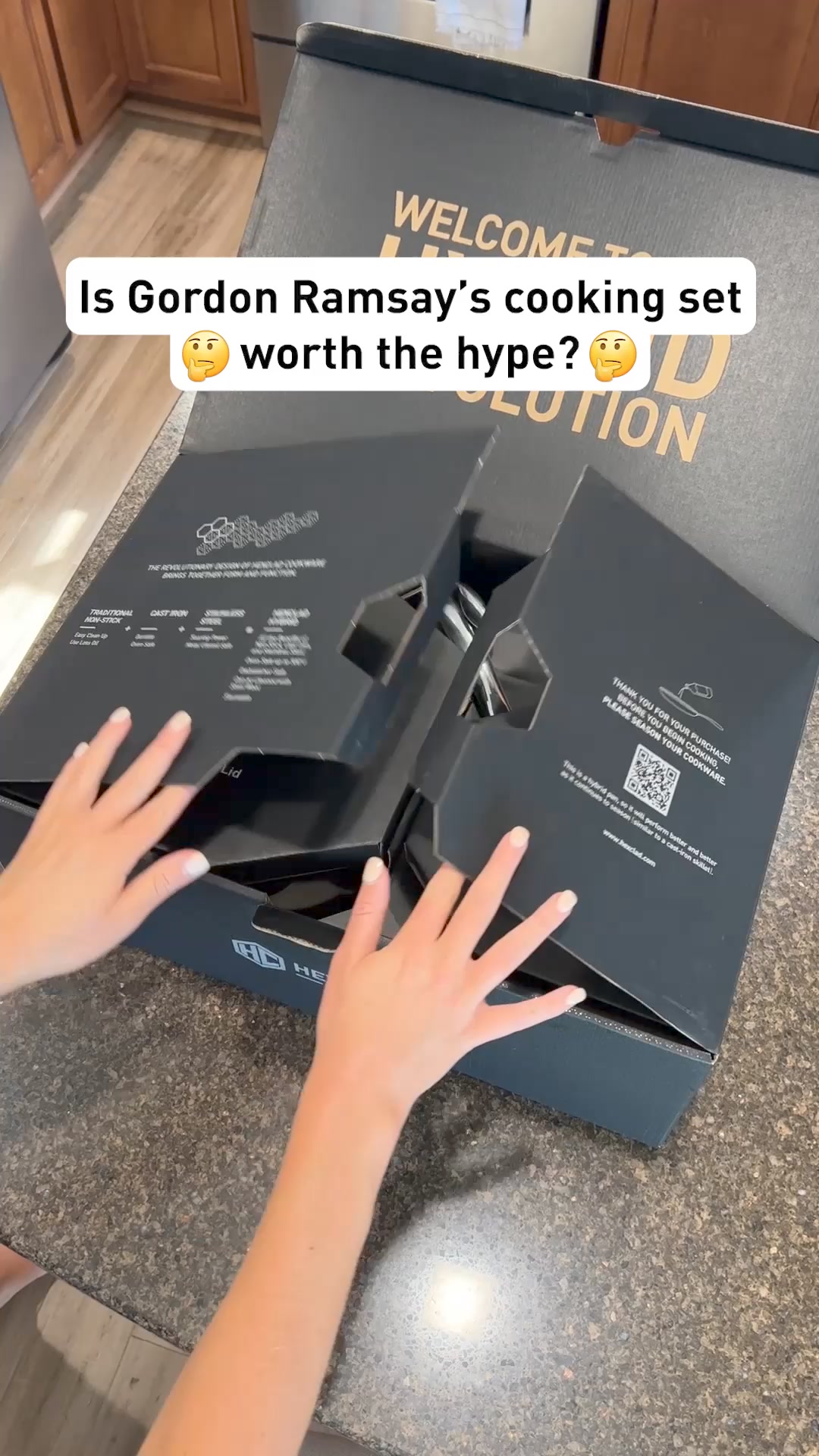
What it does. A phone-shot clip opens with the blunt caption "Why I'll NEVER buy Gordon Ramsay's non-toxic pan" over a home oven, with fried eggs sliding around a pan held by a red oven mitt. It reads as an organic first-person review rather than a brand ad, then pivots to sell HexClad's toxin-free hybrid cookware.
Why it works. The contrarian, name-dropping hook stops the scroll and disarms sales resistance because it looks like a real person's honest take, which builds trust before the pitch lands.
Ad data. This video reached 5.8M and ran for 144 days. Gender split: 46% women / 54% men.
2. Pastel colorway lineup hero
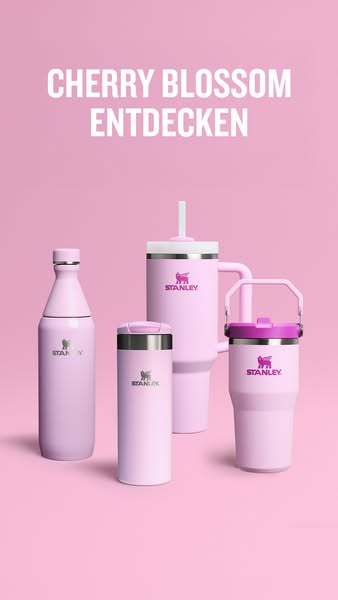
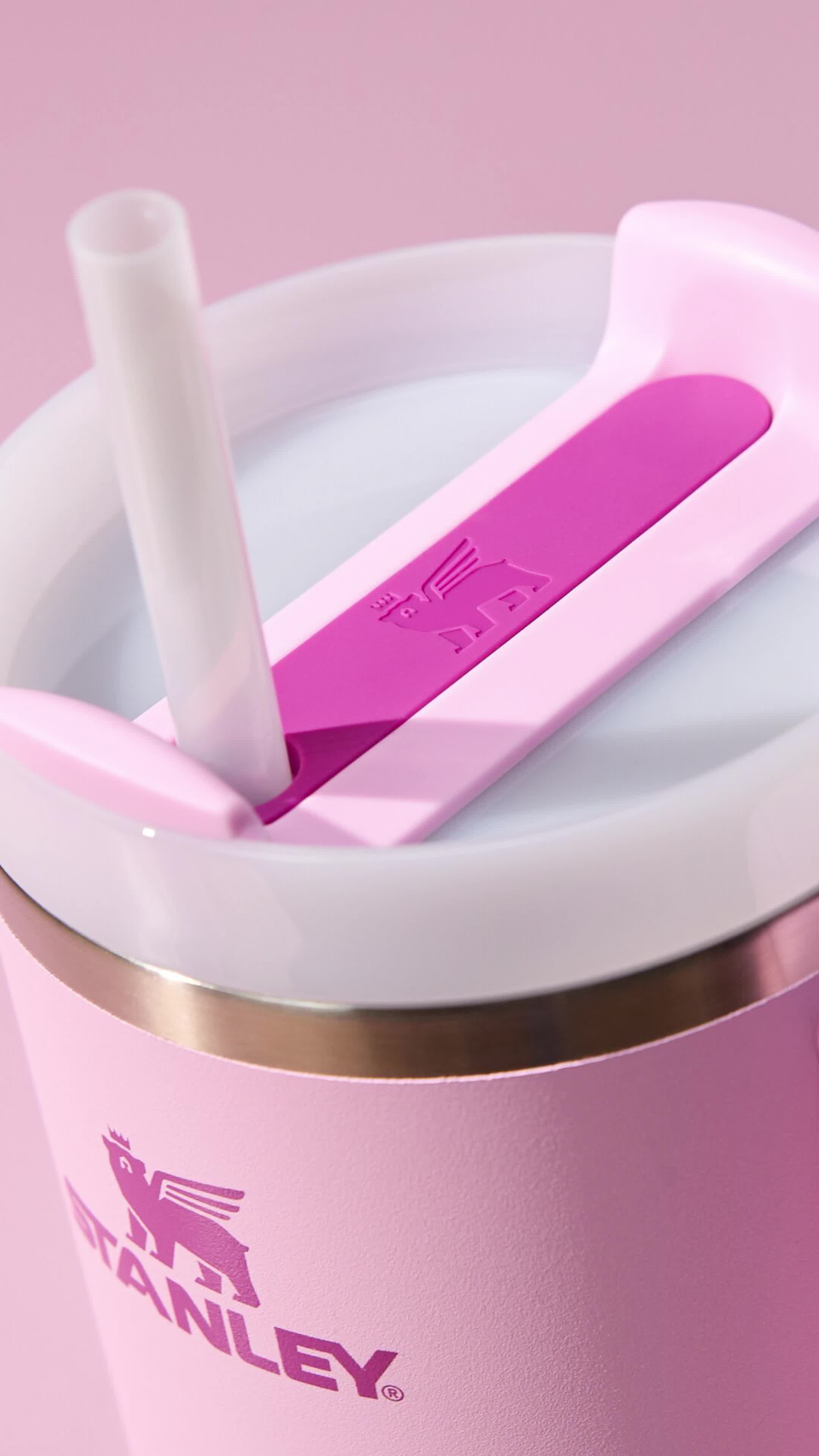
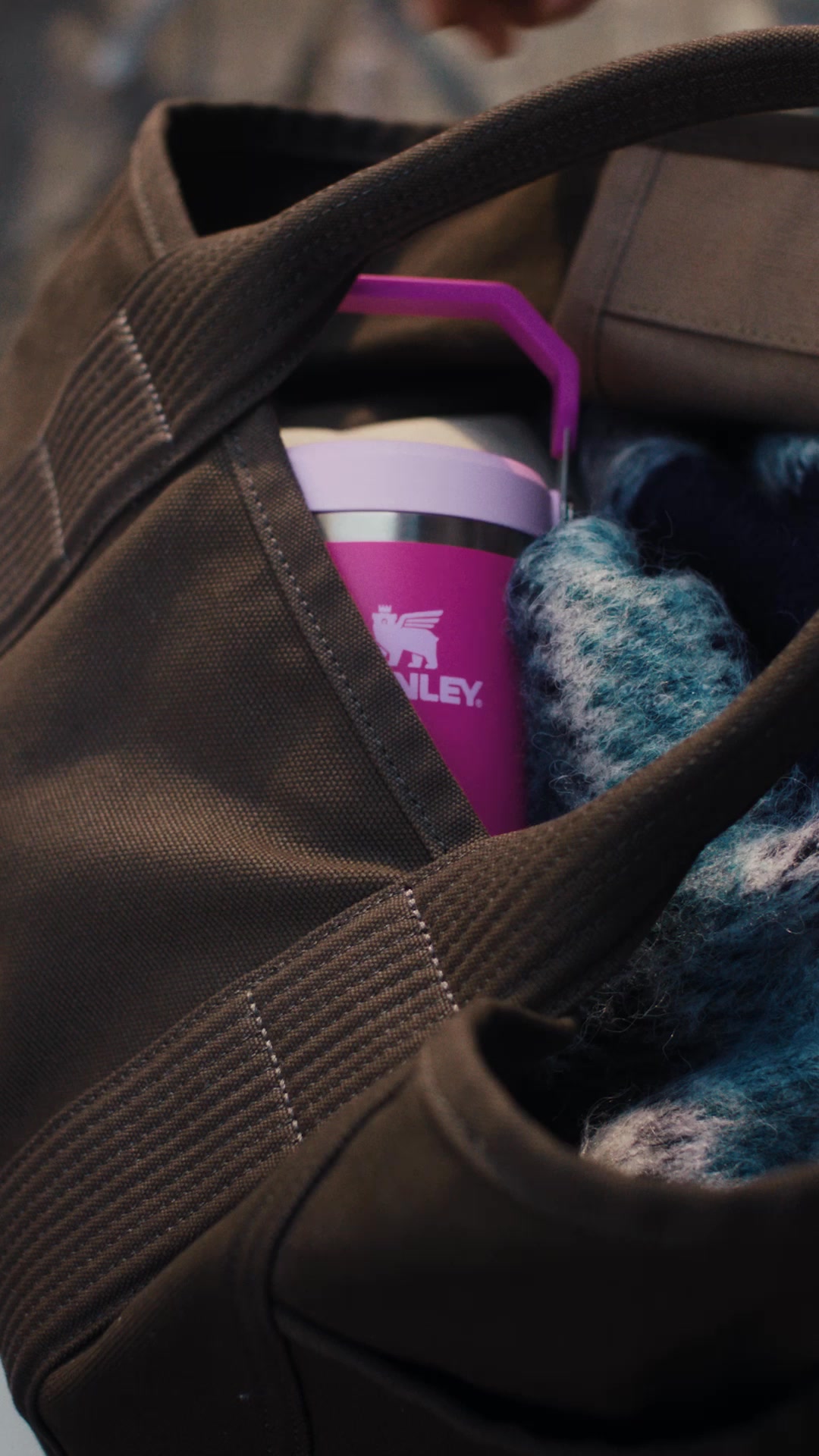
What it does. A clean studio shot lines up four Stanley vessels, a bottle, a tumbler, and two flip cups, all in matching Cherry Blossom pink against a pink backdrop under the headline "Cherry Blossom entdecken". The color, not any feature claim, is the entire hook.
Why it works. A single seasonal colorway shown across the whole range turns commodity drinkware into a collectible aesthetic buy and drives repeat purchases from existing fans.
Ad data. This image reached 6.5M and ran for 225 days, one of the longest-running and highest-reach ads in the set. Gender split: 72% women / 28% men.
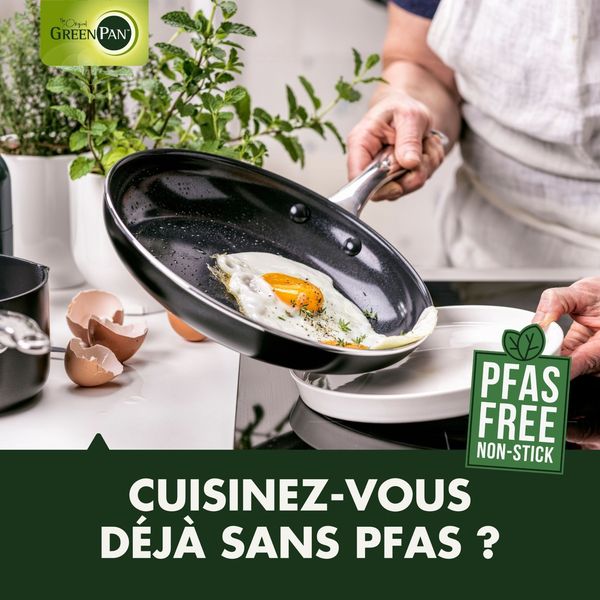
3. PFAS-free kitchen callout
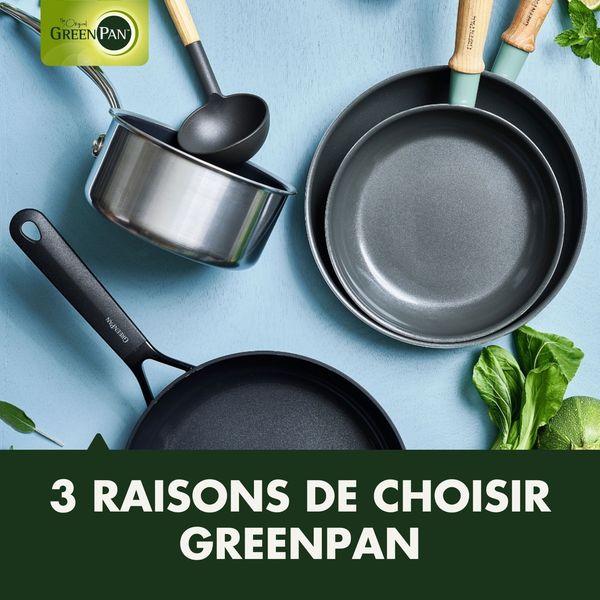
What it does. A lifestyle shot shows a perfectly fried egg in a dark ceramic pan beside fresh herbs, stamped with a bold green "PFAS FREE NON-STICK" badge and the question "Cuisinez-vous deja sans PFAS?". The health-and-toxin angle is the lead, not the cooking result.
Why it works. Turning the buying decision into a chemical-safety question makes shoppers doubt their current cookware and positions Green Pan as the responsible upgrade.
Ad data. This image reached 2.4M and ran for 549 days, a long-running evergreen in the category. Gender split: 39% women / 61% men.
4. Once-a-year towel discount
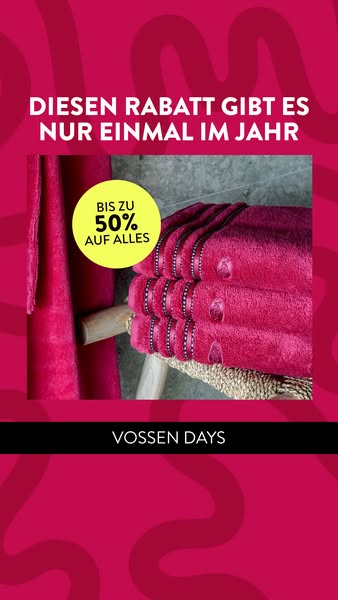
What it does. A magenta layout stacks plush towels with a yellow "Bis zu 50%" starburst and the headline "Diesen Rabatt gibt es nur einmal im Jahr" over the Vossen Days label. The price cut and its once-a-year scarcity are the whole pitch.
Why it works. Pairing a steep discount with explicit once-a-year urgency pushes fence-sitters to buy now on an otherwise low-consideration household item.
Ad data. This image reached 3.1M during a short 13 day run, showing strong reach for a brief sale window. Gender split: 71% women / 29% men.
Housewares ad best practices
- Open with a contrarian or question hook. Lead the first frame with a blunt claim or a pointed question, such as asking whether the viewer still cooks with PFAS. It stops the scroll and makes shoppers reassess the cookware they already own before your pitch lands.
- Shoot it like an honest review. Phone-shot, first-person footage in a real kitchen reads as an organic take rather than a brand ad, which lowers sales resistance. Save the polished brand look for the reveal after trust is built.
- Show the proof on screen. Demonstrate the benefit visually: eggs sliding across a non-stick surface, or a bold badge that names the toxin-free or PFAS-free claim. In kitchenware, a visible result beats a spoken feature list.
- Let color carry the drinkware and homeware shots. Line up the full range in one seasonal colorway against a matching backdrop so the aesthetic itself is the hook. Add a clear offer cue, like a discount starburst, when the item is a low-consideration buy.
How we build this snapshot
Everything on this page comes from a curated snapshot, so it is a selection, never the whole market. We sample only the highest-reach Facebook and Instagram ads in each industry, so every count and pattern describes the top-performing ads adtribute tracks, not every advertiser on the platform. Reach comes straight from Meta: it is the figure the Meta Ad Library reports under EU transparency rules, with its gender, age and country breakdown, and we do not model or adjust it. The one number we derive ourselves is estimated spend, which we back out of the reported reach at an assumed 5 to 30 EUR CPM.
The raw ad data is collected via top-ads.io. The Ad Library itself is a free resource from adtribute, the analytics platform that answers the follow-up question with marketing attribution: which of your own ads made the sale.