






The Home & Living hub gathers the highest-reach Meta ads for furniture, home decor and interior brands, the creatives shoppers actually saw across Facebook and Instagram. This is a curated snapshot of proven winners: ads that kept earning their budget and stayed live long enough to reach millions. Use it to see the exact hooks, framing and offers that move a high-consideration home purchase.
Key takeaways
- Video carries the category. The format mix runs 66% video to 34% image across 250 ads, so motion is the default for showing a product in a real room. Static frames still earn their place when the whole point is one instant comparison or a price.
- Broad reach, patient run windows. Across 47 distinct advertisers, median reach lands at 4.0M and the top ad hits 16M, with an average run of 142 days. That range shows both proven scale players and single standout creatives sitting side by side.
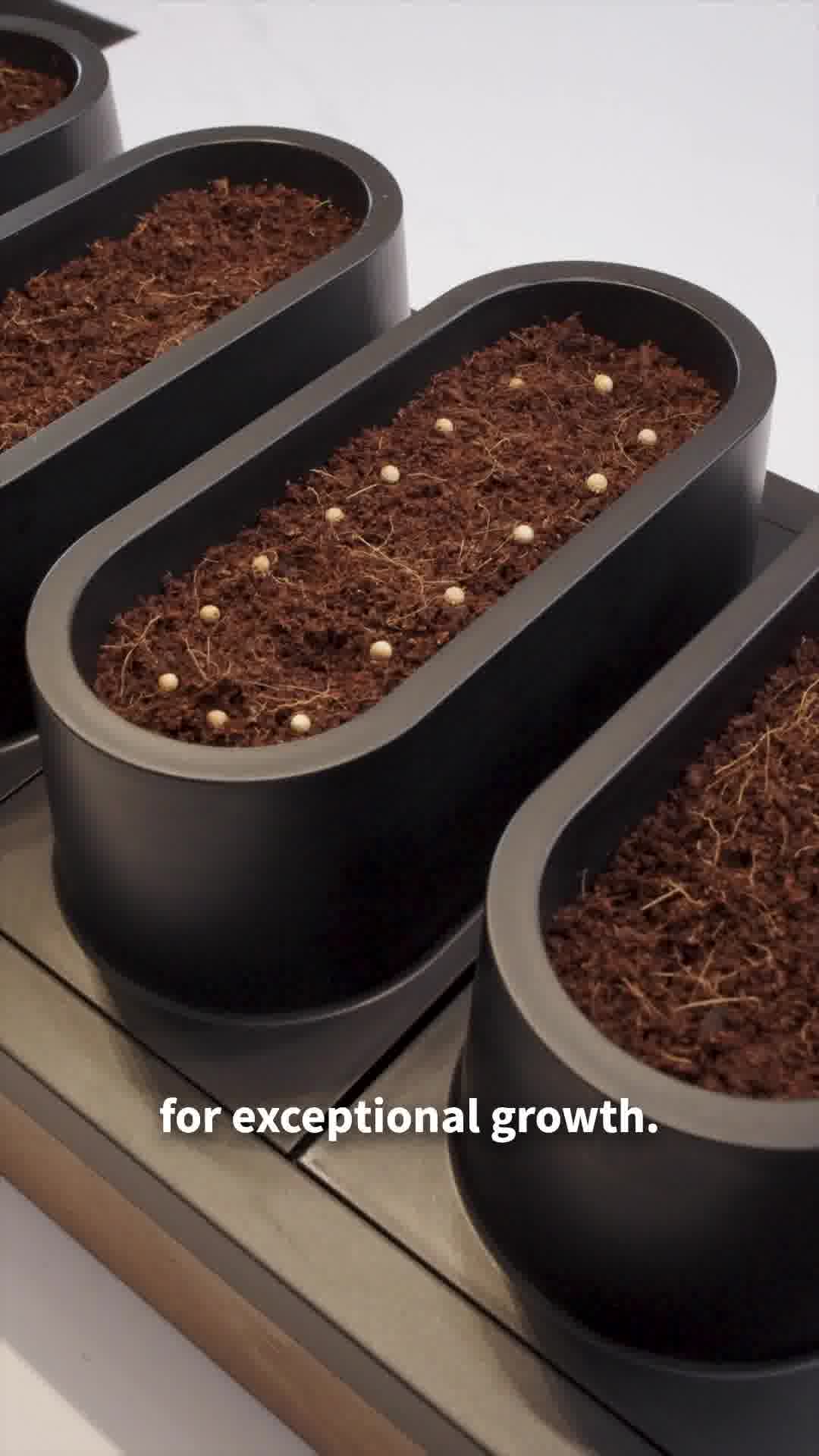
- Show the promise, do not just state it. The strongest creatives demonstrate the benefit on screen, like picking fresh basil straight off an indoor smart garden. Seeing the payoff makes it tangible in a way a claim never does.
- Lead with a proof number or a price. Winners front-load a concrete trust figure such as millions of customers, or a struck-through was-now price on a styled room. Both give a fast, believable reason to keep watching or to act.
What makes a winning Home & Living ad
It opens on a hook the eye can read before any copy: a size comparison shot from one angle, a satisfying door or lid opening, or a lush plant mid-harvest. The middle earns belief through demonstration or proof, whether that is a product delivering its promise on camera, a big trust number, or a styled room that lets the shopper picture the piece at home. An offer or a clear benefit sits front and centre, from a was-now discount to a no green thumb needed reassurance. The call to action then points to the obvious next step, like configuring or exploring the piece.
What the top Home & Living ads look like
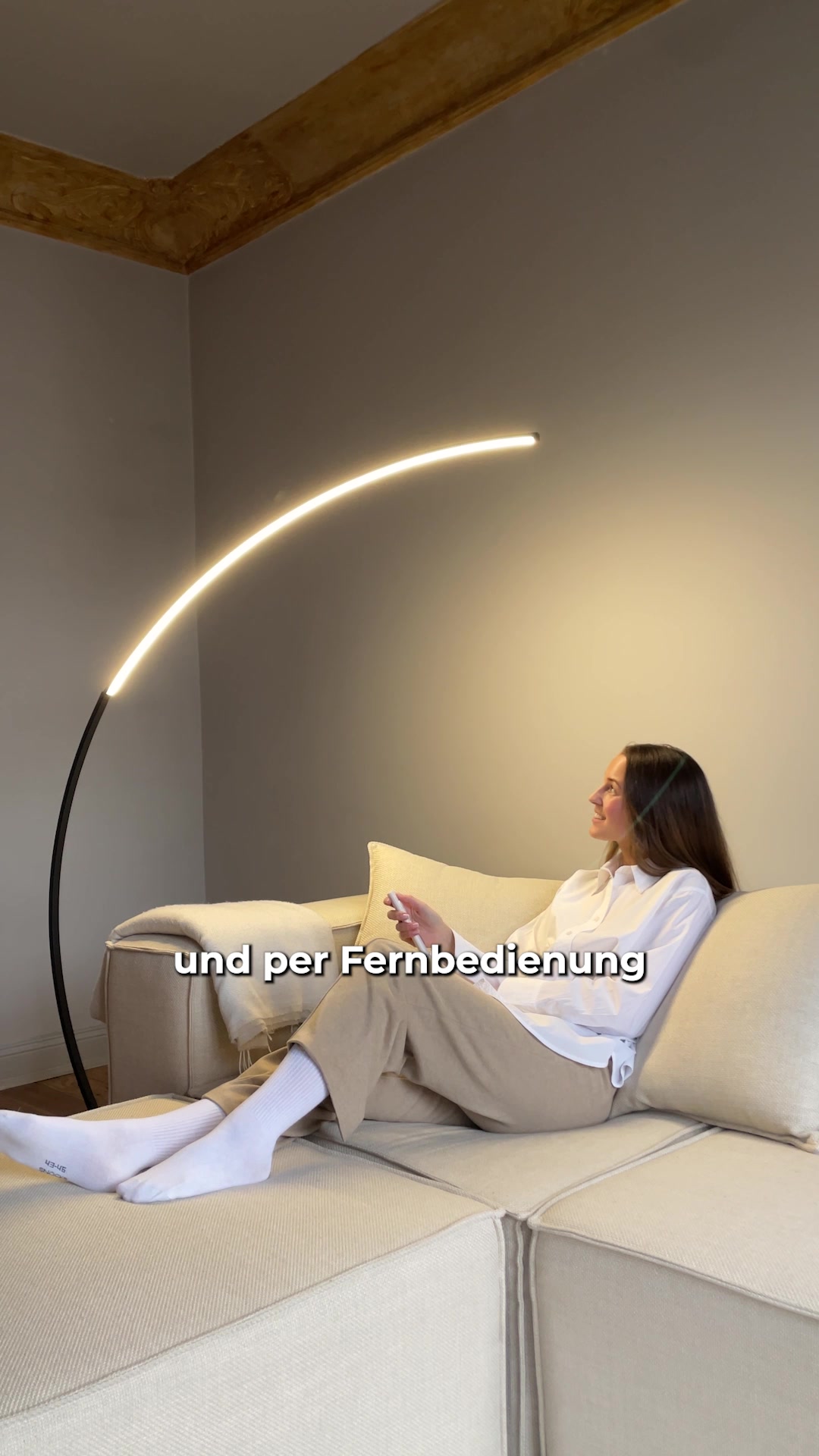
Most high-reach ads here place the product inside a finished, lived-in room: a linen sofa in a period space, a blanket styled on a made bed with a breakfast tray, a rug under a leather lounger. On-screen text does a lot of the work, from struck-through price badges and stretched playful headlines to editorial cards like HOW TO STYLE. You will see plenty of first-person, phone-shot framing that reads like an organic creator post, alongside moody, film-grade shots for premium furniture. Video leads the mix at 66% against 34% image.
Prefer one format? Filter this page to Home & Decor video ads or Home & Decor image ads only.
Winning ad frameworks in Home & Decor
The highest-reach Home & Decor ads reuse a handful of proven creative frameworks. Here are the ones that stand out here, each with a real example you can play or open in full.
1. Harvest-the-promise demo
What it does. A creator leans into a lush indoor herb plant and picks a handful of fresh basil straight off the Scandinavian smart garden, with the caption 'and get yourself a steady supply of fresh'. The ad shows the product actually delivering its promise of fresh herbs at your fingertips rather than just describing it.
Why it works. Seeing thriving, pickable basil proves the appliance works and makes the payoff tangible, and the no green thumb needed angle removes the fear of killing plants.
Ad data. This video reached 16M and ran for 336 days, one of the longest and highest-reach creatives in the set. Gender split: 33% women / 67% men.
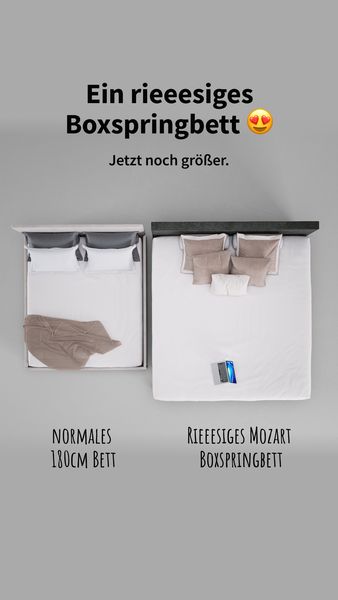
2. Bed size split-screen
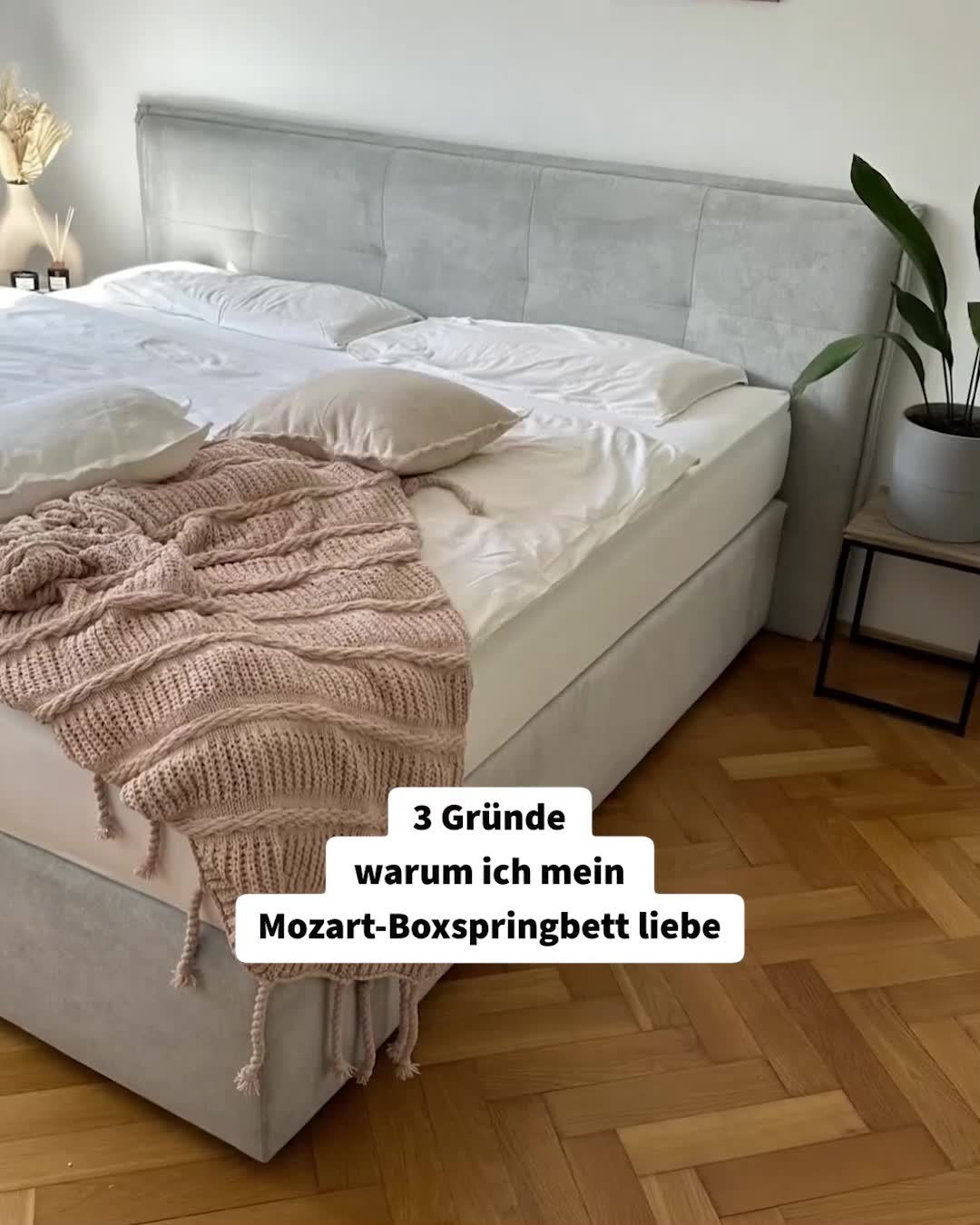
What it does. A single static frame puts a small 'normales 180cm Bett' next to the visibly larger 'Rieeesiges Mozart Boxspringbett', both shot from the same angle so the size gap is obvious, under the headline 'Ein rieeesiges Boxspringbett'. The whole ad is one direct size comparison.
Why it works. Placing the two beds side by side lets the eye measure the difference instantly, and the stretched 'rieeesiges' spelling sells the scale before any copy is read.
Ad data. This image reached 11M over 160 days, the top-reaching still in the category. Gender split: 48% women / 52% men.
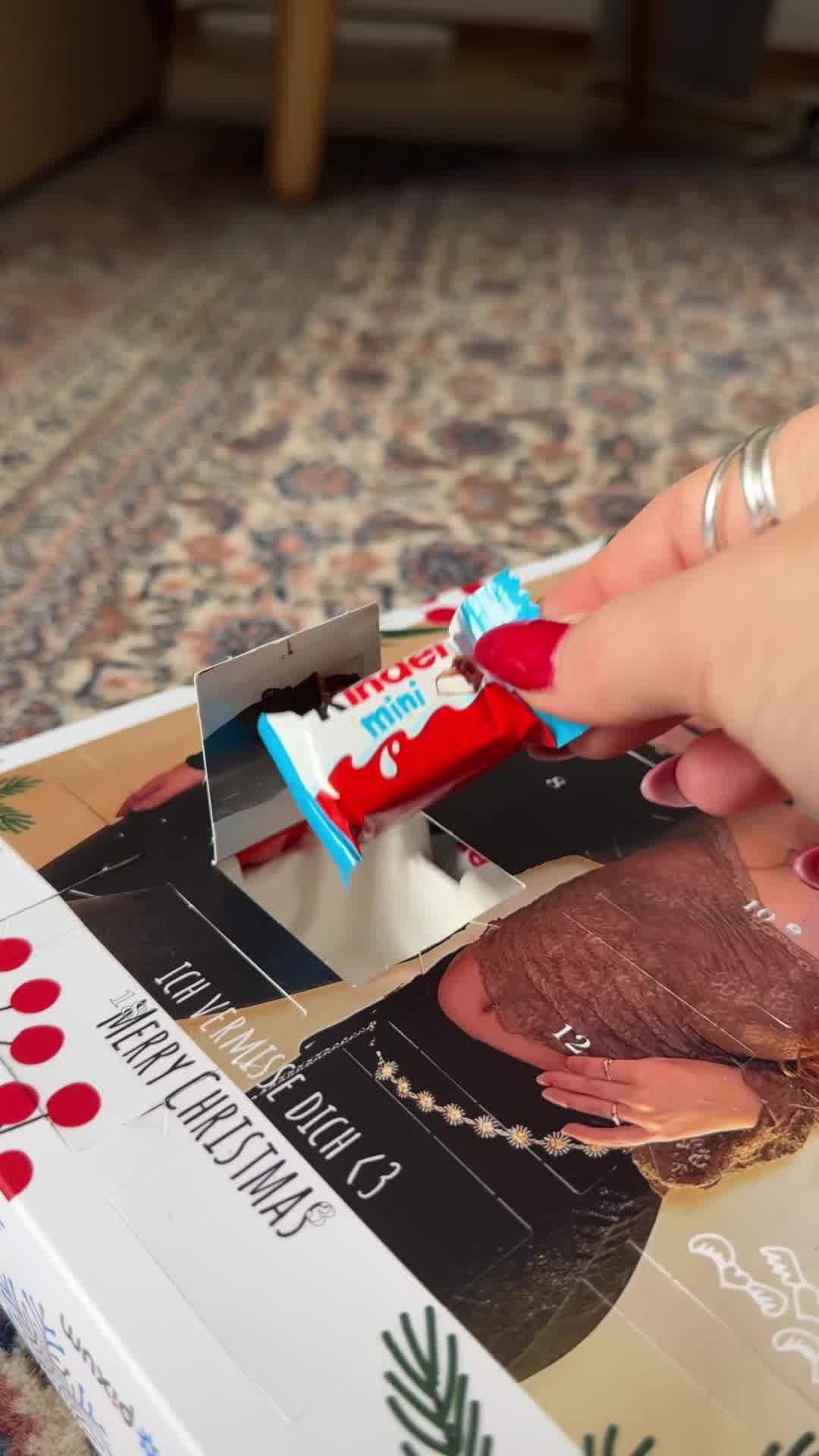
3. Satisfying advent-door reveal
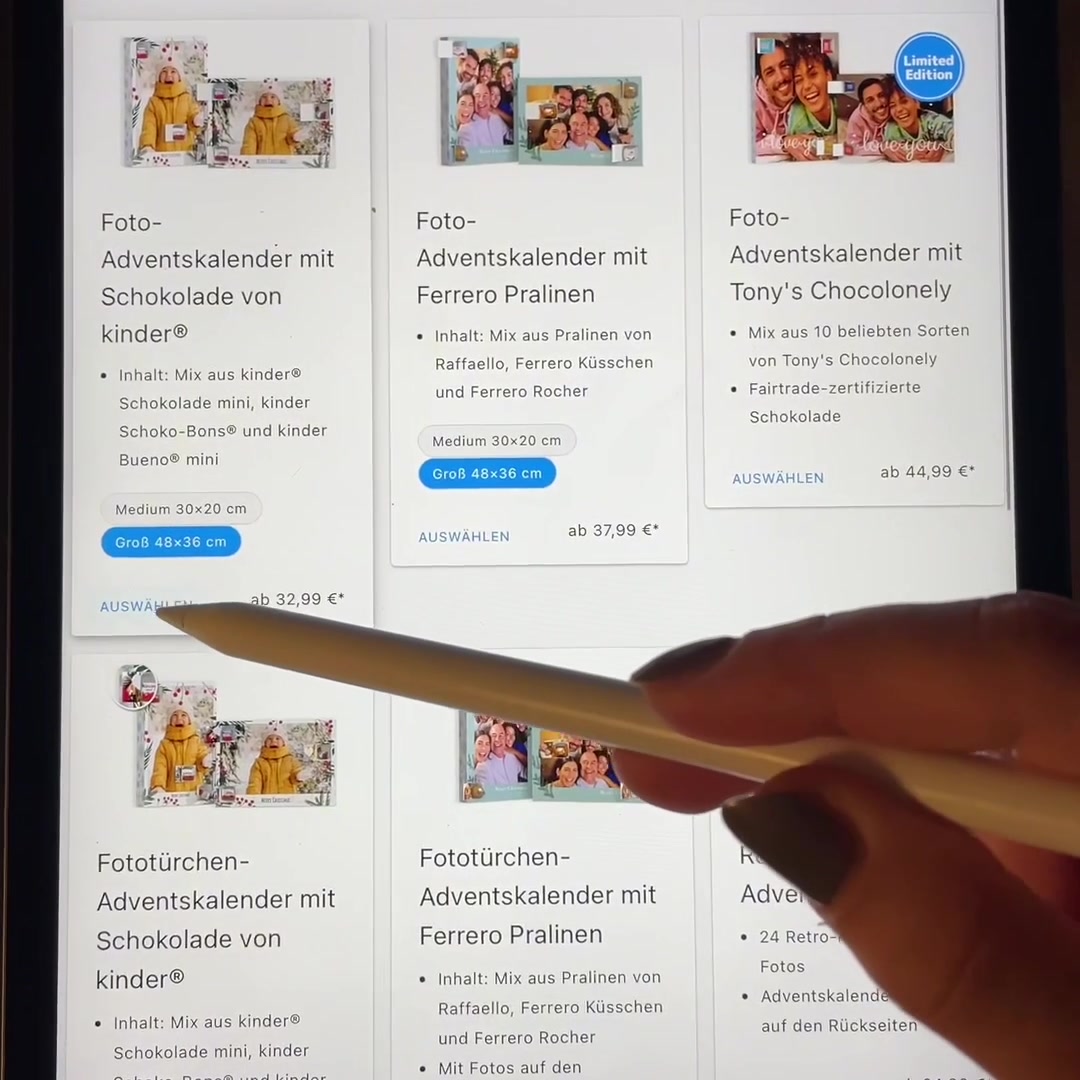
What it does. A close first-person shot shows a hand with red nails popping open a photo advent calendar door on a living-room floor, revealing a kinder mini chocolate inside a printed photo calendar. The tactile door-opening moment is the whole hook.
Why it works. The satisfying open-and-reveal action stops the scroll and links the personalised photo product to a warm, gift-giving Christmas ritual.
Ad data. This video reached 10M in just 28 days, a fast climb for such a short run. Gender split: 57% women / 43% men.
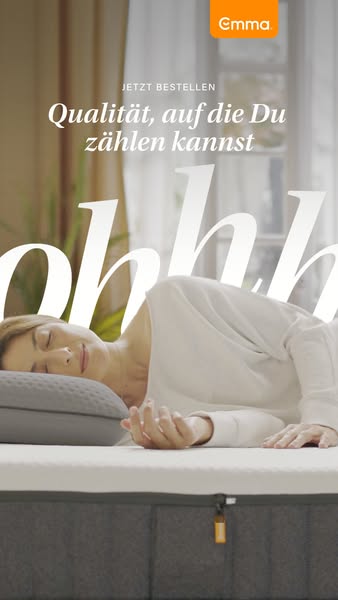
4. Millions-trusted proof headline
What it does. A woman sleeps peacefully on an Emma mattress behind a giant 'ohhh' and the headline 'Qualität, auf die Du zählen kannst', with the body stating 5 million people already trust Emma products. The ad leads on a big trust number as its proof point.
Why it works. A concrete 5 million figure borrows the credibility of the crowd, and the serene sleeping shot makes the promised quality feel real for a considered mattress purchase.
Ad data. This image reached 9.3M over 194 days, one of the longest-running stills here. Gender split: 37% women / 63% men.
5. Creator bedroom flatlay
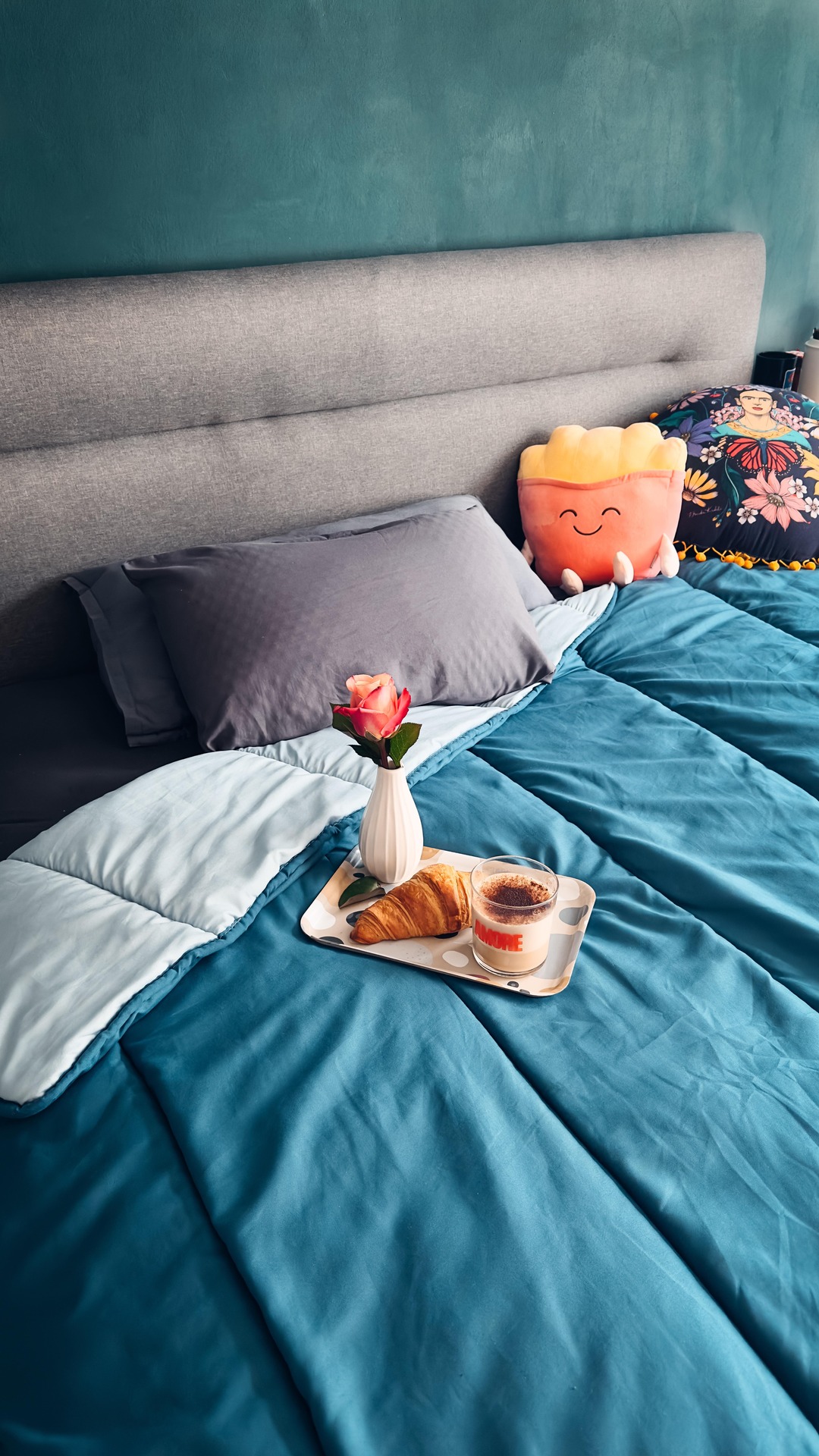
What it does. A phone-shot styled bedroom shows the Zelesta blanket on a teal bed with a breakfast tray, croissant and rose, paired with a first-person caption calling it 'mein persönliches Highlight' that was 'Entdeckt, gekauft, geliebt'. It reads as an organic creator post rather than a brand ad.
Why it works. The lived-in home styling and personal, machine-washable-blanket story feel like a friend's recommendation, which lowers ad resistance.
Ad data. This video reached 8.3M over 109 days. Gender split: 38% women / 62% men.
6. Price-badge panel deal
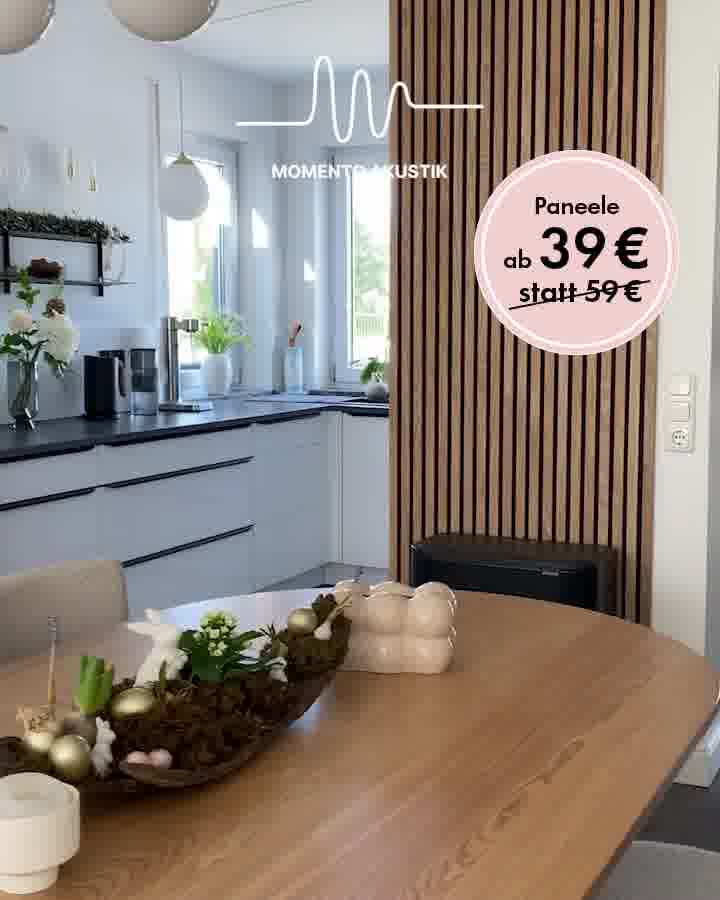
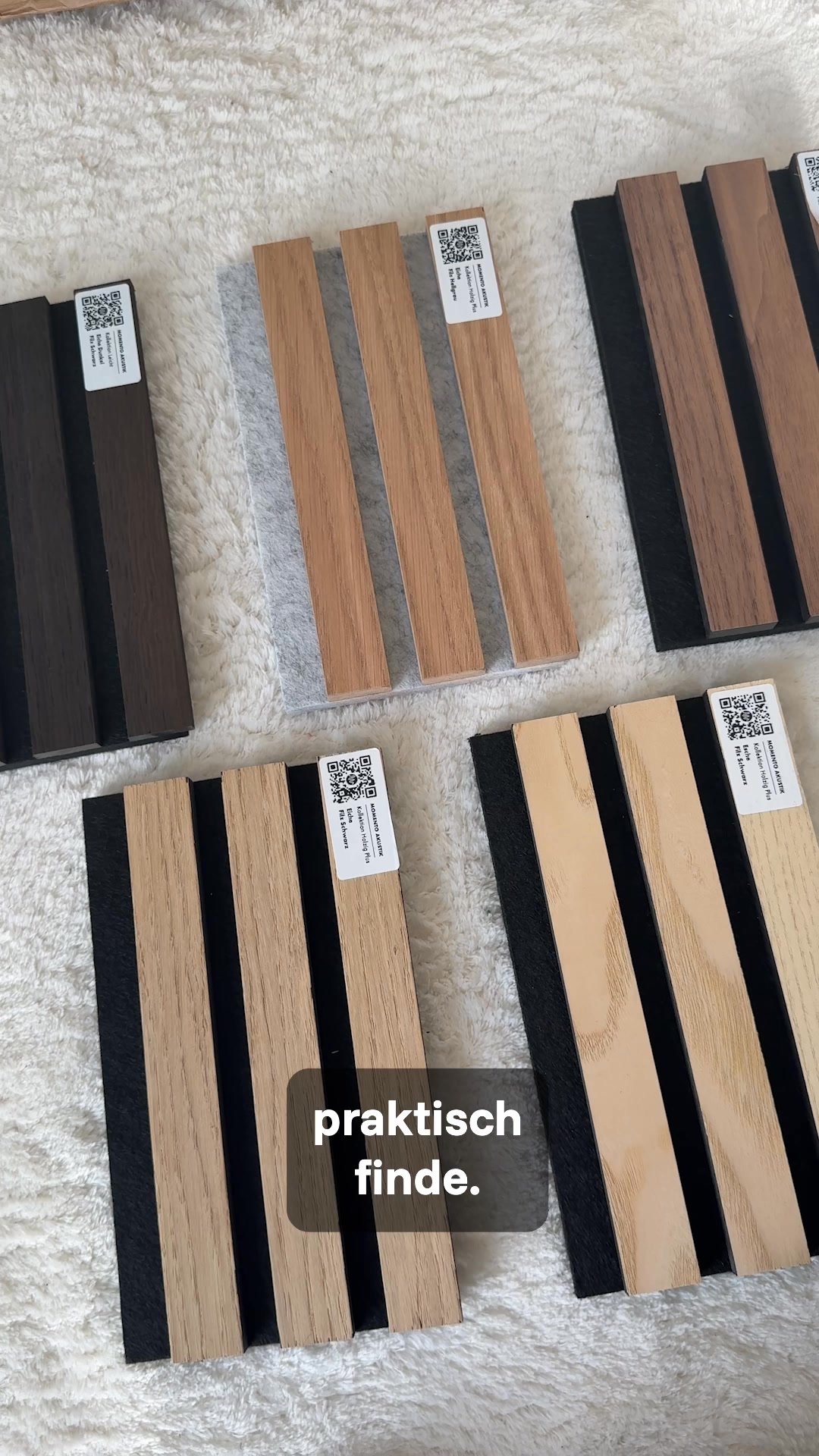
What it does. A bright kitchen scene featuring the wood acoustic wall panels carries a pink price badge reading 'Paneele ab 39 EUR statt 59 EUR', crossing out the higher price. The discount is the front-and-centre hook over the styled room.
Why it works. The struck-through was-now price frames the panels as an easy upgrade and gives a clear reason to act now on an otherwise premium-looking wall treatment.
Ad data. This video reached 8.2M and ran 504 days, by far the longest run in the category. Gender split: 55% women / 45% men.
7. How-to-style decor guide
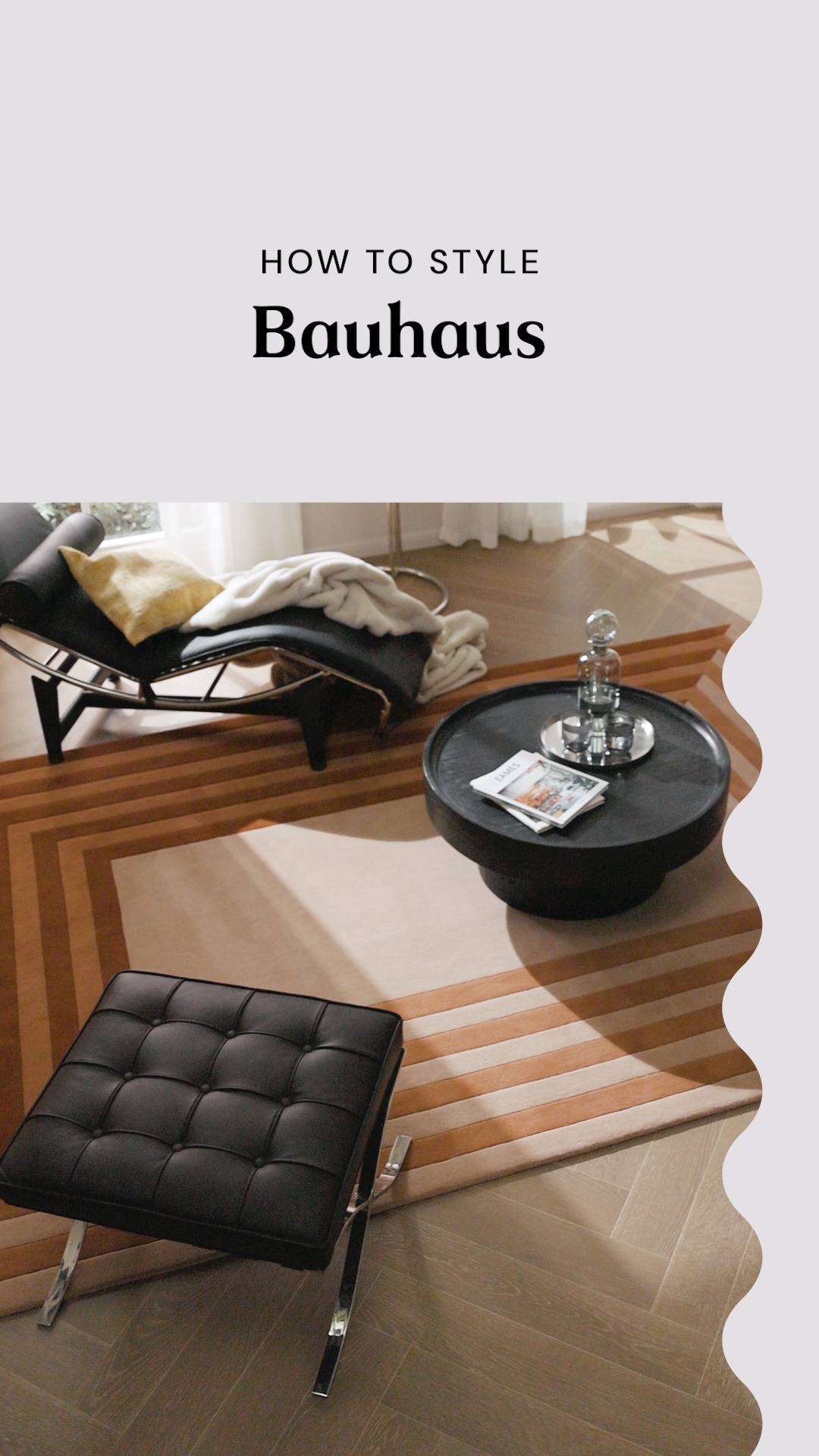
What it does. A clean editorial card headed 'HOW TO STYLE Bauhaus' shows a styled living room with a rug, black leather lounger and ottoman, teaching the look while placing the benuta rug in context. It is framed as a design lesson rather than a product pitch.
Why it works. Positioning the rug inside an aspirational styling tutorial adds taste-maker authority and helps shoppers picture the piece in a finished room.
Ad data. This video reached 7.2M over 119 days. Gender split: 39% women / 61% men.
8. Cinematic sofa film
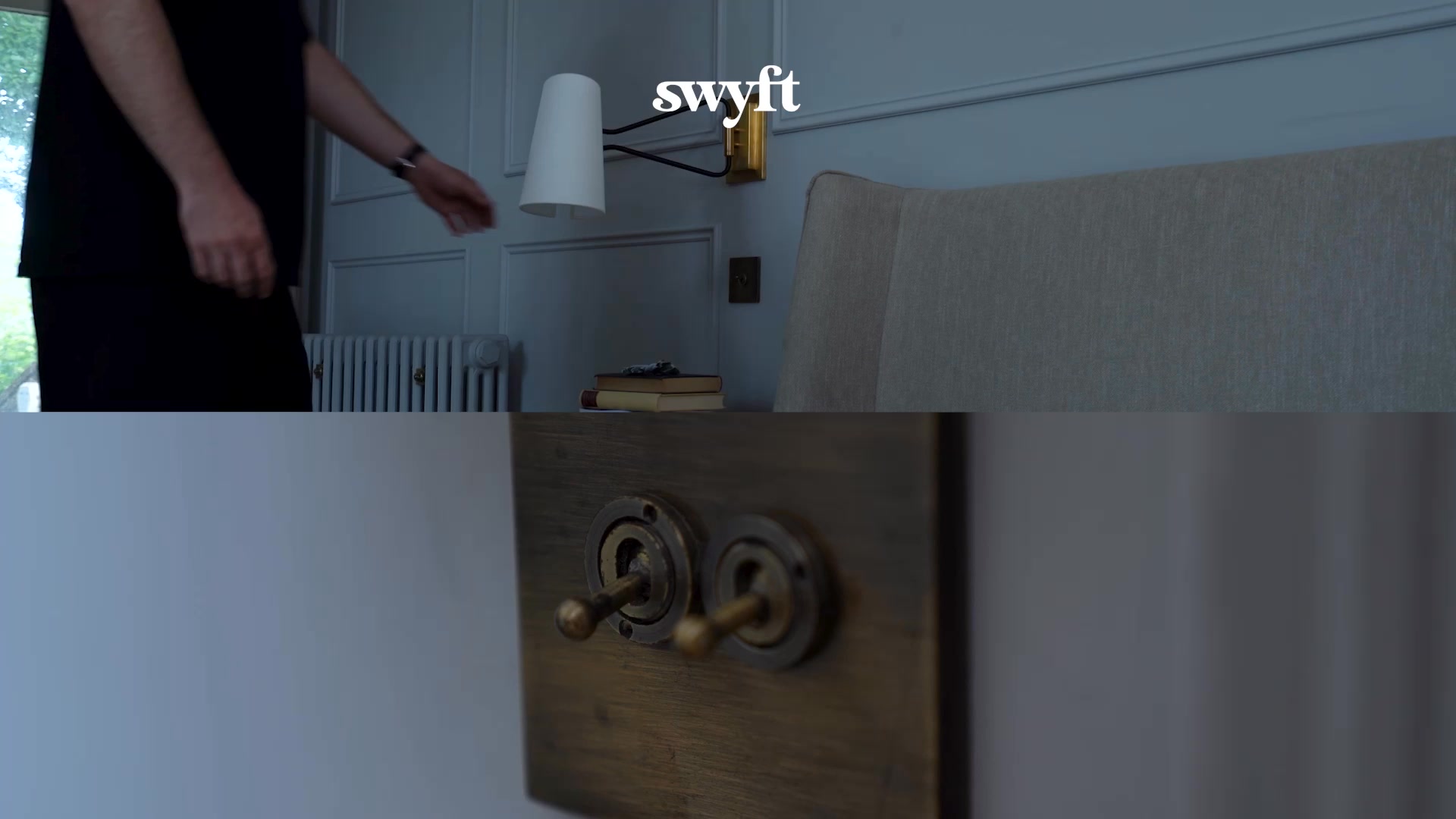
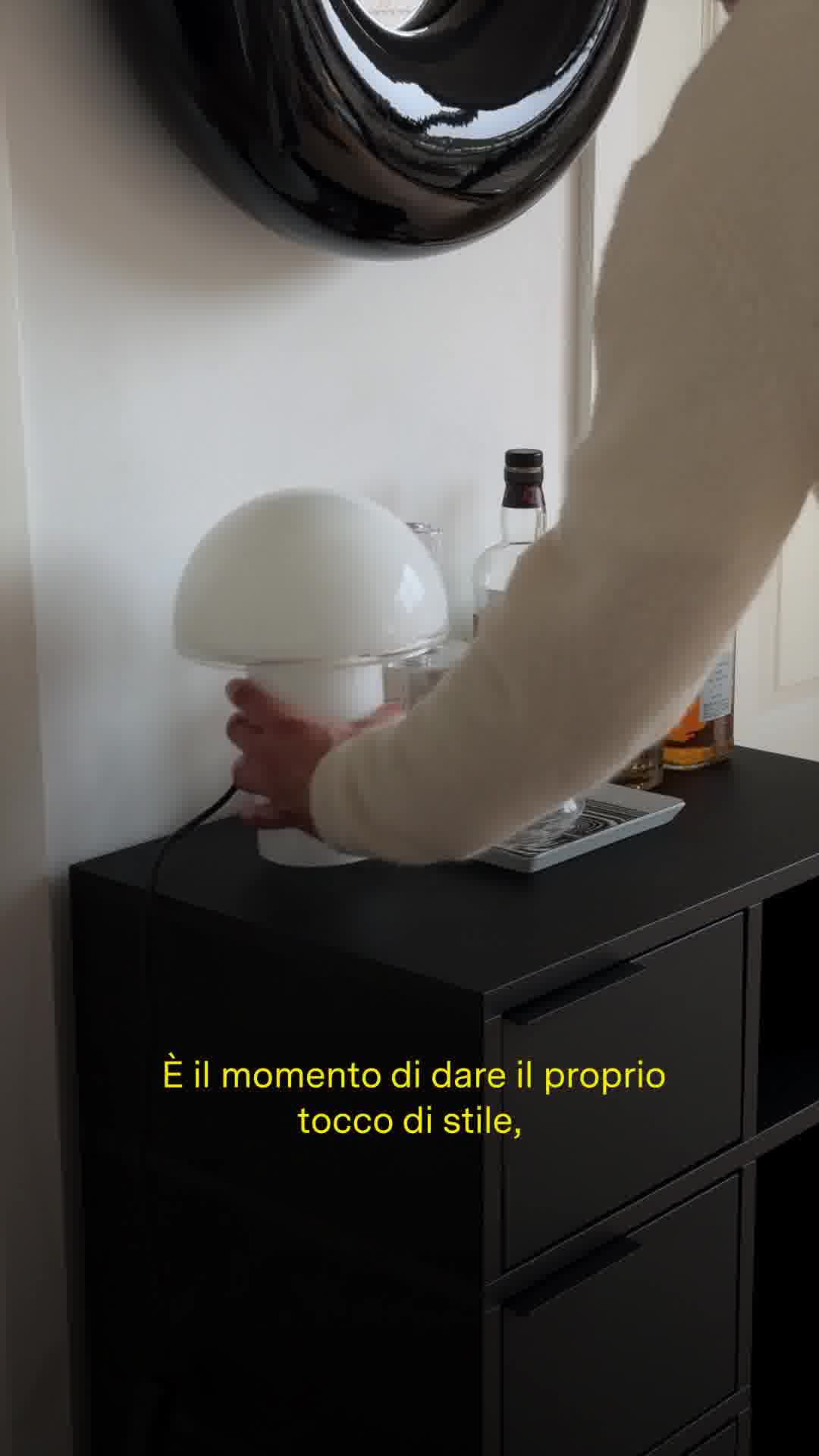
What it does. A moody, film-grade split-screen shows a person reaching for a wall lamp beside a linen Swyft sofa in a period room, over the tagline 'Starte in den Tag mit Swyft'. It sells the sofa through cinematic atmosphere rather than specs or offers.
Why it works. The premium, editorial mood elevates the brand and makes the sofa feel like part of a beautifully lived-in home, which suits a high-consideration furniture buy.
Ad data. This video reached 7.0M over 122 days. Gender split: 35% women / 65% men.
Home & Living ad best practices
- Demonstrate the benefit on camera. Show the product actually delivering, like herbs being picked or a blanket going into the wash, instead of describing it. A visible payoff proves the claim and makes it feel real.
- Build the hook into the first frame. Use a side-by-side size comparison, a satisfying open-and-reveal, or a price badge so the message lands before a word is read. The opening frame should stop the scroll on its own.
- Stage the piece in a finished room. Style the furniture or decor in a real interior with props and warm light so shoppers can picture it at home. Aspirational context adds taste-maker authority to the product.
- Let creator-style framing lower resistance. Shoot some cuts phone-first and first-person so the ad reads like a friend's recommendation rather than a brand pitch. Pair it with a personal, lived-in caption to keep it authentic.
About this dataset
This Ad Library is a curated snapshot, not a complete record of Meta advertising. Each industry contributes its highest-reach Facebook and Instagram ads and nothing else, so the numbers reflect that top slice, not all of Meta. Reach comes straight from Meta: it is the figure the Meta Ad Library reports under EU transparency rules, with its gender, age and country breakdown, and we do not model or adjust it. Only the estimated spend is our own calculation, derived from that reported reach at an assumed 5 to 30 EUR CPM.
The raw ad data is collected via top-ads.io. The Ad Library itself is a free resource from adtribute, the marketing attribution and analytics platform that shows which of your own ads actually convert.