
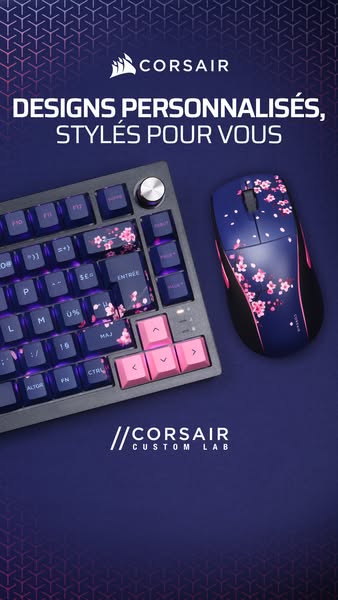
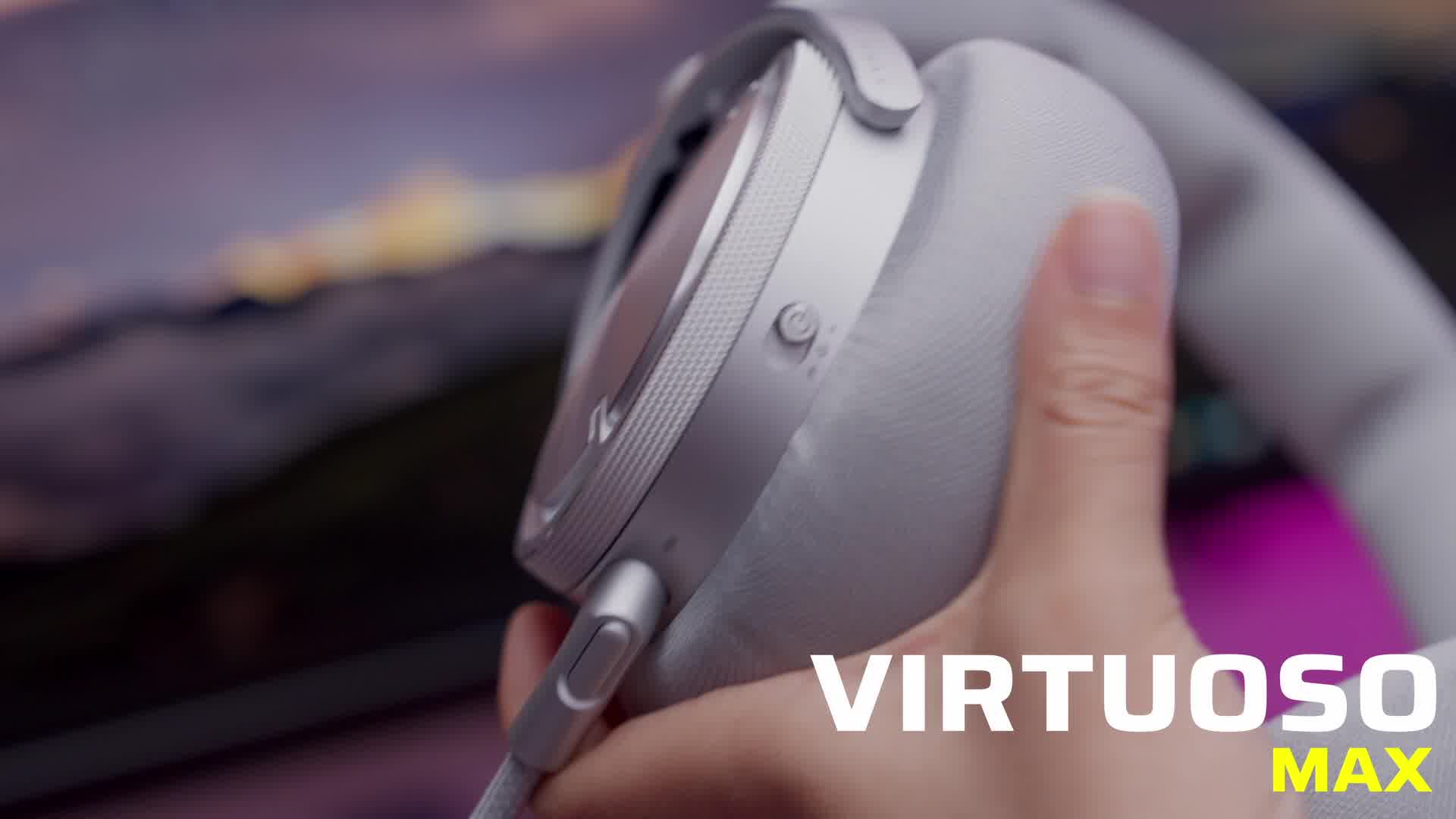





The Gaming hub gathers the highest-reach Meta ads from advertisers selling to players and PC builders, spanning gaming chairs, mice, keyboards, RGB components, and party games. Video and image creatives split almost evenly here, and the winning ads lean hard on proof: real setups, hard specs, award badges, and esports credibility. Use this snapshot to see exactly what a scroll-stopping video games ad looks like before you brief your own.
Key takeaways
- 59% video, 41% image. The format mix in this Gaming snapshot is nearly balanced, with video edging out static images. Both formats are winning here, so the creative concept matters more than the container.
- 80 ads, 7 advertisers, 583K median reach. This is a tightly curated set: 80 top-performing ads from just seven advertisers, with a median reach of 583K and a top ad hitting 2.0M. The average creative in the hub has run for roughly 98 days.
- Specs and awards do the selling. The strongest gaming-gear ads front-load measurable proof: exact weights and dimensions, sensor and polling numbers, and design award badges like iF Design and Red Dot. Enthusiasts shop on numbers, so the creatives give them numbers.
- Borrowed credibility as the hook. Winning creatives transfer trust onto the product, whether through an official esports tournament tie-in or a UGC-style unboxing that reads as an honest first look from a fellow gamer. The offer, often a discount code, then lands with less resistance.
What makes a winning Gaming ad
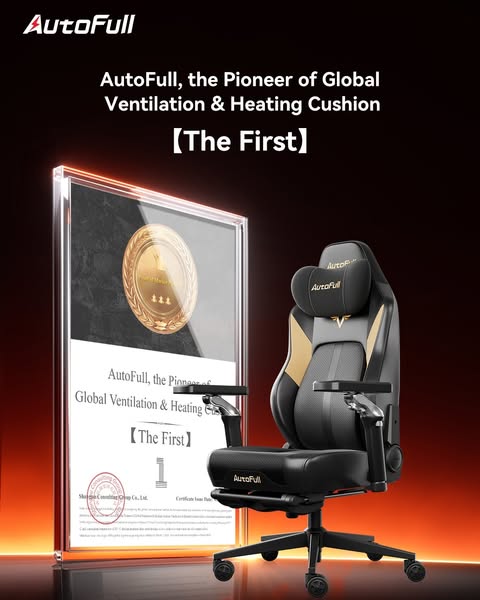
A high-performing gaming ad opens with a hook that either borrows authority or breaks the scroll: an official chair-of-the-tournament badge, a raw phone-shot unboxing with the shipping plastic still on the cushion, or a jarring extreme close-up that stops the thumb before any product appears. Proof carries the middle: award badges, hard specs like a 49g magnesium skeleton or 8000Hz polling, and overlaid dimension arrows that show a compactness claim instead of just stating it. The offer is concrete and low-friction, usually a plug-and-play upgrade promise or a sale with a discount code. The call to action nudges the player to shop the gear or grab the game right now while the momentum holds.
What the top Gaming ads look like
Scan the highest-reach video games ads and you see the product as the hero: a single gaming chair, mouse, keyboard, or glowing RGB stick isolated on a dark or clean backdrop under dramatic lighting. On-screen text stacks specs and badges directly over the product, with dimension arrows, DPI and polling numbers, and award seals like iF Design 2025 and Red Dot placed to be read at a glance. Video creatives skew UGC, shot vertically in real rooms with RGB wall lights and leftover packaging, while a few use an unexpected macro close-up as a curiosity hook before the pitch. Across the hub the split is close, with 59% video and 41% image.
Prefer one format? Filter this page to Gaming video ads or Gaming image ads only.
Winning ad frameworks in Gaming
The highest-reach Gaming ads reuse a handful of proven creative frameworks. Here are the ones that stand out here, each with a real example you can play or open in full.
1. Official esports tournament tie-in
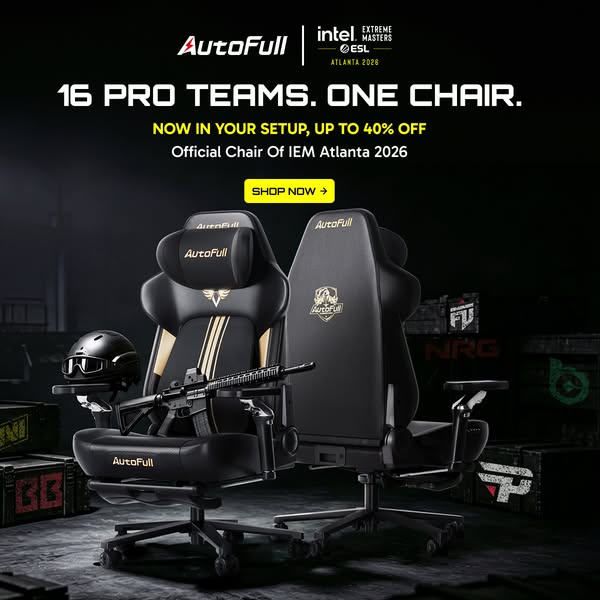
What it does. The image pairs the Intel Extreme Masters Rio 2026 logo with the headline Official Chair of IEM 2026 and two hero chairs, positioning the M6 Ultra+ 2.0 as pro-level gear straight from the tournament arena. It borrows the credibility of a marquee esports event to sell an ordinary gaming chair.
Why it works. Tying the product to a real pro competition transfers the prestige and trust of elite esports onto the chair, so a comfort feature reads as a competitive edge to fans who follow the circuit.
Ad data. This ad reached 2.0M. Run days are not reported in the data. Gender split: 36% women / 64% men.
2. UGC home-setup unboxing
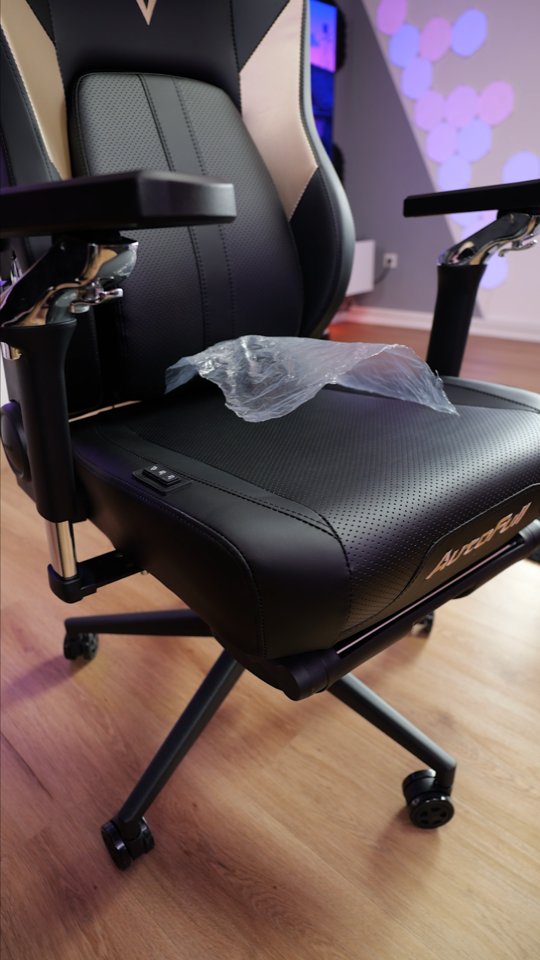
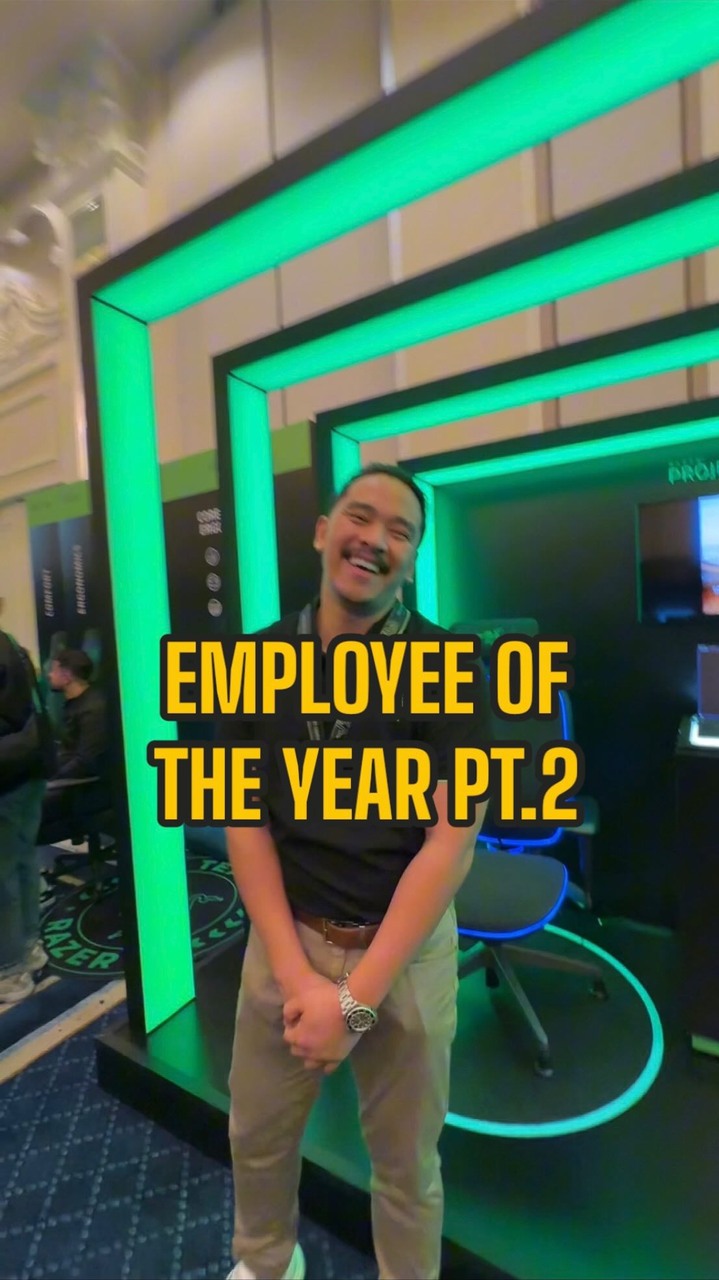
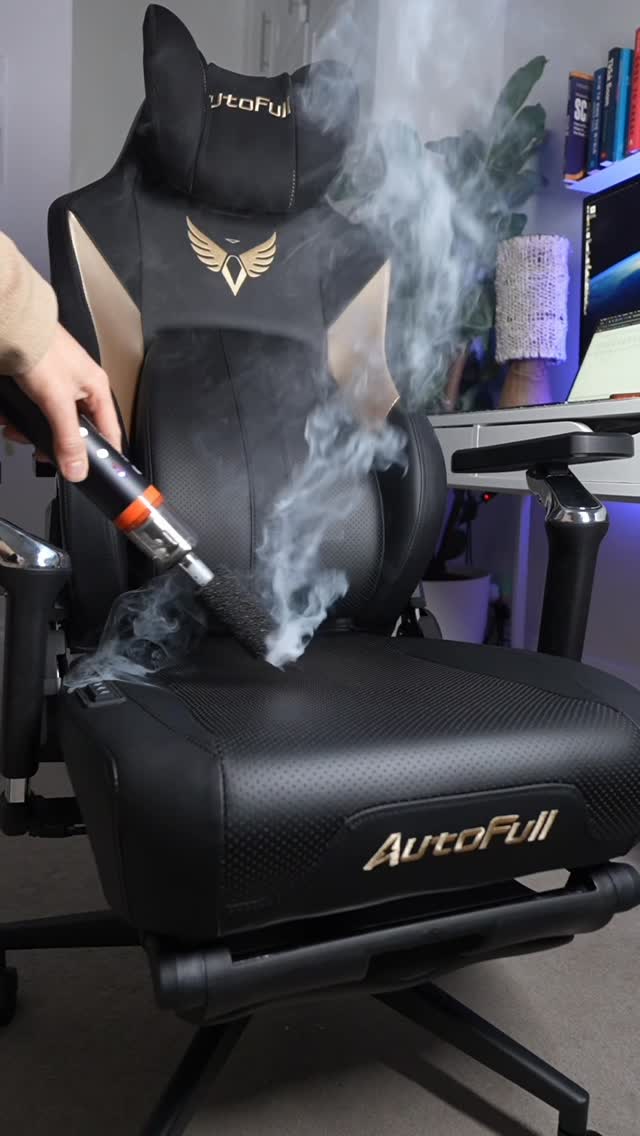
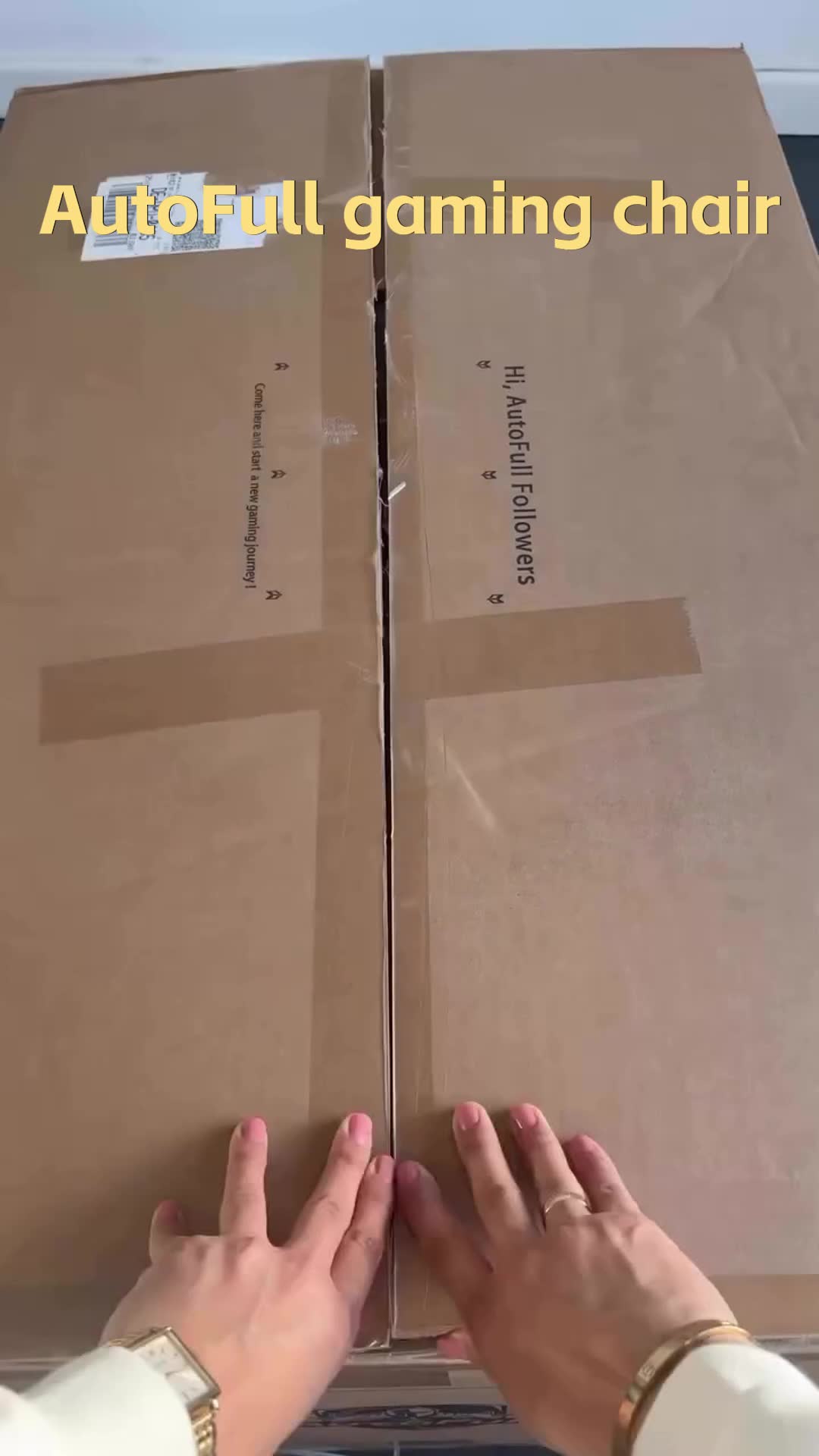
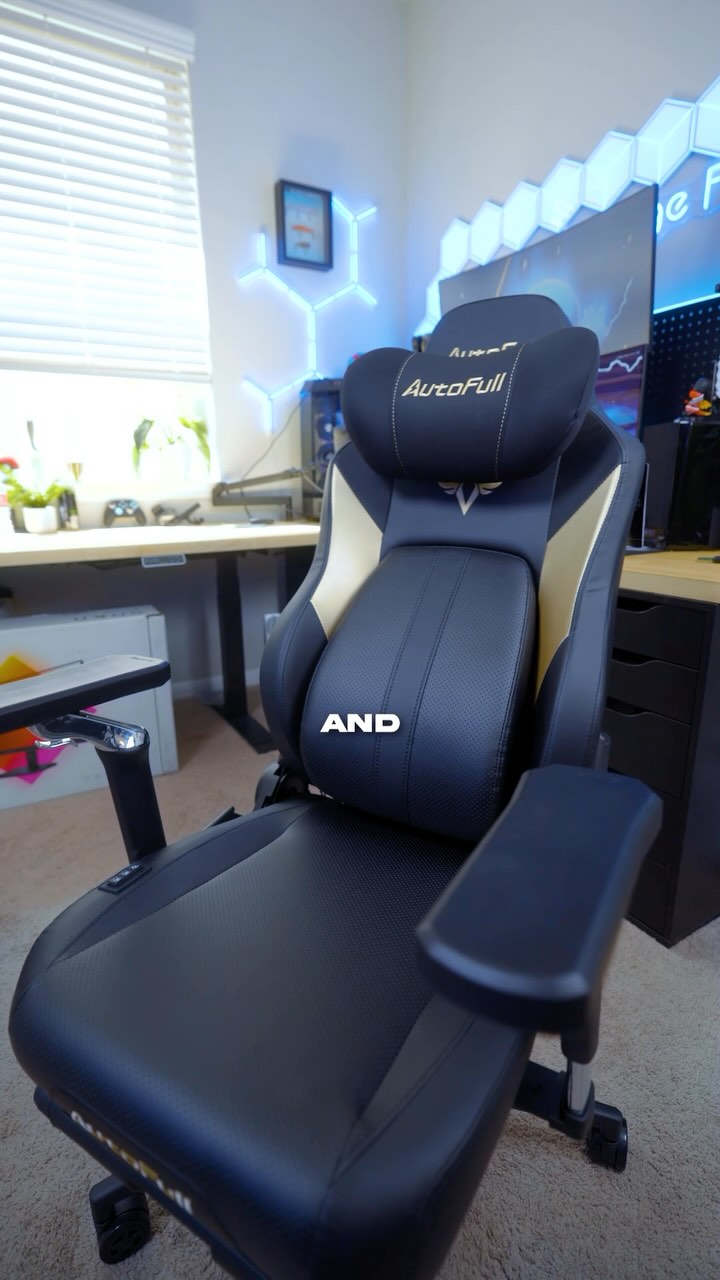
What it does. This vertical video is shot phone-style in a real room with RGB wall lights, showing the chair seat with the shipping plastic still lying on the cushion, so it looks like a genuine unboxing rather than a studio shot. The caption frames it as a discovery of a luxury-feature chair plus a discount code.
Why it works. The unpolished home framing and leftover packaging read as an honest first look from a fellow gamer, which lowers ad resistance and makes the product feel already owned and trusted.
Ad data. This video reached 1.8M and ran for 215 days, the longest run among the video candidates. Gender split: 12% women / 88% men.
3. Spec-and-award flex
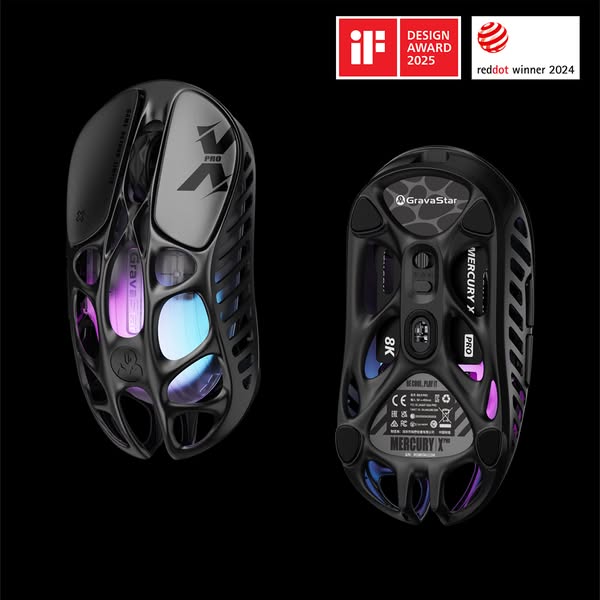
What it does. The clean black frame shows the Mercury X Pro mouse top and bottom with iF Design Award 2025 and Red Dot winner 2024 badges, while the copy stacks hard specs like a 49g magnesium skeleton, PAW 3950 32K DPI sensor, and 8000Hz polling. It sells on proof numbers and design credentials rather than lifestyle.
Why it works. Enthusiast gamers shop on measurable specs, so front-loading award badges and standout numbers signals objective superiority and gives buyers a rational reason to pick this mouse.
Ad data. This ad reached 956K and ran for 48 days. Gender split: 31% women / 69% men.
4. Measured compact demo
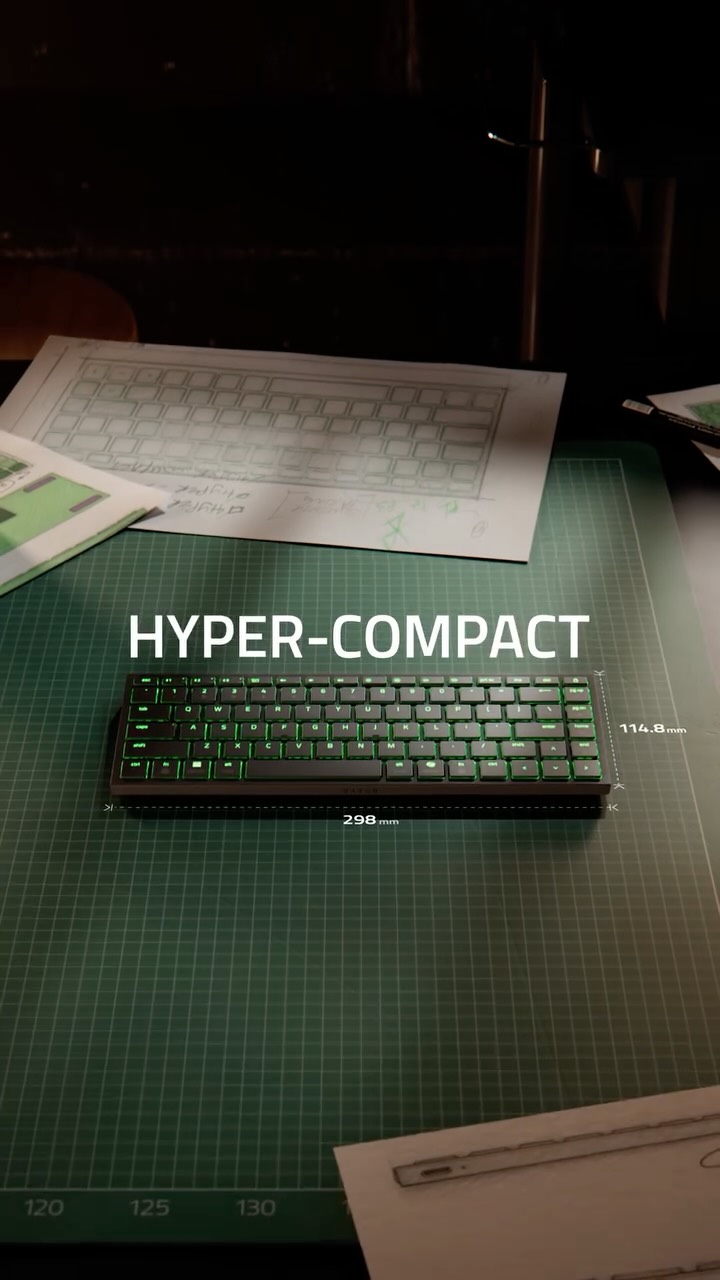
What it does. The Joro keyboard sits on a green cutting mat with the word HYPER-COMPACT and precise 298mm by 114.8mm dimension arrows overlaid, next to design sketches. The copy reinforces the 374g weight and slip-it-in-your-bag portability.
Why it works. Showing exact measurements and the engineering-desk context proves the compactness claim visually instead of just stating it, which is persuasive for buyers weighing a travel keyboard.
Ad data. This video reached 1.5M and ran for 25 days. Gender split: 21% women / 79% men.
5. Extreme close-up curiosity hook
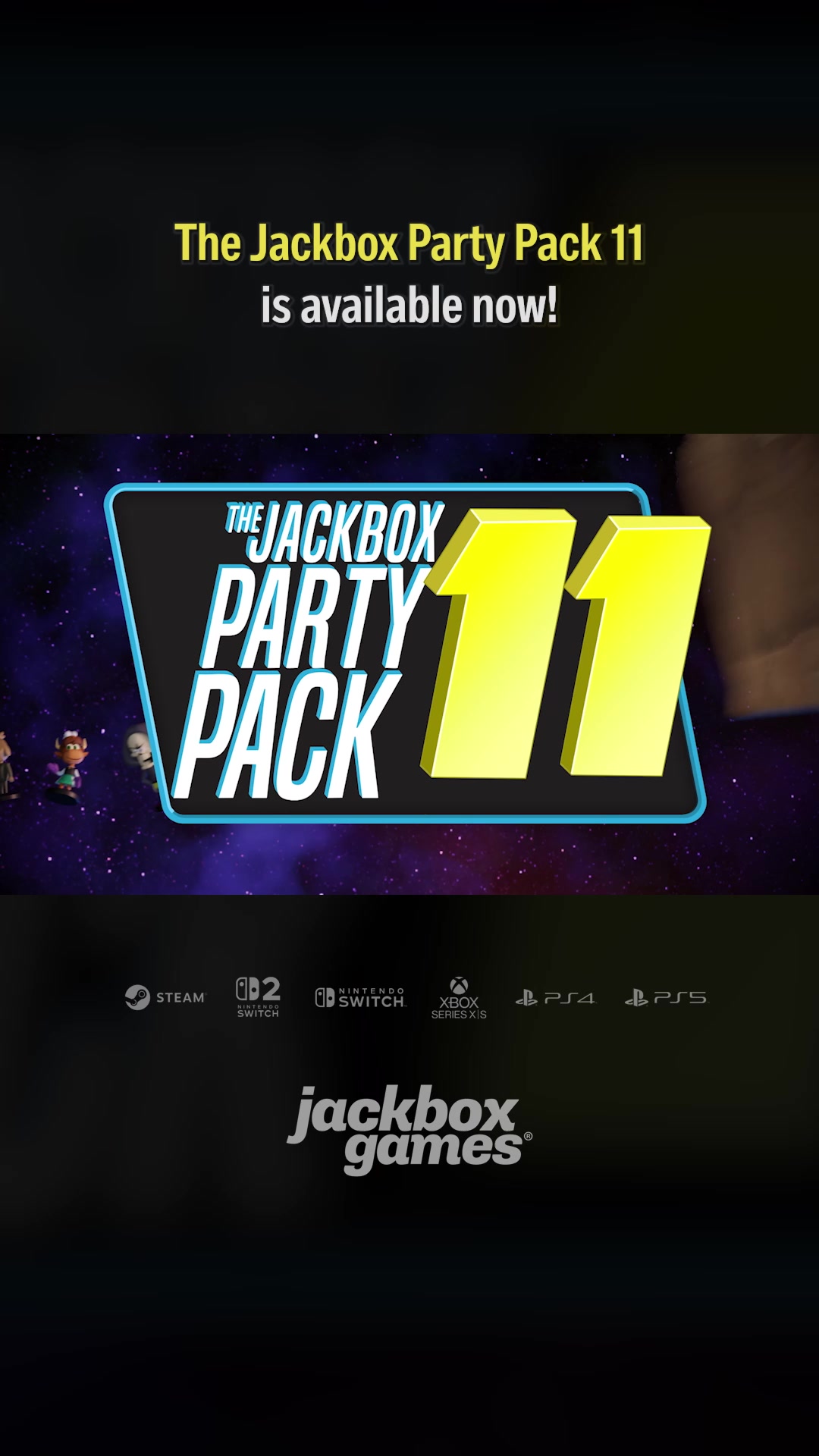
What it does. The video opens on an extreme macro of a man's lips and stubble filling the whole frame, an unexpected visual with no product in sight, before the copy pivots to grabbing your phone and calling friends for Party Pack 11. The jarring close-up is pure scroll-stopping bait.
Why it works. A confusing, tightly cropped human close-up stops the thumb and buys a second of attention that a game-logo card cannot, letting the party-game pitch land once viewers are hooked.
Ad data. This video reached 545K and ran for 34 days. Gender split: 43% women / 57% men.
6. Glowing RGB hero shot
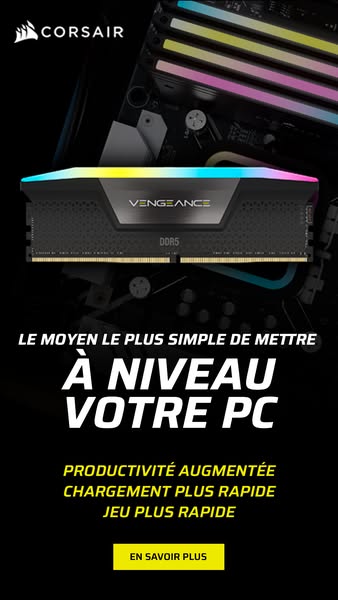
What it does. A single Vengeance DDR5 stick glows with its RGB bar centered on a dark motherboard backdrop, with the blunt promise that RAM is the simplest way to upgrade your PC and yields higher frame rates. One clean hero product carries the whole frame.
Why it works. The dramatic single-product lighting makes an unglamorous component look desirable, and pairing it with an easy plug-and-play upgrade promise removes friction for the buyer.
Ad data. This ad reached 970K and ran for 43 days. Gender split: 0% women / 100% men.
Gaming ad best practices
- Lead with a proof badge. Place an award seal or an official tournament logo in the opening frame so credibility registers before the price does. Badges like iF Design or a marquee esports tie-in make a comfort or component feature read as a competitive edge.
- Overlay the hard numbers. Stack the specs that enthusiasts actually compare directly on the product: weight in grams, sensor DPI, polling rate, and exact dimensions. Numbers and dimension arrows prove a claim visually and give buyers a rational reason to pick your gear.
- Shoot it like a real setup. Frame video vertically in a genuine room with RGB lighting and even the shipping plastic left in shot, so it reads as an honest unboxing rather than a studio render. This UGC feel lowers ad resistance and makes the product feel already owned.
- Open on a scroll-stopper. Buy the first second with an unexpected visual, such as an extreme macro close-up that hides the product, before pivoting to the pitch. A confusing tight crop stops the thumb where a plain game-logo card would be skipped.
How the ads here are selected
This Ad Library is a curated snapshot, not a complete record of Meta advertising. Each industry contributes its highest-reach Facebook and Instagram ads and nothing else, so the numbers reflect that top slice, not all of Meta. Reach here means the number Meta itself discloses under EU transparency rules, gender, age and country split included, taken as published. Estimated spend is the exception: we compute it from the reported reach using an assumed 5 to 30 EUR CPM.
The raw ad data is collected via top-ads.io. The Ad Library itself is a free resource from adtribute, the platform that ties every ad to revenue with marketing attribution and custom analytics.