




The Fashion & Apparel hub gathers 156 of the highest-reach Meta ads across clothing, footwear and accessories, drawn from 43 distinct advertisers. These are the clothes and apparel creatives that earned mass distribution on Facebook and Instagram, from founder-shot phone videos to polished studio lingerie shots. Study them to see the hooks, offers and visual structures that make a fashion ad scale.
Key takeaways
- Video edges out image. The format mix here runs 58% video to 42% image. Motion dominates the hook-driven creatives, while static frames carry the offer-led and hero-shot ads.
- Broad reach, long staying-power on the winners. Median reach across these 156 ads sits at 4.6M, with the top ad hitting 15M. The average run stretches to 111 days, and proven performers keep earning budget: the longest-running creative stayed live for 704 days.
- Native-feeling hooks win the scroll. The strongest video creatives open like organic content: a founder talking straight to a phone camera, or a handheld selfie walking a store aisle. Unpolished, first-person framing reads as a real story rather than a produced commercial.
- One benefit, stated plainly, closes the sale. Winning apparel ads resolve their hook with a single concrete payoff: three checkmark features, a clean product hero with one benefit line, or a copy-paste discount code. Clarity beats clutter.
What makes a winning Fashion & Apparel ad
The best clothing and apparel creatives lead with a hook that stops the scroll: a founder's origin question, a blunt problem-agitate line about why every competitor fails, a surprising character cameo, or a named celebrity face. From there they prove the claim by showing the product in use, whether that is a flat lay of everything a bag swallows or a shoe hero shot tied to an energy-return sole. The offer is made unmissable, often as three checkmark benefits or a plain discount code, and a direct call to action such as an order button turns interest into a click. The through-line is one clear promise, demonstrated, not a spec sheet.
What the top Fashion & Apparel ads look like
Scanning the highest-reach ads here, you see two recurring looks. The first is handheld, first-person video: a founder or customer talking to a phone camera in a selfie-style shot, walking a store aisle or holding the product up, with blunt on-screen captions that read as native posts. The second is the clean studio or graphic frame: a single hero product on a punchy background, a flat-lay of the item surrounded by everyday-carry gear, or a polished model shot with a short tagline, plus text-only offer cards that state a discount and a code with no product photo at all. Across these, the fashion, footwear or accessory item is nearly always shown in context, either worn, demonstrated, or laid out beside the things it replaces. The split is 58% video to 42% image.
Prefer one format? Filter this page to Fashion video ads or Fashion image ads only.
Winning ad frameworks in Fashion
The highest-reach Fashion ads reuse a handful of proven creative frameworks. Here are the ones that stand out here, each with a real example you can play or open in full.
1. Founder start-up origin story
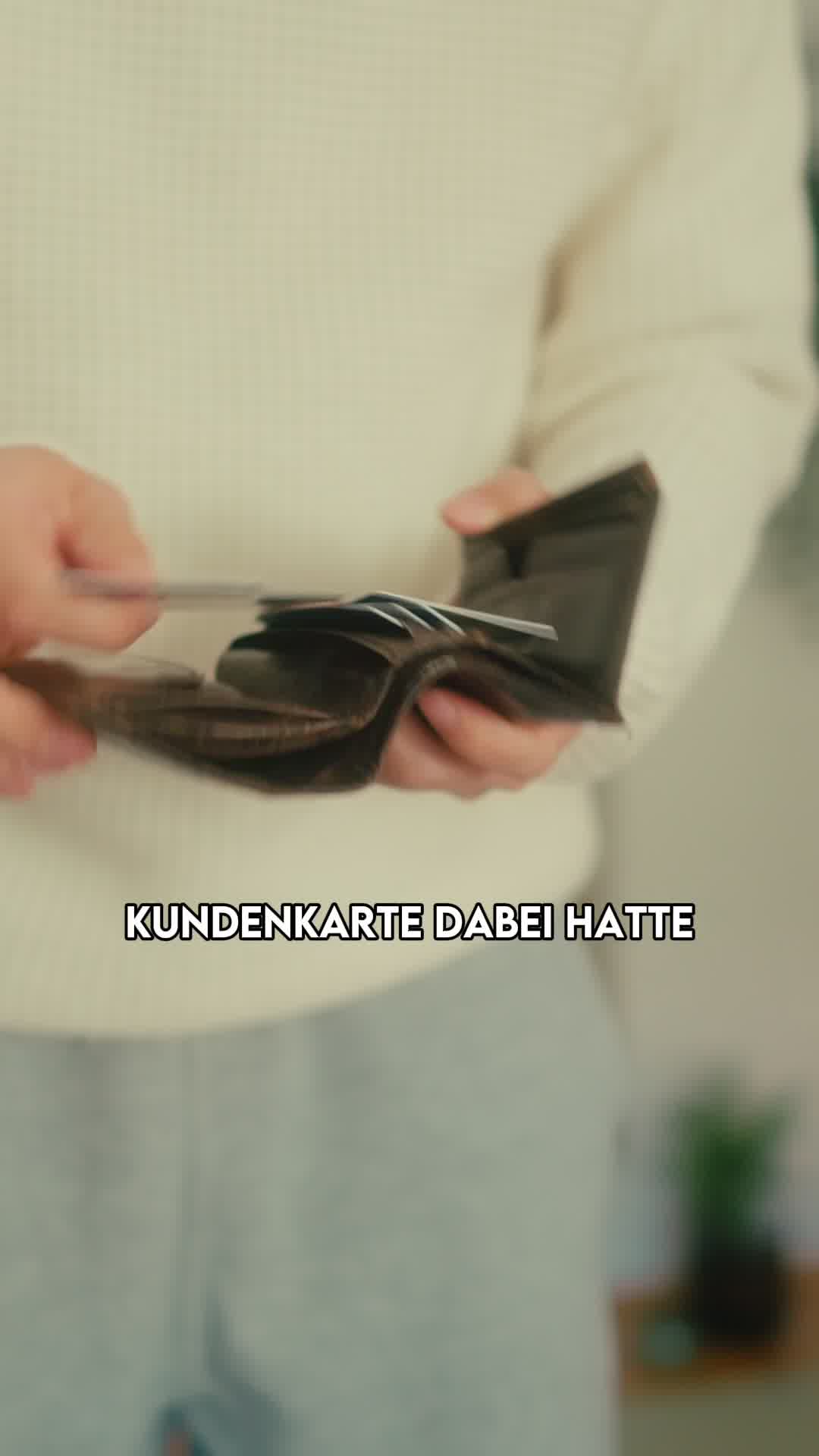
What it does. A young founder talks straight to a phone camera in an unpolished, handheld shot and the copy opens with his origin question, "Wieso habe ich ein Startup gegründet und was hat dieses Portemonnaie damit zu tun?", before landing the Smart Wallet 3.0 as the answer. The three checkmark benefits (slim design, one-button card access, RFID protection) close the pitch.
Why it works. Framing a mass-market wallet as one person's start-up mission makes it feel like a real story rather than an ad, so viewers stay for the payoff. The blurry, selfie-style motion reads as native organic content, not a produced commercial.
Ad data. This video reached 9.1M and ran for 194 days, the longest sustained run among the founder-led wallet creatives in the set. Gender split: 24% women / 76% men.
2. In-store competitor takedown selfie
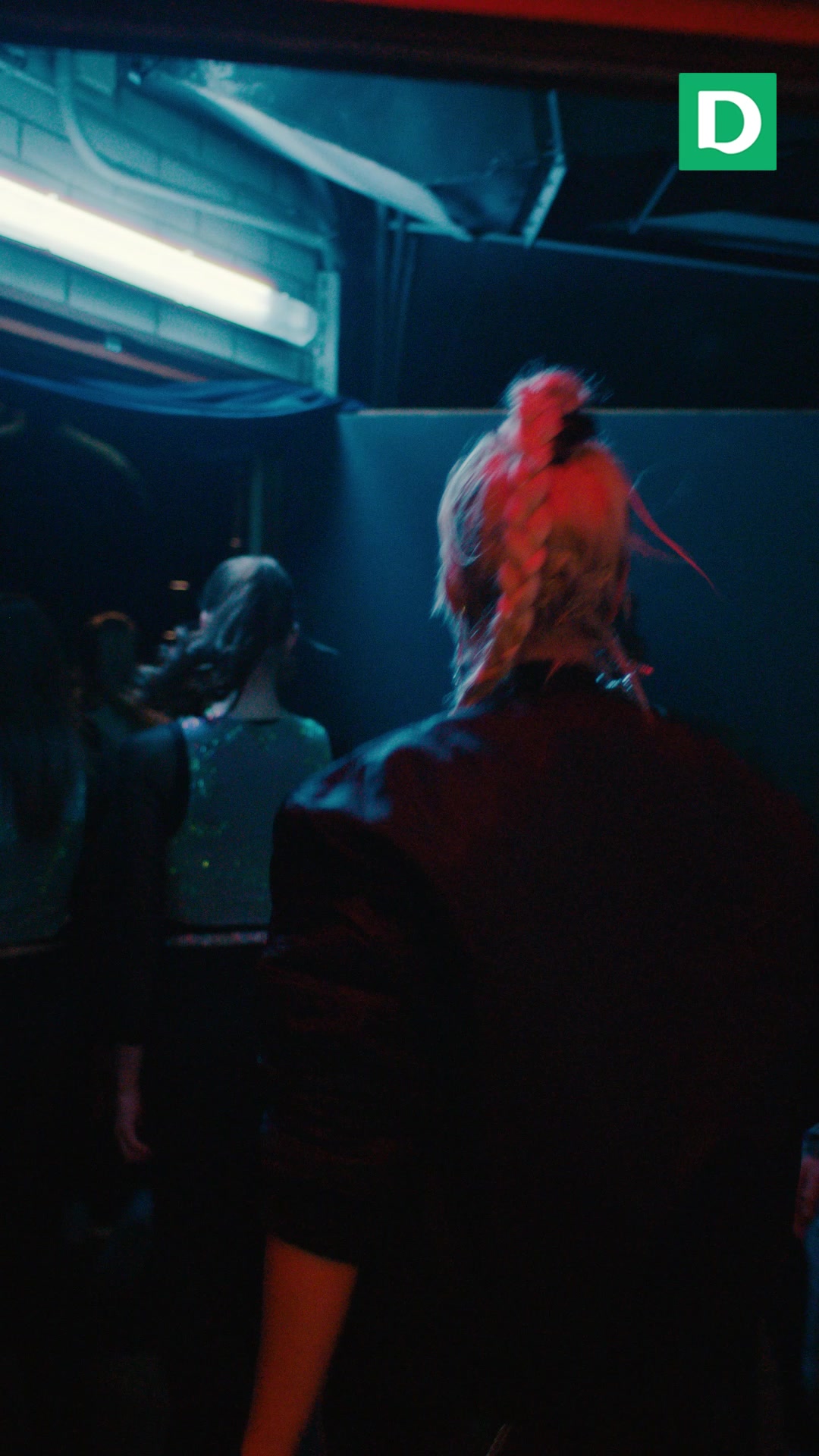
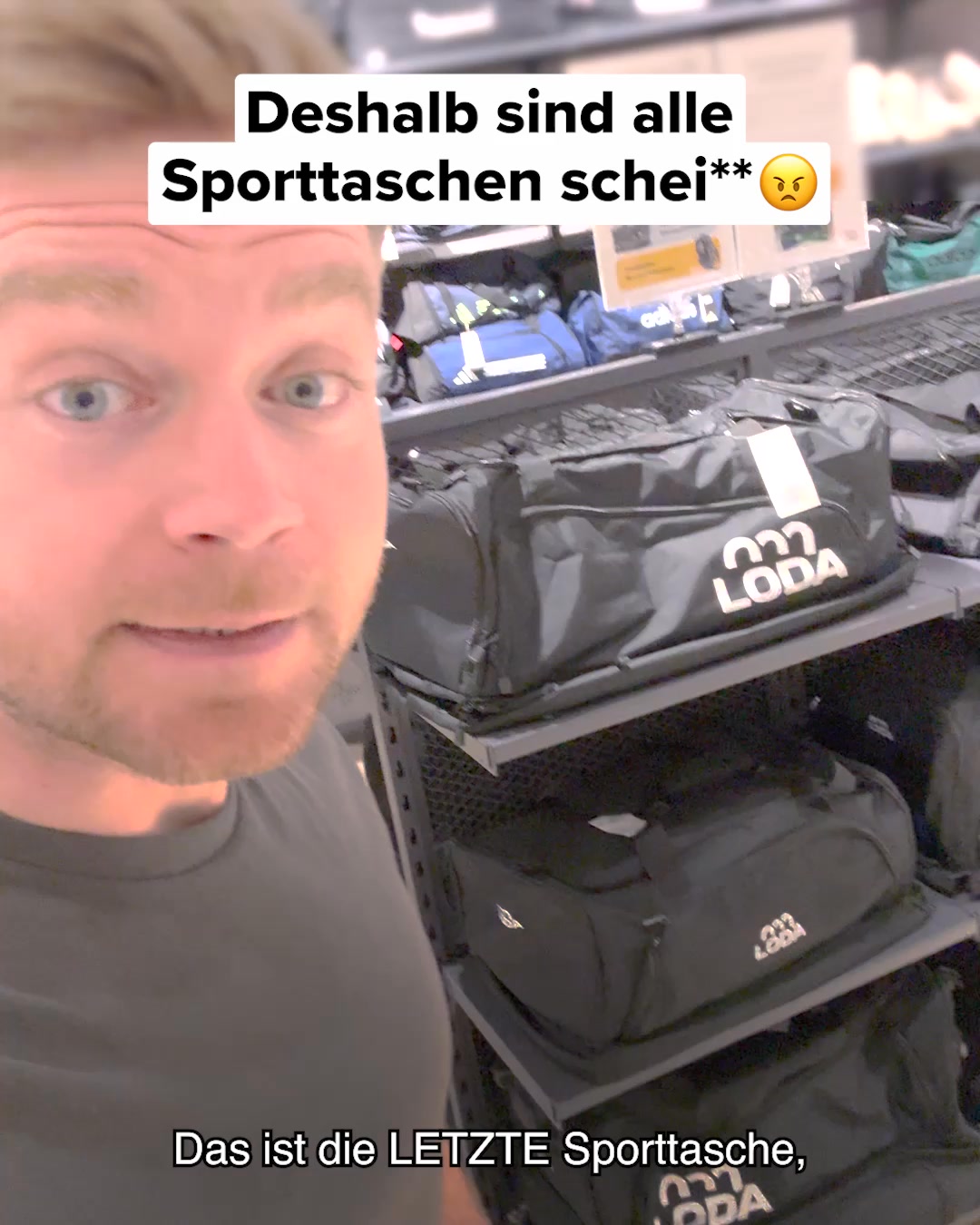
What it does. A man films a handheld selfie walking a sports-store aisle with the blunt caption "Deshalb sind alle Sporttaschen schei**" (that is why all sports bags suck), pointing the camera at rival duffel bags on the shelves before pitching the LODA team 68L. The copy then agitates the problem and resolves it with clever compartments (hidden backpack straps, a three-pair shoe compartment, a wet pocket).
Why it works. Trashing every competitor on their own shelf is a scroll-stopping problem-agitate hook that earns attention, and the phone-shot store walk makes the criticism feel authentic rather than staged. The feature list then delivers the concrete payoff.
Ad data. This video reached 8.9M and ran for 439 days, one of the longest runs of any candidate in the set, signaling a durable winner. Gender split: 40% women / 60% men.
3. Named celebrity lingerie muse
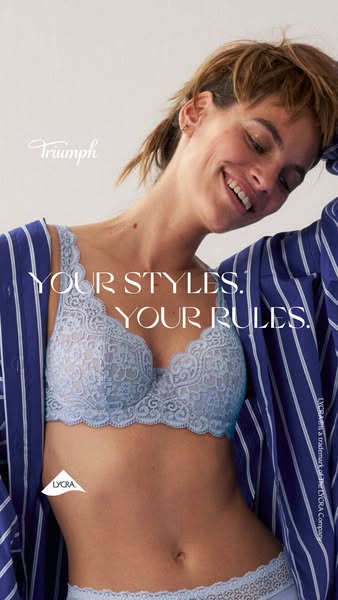
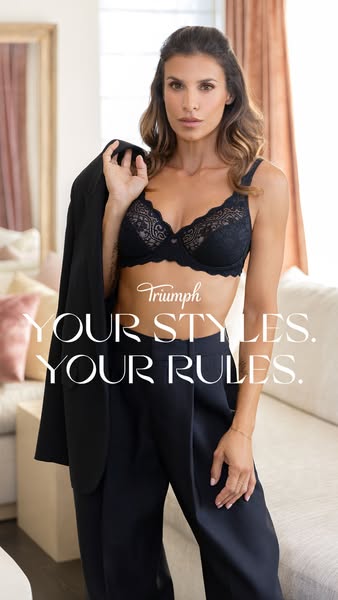
What it does. A polished studio image pairs the black Amourette lace bra with the tagline "Your Styles. Your Rules." and the copy explicitly credits the face on screen: "Elisabetta Canalis x Amourette." The celebrity model, styled in a tailored suit, carries the aspirational premium framing.
Why it works. Attaching a recognizable named celebrity to the lingerie borrows her credibility and glamour, lifting a basic bra into an aspirational icon. The clean suit-and-lace styling signals premium quality without needing a discount.
Ad data. This image reached 7.8M in just 18 run days, a fast accumulation of reach for a short flight. Gender split: 100% women / 0% men.
4. Beloved-character running cameo
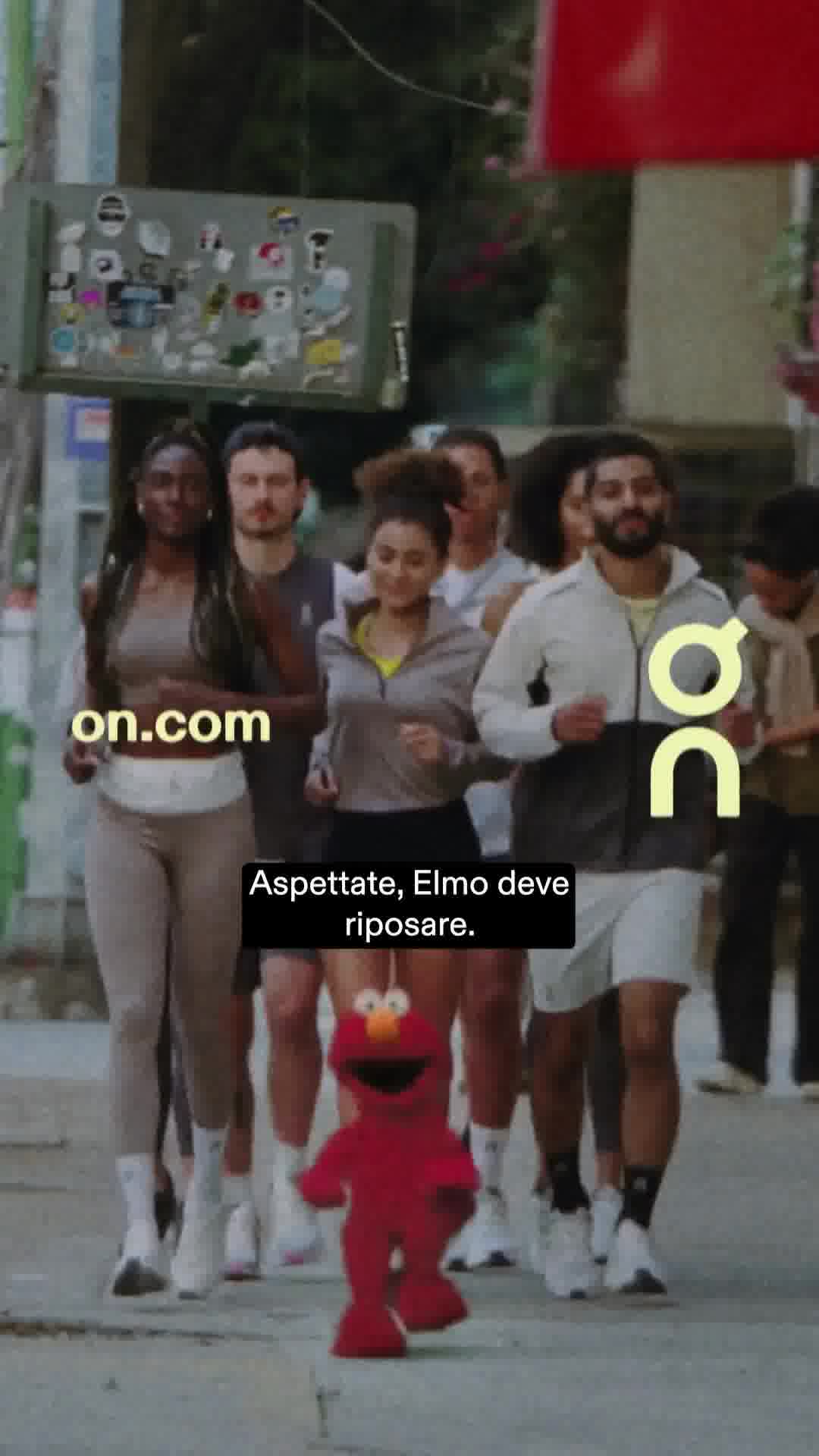
What it does. A cinematic street-running video drops the Sesame Street character Elmo into a pack of stylish real runners wearing On gear, with the on-screen line "Aspettate, Elmo deve riposare" (wait, Elmo needs to rest) turning the Cloudsurfer 2 "Soft Wins" message into a visual gag. The On wordmark and on.com sit in-frame.
Why it works. A famous, universally liked character walking among serious runners is a surprising humor hook that stops the scroll and makes a technical running shoe feel warm and approachable. The joke carries the "take it easy, soft wins" positioning better than a spec list would.
Ad data. This video reached 7.3M over 32 run days. Gender split: 42% women / 58% men.
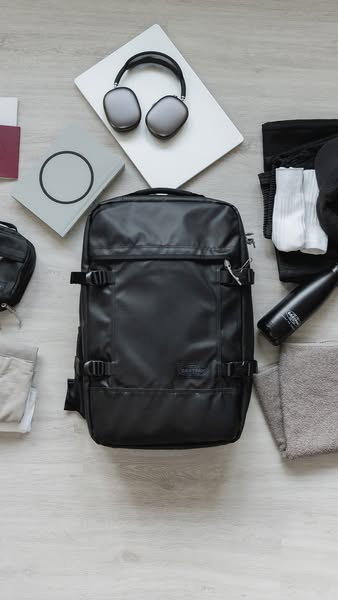
5. Everything-it-carries flat lay
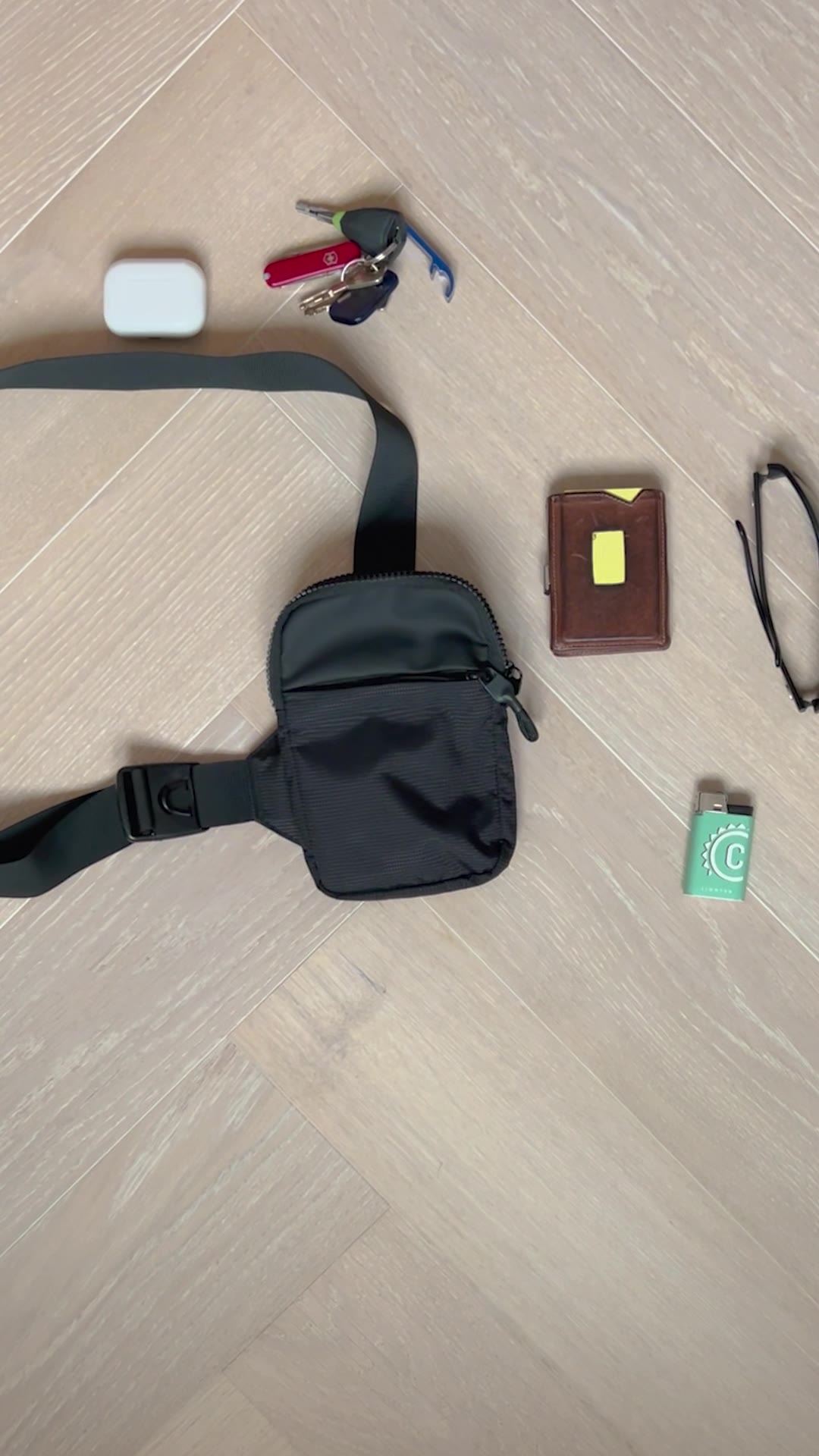
What it does. A top-down flat lay lays the black sling bag on the floor surrounded by the everyday-carry items it swallows: AirPods, keys, a multi-tool, sunglasses, a card wallet and a lighter. The copy reinforces the demo, "designed to keep everyday items safe when traveling."
Why it works. Showing the bag next to the exact gear a viewer already carries proves capacity and use-case instantly, letting people picture their own pockets emptied into it. The organized arrangement makes a small accessory feel genuinely functional.
Ad data. This video reached 7.2M and ran for 171 days, a long sustained run for a single-product creative. Gender split: 20% women / 80% men.
6. Seasonal boots discount code
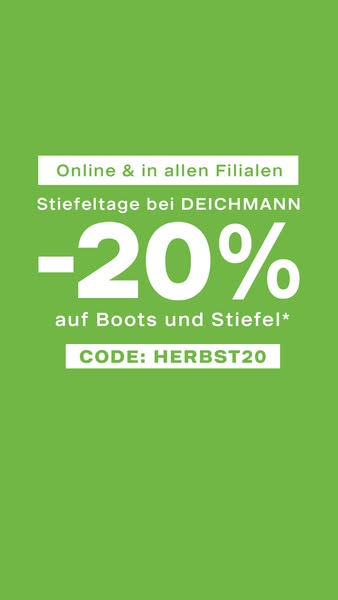
What it does. A bold, text-only green frame states the deal outright: "-20% auf Boots und Stiefel" with "CODE: HERBST20" and "Online & in allen Filialen." The offer itself is the entire creative, with no product photo needed.
Why it works. Leading with a plain, high-contrast discount and a copy-paste code makes the value and the next step unmissable in a fraction of a second. The seasonal boots framing and store-plus-online reach give shoppers an immediate reason to act now.
Ad data. This image reached 7.5M in only 7 run days, the shortest flight in the set yet among the highest reach, consistent with a burst promotional push. Gender split: 36% women / 64% men.
7. Energy-return sole hero shot
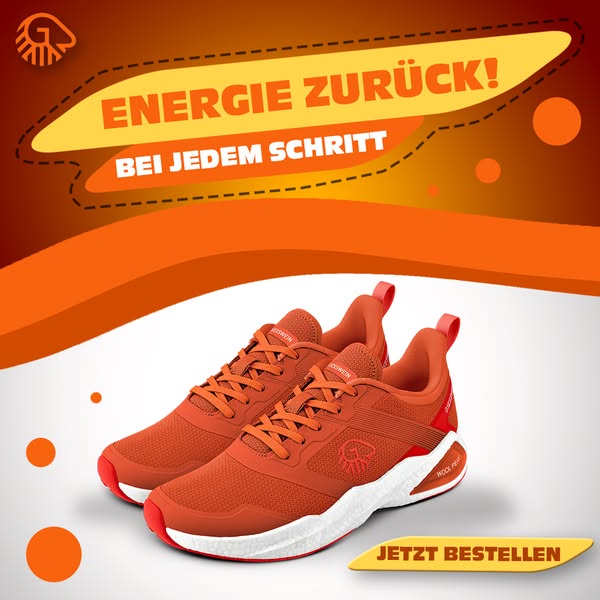
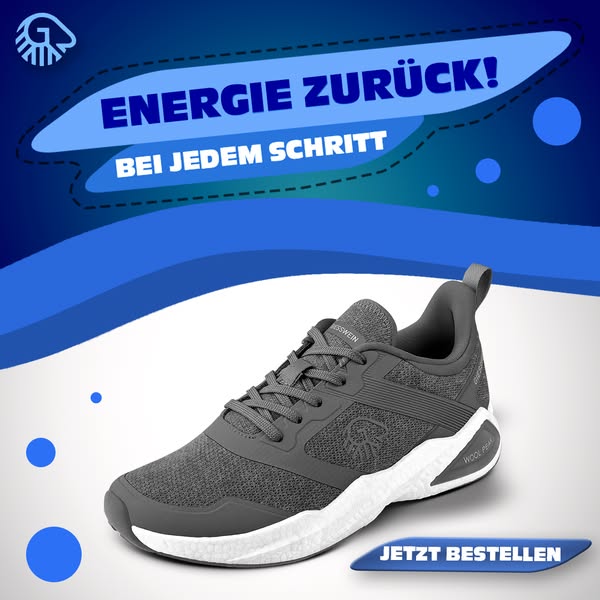
What it does. A single clean hero shot of the orange Wool Peak running shoe floats on a punchy graphic background with the headline benefit "Energie zurück bei jedem Schritt" (energy back with every step) and a "Jetzt bestellen" button. The copy names the merino-wool build and energy-return sole.
Why it works. One bold product shot married to a single concrete benefit and a bright, sporty layout communicates the whole value proposition at a glance. The direct benefit headline plus order button turns a minimalist product image into a performance claim shoppers can act on.
Ad data. This image reached 7.5M and ran for 119 days, a long sustained run for a single-product creative. Gender split: 58% women / 42% men.
Fashion & Apparel ad best practices
- Open with a first-person, phone-shot hook. Start video creatives with an unpolished handheld or selfie frame so the ad reads as organic content, not a commercial. A founder's origin question or a blunt problem line in the first second earns the attention that carries the pitch.
- Prove the product by showing it in use. Demonstrate rather than describe: lay a bag out beside the exact keys, cards and gear it swallows, or float a shoe hero shot against a bold background. Letting viewers picture their own use case does more work than a feature list.
- Resolve the hook with three crisp benefits. After the hook, close with a short, scannable payoff such as three checkmark features or one concrete benefit headline like energy return on every step. Pair it with a direct call to action, an order or shop button, so the next step is obvious.
- Make the offer the creative when you have one. For deals, lead with a high-contrast, text-first frame that states the discount and a copy-paste code outright, no product photo needed. A plain, unmissable offer and a clear code make the value and the action readable in a fraction of a second.
What is behind these numbers
Everything on this page comes from a curated snapshot, so it is a selection, never the whole market. Each industry contributes its highest-reach Facebook and Instagram ads and nothing else, so the numbers reflect that top slice, not all of Meta. Every reach figure is Meta-reported EU-transparency data, broken down by gender, age and country; none of it is estimated on our side. The one number we derive ourselves is estimated spend, which we back out of the reported reach at an assumed 5 to 30 EUR CPM.
The raw ad data is collected via top-ads.io. The Ad Library itself is a free resource from adtribute, an attribution and analytics platform that shows which channels and touchpoints actually drive your revenue.