



The Entertainment & Media hub gathers the highest-reach Meta ads from streaming platforms, live shows, film releases, and immersive entertainment venues. These are the creatives that stopped the most people scrolling on Facebook and Instagram, spanning cinematic teasers, price-led title grids, and handheld reaction clips. Study them to see how proven entertainment and media ads turn a scroll into curiosity, then into a click.
Key takeaways
- Image beats video on volume. Of the 85 ads in this snapshot, 66% are static images and only 34% are video. Recognisable key art and clear price banners carry most of the weight, with motion reserved for teasers and reaction clips.
- Reach runs high across a small field. Just 9 distinct advertisers produced these ads, with a median reach of 637K and a top ad hitting 2.0M. This is a concentrated pool of proven creatives rather than a broad market sample.
- Familiar titles do the persuading. The strongest ads lean on instantly recognisable film, series, and show art as built-in proof. Whether tiled in a grid or filling the frame, known franchises give a scroller a reason to stop before any copy is read.
- Mood or offer, rarely both muddled. Winning creatives commit to one job per frame: either sell the feeling of a world with a single immersive scene, or stack titles under a bold price and deadline. The clarity is what converts.
What makes a winning Entertainment & Media ad
A high-performing entertainment and media ad opens on instant recognition: a cinematic still, a wall of familiar covers, or people visibly having fun. The proof is the content itself, licensed key art and known titles that carry prestige without a word of explanation, or real players caught mid game as authentic evidence the experience is genuinely fun. The offer is then made unmissable, a low streaming price with a hard cutoff, a slate of shows to book, or a venue to visit. A clean, single call to action closes the loop, whether that is to stream now, grab tickets, or book the session.
What the top Entertainment & Media ads look like
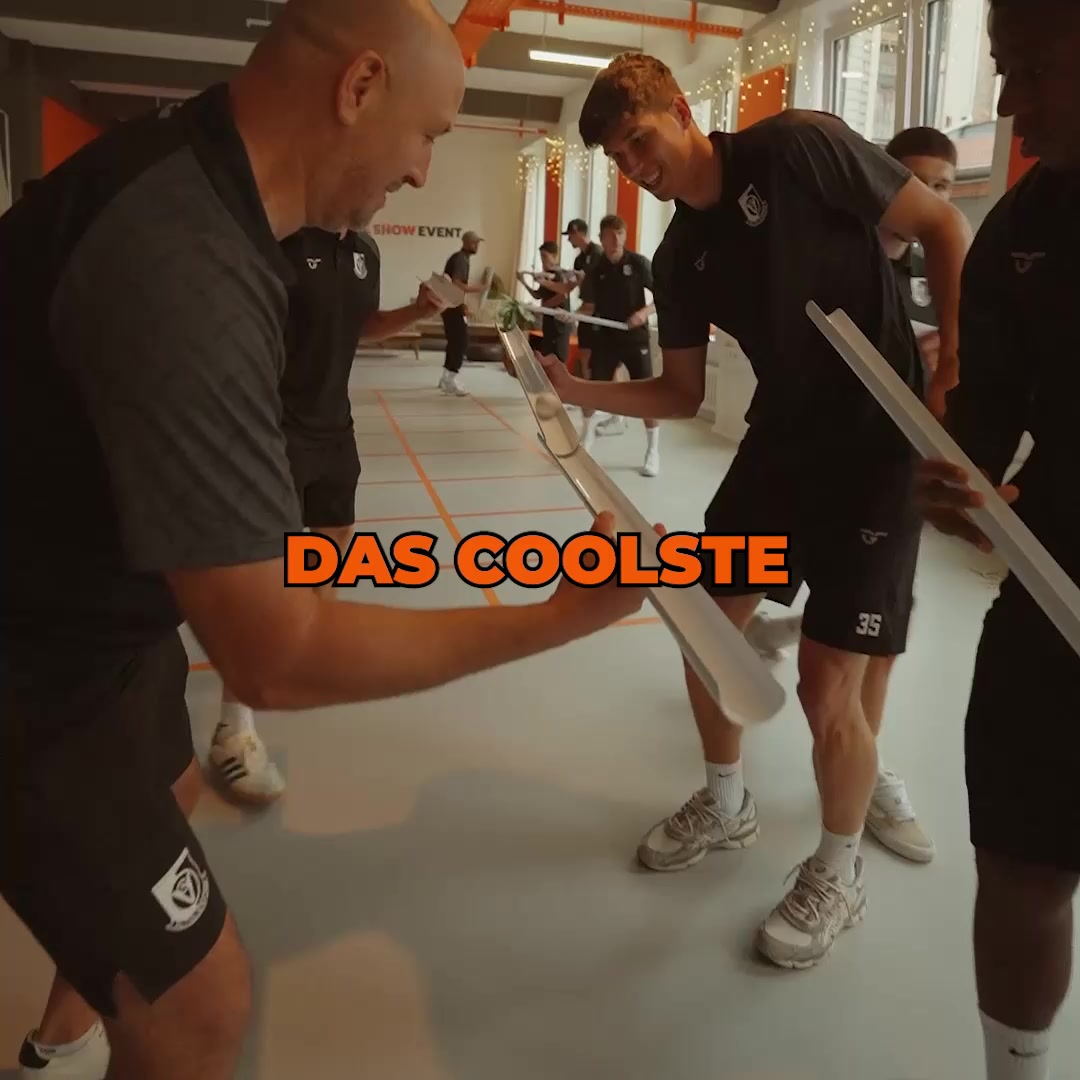
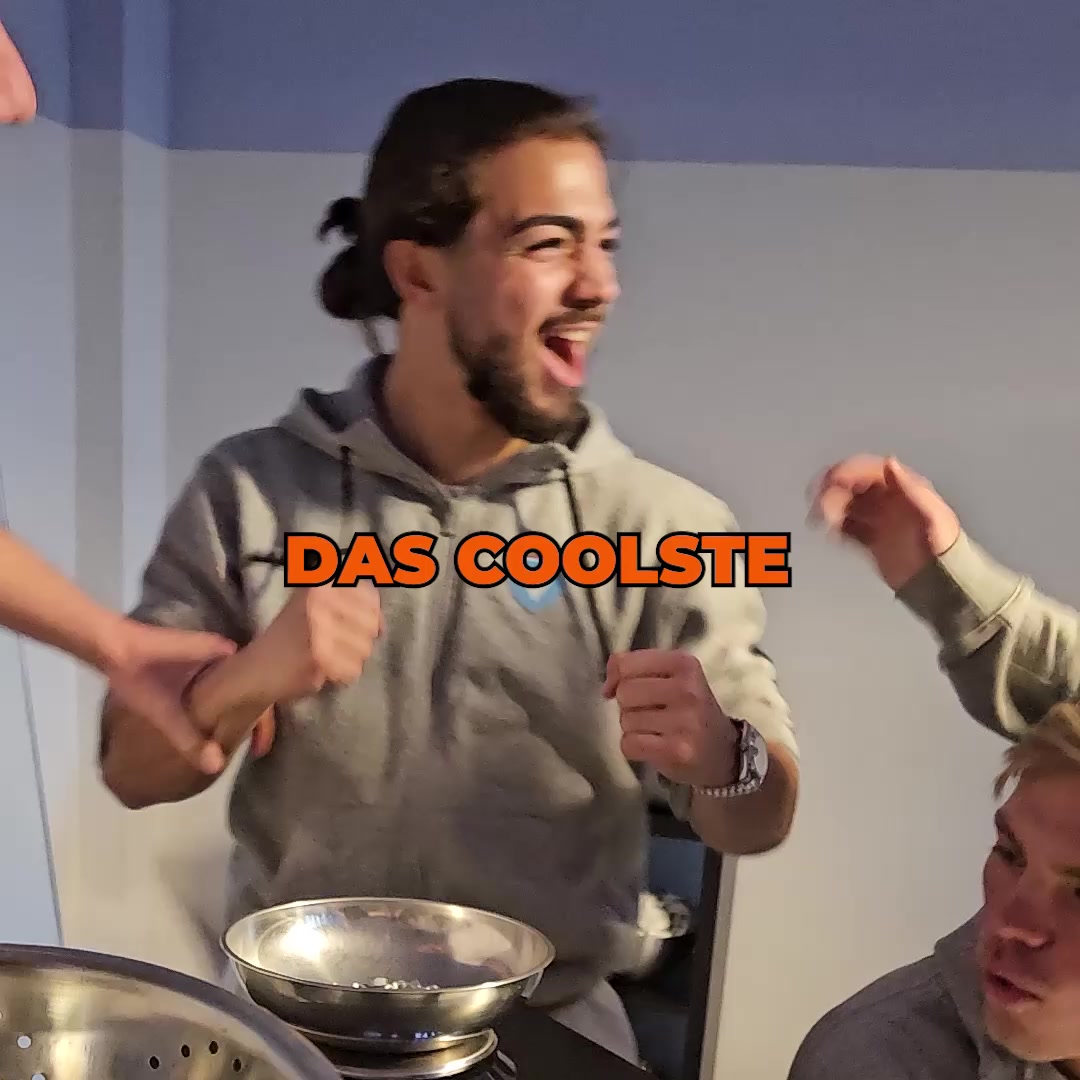
Scanning the highest-reach ads here, you repeatedly see recognisable film and series art doing the heavy lifting: either one atmospheric still filling the whole vertical frame with only a small logo in the corner, or six to four covers tiled in a clean grid under a bold banner. Price-led ads stamp a large offer and a deadline over the titles, with a streaming or ticketing logo anchored at the base. Immersive venues go saturated and physical instead, neon-lit arenas with players aiming at camera, or handheld phone-shot clips of a group laughing and competing with punchy on-screen text like DAS COOLSTE stamped across the middle. A minority put a real person, such as a maker at a workbench, talking straight to camera to back a craftsmanship claim. Static images make up 66% of these ads and video the remaining 34%.
Prefer one format? Filter this page to Entertainment video ads or Entertainment image ads only.
Winning ad frameworks in Entertainment
The highest-reach Entertainment ads reuse a handful of proven creative frameworks. Here are the ones that stand out here, each with a real example you can play or open in full.
1. Atmospheric film-world teaser
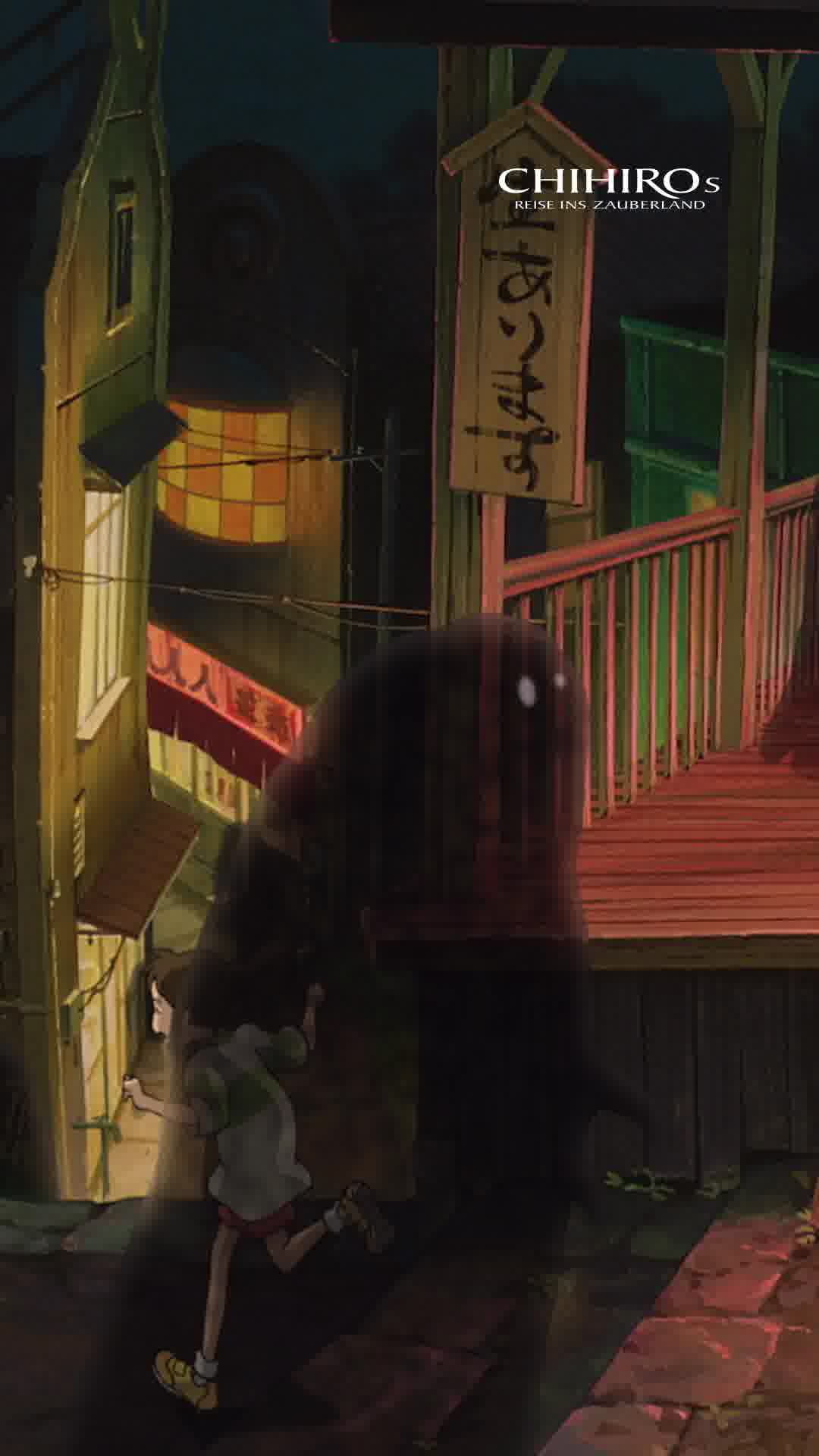
What it does. A full-frame cinematic still from the anime Chihiro fills the whole vertical frame, with the girl running past a shadowy figure into a glowing lantern-lit street and only the film logo in the corner. There is no price or grid, just the mood of the world the viewer is invited to step into.
Why it works. Letting one immersive scene carry the ad sells the feeling of the film rather than a transaction, so a scroller stops on atmosphere and curiosity instead of an offer.
Ad data. This video reached 1.5M and ran for 14 days. Gender split: 44% women / 56% men.
2. Streaming lineup price drop
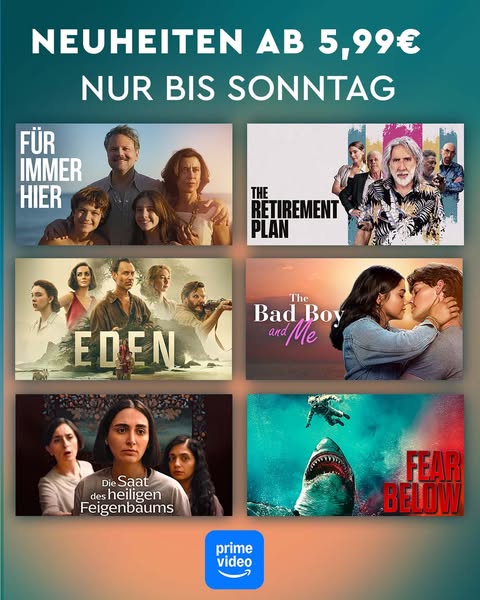
What it does. Six recognisable film and series covers are tiled in a clean grid under a bold banner reading NEUHEITEN AB 5,99 EUR NUR BIS SONNTAG, with the Prime Video logo at the base. The curated titles act as the proof while the price and deadline are the hook.
Why it works. Pairing a wall of familiar covers with a low price and a hard cutoff gives instant recognition plus a reason to act now, which converts casual browsers into buyers.
Ad data. This image reached 1.1M and ran for 11 days. Gender split: 35% women / 65% men.
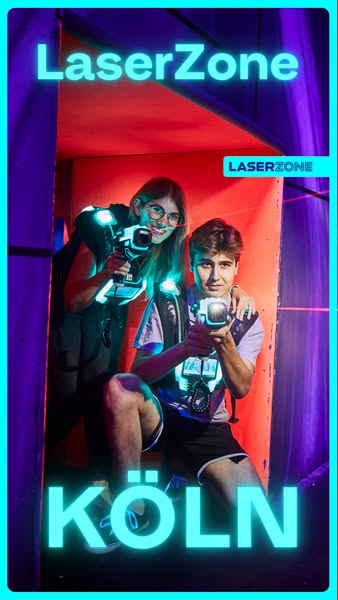
3. Neon arena adrenaline shot
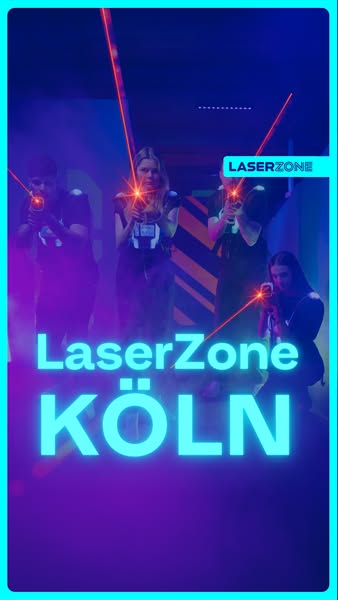
What it does. Two players crouch in a neon pink and blue laser tag arena aiming glowing blaster guns straight at camera, framed by huge stacked text LaserZone and KOELN. The shot puts the viewer inside the action rather than describing it.
Why it works. The saturated neon lighting and posed blasters read as pure fun and adrenaline in one glance, and the giant city name makes it instantly relevant to a local audience.
Ad data. This image reached 878K and ran for 103 days. Gender split: 35% women / 65% men.
4. Handheld gameshow reaction
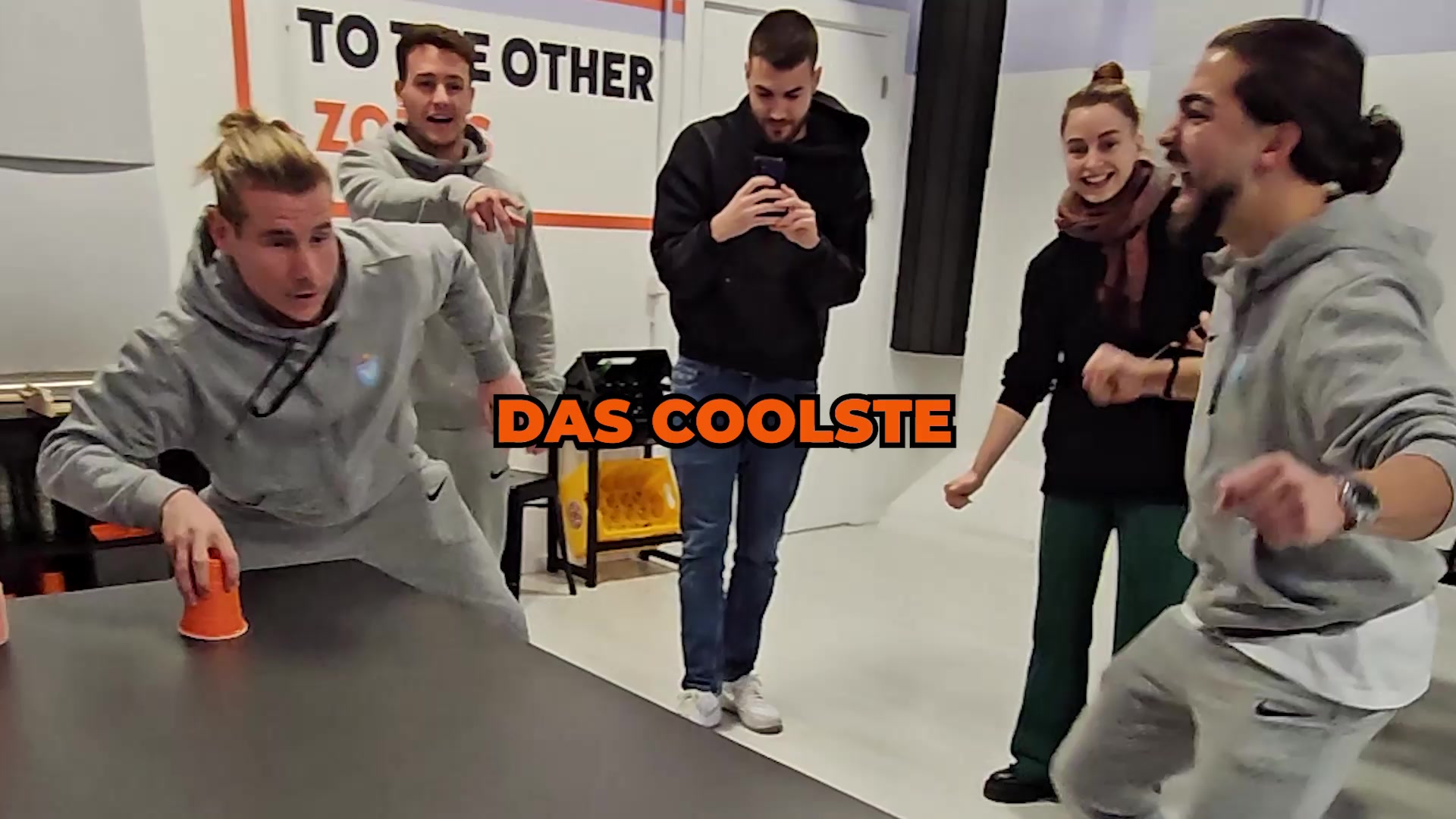
What it does. A phone-shot clip catches a group mid game, one player lunging at a table cup flip while friends laugh and cheer and one films on a phone, with the caption DAS COOLSTE stamped across the middle. It looks like an organic reaction video, not a produced ad.
Why it works. Real people caught laughing and competing sells the team event as genuinely fun, and the unpolished handheld look reads as authentic proof rather than marketing.
Ad data. This video reached 637K and ran for 18 days. Gender split: 69% women / 31% men.
5. Berlin studio maker to camera
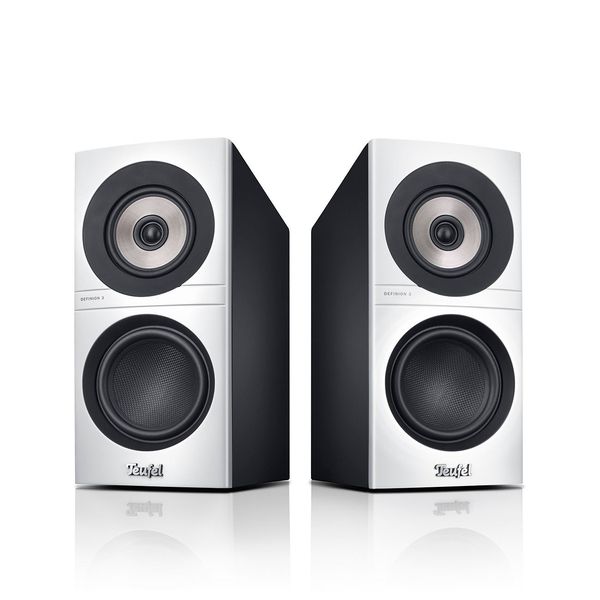
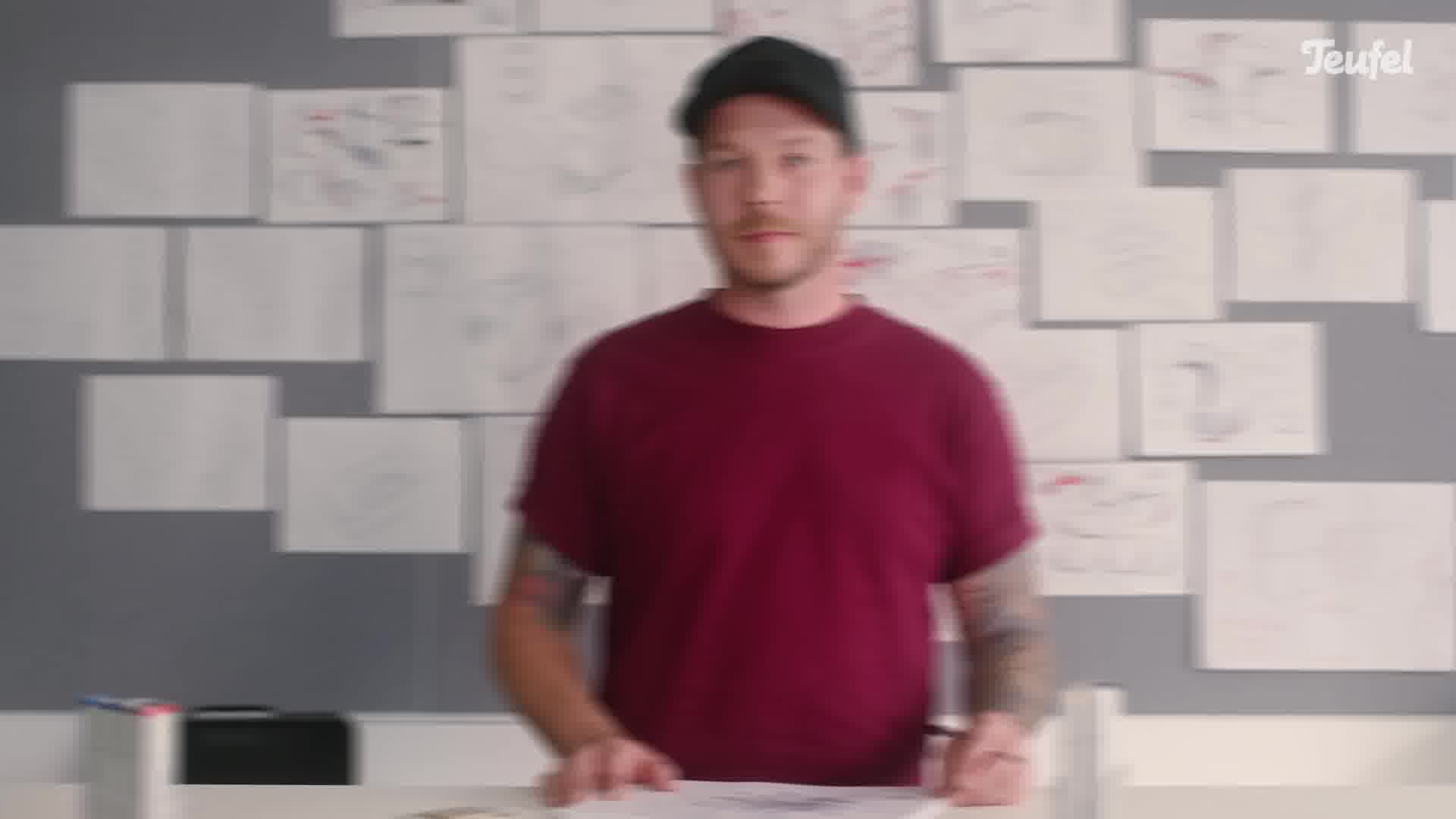
What it does. A person in a Teufel t shirt and cap stands at a workbench speaking to camera in front of a wall covered in engineering sketches and notes. The setting frames the speaker as the maker behind the sound, backing the developed and designed in Berlin claim.
Why it works. Putting a real maker on camera in the actual design studio makes the craftsmanship claim believable and human, which builds trust for a considered audio purchase.
Ad data. This video reached 1.0M and ran for 20 days. Gender split: 23% women / 77% men.
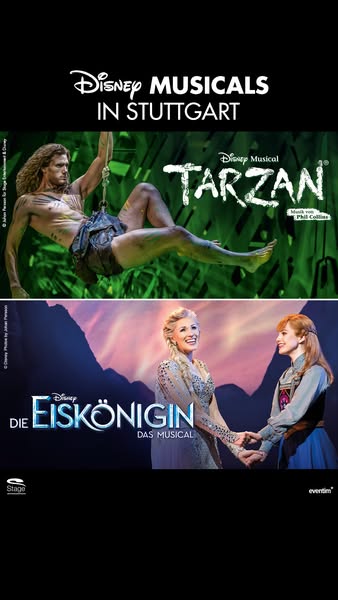
6. Disney show marquee grid
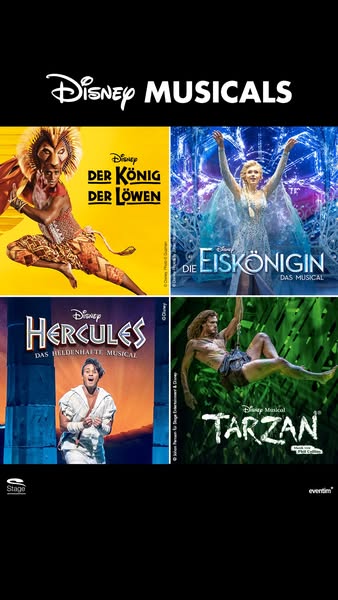
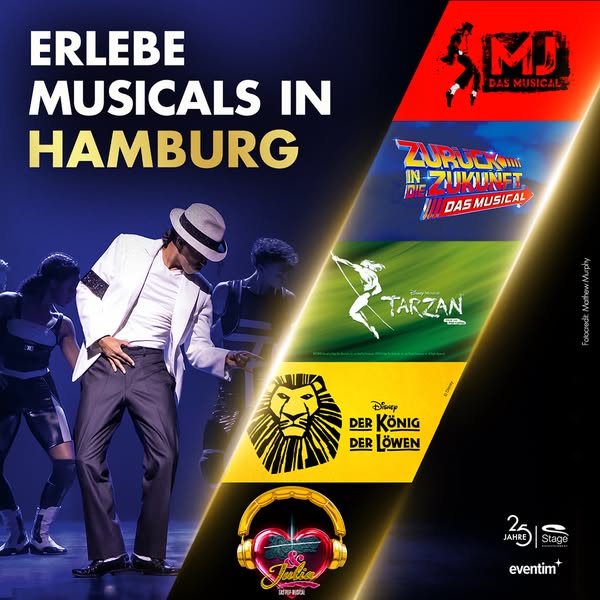
What it does. The frame stacks four Disney musical key art panels, Lion King, Frozen, Hercules and Tarzan, under a large Disney Musicals lockup with the Stage and eventim logos. It works like a theatre marquee laying out the full slate of shows on offer.
Why it works. Showing several beloved Disney titles at once maximises the chance one franchise pulls the viewer in, and the licensed key art carries instant prestige and recognition.
Ad data. This image reached 1.6M and ran for 173 days. Gender split: 69% women / 31% men.
Entertainment & Media ad best practices
- Let one immersive scene carry the frame. For film and streaming teasers, fill the vertical frame with a single cinematic still and drop everything but a small logo. Selling the mood of the world stops a scroller on atmosphere and curiosity rather than a transaction.
- Tile familiar titles as instant proof. When the offer is a lineup, grid four to six recognisable covers or pieces of key art under one bold banner. The wall of familiar franchises maximises the chance one of them pulls the viewer in before they read a single line.
- Pair a price with a hard cutoff. If the hook is value, stamp a large, legible price over the titles and add a clear deadline. The combination of low cost and a reason to act now turns casual browsers into clicks.
- Shoot venues raw and in the action. For live and immersive experiences, go handheld and put the viewer inside the moment: neon arenas with blasters aimed at camera, or real people caught laughing and competing. The unpolished look reads as authentic proof, not marketing.
How the ads here are selected
This Ad Library is a curated snapshot, not a complete record of Meta advertising. Each industry contributes its highest-reach Facebook and Instagram ads and nothing else, so the numbers reflect that top slice, not all of Meta. Reach here means the number Meta itself discloses under EU transparency rules, gender, age and country split included, taken as published. The one number we derive ourselves is estimated spend, which we back out of the reported reach at an assumed 5 to 30 EUR CPM.
The raw ad data is collected via top-ads.io. The Ad Library itself is a free resource from adtribute, the marketing attribution and analytics platform that shows which of your own ads actually convert.