




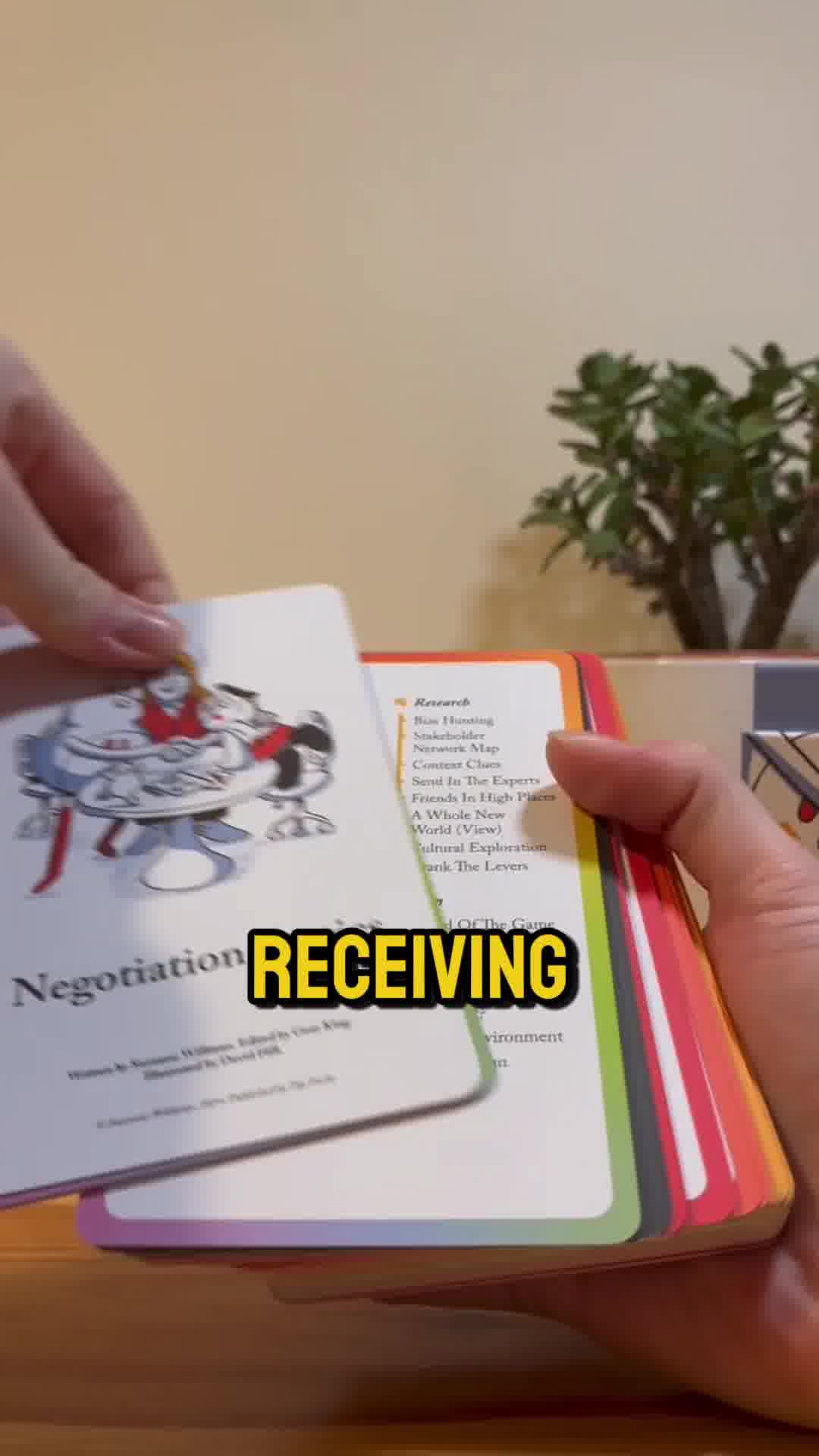
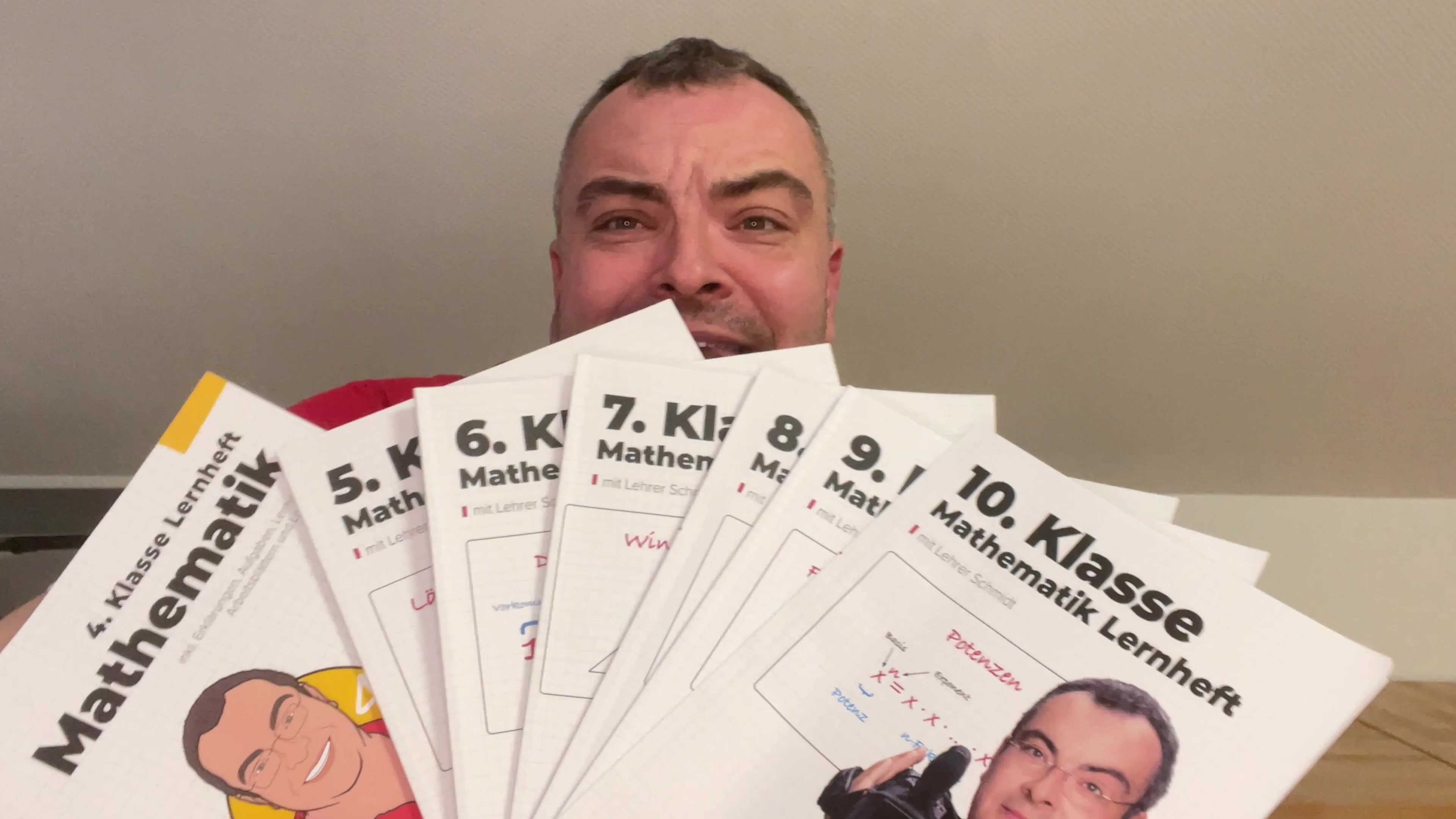



The Education hub gathers 250 of the highest-reach Meta ads from brands selling courses, e-learning, and online learning of every kind, from language apps to career retraining. Scanning them side by side, a clear playbook emerges: credible instructors, named offers, and proof devices that make a course feel like a shortcut rather than homework. This is a curated snapshot of what is winning attention right now, not a ranking of who spends most.
Key takeaways
- A clean video-image split. The format mix is 50 percent video and 50 percent image across 250 ads, so neither medium is optional. Static cards carry offers and frameworks while video carries face-to-camera trust.
- Broad reach, wide field. These ads come from 30 distinct advertisers, with median reach of 884K and top reach of 6.9M. That spread shows a healthy vertical where many e-learning brands are landing at scale, not one voice.
- The offer is the hook. Winning creatives lead with a named, scannable offer: a percentage discount, a funded program, or a bestseller framework. The value proposition is stated in the first frame, not buried in the copy.
- A credible human out front. The strongest ads put a real instructor, teacher, or career changer on screen speaking directly to camera. Borrowed trust from a recognizable face or an editorial-style layout does the persuading.
What makes a winning Education ad
It opens with a hook that is either a named offer or a familiar human: a bold discount pill, a 100 percent funded claim, or an instructor talking straight to the lens. Proof arrives fast through a demonstration or a credibility marker, whether that is a bestseller seal, a numbered framework on a book cover, or an editorial masthead that makes the pitch read like news. The offer is concrete and easy to grasp at a glance, which kills the cost or effort objection before it forms. A direct call to action then invites the viewer to enroll, start, or claim while the reason to act now is still fresh.
What the top Education ads look like
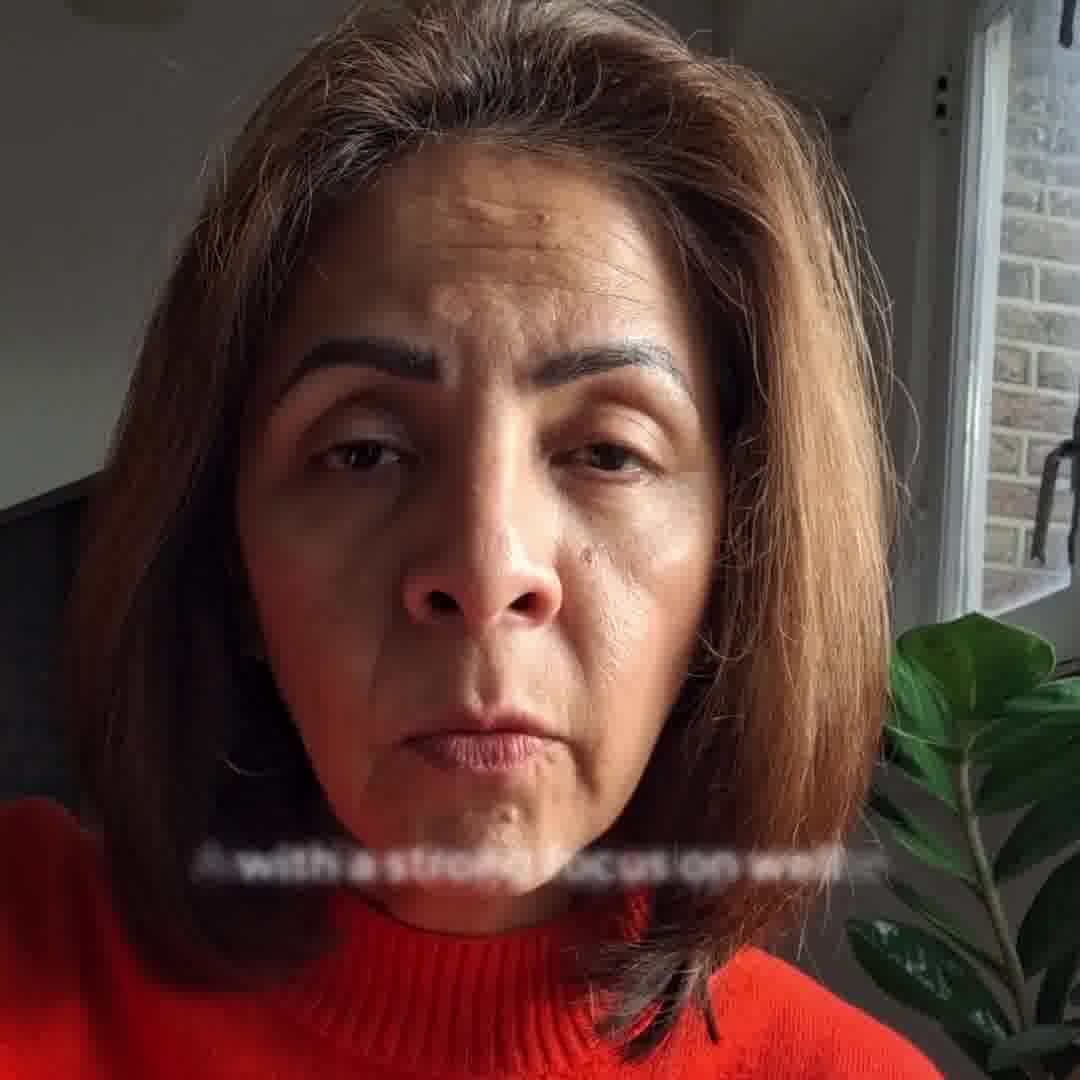
The recurring visual is a person talking to camera in a real setting: a teacher in his room holding up a revision card, a career changer in front of a branded office wall sign, a student filming himself selfie style outdoors. Image ads lean on structured cards and flat lays, with a bold discount pill, a numbered framework on a book cover, or a stat-card infographic that turns a complex offer into one scannable figure. On-screen text is short and declarative, often a single reinforcing word or a headline offer, and some creatives borrow browser chrome and a news masthead so the ad reads as editorial rather than a pitch. The product itself, the workbook, the book, the app card, is shown plainly and held close to the lens. The split here is even, at 50 percent video and 50 percent image.
Prefer one format? Filter this page to Education video ads or Education image ads only.
Winning ad frameworks in Education
The highest-reach Education ads reuse a handful of proven creative frameworks. Here are the ones that stand out here, each with a real example you can play or open in full.
1. Fake newsroom career story
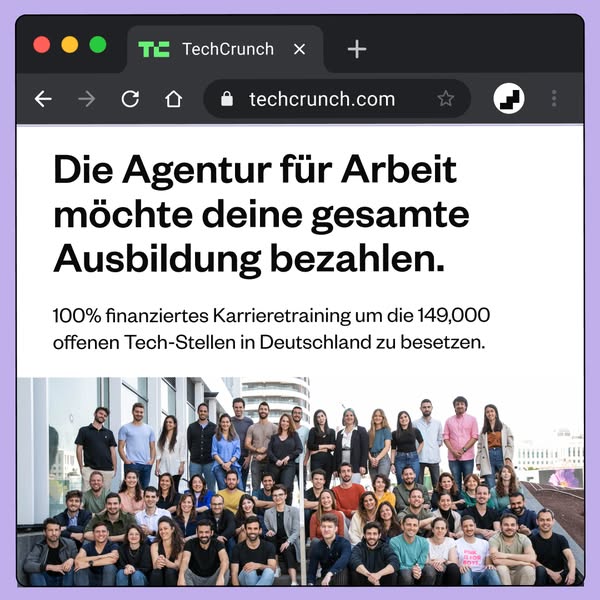
What it does. The ad is styled as a TechCrunch article, complete with browser chrome and a techcrunch.com URL, with the headline 'Die Agentur für Arbeit möchte deine gesamte Ausbildung bezahlen' over two large group photos of the cohort. It reads like editorial news rather than a paid ad.
Why it works. Borrowing a trusted tech news masthead lends the retraining offer instant third party credibility and slows the scroll because it looks like a story, not a pitch.
Ad data. Reach of 6.9M, the highest in the category, over a 62 day run. Gender split: 51% women / 49% men.
2. Biggest offer language sale
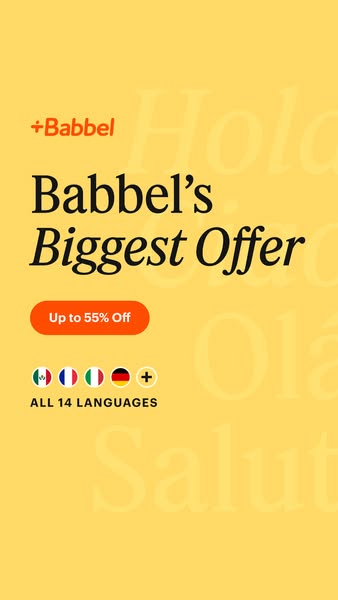
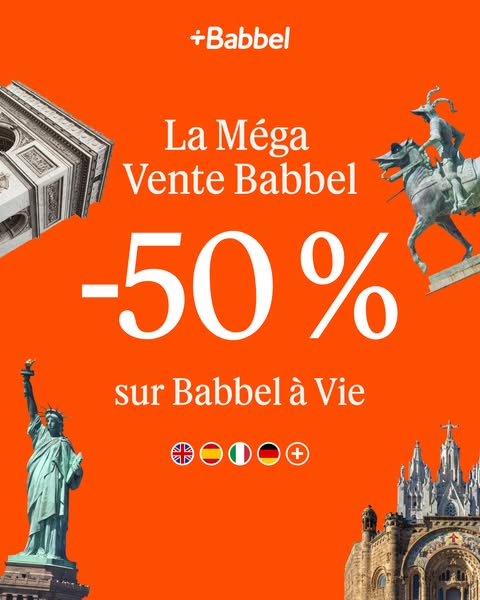
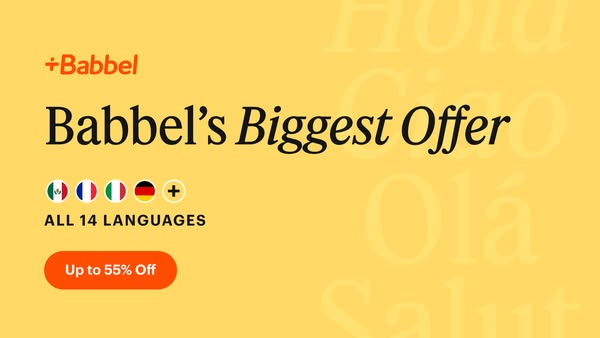
What it does. A clean Babbel branded card leads with 'Babbel's Biggest Offer', an orange 'Up to 55% Off' pill, and a row of country flags reading 'All 14 Languages', so the discount is the entire hook. The copy repeats 'Lifetime today'.
Why it works. Leading with a bold, named discount plus the scale of 14 languages gives an instant reason to click now and frames the price as a rare event.
Ad data. Reach of 4.3M over a 65 day run. Gender split: 41% women / 59% men.
3. Celebrity instructor spotlight
What it does. A polished portrait of named wedding planner Mindy Weiss sits above the bold headline 'Choose the Perfect Wedding Venue' with the subline 'Plan Your Dream Wedding With Planner Mindy Weiss', putting a real expert's name and face front and center.
Why it works. A recognizable, credentialed instructor makes the course feel like access to an insider, turning learning into aspiration rather than homework.
Ad data. Reach of 3.9M over a 35 day run. Gender split: 44% women / 56% men.
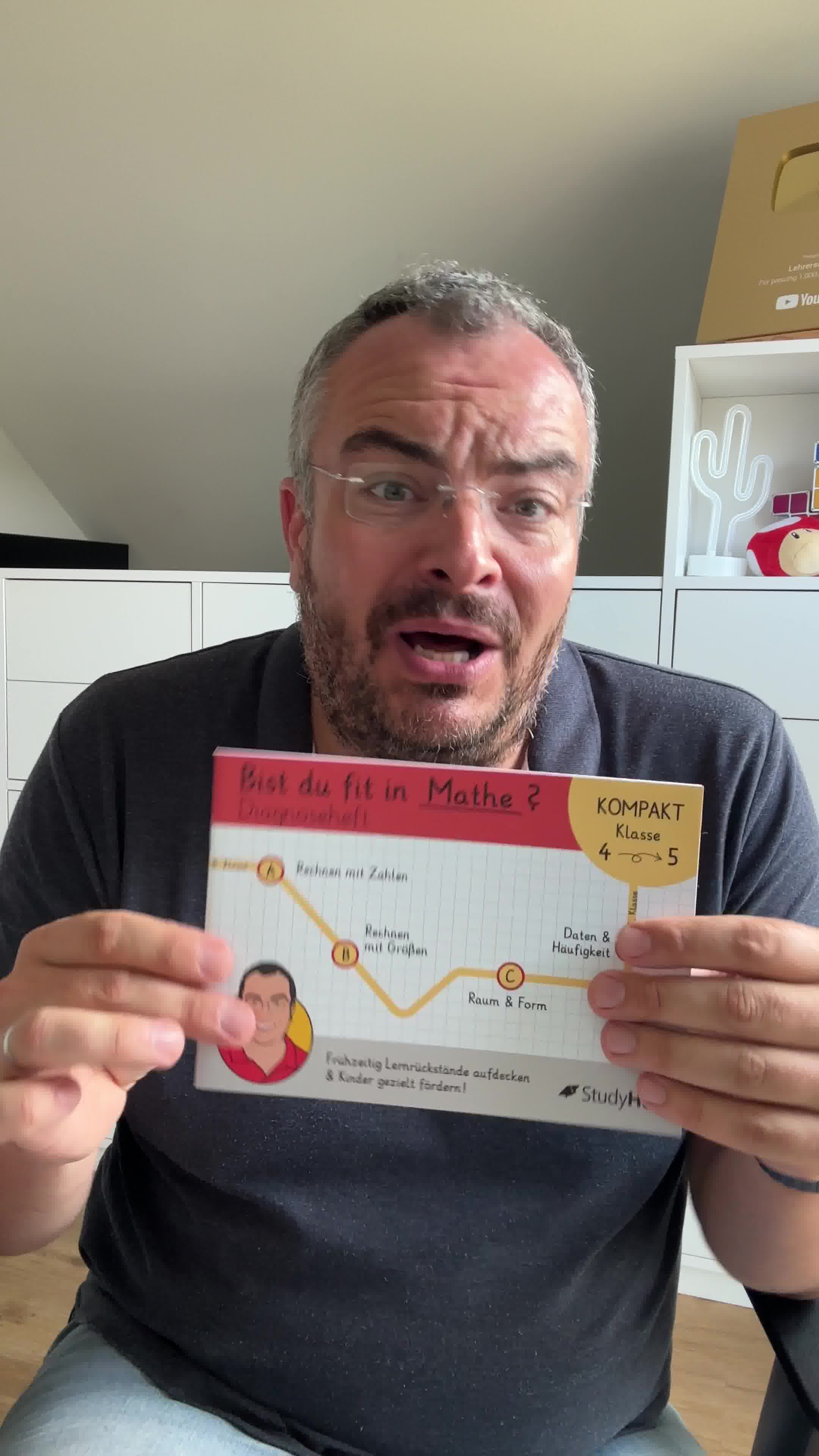
4. Teacher holds up the workbook
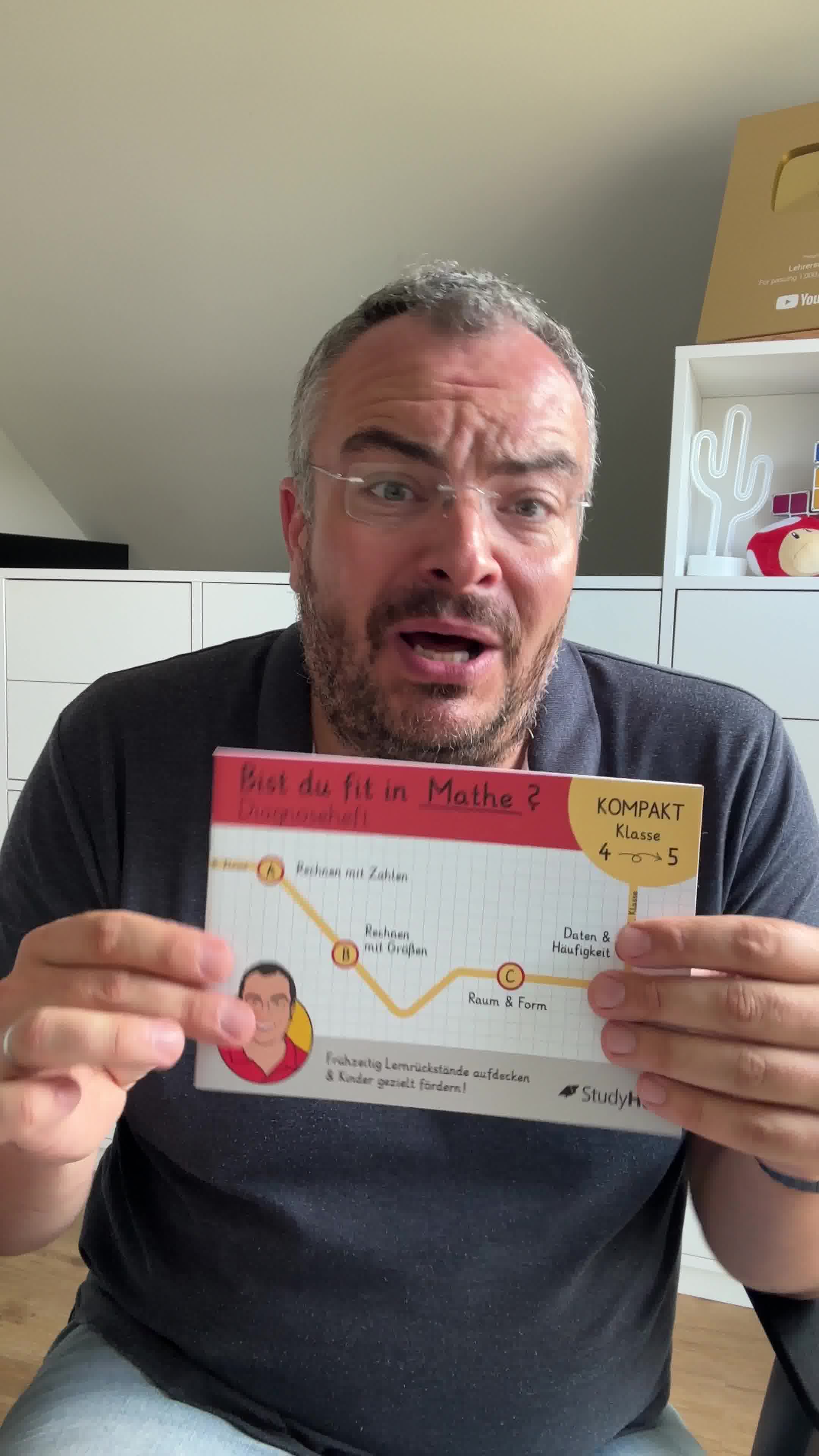
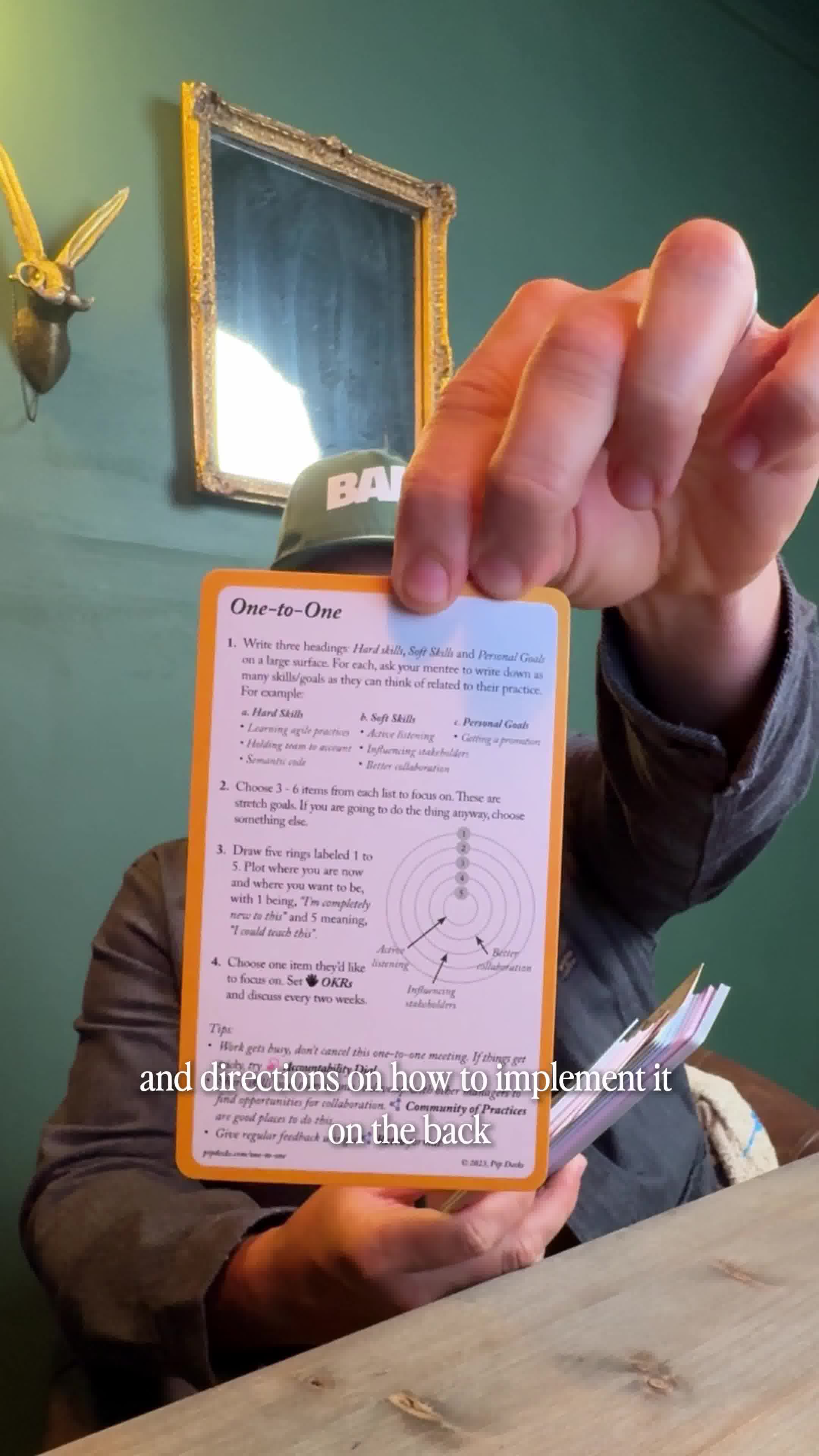
What it does. A teacher speaks to camera in his room, holding a StudyHelp 'Bist du fit in Mathe?' revision card up to the lens, with a YouTube gold play button visible on the shelf behind him. It reads as an organic creator recommendation.
Why it works. A familiar teacher creator showing the actual product turns his channel trust into product trust, which lands hard with the parents this reaches.
Ad data. Reach of 3.2M over a 178 day run. Gender split: 75% women / 25% men.
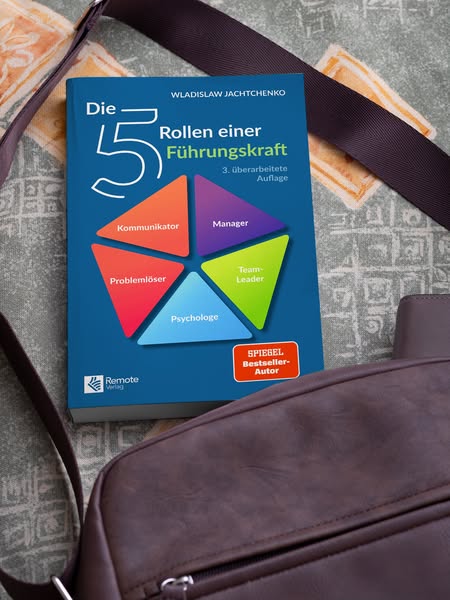
5. Bestseller framework book
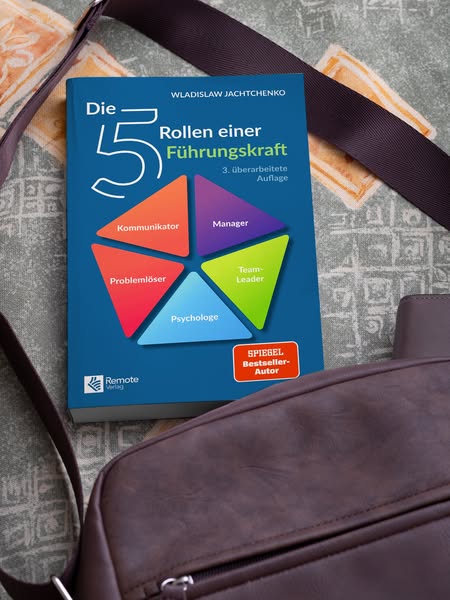
What it does. A flat lay of the book 'Die 5 Rollen einer Führungskraft' beside a leather bag shows the cover's five color coded leadership roles arranged around a bold '5' and a red 'SPIEGEL Bestseller-Autor' seal, packaging the whole method as a proven numbered system.
Why it works. The visible numbered framework promises a clear, digestible system and the bestseller seal supplies social proof, so the buyer feels they get a shortcut to leadership skills.
Ad data. Reach of 2.8M over a 703 day run, among the longest in the category. Gender split: 40% women / 60% men.
6. Funded training stat card
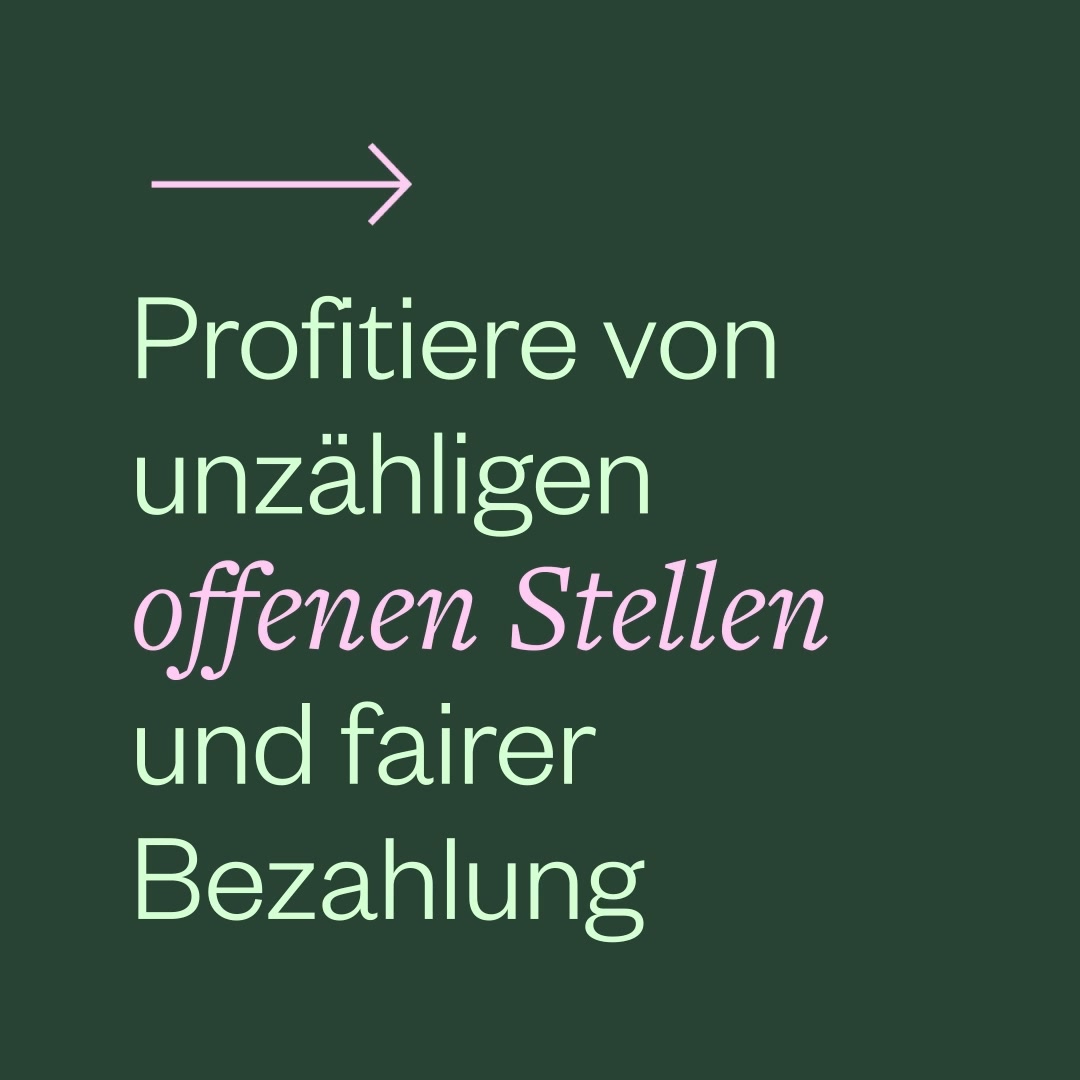
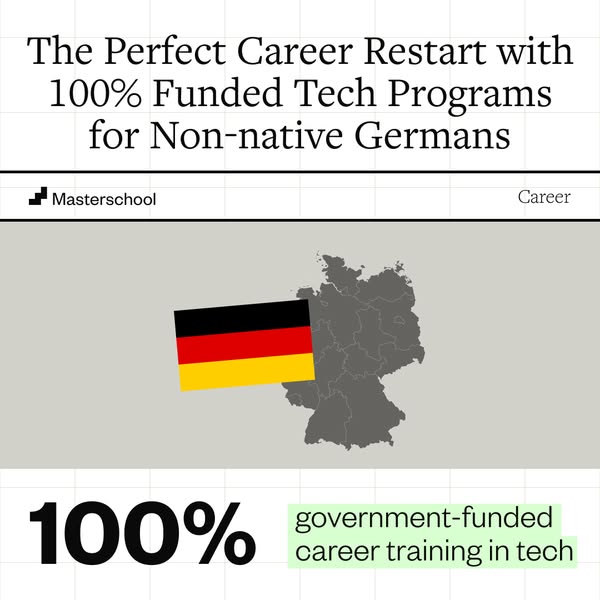
What it does. A structured infographic-style card headlines a 100% funded tech-training program, pairing a large '100%' with 'government-funded career training in tech' highlighted in green. The stat-card layout makes a complex, high-value offer feel simple and credible at a glance.
Why it works. Turning the offer into a crisp, data card layout makes the free funding claim feel official and scannable, killing the main objection of cost in one glance.
Ad data. Reach of 3.2M over a 74 day run. Gender split: 39% women / 61% men.
7. Career changer to camera
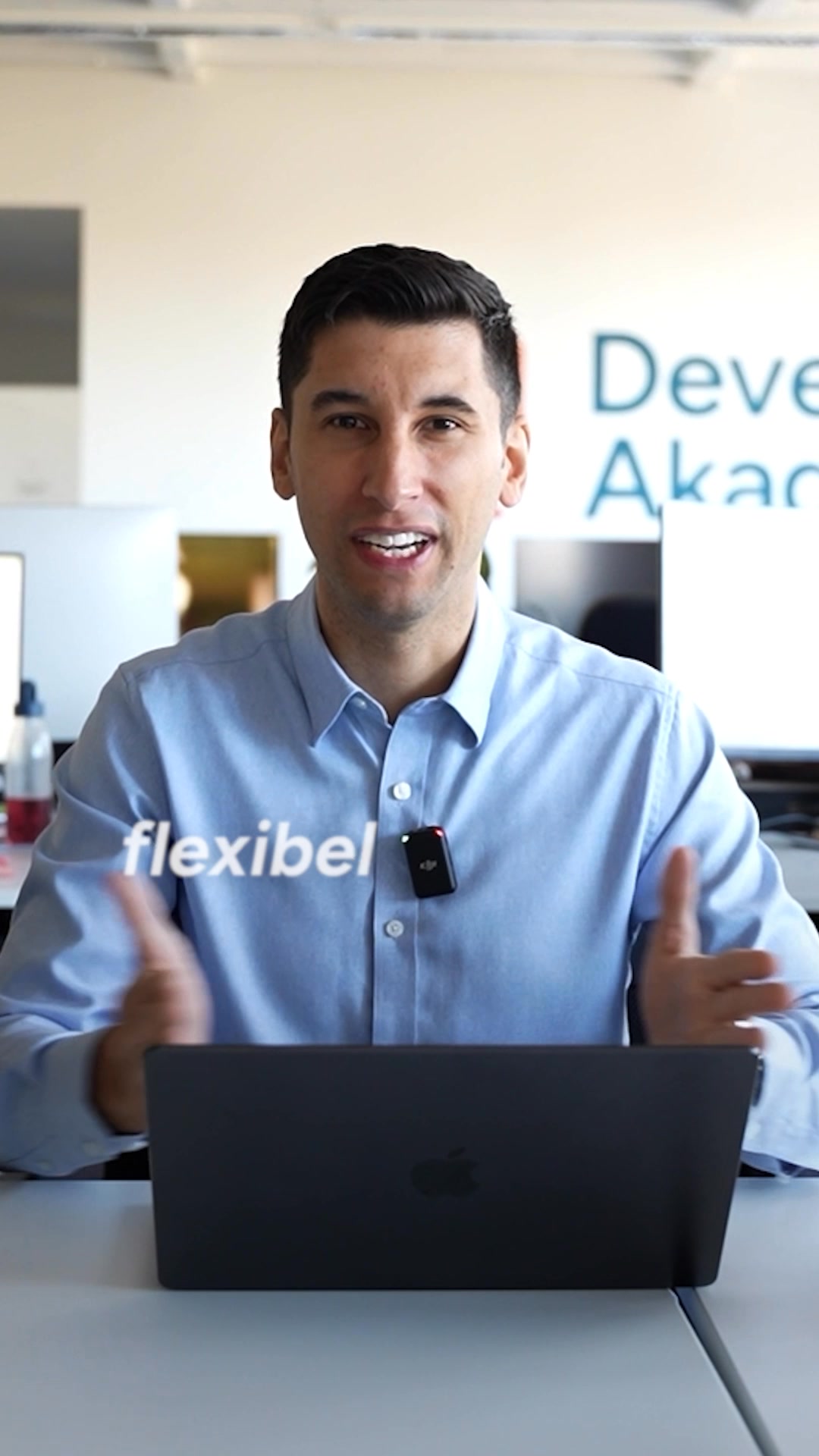
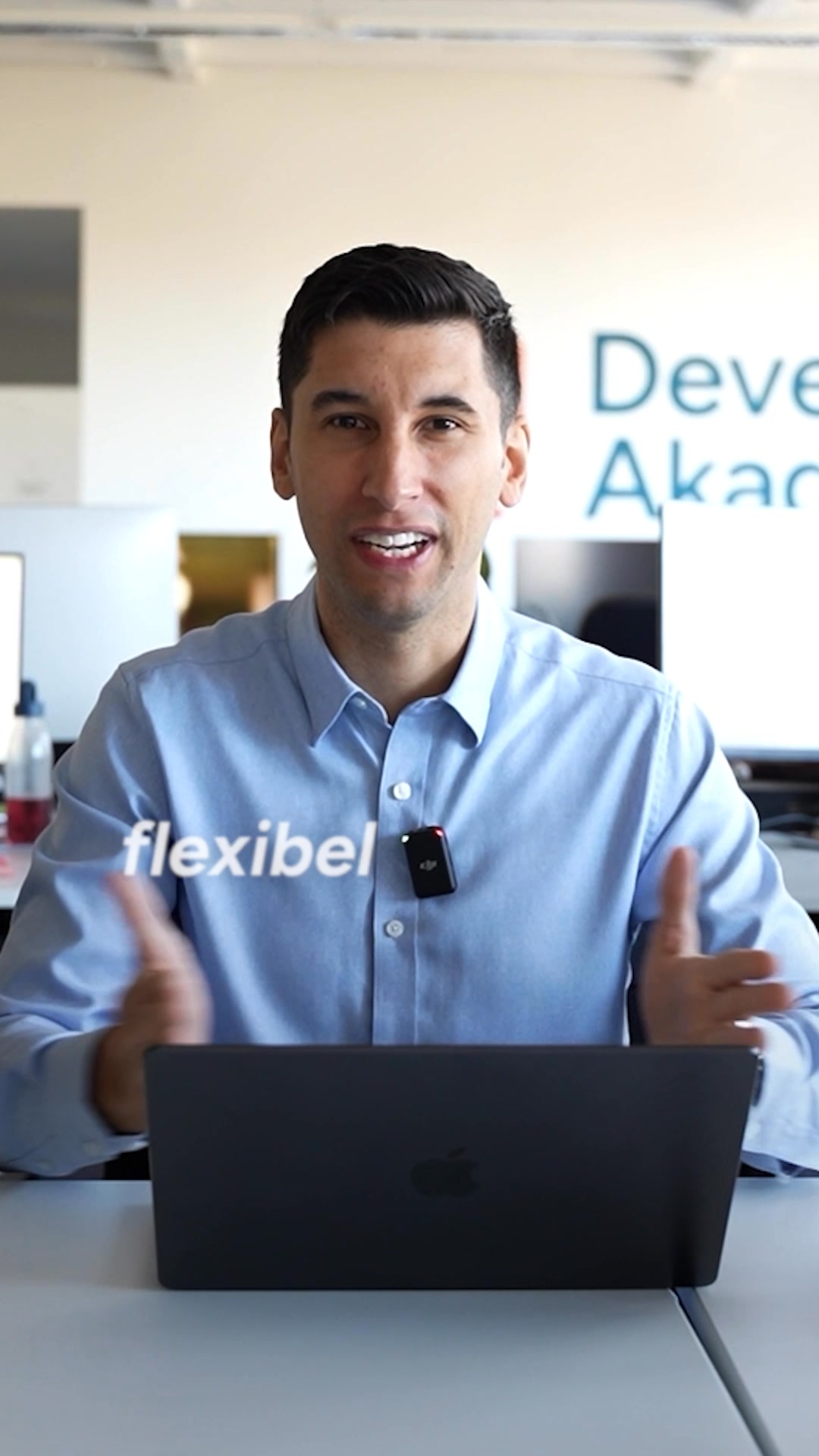
What it does. A man in a light blue shirt speaks directly to camera from a branded office with the Developer Akademie wall sign behind him, the on screen word 'flexibel' reinforcing the pitch that you can retrain into IT part time in under 12 months.
Why it works. A calm, direct talking head in the school's own space feels like a trusted advisor explaining the path, which suits the career switch decision this ad targets.
Ad data. Reach of 2.0M over a 146 day run. Gender split: 16% women / 84% men.
8. Study abroad POV selfie
What it does. A young student films himself selfie style in front of pine forest and mountains with the caption 'So könnte auch dein Auslandsjahr aussehen!', showing the abroad experience as it actually feels rather than in a brochure.
Why it works. The unpolished first person POV lets the target teen picture themselves in the adventure, making the year abroad feel real and attainable.
Ad data. Reach of 1.9M over a 208 day run. Gender split: 36% women / 64% men.
Education ad best practices
- Put a credible face in the first frame. Open on a named instructor, teacher, or successful career changer speaking to camera in their own space. A recognizable, credentialed human turns learning into aspiration and lends instant trust to the course.
- Make the offer the hook. Lead with a bold, named offer: a discount pill, a funded program, or a lifetime price. State the value proposition in the opening frame so the reason to click is unmissable.
- Show a numbered or funded framework. Package the method as a clear system, like a numbered set of roles on a book cover or a stat card that highlights a funded claim in green. A visible framework promises a digestible shortcut and makes a high-value offer feel simple and official.
- Hold up the actual product. Have the presenter bring the workbook, book, or revision card right up to the lens. Demonstrating the real thing converts creator or brand trust into product trust and grounds the pitch in something tangible.
What is behind these numbers
What you see here is a curated slice of Meta advertising, not a full census of it. Each industry contributes its highest-reach Facebook and Instagram ads and nothing else, so the numbers reflect that top slice, not all of Meta. Every reach figure is Meta-reported EU-transparency data, broken down by gender, age and country; none of it is estimated on our side. Estimated spend is the exception: we compute it from the reported reach using an assumed 5 to 30 EUR CPM.
The raw ad data is collected via top-ads.io. The Ad Library itself is a free resource from adtribute, a marketing attribution and analytics platform: browsing winners is step one, measuring your own is step two.