




The Baby & Kids hub gathers the highest-reach Meta ads across children's apparel, playthings, infant nutrition and learning, the products parents research most carefully before they buy. The best-performing creatives here lead with the child, soften the setting, and pair an emotional hook with a concrete offer or proof point. This is a snapshot of what is working right now for baby and kids brands on Facebook and Instagram.
Key takeaways
- Video carries this vertical. Across 107 ads the split is 79% video and 21% image, so motion is the default format for reaching parents at scale. The strongest static ads still earn their place, but movement is what most winners rely on.
- Broad reach from a focused field. Thirteen distinct advertisers produced these ads, with median reach of 2.0M and a top ad hitting 5.1M. A relatively small set of children's brands is generating very large audiences here.
- The offer often is the hook. Many top creatives put the deal front and centre, from a bold "SALE 40% OFF" overlay to a zero-risk free trial kit backed by a star rating. Parents get an immediate reason to click before they weigh a premium price.
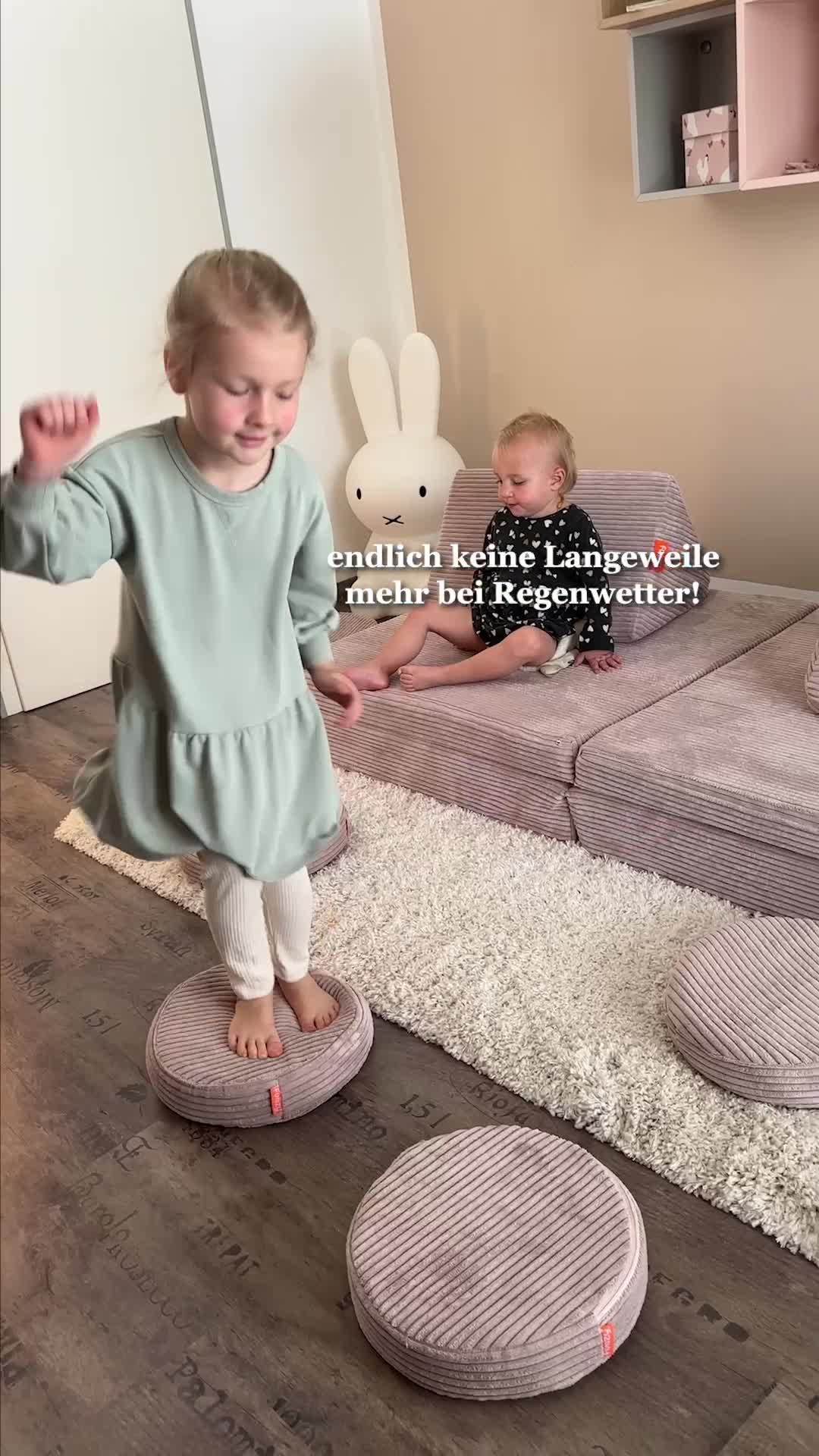
- Real children, real moments. Winning ads stage an actual kid delighted by the product, whether a child absorbed in a personalized book or bouncing in a therapy swing. Authentic, phone-shot moments read as organic and build trust faster than polished product shots alone.
What makes a winning Baby & Kids ad
It opens with the child front and centre, framed in a way that makes a parent stop scrolling: a kid mid-adventure, a newborn cradled by a real mother, or a bold discount overlay. Proof comes fast, often through a genuine reaction, a visible rating, or a comment reply that answers a practical objection like "how does it install". The offer is clear and low-risk, whether a percentage off, a free trial kit at 0 cost, or a personalized gift payoff. A simple call to action then points the parent straight to the product or the deal.
What the top Baby & Kids ads look like
Scan the highest-reach ads and the child or baby is almost always the hero of the frame, often with a parent close by, set in soft home interiors, sunlit outdoor scenes, or clean styled tabletops in muted neutral tones. On-screen text is used deliberately: a large discount headline, a tagline such as "Made for children, loved by parents", or a native comment-reply sticker layered over the clip. Products appear in context, held by small hands, staged in a grooming caddy, or built into a backyard playtower cast as an adventure fort, rather than isolated on white. The mix leans heavily to motion, at 79% video versus 21% image.
Prefer one format? Filter this page to Baby & Kids video ads or Baby & Kids image ads only.
Winning ad frameworks in Baby & Kids
The highest-reach Baby & Kids ads reuse a handful of proven creative frameworks. Here are the ones that stand out here, each with a real example you can play or open in full.
1. Seasonal sale price drop
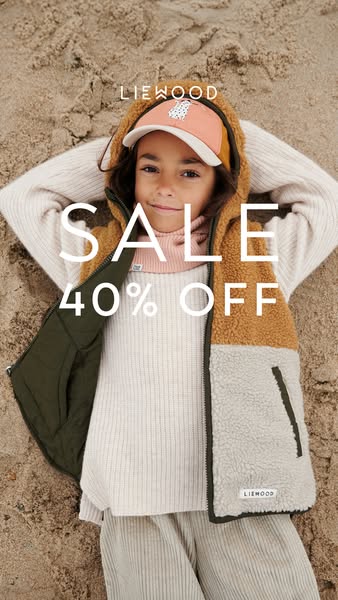
What it does. A child in a Liewood sherpa gilet and cap lounges on sand while a large white "SALE 40% OFF" overlay dominates the frame, making the discount itself the hook rather than any single product.
Why it works. For price-sensitive parents shopping premium kidswear, a bold percentage-off headline over an aspirational lifestyle shot gives an immediate reason to click before they weigh the brand's higher price.
Ad data. This image ad reached 5.1M and ran for 17 days, the highest reach in the category despite a short flight. Gender split: 42% women / 58% men.
2. Calm minimalist product hero
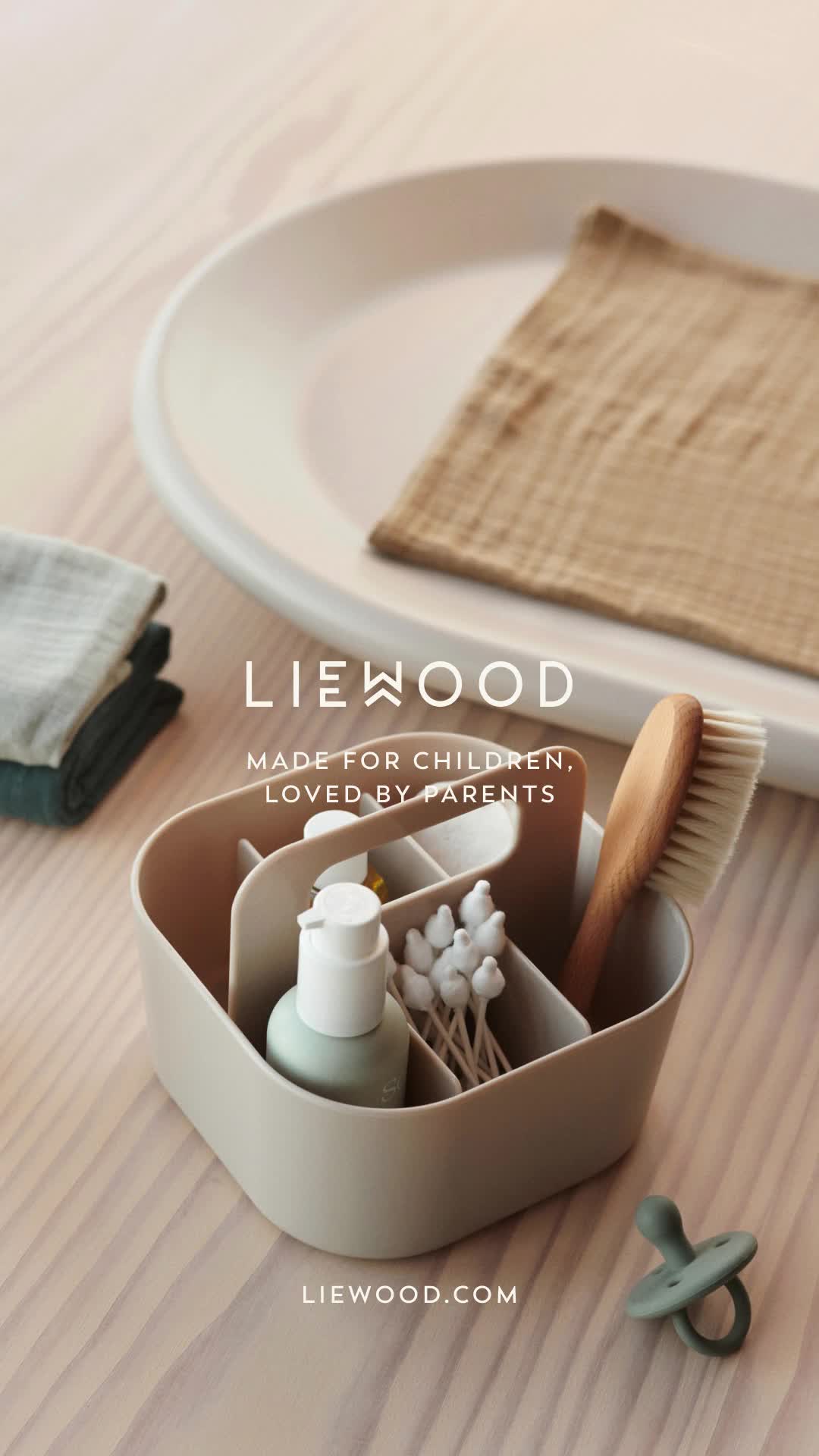
What it does. A softly lit styled scene stages the Liewood grooming caddy with its brush, muslins, lotion and pacifier in muted neutral tones, under the tagline "Made for children, loved by parents" and the brand mark.
Why it works. The clean, styled single-scene shot signals design-led quality and calm to aesthetic-minded parents, letting the products sell themselves without clutter or claims.
Ad data. This video ad reached 4.5M in the category, second only to the brand's own sale creative. Gender split: 97% women / 3% men.
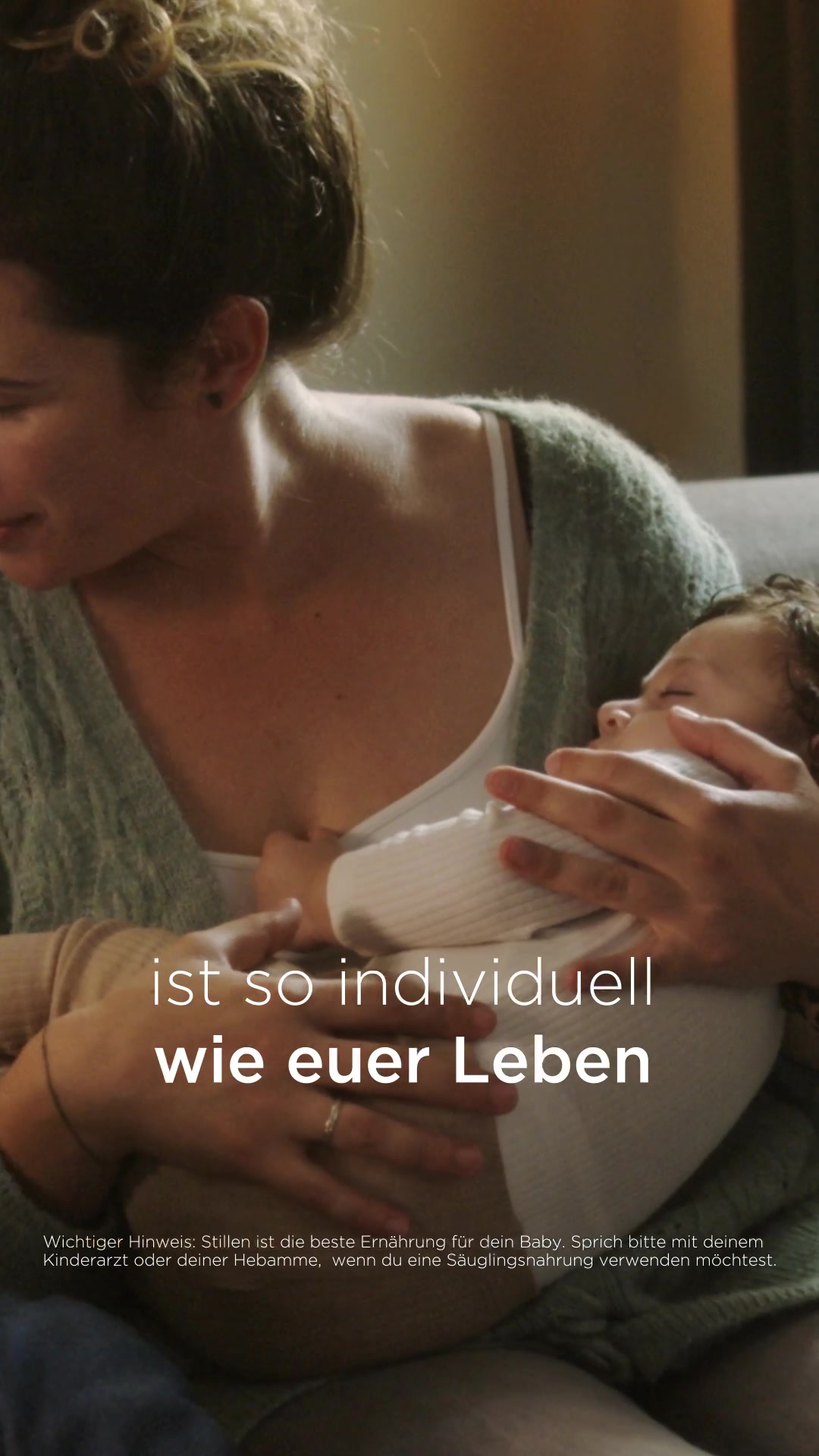
3. Real mother feeding moment
What it does. A cinematic, warmly lit shot shows a real mother cradling her sleeping newborn with the line "ist so individuell wie euer Leben" and a breastfeeding-first disclaimer at the foot of frame.
Why it works. Leading with a tender, authentic bonding moment rather than the tin builds trust and emotional resonance with new mothers in a sensitive, regulated category.
Ad data. This video ad reached 3.5M and ran for 90 days, a sustained flight. Gender split: 100% women / 0% men.
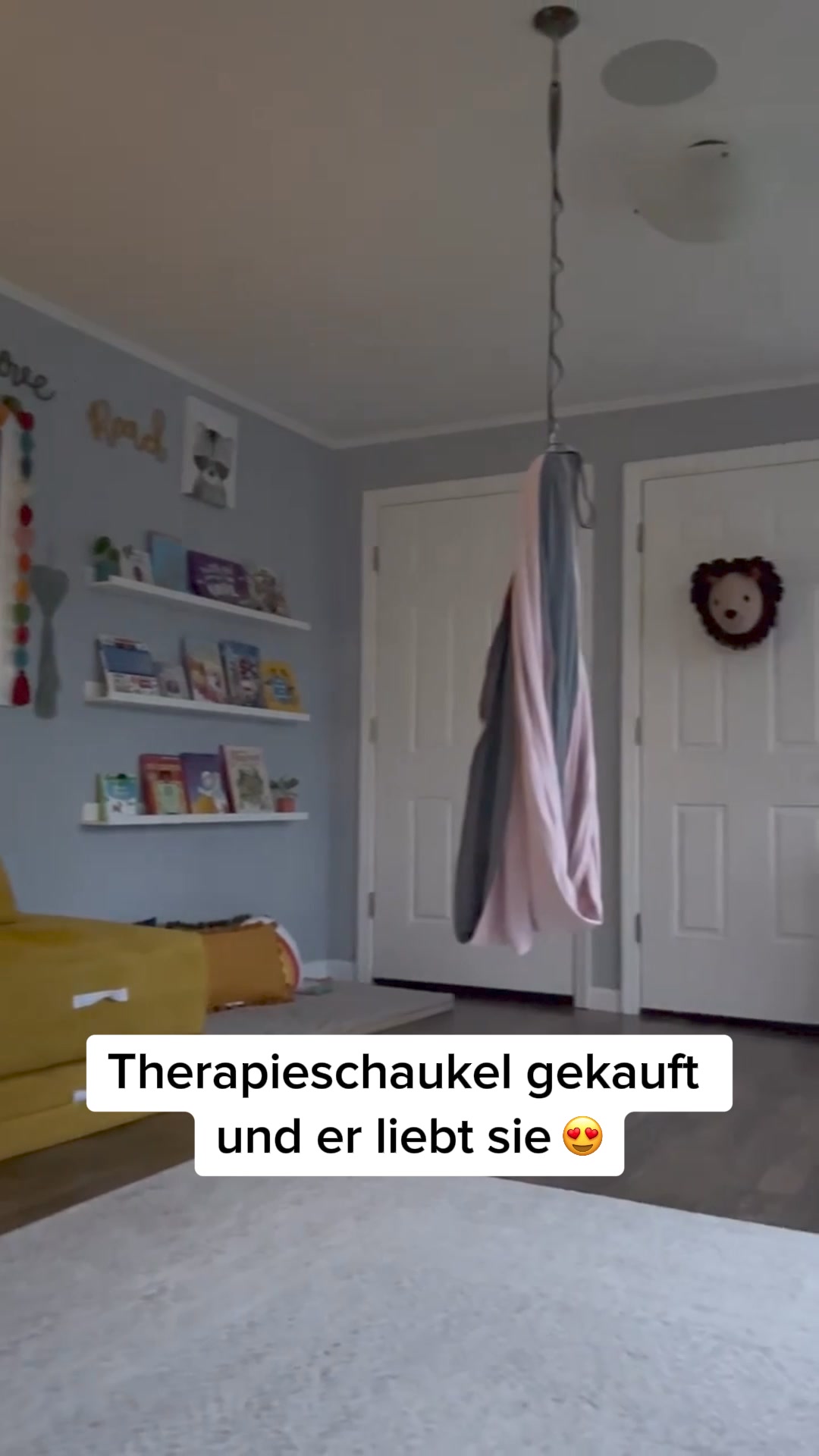
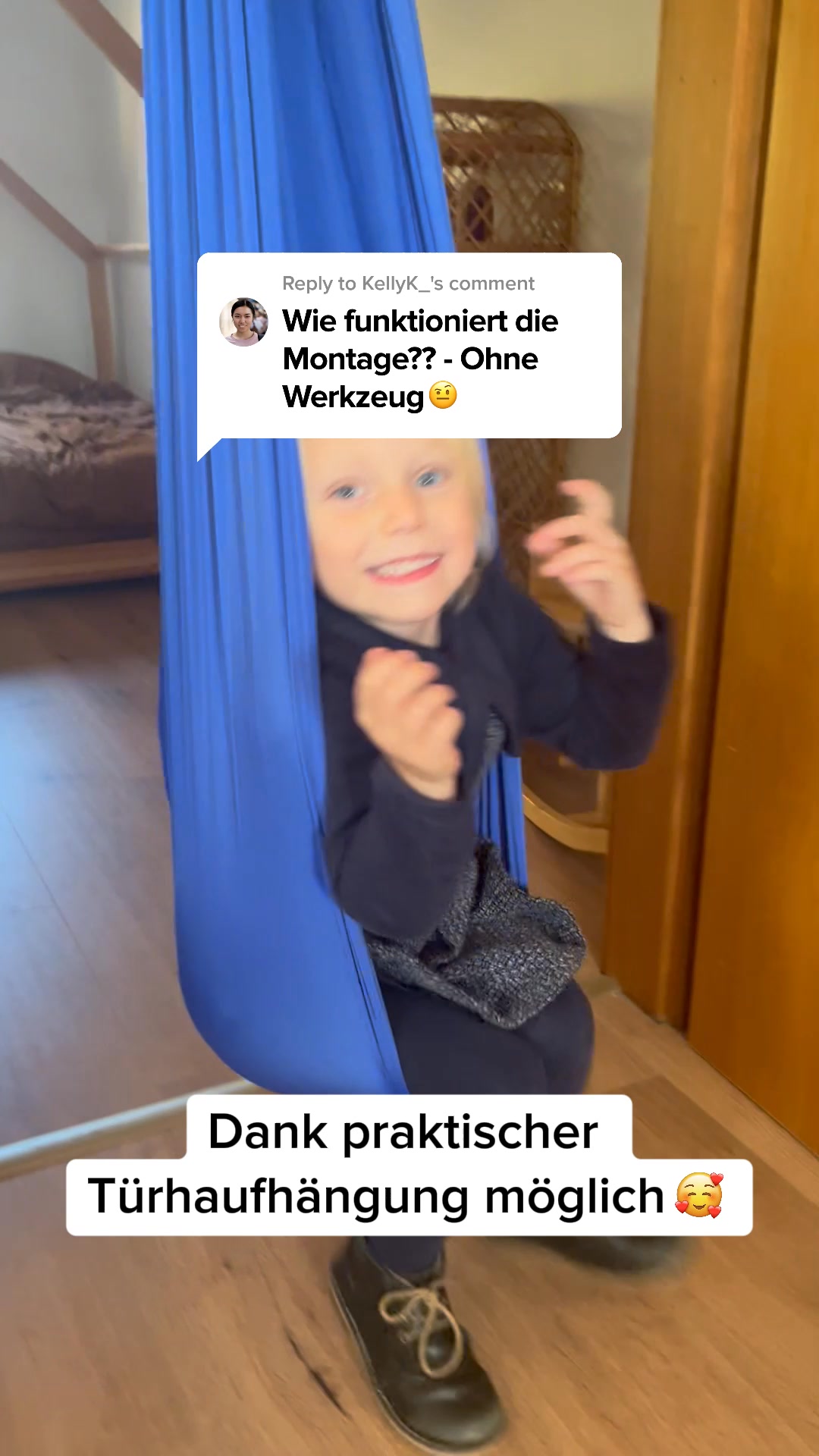
4. Comment-reply objection answer
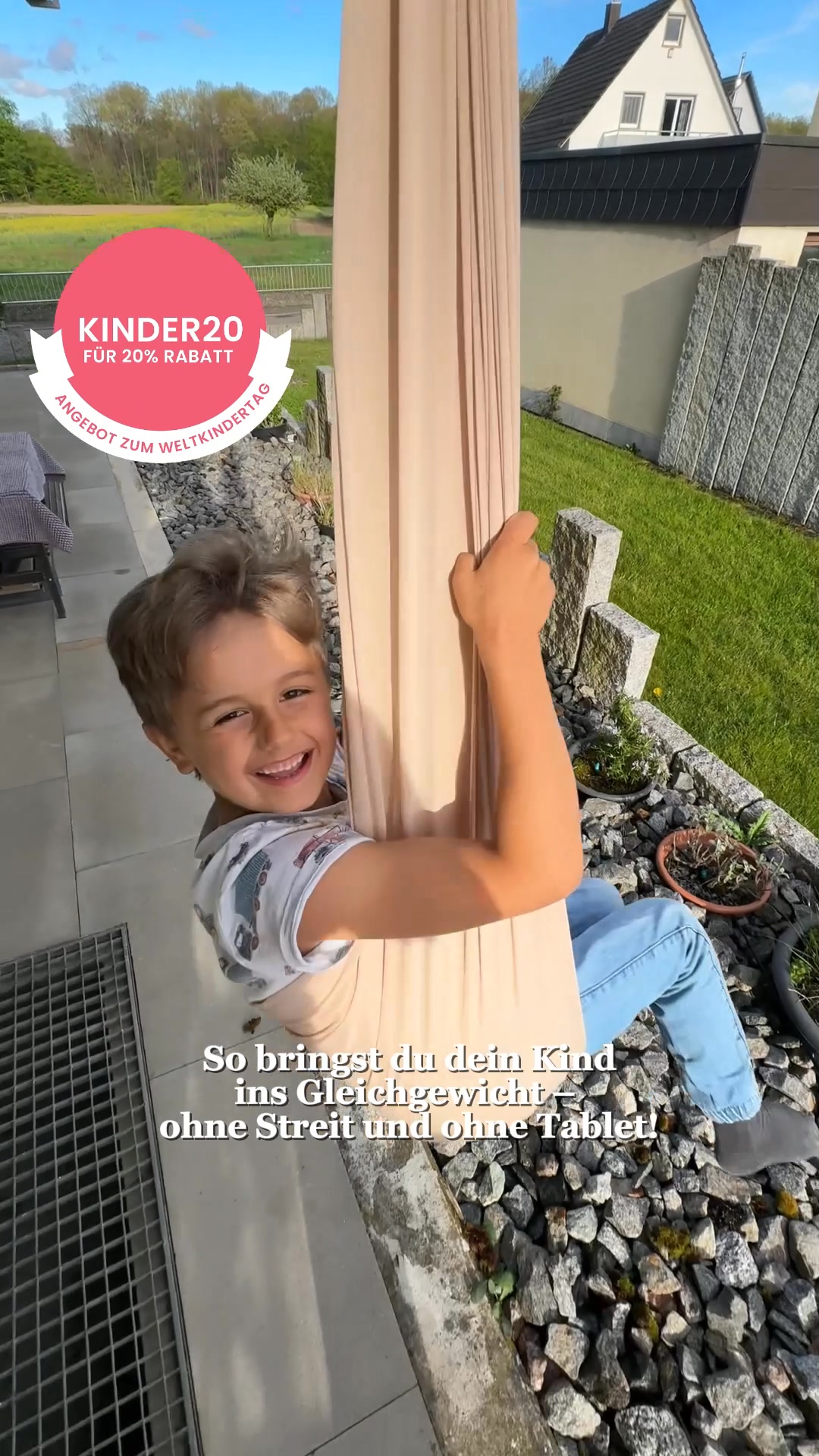
What it does. A phone-shot clip of a smiling child bouncing in the blue therapy swing is topped with a native "Reply to KellyK_'s comment" sticker asking "Wie funktioniert die Montage?? Ohne Werkzeug" and answers it on the caption below.
Why it works. Mimicking a genuine Instagram comment reply makes the ad feel organic and directly kills the buyer's practical objection about installation right in the creative.
Ad data. This video ad reached 2.2M and ran for 409 days, one of the longest flights in the category. Gender split: 90% women / 10% men.
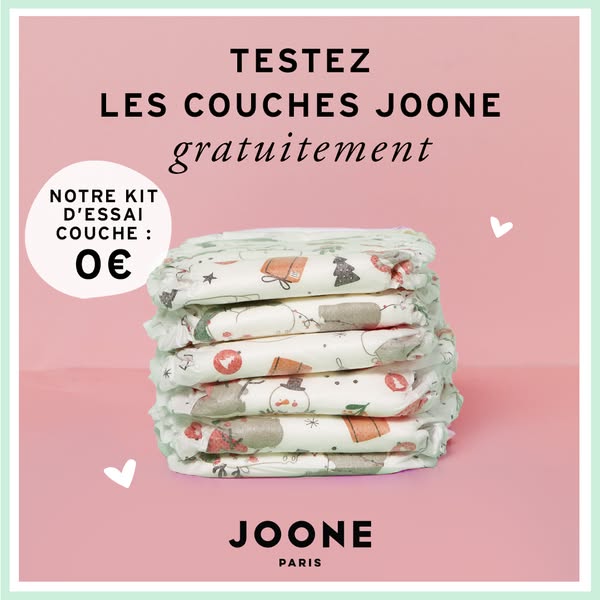
5. Free trial kit zero-risk
What it does. A neat stack of print-patterned diapers sits on pink with "Testez les couches Joone gratuitement" and a circular "Notre kit d'essai couche: 0EUR" badge, framed by a 4.8/5 rating in the copy.
Why it works. A free 0 EUR trial kit plus a star rating removes all purchase risk, an easy first yes for parents cautious about switching a product that touches their baby's skin.
Ad data. This image ad reached 2.5M and ran for 755 days, by far the longest flight in the category. Gender split: 85% women / 15% men.
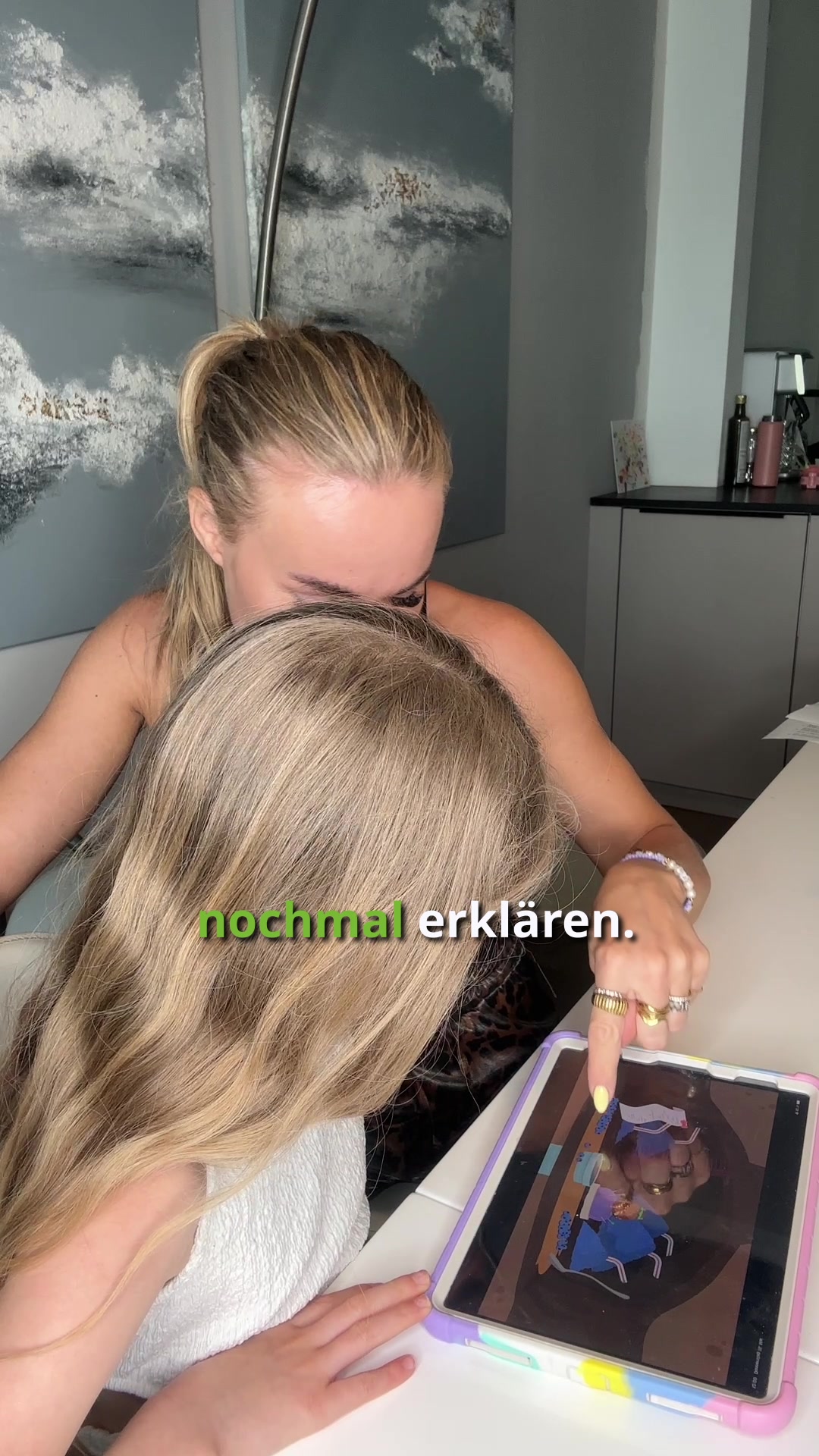
6. Personalized gift reveal
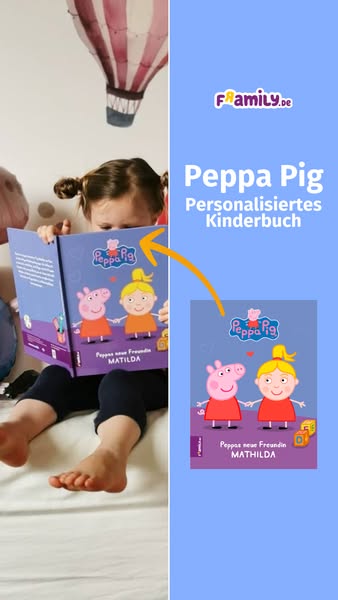
What it does. A phone-shot photo shows a real child absorbed in reading the personalized Peppa Pig book, with an arrow pointing to a product mockup where the girl's name "MATILDA" appears as Peppa's new friend.
Why it works. Seeing an actual child delighted by a book starring their own name makes the personalized-gift payoff concrete and taps the emotional "perfect present" trigger for parents and relatives.
Ad data. This image ad reached 2.2M and ran for 368 days, a long sustained flight. Gender split: 67% women / 33% men.
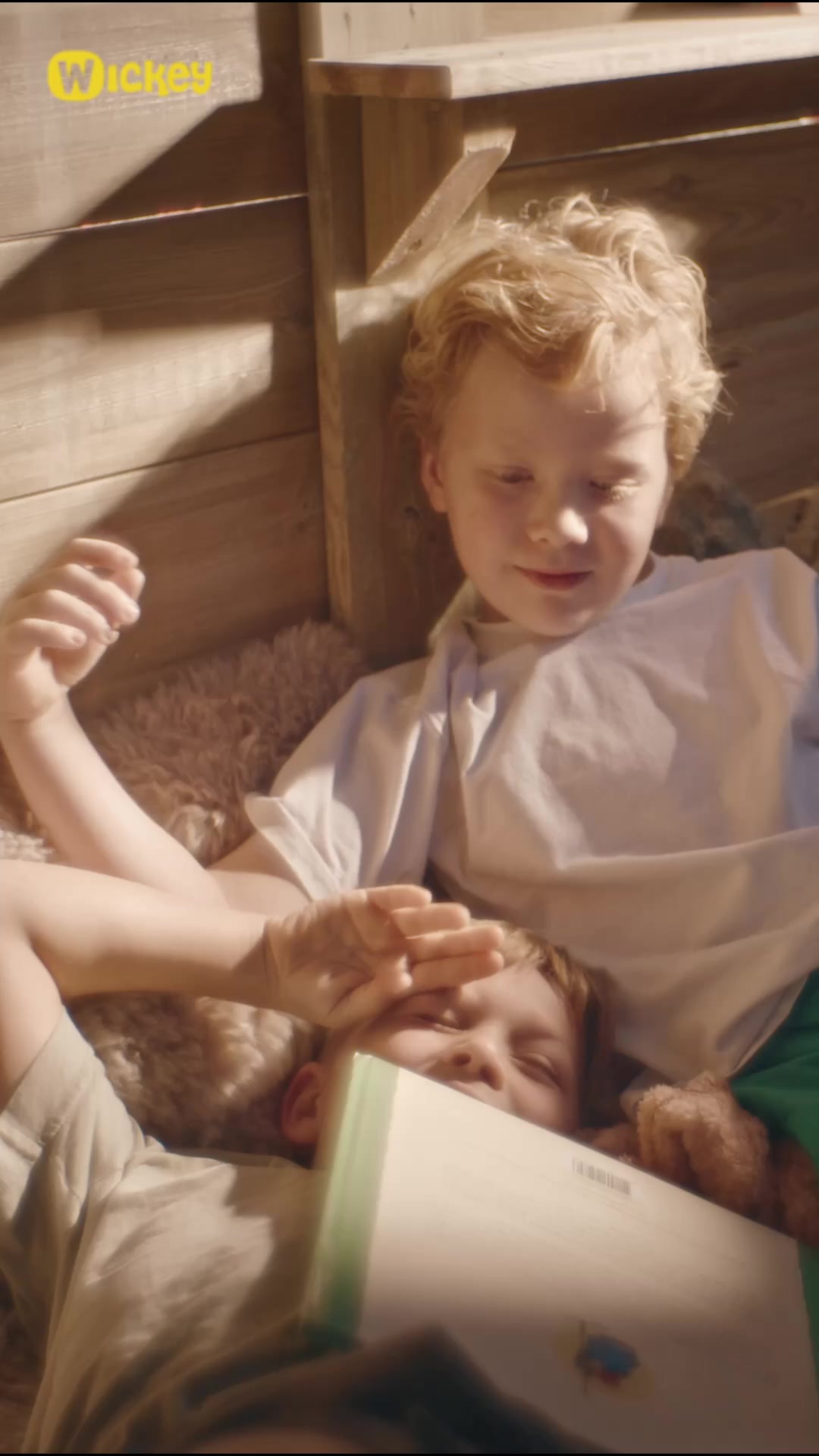
7. Kid-hero backyard adventure
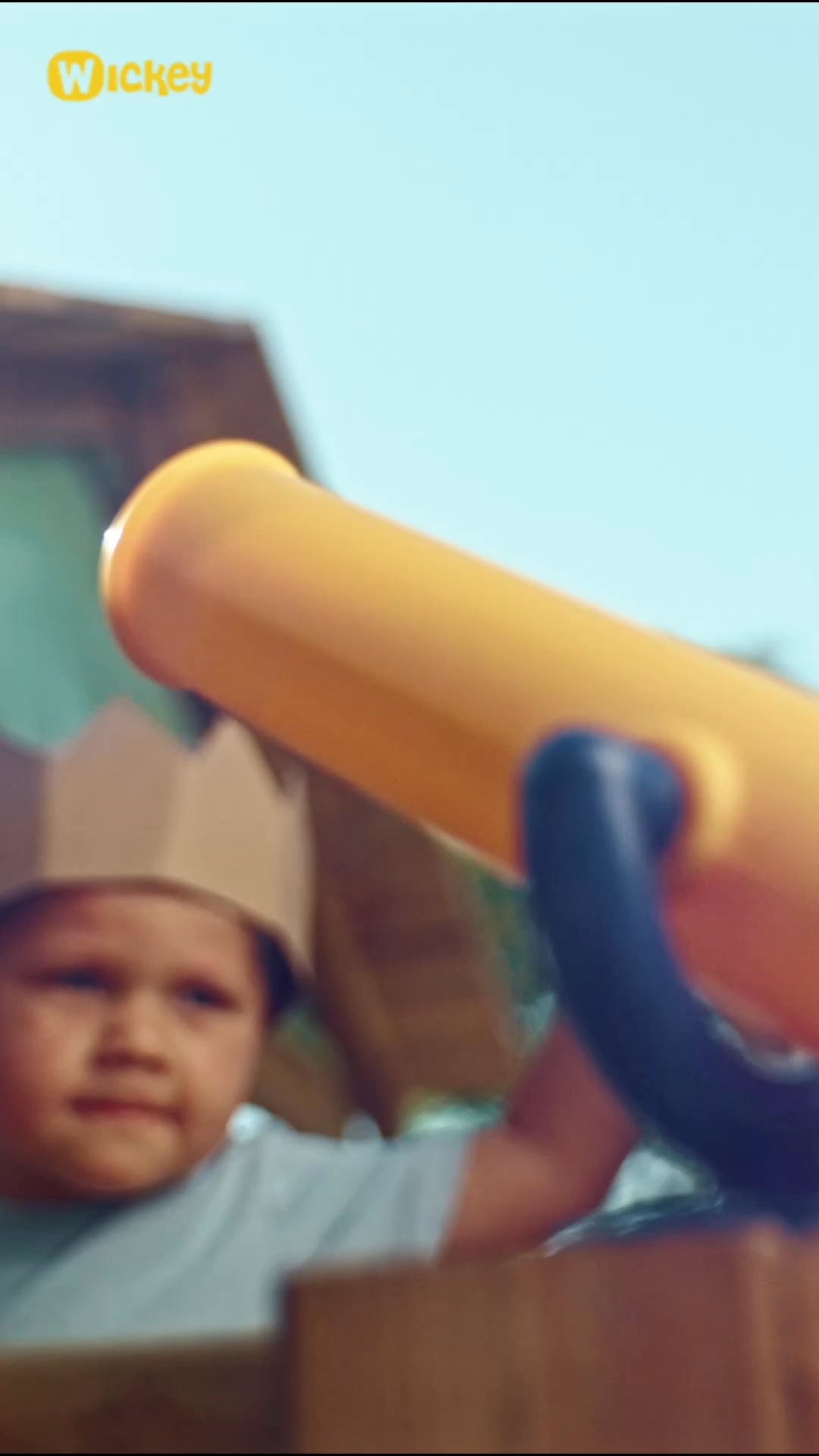
What it does. A low-angle, cinematic clip frames a child in a cardboard crown peering out of a Wickey playtower past a bright telescope, casting the backyard playset as an epic adventure fort under the copy "Deviens un heros."
Why it works. Selling the imaginative adventure and confidence a child gains rather than the timber spec makes an expensive playset feel like a meaningful gift, appealing to both parents in the audience.
Ad data. This video ad reached 3.9M and ran for 89 days, among the top reaches in the category. Gender split: 40% women / 60% men.
Baby & Kids ad best practices
- Make the child the first thing they see. Open on a real kid or baby in action or at rest, not on the packshot. A low-angle shot of a child peering out of a playset or a warmly lit newborn in a parent's arms earns the scroll-stop that a product-only frame cannot.
- Put the offer or proof in the opening frame. If the hook is a deal, let a bold "40% OFF" or a free trial badge dominate the first frame instead of hiding it in the caption. Pair it with a visible rating so the value and the trust signal land at once.
- Answer the buying objection inside the creative. Borrow the comment-reply format to kill a practical worry on screen, for example showing how a swing or playset installs without tools. Mimicking a genuine reply makes the ad feel organic and removes the last hesitation before the click.
- Sell the feeling, not the spec. Frame the product as the adventure, the bonding moment, or the perfect personalized gift rather than the timber grade or the ingredient list. Showing a child delighted, or their own name printed inside a book, makes an expensive item feel meaningful and gift-worthy.
What is behind these numbers
Everything on this page comes from a curated snapshot, so it is a selection, never the whole market. Only the highest-reach Facebook and Instagram ads per industry make it in, which means the figures describe the top performers we track rather than the platform as a whole. Reach comes straight from Meta: it is the figure the Meta Ad Library reports under EU transparency rules, with its gender, age and country breakdown, and we do not model or adjust it. Estimated spend is the exception: we compute it from the reported reach using an assumed 5 to 30 EUR CPM.
The raw ad data is collected via top-ads.io. The Ad Library itself is a free resource from adtribute, the platform that ties every ad to revenue with marketing attribution and custom analytics.